Why Soft Coral Tanks Are the Perfect Low Maintenance Reef Aquarium
Soft coral tanks might just be the easiest and most enjoyable way to keep a reef aquarium. Learn why soft corals like toadstools, mushrooms, and sinularias are perfect for beginners and busy hobbyists who want a stunning tank without constant maintenance.
Quick answer
Soft coral tanks are one of the easiest reef aquariums to keep because soft corals like toadstools, mushrooms, sinularias, zoanthids, and green star polyps tolerate wider water swings, need simple lighting and flow, and can often be maintained with monthly water changes and only occasional deep cleaning. They are ideal for beginners and busy hobbyists.
Looking for a reef tank that doesn't demand constant attention? A soft coral tank might be exactly what you need. Whether you're a beginner or a seasoned hobbyist who wants something low-stress, soft corals offer the perfect balance of beauty and ease.
Why Choose a Soft Coral Tank?
Soft coral tanks are ideal for what we affectionately call the "lazy aquarist" — someone who wants a beautiful reef tank in their home but doesn't want to spend hours every week on maintenance. These tanks can thrive with minimal intervention while still looking absolutely stunning.
Here's the honest truth: with a soft coral tank, you can get away with water changes just once a month. Deep cleaning? Maybe every six months. Compare that to an SPS-dominated tank that demands weekly attention and precise parameter monitoring.
The Benefits of Soft Corals
1. They're Incredibly Forgiving
Soft corals can tolerate a wider range of water parameters than their SPS cousins. Got slightly elevated nitrates or phosphates? Most softies won't even notice. They actually prefer water that's a bit "dirtier" — which means less stress about hitting perfect numbers.
2. Budget-Friendly Beauty
Unlike high-end SPS frags that can cost hundreds of dollars, most soft corals are remarkably affordable. You can build an impressive collection without breaking the bank:
- Toadstools - $15-60 for beautiful specimens
- Sinularias - $20-30 per frag that grow quickly
- Mushrooms - Often under $20
- Kenya Trees - One of the most affordable options
- Star Polyps (GSP) - Hardy and fast-growing
3. No Fancy Equipment Required
One of the biggest advantages of soft coral tanks is that they don't need expensive lighting or crazy flow patterns. While SPS tanks might require $1,200+ LED fixtures, soft corals can thrive under:
- Basic LED strip lights
- Budget-friendly "black box" fixtures from Amazon
- Fixtures in the 50-120 watt range
Many reefers actually run their lights at reduced intensity for softies — they don't need to be cooked with intense PAR values.
4. Simple Flow Requirements
Forget about complex wave patterns and multiple powerheads. A soft coral tank typically needs just:
- A decent return pump
- One basic powerhead for gentle circulation
That's it. Your toadstools and mushrooms will sway happily in moderate flow.
Minimal Dosing Needed
Here's where soft corals really shine for the time-conscious hobbyist. Unlike SPS tanks that demand precise two-part dosing or calcium reactors, soft corals have minimal demands:
- Occasional magnesium supplementation
- Basic trace elements added during water changes
- No need for a consistent dosing regimen
If you do keep a few LPS pieces like Duncans or Bubble Coral, you might add some calcium and alkalinity, but even then it's far less demanding than an SPS system.
Best Soft Corals for Beginners
Ready to start your soft coral journey? Here are the top recommendations:
Leather Corals
Toadstool leathers are the quintessential beginner coral. They're hardy, grow well, and make a beautiful centerpiece. Sinularias (finger leathers) can double or triple in size within months.
Mushroom Corals
Mushrooms come in incredible variety — from basic Discosomas to exotic Bounce mushrooms. They're nearly indestructible and multiply readily.
Zoanthids and Palythoa
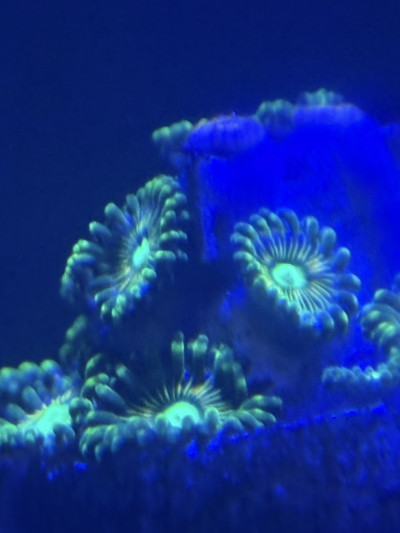
While technically colonial polyps, zoas fit perfectly in a soft coral tank. They come in endless color combinations and are generally hardy (though some can be pickier than others).
Star Polyps
Green Star Polyps (GSP) are famous for being bulletproof. Just be aware — they grow fast and can take over if you're not careful!
Maintenance Schedule for a Soft Coral Tank
Here's what a realistic maintenance routine looks like:
Daily (2 minutes)
- Check that everything is running
- Feed your fish
- Top off evaporation (or let your ATO handle it)
Monthly (30-60 minutes)
- 10-20% water change
- Clean the glass
- Basic equipment check
Every 2-3 Months
- Deep clean return pump and powerheads
- Replace filter media if used
- Trim any overgrown corals
That's genuinely it. No daily parameter testing, no calculated dosing schedules, no stress about maintaining 1400 magnesium and 8.3 dKH alkalinity.
Adding Fish to Your Softie Tank
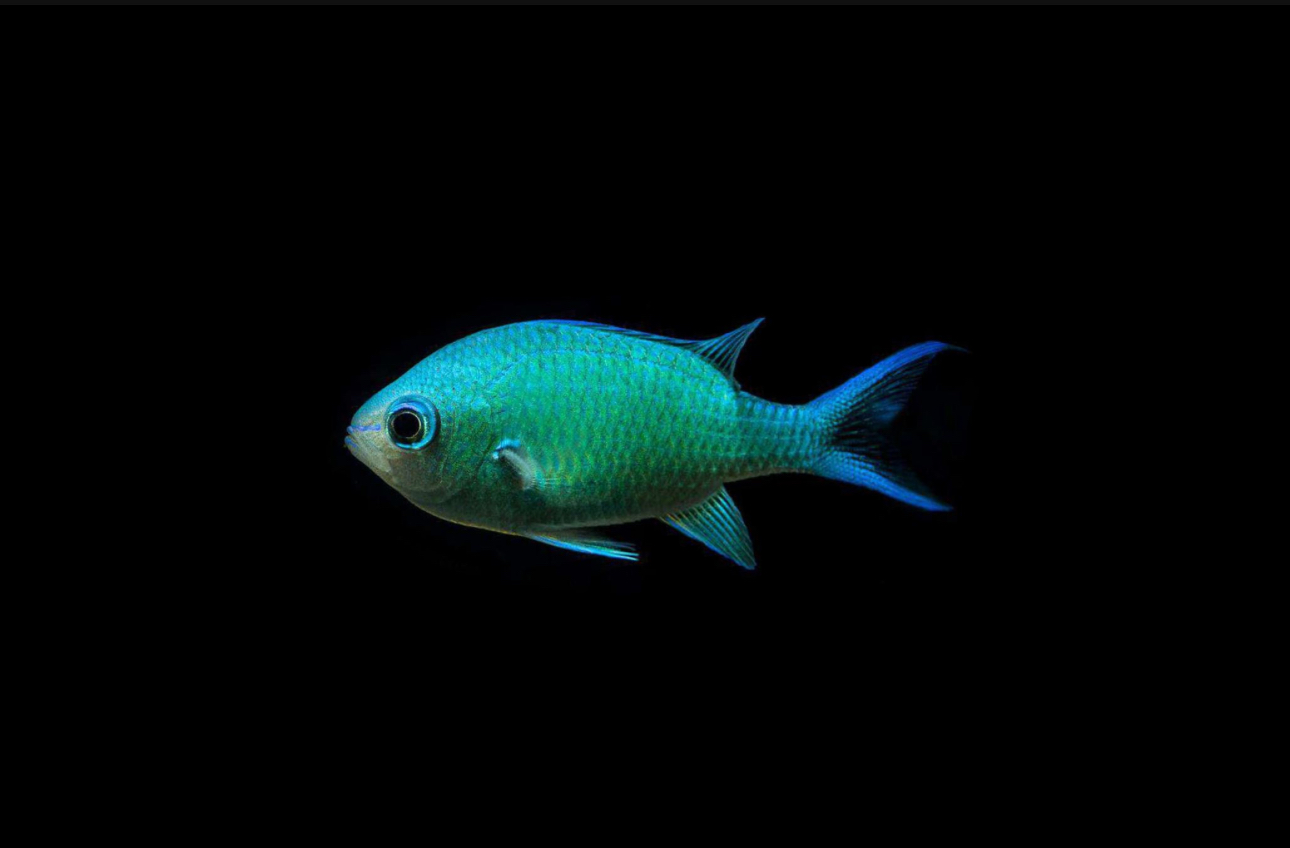
A soft coral tank is also forgiving when it comes to fish. Great options include:
- Clownfish - The classic reef tank fish, hardy and colorful
- Gobies - Peaceful and entertaining
- Blennies - Great personalities and algae grazers
Just be mindful that more fish means more nutrients — you might see some hair algae appear. But even that's manageable with a decent cleanup crew.
The Bottom Line
A soft coral tank offers the best of both worlds: a gorgeous reef aquarium that doesn't consume your free time. It's perfect for beginners learning the hobby, busy professionals who can't commit to daily maintenance, or experienced reefers who want a low-stress second tank.
The colors are vibrant, the corals are forgiving, and the satisfaction of watching your tank thrive with minimal effort? Priceless.
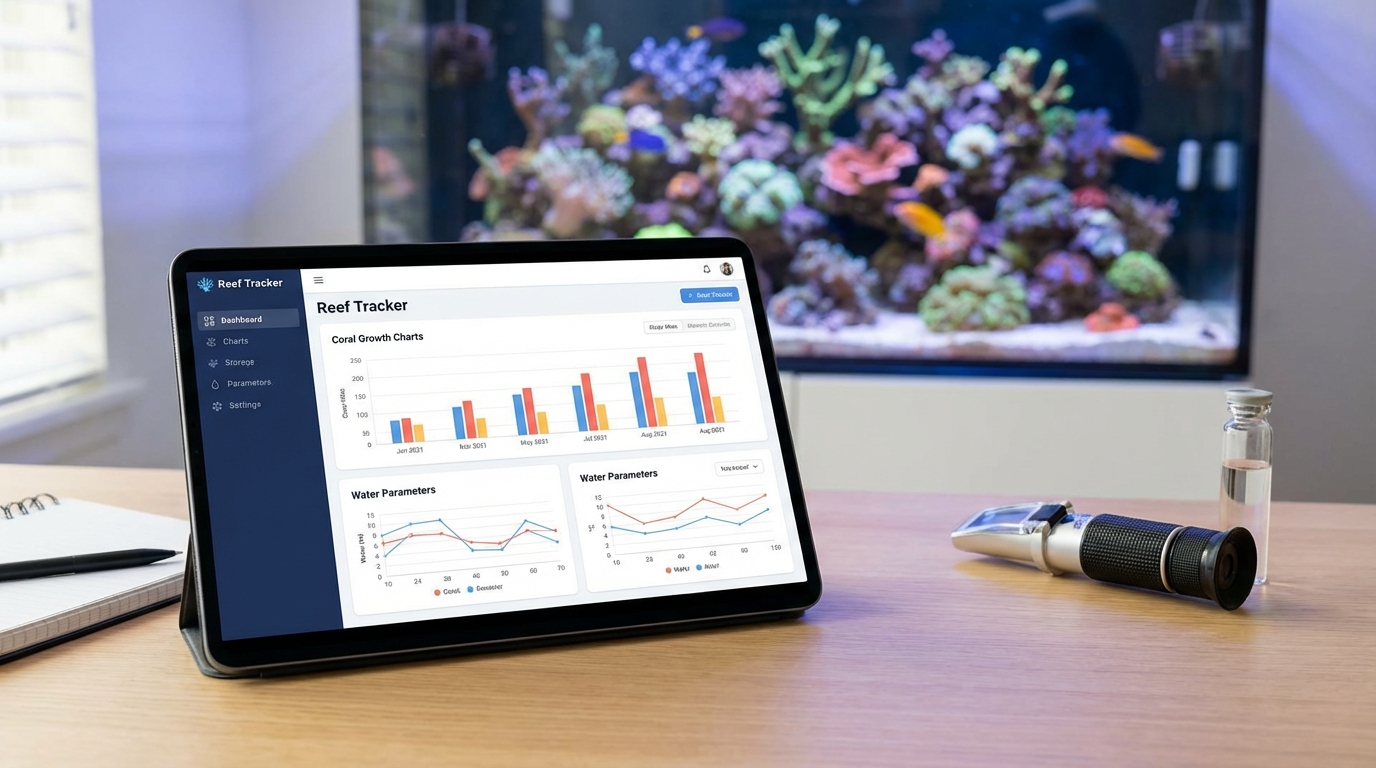
Ready to start your soft coral journey? Browse soft corals on the ReefBay marketplace and track your tank's progress with the ReefBay app.