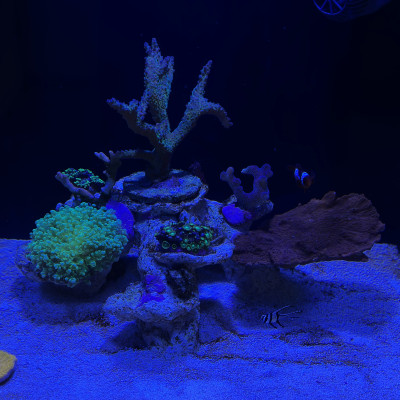
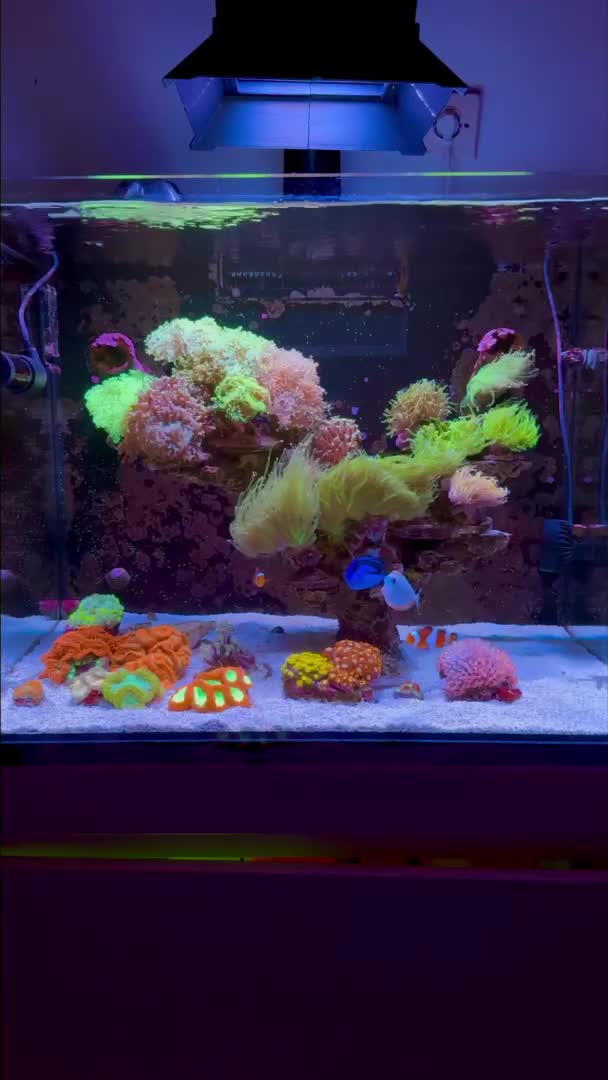
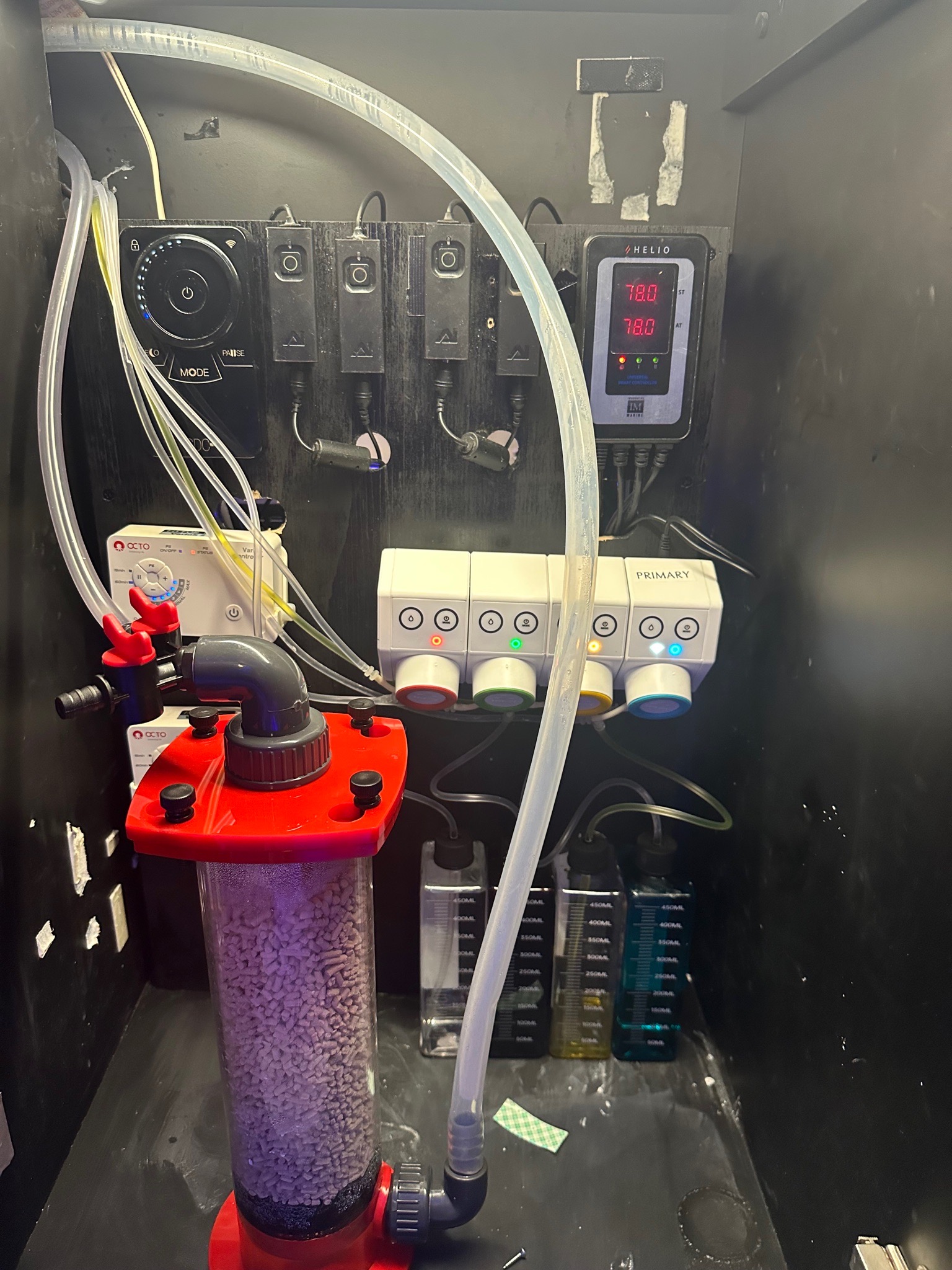
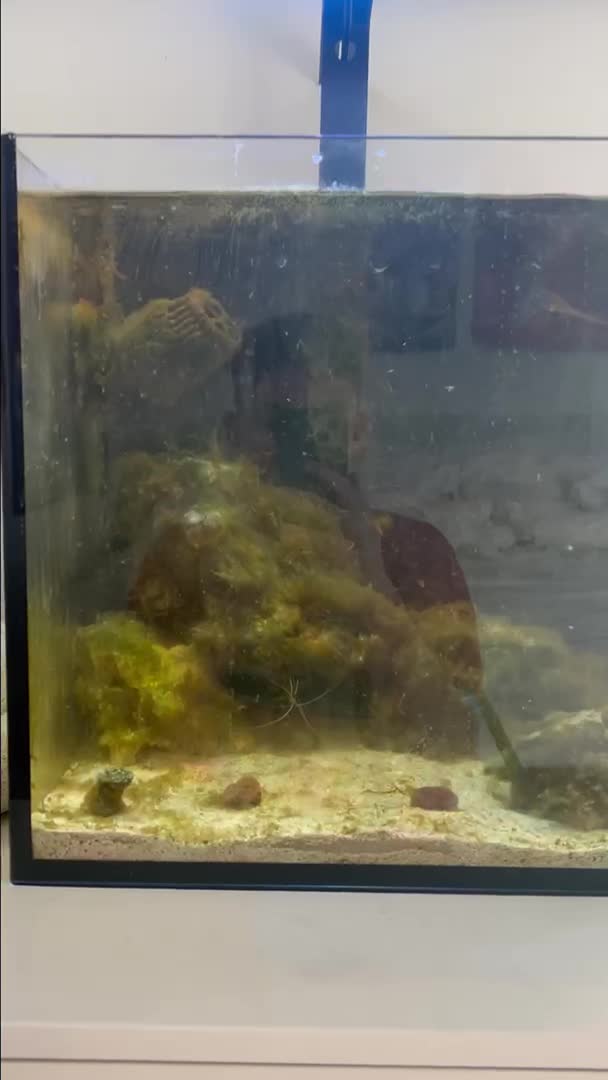
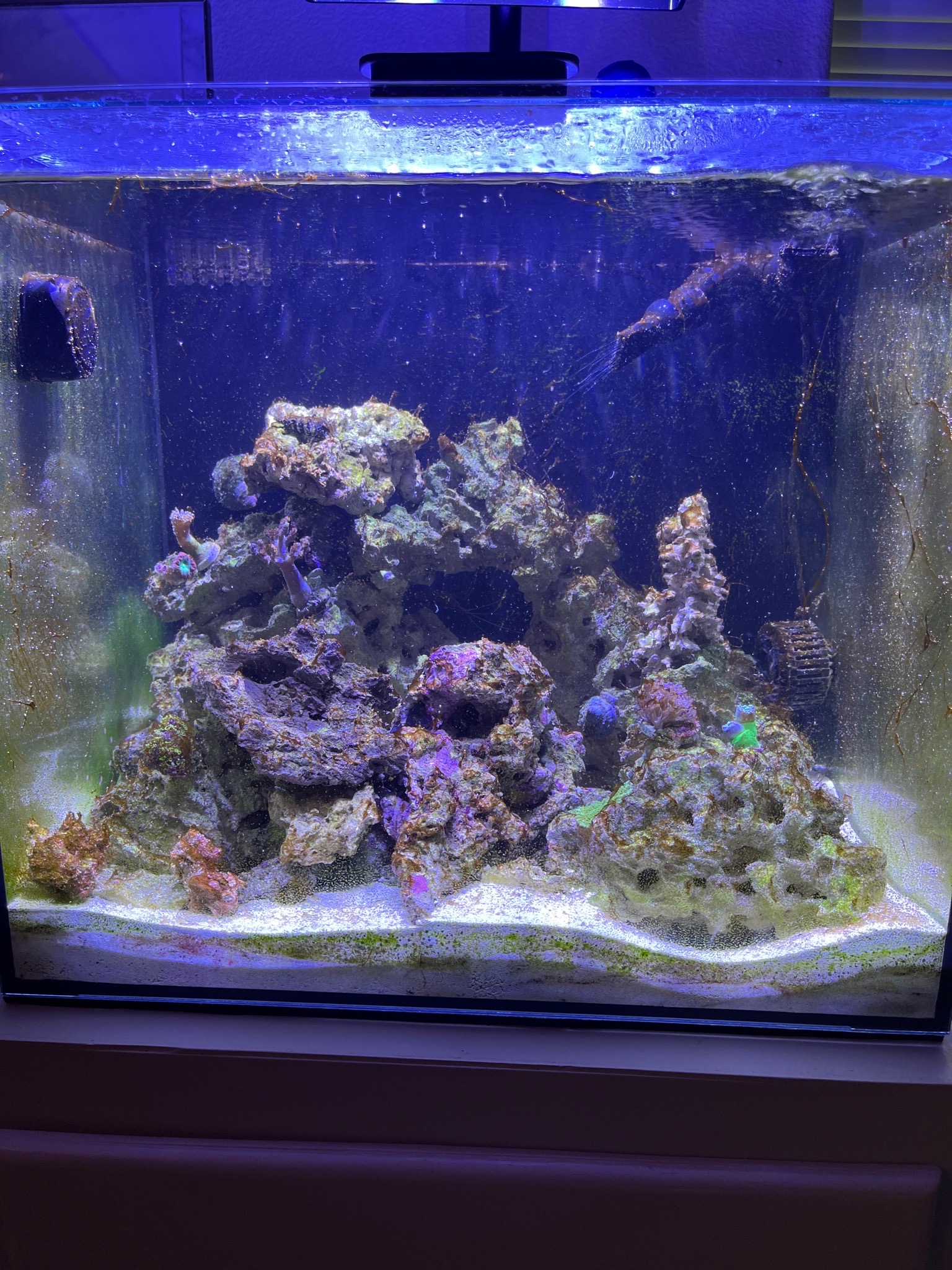
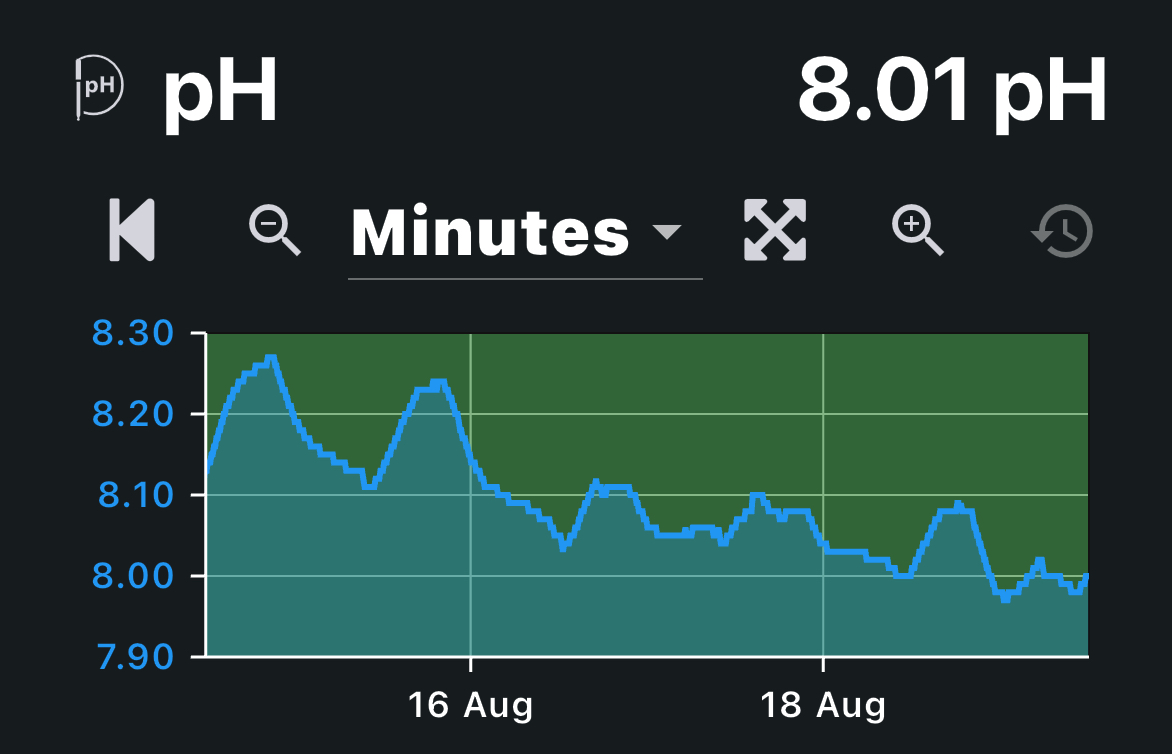
¿Alguien tiene idea de cómo deshacerse de los dinoflagelados? Siguen volviendo. He empezado a dosificar Dino X, pero está afectando a la calidad del agua—el pH sigue bajando.
Does anyone have an idea how to get rid of Dinoflagellates? They keep coming back. I’ve started dosing Dino X, but it’s affecting my water quality—my pH just keeps dropping.
Comentarios
Inicia sesión para dejar un comentario
Todavía no hay comentarios
Sé el primero en iniciar la conversación.
 @708_reef
162d
@708_reef
162d
Es difícil verlo. ¿Seguro que no son diatomeas o cyano? Los silicatos causan ambas. Cuando empiezo a verlo sé que es hora de cambiar algunos filtros RODI. Se limpia en pocas semanas después de cambiarlos.
Hard to see it. Sure its not diotoms or cyano? Silicates cause both. When I start seeing it I know its time to change some rodi filters. Clears up in a few weeks after swapping them.
@708_reef
162d
Y un medidor TDS seguirá leyendo cero con ellos preajustados
And a TDS meter will still read zero with them preset
@mitch
162d
¡Gracias por los consejos! Acabo de coger un filtro RODI nuevo, así que no creo que el problema esté ahí. He estado usando Dino X durante tres días, pero esperaba otros consejos ya que preferiría no tener químicos en mi acuario.
Thanks for the tips! I just got a new RODI filter, so I don’t think the problem lies there. I’ve been using Dino X for three days now, but I was hoping for some other tips as I’d rather not have chemicals in my aquarium.
 @BlindZide
162d
@BlindZide
162d
¿Tienes una imagen más cercana del alga? Tuve dinos en mi acuario anterior y fue una mierda. Reduje las luces a solo 3 horas al día, cubrí el acuario después de eso, y dosifiqué peróxido de hidrógeno. Hay un artículo muy bueno sobre eso aquí. https://www.reef2reef.com/threads/hydrogen-peroxide-doseing-for-dinophlagellates.381164/
Do you have a closer image of the algae? I had dinos in my old tank and it sucked. I cut lights to only 3 hours a day, covered the tank after that, and dosed hydrogen peroxide. Great article on it here. https://www.reef2reef.com/threads/hydrogen-peroxide-doseing-for-dinophlagellates.381164/
@BlindZide
162d
Necesitas competir con los dinos con otras algas y/o dosificar bacterias al acuario. NO hagas un cambio de agua hasta que hayas controlado los dinos.
You need to out compete the dinos with other algae and/or dose bacteria to the tank. Do NOT do a water change until you've gotten the dinos under control.
 @LolasReef
162d
@LolasReef
162d
La solución más consistente entre reefers es aumentar tus nitratos y fosfatos. La mayoría de brotes de dinos ocurren cuando ambos están cerca de cero—pruébalos, y si están bajos, dosifica suavemente hasta alrededor de 5-10 ppm de nitrato y 0,03-0,2 ppm de fosfato. Eso alimenta diatomeas competidoras y bacterias que empujan a los dinos fuera.  Sifona todo lo que puedas diariamente—quita el material baboso de las rocas y la arena. Combínalo con un esterilizador UV si tus dinos nadan a la columna de agua por la noche; ejecútalo a bajo flujo para máximo tiempo de contacto. Un apagón corto, como 2-3 días con el acuario cubierto, puede ayudar también, especialmente con UV.  Dosifica silicatos para potenciar las diatomeas—son competidores feroces. Añade algo de carbón para manejar cualquier toxina que liberen, y evita aminoácidos o limpiezas excesivas que desnutran todo lo demás. 
The most consistent fix across reefers is raising your nitrates and phosphates. Most dino outbreaks hit when both are near zero—test them, and if they’re low, gently dose them up to around 5-10 ppm nitrate and 0.03-0.2 ppm phosphate. That feeds competing diatoms and bacteria that push dinos out.  Siphon off as much as you can daily—get the slimy stuff off rocks and sand. Pair that with a UV sterilizer if your dinos swim into the water column at night; run it low flow for max contact time. A short blackout, like 2-3 days with the tank covered, can help too, especially with UV.  Dose silicates to boost diatoms—they’re fierce competitors. Add some carbon to handle any toxins they release, and avoid aminos or over-cleaning that starves everything else. 
 @seabud2
162d
@seabud2
162d
He usado Bright Well Micro Clean - ten paciencia - ve despacio - para mí fue una fase que desapareció en unos meses - mis acuarios tienen 120 y 130 galones cada uno con sumideros de 40% grandes También en algunas rocas malas - las saqué y las empapaé en una solución al 50% de H2O2 peróxido de hidrógeno pero luego las tuve en un cubo de agua del acuario durante aproximadamente una semana con aireador - en un armario oscuro
I have used bright well micro clean - be patience - go slow - for me it was a phase that went away in a few months - my tanks are 120 and 130 gallons each with large 40% sumps I also on a few bad rocks - took them and and soaked in 50% solution of H2O2 hydrogen peroxide but then had them in a bucket of tank water for about a week with air stone - in a dark closet
 @DrJube
161d
@DrJube
161d
También empecé a dosificar bacterias para ayudar a que superaran a los dinos y añadí más removedores de arena. Pareció ayudar
I also started dosing bacteria to help them overtake Dino and added more sand shifters. Seemed to help
@mitch
161d
¿Puedo añadir bacterias vivas durante el tratamiento con Dino X, o debería terminarlo primero? No estoy seguro si Dino X también mata las bacterias beneficiosas
Can I add live bacteria during the Dino X treatment, or should I finish it first? I’m not sure if Dino X also kills the beneficial bacteria
@DrJube
161d
Está bien usarlo mientras haces Dino X ya que no es un antibiótico y puede ayudar a aumentar la diversidad bacteriana. Me gusta Microbacter 7 pero huele a huevos podridos.
It is ok to use while doing Dino x since it is not an antibiotics and can help increase bacterial diversity. I like microbacter 7 but it does smell like rotten eggs.
Inicia sesión para unirte a la conversación.



Los dinos son una mierda tío, quizá reduce más las luces y ves si ayuda?
Dinos suck man maybe cut lights more see if it helps?