
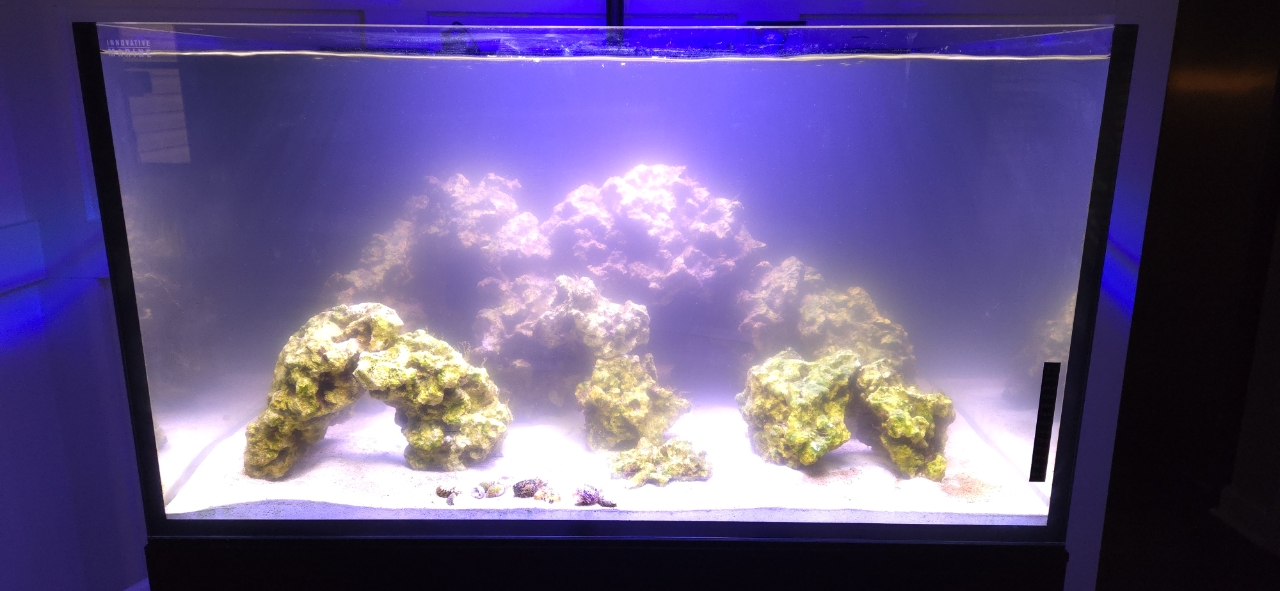
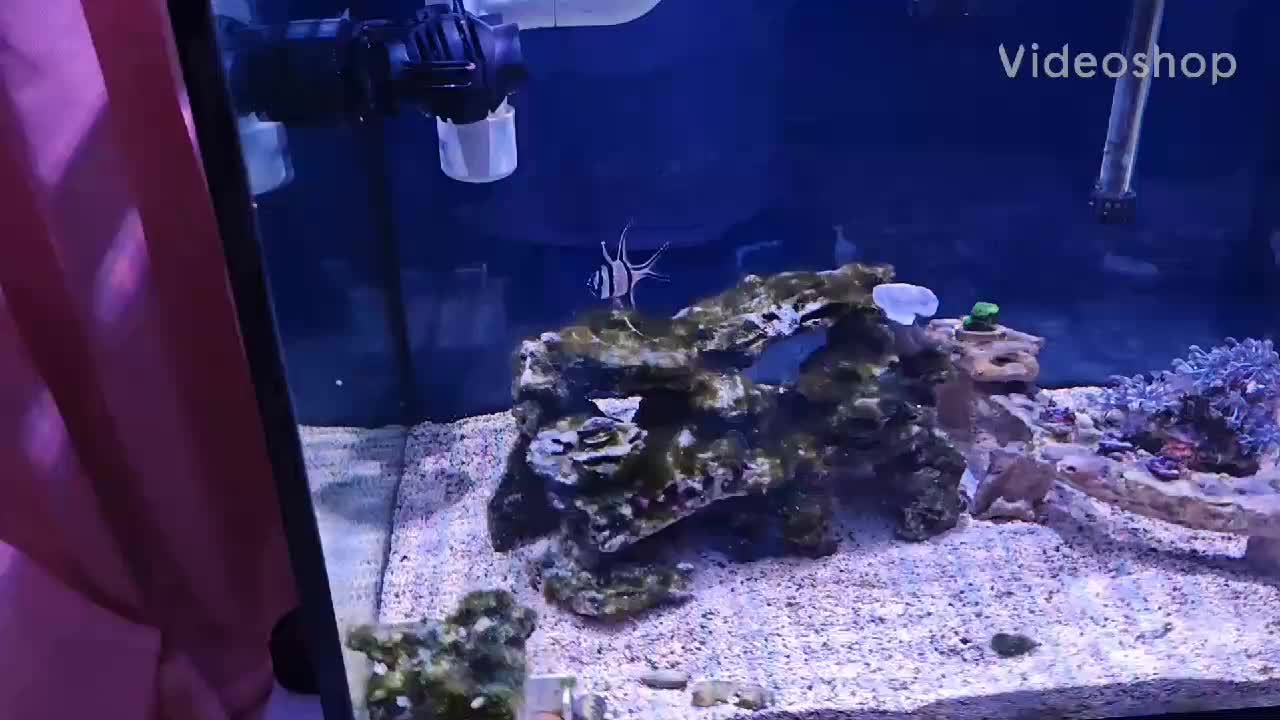
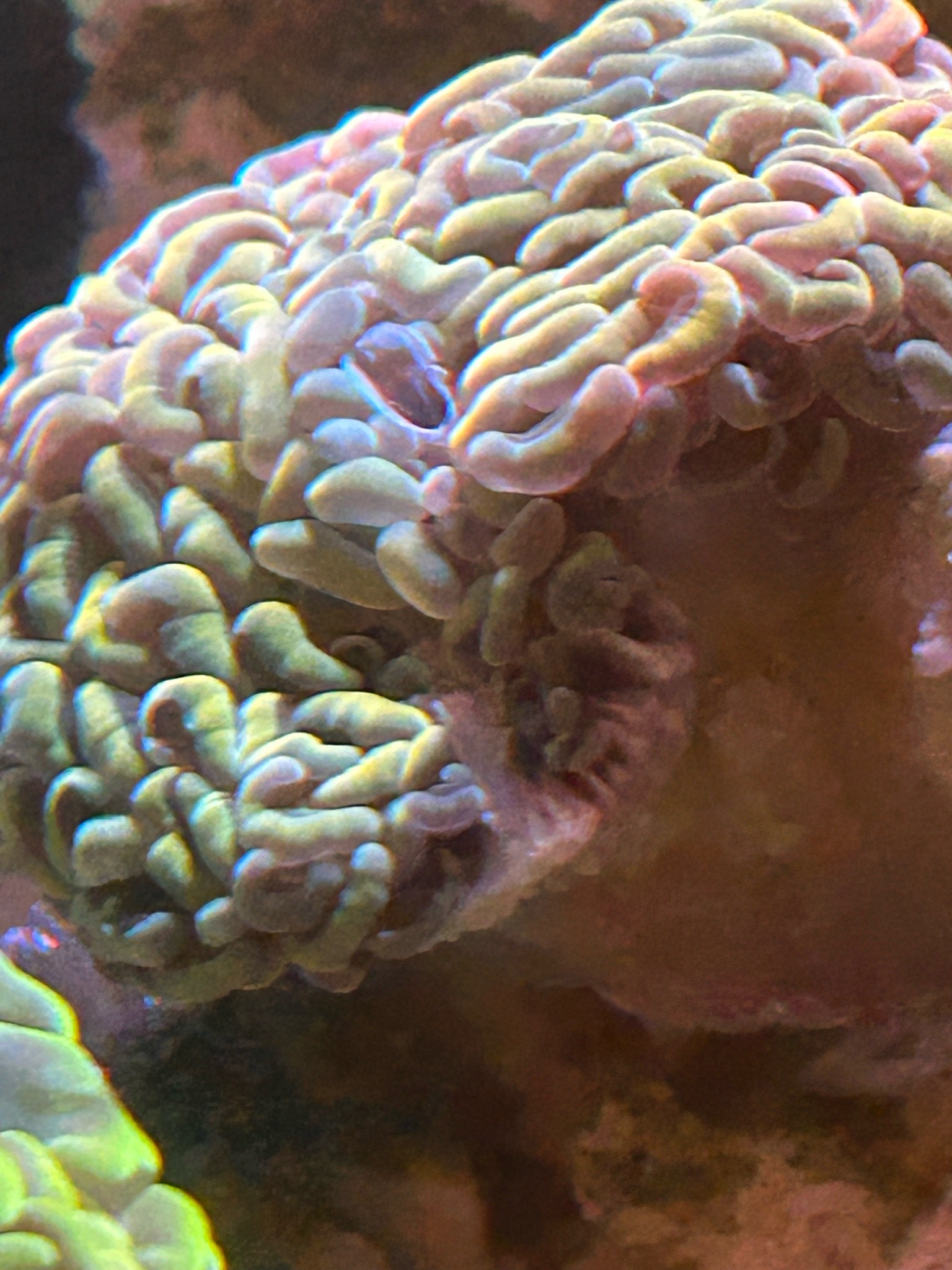
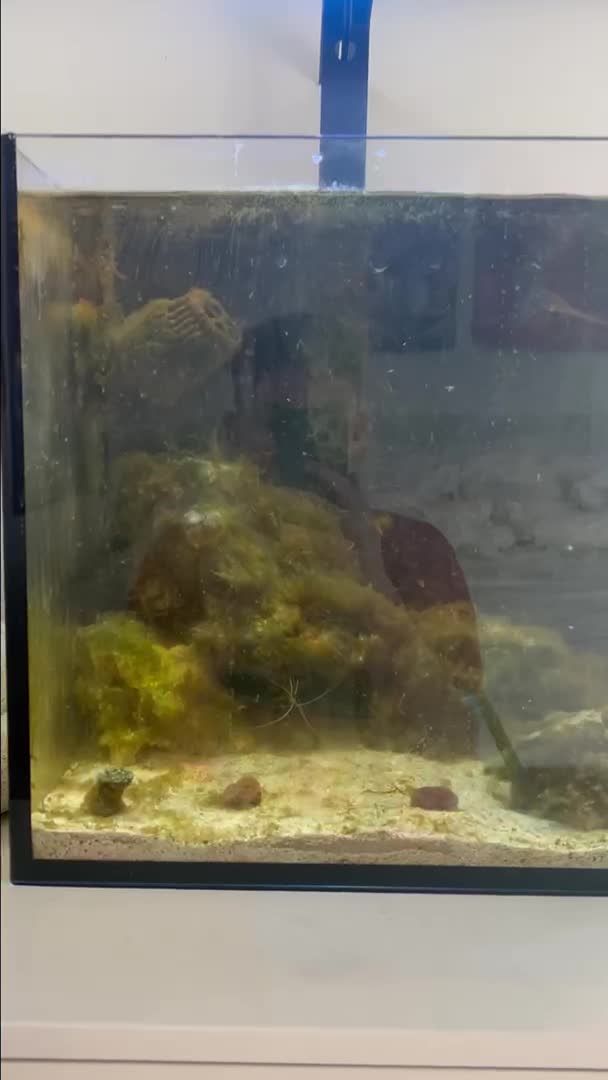
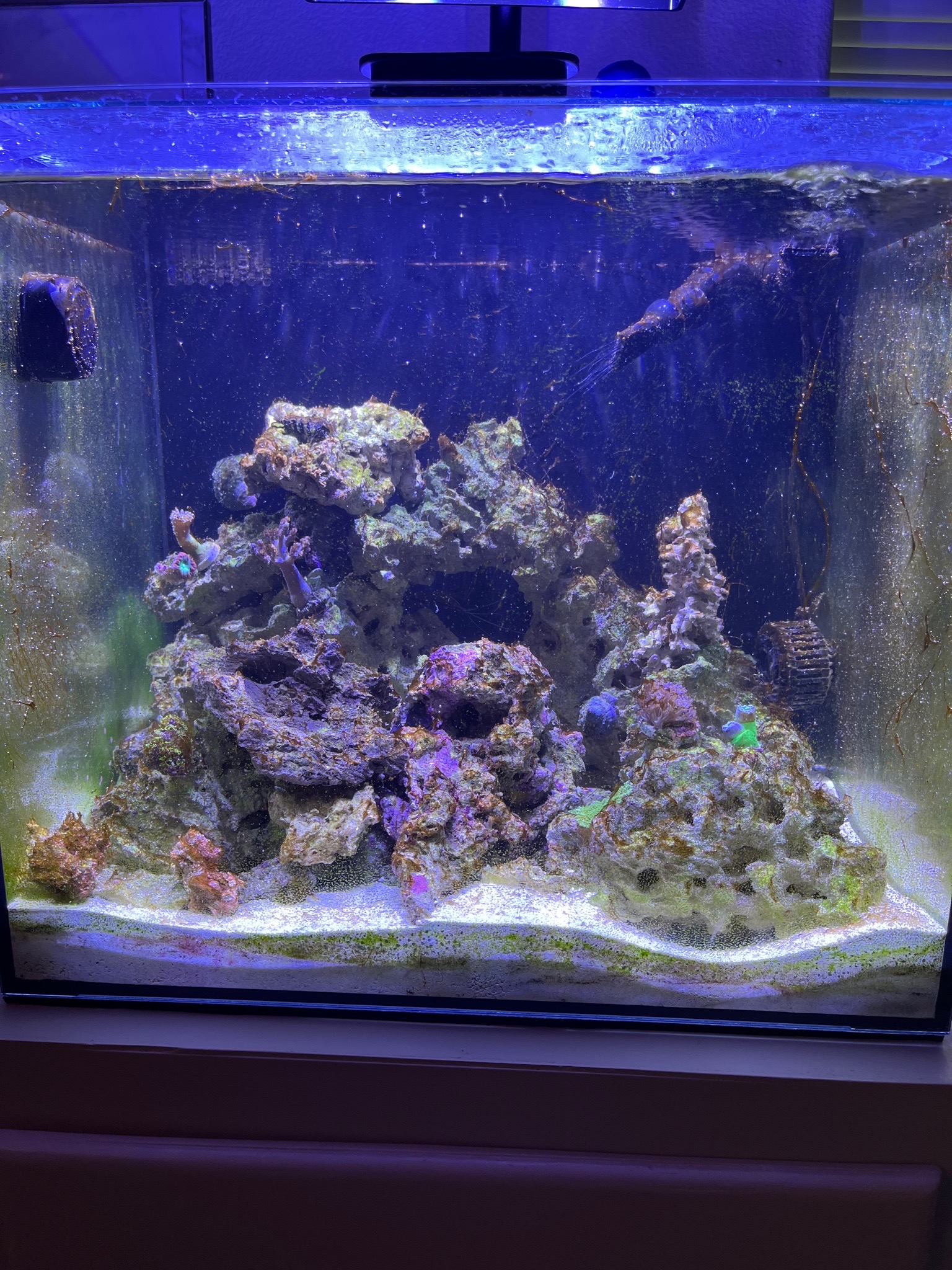
Ik heb deze groene algen waar ik maar geen grip op krijg. Parameters zijn normaal, behalve een hoog magnesiumgehalte. Ik doe wekelijks 20% waterverversingen om het te verlagen, maar de algen slaan nog steeds hard toe. Iemand suggesties?
Ive got this green algae that I cant seem to get under control. Parameters are normal except high Magnesium. Doing weekly 20% water changes to lower it but the algae still kicks in hard. Any suggestions?
Reacties
Log in om een reactie achter te laten
Nog geen reacties
Start als eerste het gesprek.
 @RunswithTrtles
20d
Toen ik het had, kwam het door een teveel aan nitraat en normale fosfaatwaarden. Parameters lijken normaal omdat de algen het overschot opnemen, dus het zit niet in de waterkolom. Minder voeren als dat kan, en Macroalgae in de sump is naar mijn mening de beste remedie.
When I had it, it was from excess nitrate and normal phos. Parameters look normal because the algae is soaking up the excess, so it's not in the water column. Feeding less if you can, and Macroalgae in the sump is the best remedy in my opinion.
 @DHood10
20d
Als je waterwaarden goed zijn, probeer de aquarium een paar dagen volledig donker te zetten
If your water parameters are good, try blacking out the tank for a few days
@Cdunn352
20d
Hoe zal dat anemonen beïnvloeden?
How will that affect anemones?
@DHood10
20d
Als ze gezond zijn, zouden ze ermee om moeten kunnen gaan. Het zal ze wel een beetje stress geven, maar als je die algen niet onder controle krijgt, groeit het overal overheen. Ik had er onlangs ook last van en het groeide overal overheen
If they're healthy they should be able to handle it. It will stress them out a bit but if you don't get that algae under control it will drown everything out. I had an issue with it recently and it grew over everything
 @camaro42
20d
3% waterstofperoxide. 0.5-1 ml per 10 gallons waterinhoud eenmaal per dag.
3% hydrogen peroxide. 0.5-1 ml per 10 gallons of water volume once daily.
 @singwithmylife
16d
Zal dat ook iets anders doden? Zoals dingen die ik misschien niet dood wil hebben?
Will that kill anything else? Like things I might not want to die?
 @Proofy
20d
Fysiek verwijderen (handmatige afvoer) Probleem: Zodra haaralg een dikke zode vormt, vermijden grazers vaak de lange, vezelige strengen. Oplossing: Pluk en zuig de meeste groei handmatig weg tijdens waterverversingen voordat je er biologisch tegenin gaat. Het rotswerk buiten de aquarium of direct naast een zuigslang schoonborstelen voorkomt dat losse filamenten neerslaan en opnieuw wortel schieten. 3. Biologisch opruimteam (gerichte herbivorie) Zware grazers: Tuxedo Urchins (Mespilia globulus) zijn de meest onvermoeibare, allesetende eters van korte haaralg en turf. Gespecialiseerde opruimers: Emerald Crabs (Mithraculus sculptus) scheuren door dikke matten heen, terwijl herbivore slakken zoals Trochus, Turbo en grote Cerith slakken de rotsoppervlakken aanpakken zodra de turf kort is getrimd. Nudislakken/slakken: een sea hare (Dolabella auricularia) vreet een haaralg-bos razendsnel weg, maar die moet wel opnieuw worden ondergebracht of extra nori krijgen zodra het gewas weg is, om verhongering te voorkomen. 4. Aanpassing van fotoperiode en spectrum Probleem: Veel wit, rood en groen spectrum samen met lange fotoperiodes geven groene draadalgen extra boost. Oplossing: Schakel de totale fotoperiode 1–2 uur terug, zet de warme/witte kanalen lager (met meer nadruk op blauwe/actinische spectra voor de vitaliteit van koralen), en overweeg een blackout van 3 dagen als de koralen niet al te veel stress hebben. 5. Chemische / enzymatische uitschakeling (indien hardnekkig) Als handmatige afvoer en toevoeging van schoonmaakploeg de strijd niet doen keren, zal een actieve behandeling met Fluconazole (Reef Flux) of algenmiddelen (zoals Vibrant of MicroBacter Clean) de celwanden van filamentachtige groene algen afbreken zonder SPS/LPS-koralen of de biologische filtratie te schaden.
Physical Removal (Manual Export) Issue: Once hair algae establishes a thick turf, grazers often avoid the long, fibrous strands. Fix: Manually pluck and siphon the bulk growth during water changes before targeting it biologically. Scrubbing rockwork outside the tank or right next to a siphon tube prevents loose filaments from settling and reseeding. 3. Biological Cleanup Crew (Targeted Herbivory) Heavy Grazers: Tuxedo Urchins (Mespilia globulus) are the most relentless, indiscriminate consumers of short hair algae and turf. Specialized Cleaners: Emerald Crabs (Mithraculus sculptus) tear through thick mats, while herbivorous snails like Trochus, Turbo, and large Cerith snails handle the rock surfaces once the turf is trimmed short. Nudibranchs/Slugs: A sea hare (Dolabella auricularia) will mow down a hair algae forest rapidly, though it must be rehomed or supplemental nori fed once the crop is cleared to avoid starvation. 4. Photoperiod & Spectrum Adjustment Issue: High white, red, and green spectrums alongside long photoperiods supercharge green filamentous algae. Fix: Dial back the overall photoperiod by 1–2 hours, drop the warm/white channels down (favoring blue/actinic spectrums for coral vitality), and consider a 3-day blackout if corals aren't overly stressed. 5. Chemical / Enzymatic Knockout (If Persistent) If manual export and clean-up crew additions do not turn the tide, an active treatment of Fluconazole (Reef Flux) or algaecides (like Vibrant or MicroBacter Clean) will break down the cell walls of filamentous green algae without harming SPS/LPS corals or biological filtration.
@Proofy
20d
Spectrumkanalen Witte / Warme / Rode / Groene kanalen: drastisch terugschroeven naar 8% – 12% (of helemaal uit als de uitbraak agressief is). Het verwijderen van rode en groene diodes snijdt de belangrijkste fotosynthetische drijfveren af waar haaralg van profiteert, meer dan koralen. Koningsblauwe / Diepblauwe kanalen: behouden op 55% – 65%. Dit behoudt genoeg PAR (fotosynthetisch actieve straling) voor koraalweefsel en zoöxanthellen, terwijl de algen van full-spectrum licht worden uitgehongerd. Violette / UV-kanalen: instellen tussen 20% – 30% om koraalfluorescentie en de kernfotosynthetische processen in stand te houden zonder vegetatieve groei zoals op het land te stimuleren. 2. Verlichtingstijd Totale verlichtingstijd: verlagen van standaard 10–12-uurschema's naar in totaal 7,5 – 8 uur. Opbouwtijden: 1,5 tot 2 uur opbouw (alleen blauw), een ingekorte piekperiode van 3,5 tot 4 uur, en 1,5 tot 2 uur afbouw. Voorbeeldschema: 11:30 – 13:30 (Opbouw): Blauwe kanalen lopen op van 0% naar 50%; Wit/Full-spectrum blijft op 0%. 13:30 – 17:30 (Piekperiode): Blauwen op 60–65%, wit begrensd op 10–12%. 17:30 – 19:30 (Afbouw): Witten gaan volledig uit (0%); Blauwen lopen terug van 50% naar 0%.
Spectrum Channels White / Warm / Red / Green Channels: Cut drastically to 8% – 12% (or completely off if the outbreak is aggressive). Removing red and green diodes cuts off the primary photosynthetic drivers that hair algae exploits over corals. Royal Blue / Deep Blue Channels: Maintain at 55% – 65%. This preserves enough PAR (Photosynthetically Active Radiation) for coral tissue and zooxanthellae while starving the algae of full-spectrum light. Violet / UV Channels: Set between 20% – 30% to sustain coral fluorescence and core photosynthetic pathways without promoting terrestrial-style vegetative growth. 2. Photoperiod Timing Total Photoperiod: Reduce from standard 10–12 hour schedules down to 7.5 – 8 hours total. Ramp Times: 1.5 to 2 hours ramp-up (blues only), a condensed 3.5 to 4-hour peak window, and a 1.5 to 2 hours ramp-down. Example Schedule Profile: 11:30 – 13:30 (Ramp-Up): Blue channels ramp from 0% to 50%; White/Full-spectrum remains at 0%. 13:30 – 17:30 (Peak Window): Blues at 60–65%, Whites capped at 10–12%. 17:30 – 19:30 (Ramp-Down): Whites shut off completely (0%); Blues ramp down from 50% to 0%.
 @Thamann9154
19d
Doseer Vibrant, en anders waterstofperoxide
Dose vibrant if not then dose hydrogen peroxide

Probeer wat pitho-krabben, die zijn er dol op
Try some pitho crabs they love it
@Cdunn352
19d
Ik heb er 2 in zitten. Misschien moet ik het verhogen naar in totaal 4. Maar zij en de emerald krabben zitten er altijd op, het lijkt gewoon te veel voor wat erin zit. (2 pitho & 5 emerald)
Have 2 in there. I may need to bump it up to a total of 4. But them and the emerald crabs are always on it, just seems like too much for what's in there. (2 pitho & 5 emerald)
 @Petey
14d
Ik had dit probleem en heb een elektrische schrobborstel gebruikt. Ik kreeg het er snel af en kon ervoor zorgen dat er niets nieuws terug groeide door de parameters onder controle te houden.
Had this issue and used an electric scrub brush. Got it off fast and was able to make sure nothing new grew back with parameter control.

Mijn suggestie is een aanval op meerdere fronten. 1. Neem een Lawnmower Benny, die zal het langzaam beginnen op te eten. 2. Verlaag de hoeveelheid voer en de frequentie geleidelijk, als dat kan. Ik weet niet of je een vis hebt die vaak gevoerd moet worden of niet. 3. Neem wat turbo-slakken en heremietkreeften, rood of blue legged. 4. Verkort de tijd dat het aquarium met wit licht verlicht is.
May suggestion is a multi-prong attack. 1. Get a Lawnmower Benny, it will begin to eat it away. 2. Reduce the amount you feed and the frequency slowly, if possible. I don't know if you have a fish that needs frequent feeding or not. 3. Get some turbo snails and hermit crabs ref or blue legged. 4. Reduce the time the tank is light with white light.
Log in om mee te praten.



🤔🤔🤔