Best Reef-Safe Wrasses for Saltwater Tanks (Top 8 Picks)
Discover the best wrasses for reef tanks, from pest-eating Six Line Wrasses to colorful Fairy Wrasses. Learn tank requirements, compatibility, and care tips for each species.
Quick answer
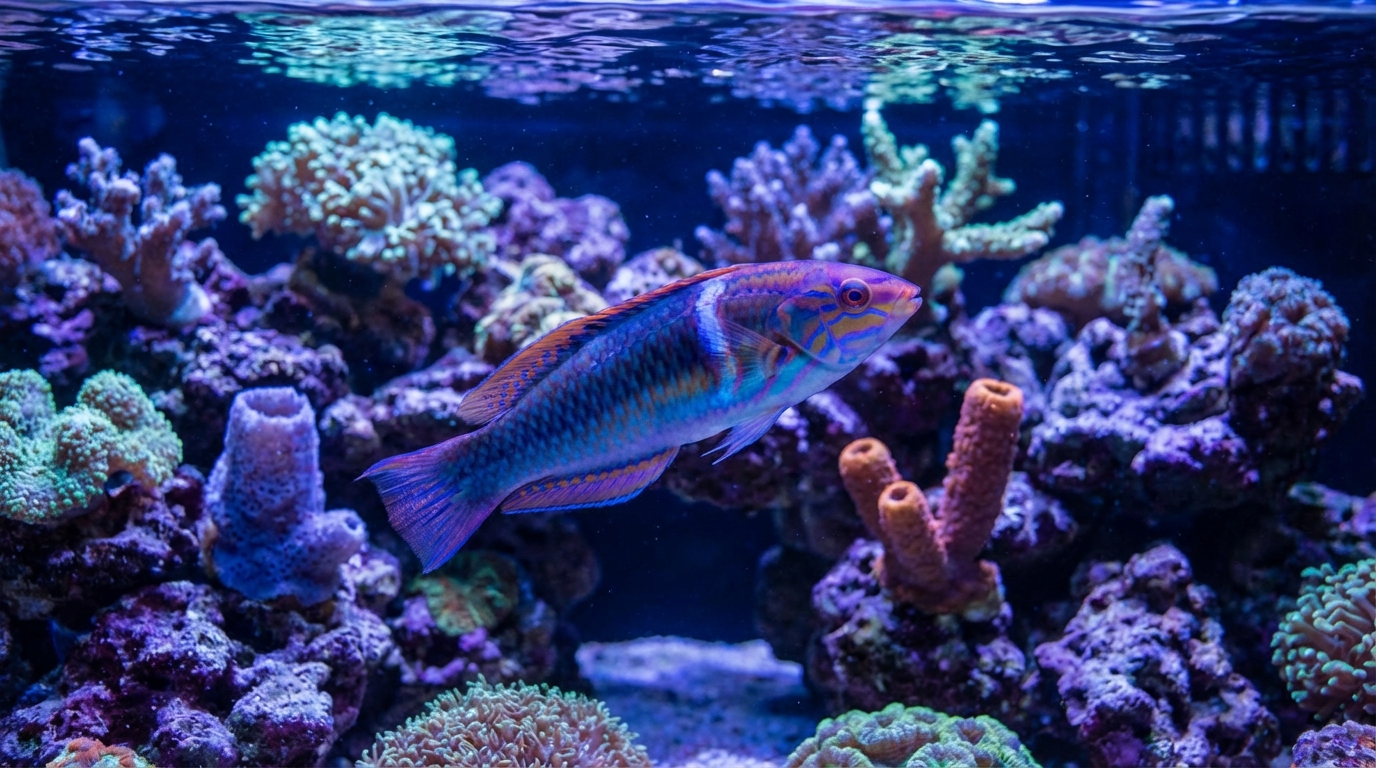
The best reef-safe wrasses for most tanks are the Six Line Wrasse for pest control, Yellow Coris Wrasse for beginners, Melanurus Wrasse for all-around hardiness, Fairy Wrasses for color, and Possum Wrasse for nano reefs. Choose by tank size, temperament, jumping risk, and whether the species needs sand, rockwork, or a copepod-rich tank.
Looking for a reef-safe wrasse that matches your tank size and stocking plan? This guide breaks down 8 proven wrasse options by temperament, minimum tank size, and real pest-control value so you can choose confidently and avoid common compatibility mistakes.
Why Add a Wrasse to Your Reef Tank?
Wrasses bring several benefits beyond their beauty:
- Pest control - Many wrasses eat flatworms, pyramidellid snails, bristleworms, and other pests
- Active swimmers - They add movement and life to your display
- Hardy - Most reef-safe wrasses adapt well to aquarium life
- Reef safe - Won't bother corals or most invertebrates
- Diverse selection - Hundreds of species from budget to premium
1. Six Line Wrasse (Pseudocheilinus hexataenia)
The Six Line Wrasse is the ultimate pest-control wrasse and a staple in many reef tanks.
- Tank size: 30+ gallons
- Temperament: Semi-aggressive
- Diet: Carnivore - mysis, brine shrimp, pellets
- Pest control: Excellent - eats flatworms, pyramidellid snails, bristleworms
- Price: Budget-friendly ($15-30)
Considerations: Six Lines can become territorial and bully smaller fish or other wrasses added later. Add them last to your tank.
2. Yellow Coris Wrasse (Halichoeres chrysus)
Also called the Golden Wrasse, this cheerful yellow fish is incredibly hardy and great for beginners.
- Tank size: 50+ gallons
- Temperament: Peaceful
- Diet: Carnivore - mysis, brine shrimp, pellets
- Special need: Sand bed for sleeping (buries at night)
- Price: Budget-friendly ($20-40)
Note: Yellow Coris Wrasses are sand-dwellers and WILL jump. A tight-fitting lid is essential.
3. Melanurus Wrasse (Halichoeres melanurus)
The Melanurus Wrasse is one of the best all-around wrasses for reef tanks - beautiful, hardy, and excellent at pest control.
- Tank size: 50+ gallons
- Temperament: Peaceful to semi-aggressive
- Diet: Carnivore - eats virtually anything
- Pest control: Excellent - flatworms, pyramidellid snails, bristleworms
- Price: Mid-range ($40-70)
Males develop stunning blue and green coloration. A top pick for mixed reef tanks.
4. Fairy Wrasses (Cirrhilabrus species)
Fairy Wrasses are the show-stoppers of the wrasse world. Males display incredible colors, especially when "flashing" for females.
- Tank size: 55+ gallons (varies by species)
- Temperament: Peaceful (keep one male per tank)
- Diet: Carnivore - frozen foods, quality pellets
- Popular species: Flame Wrasse, Scott's Fairy Wrasse, Carpenter's Wrasse
- Price: Mid to premium ($50-300+ depending on species)
Tip: Fairy Wrasses are prolific jumpers. A secure lid or mesh cover is absolutely required.
5. Mystery Wrasse (Pseudocheilinus ocellatus)
A stunning deep-water species with white stripes and a red body, the Mystery Wrasse is a hobbyist favorite.
- Tank size: 40+ gallons
- Temperament: Semi-aggressive
- Diet: Carnivore - meaty foods
- Pest control: Good - eats small pests
- Price: Premium ($100-180)
Mystery Wrasses prefer dimmer lighting and plenty of rockwork to hide in.
6. Leopard Wrasse (Macropharyngodon species)
Gorgeous spotted wrasses that are challenging but rewarding for experienced reefers.
- Tank size: 50+ gallons
- Temperament: Peaceful
- Diet: Specialized - requires live copepods and small inverts
- Difficulty: Advanced - picky eaters
- Price: Mid-range ($50-100)
Warning: Leopard Wrasses have a poor track record for survival in captivity unless your tank has an established copepod population. Not recommended for beginners.
7. Possum Wrasse (Wetmorella nigropinnata)
Perfect for nano tanks, Possum Wrasses are tiny, peaceful, and reef-safe.
- Tank size: 10+ gallons
- Temperament: Very peaceful
- Diet: Carnivore - small frozen foods
- Size: Max 3 inches
- Price: Mid-range ($40-70)
One of the few wrasses suitable for nano reef tanks. They're shy and prefer plenty of hiding spots.
8. Flasher Wrasses (Paracheilinus species)
Related to Fairy Wrasses, Flashers are known for their spectacular "flashing" displays where males show off for females.
- Tank size: 55+ gallons
- Temperament: Peaceful
- Diet: Carnivore - frozen and pellet foods
- Popular species: Carpenter's Flasher, McCosker's Flasher, Filamented Flasher
- Price: Mid to premium ($50-150)
Wrasse Care Tips
Jumping Prevention
Almost all wrasses are jumpers. Use a secure lid, mesh cover, or floating eggcrate to prevent losses.
Sand Bed
Many wrasses (Coris, Melanurus, Halichoeres) sleep buried in the sand. Provide at least 2-3 inches of fine sand.
Acclimation
Wrasses can be sensitive to shipping stress. Drip acclimate slowly and consider a quarantine period before adding to your display.
Feeding
Most wrasses are not picky eaters. Offer a varied diet of frozen mysis, brine shrimp, and quality pellets. Feed 2-3 times daily.
Where to Buy Wrasses
Browse wrasses on ReefBay from trusted sellers. Look for active fish with good coloration and no signs of damage.
Shop Reef-Safe Wrasses
Shop This Article
ReefBay picksFinal Thoughts
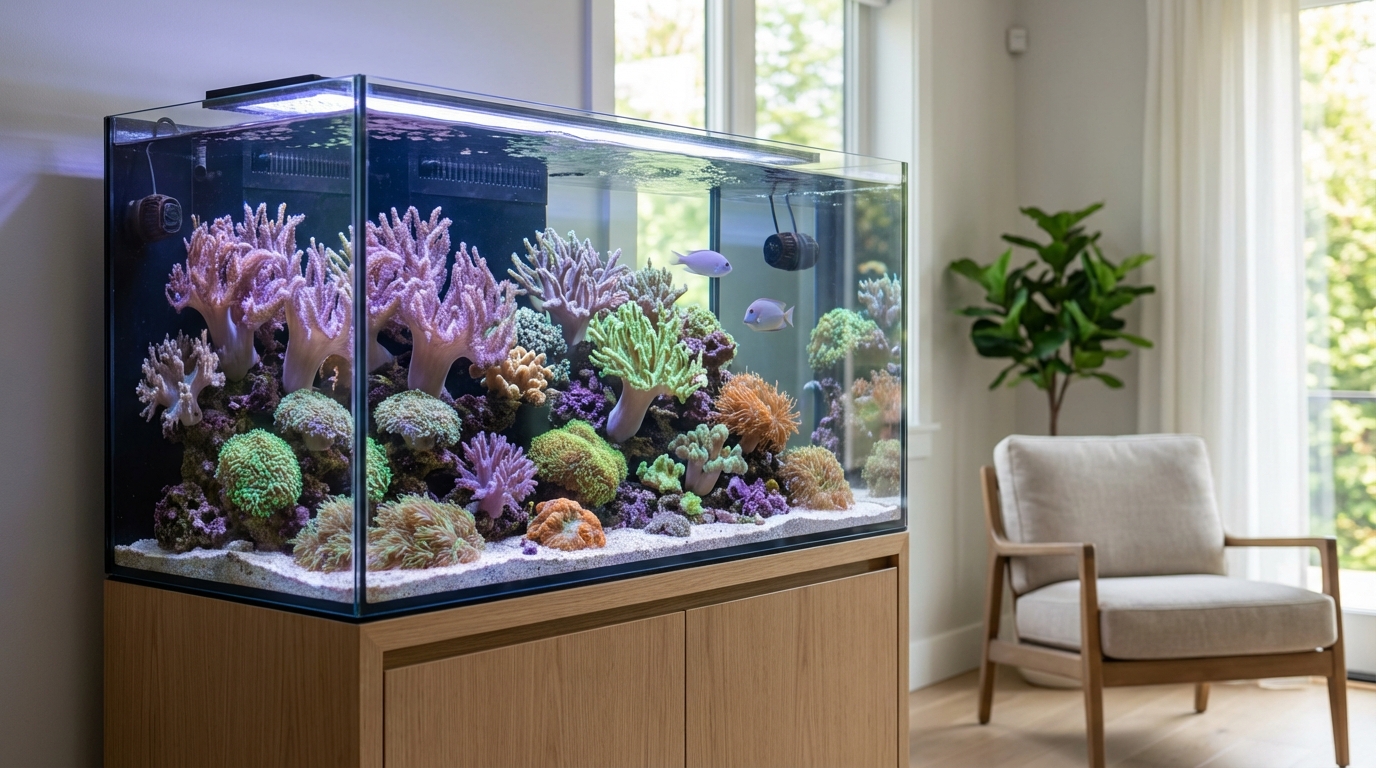
Wrasses are fantastic additions to reef tanks of all sizes. Whether you want a budget-friendly pest controller like the Six Line, a stunning showpiece like a Fairy Wrasse, or a nano-friendly option like the Possum Wrasse, there's a perfect wrasse waiting for your tank.
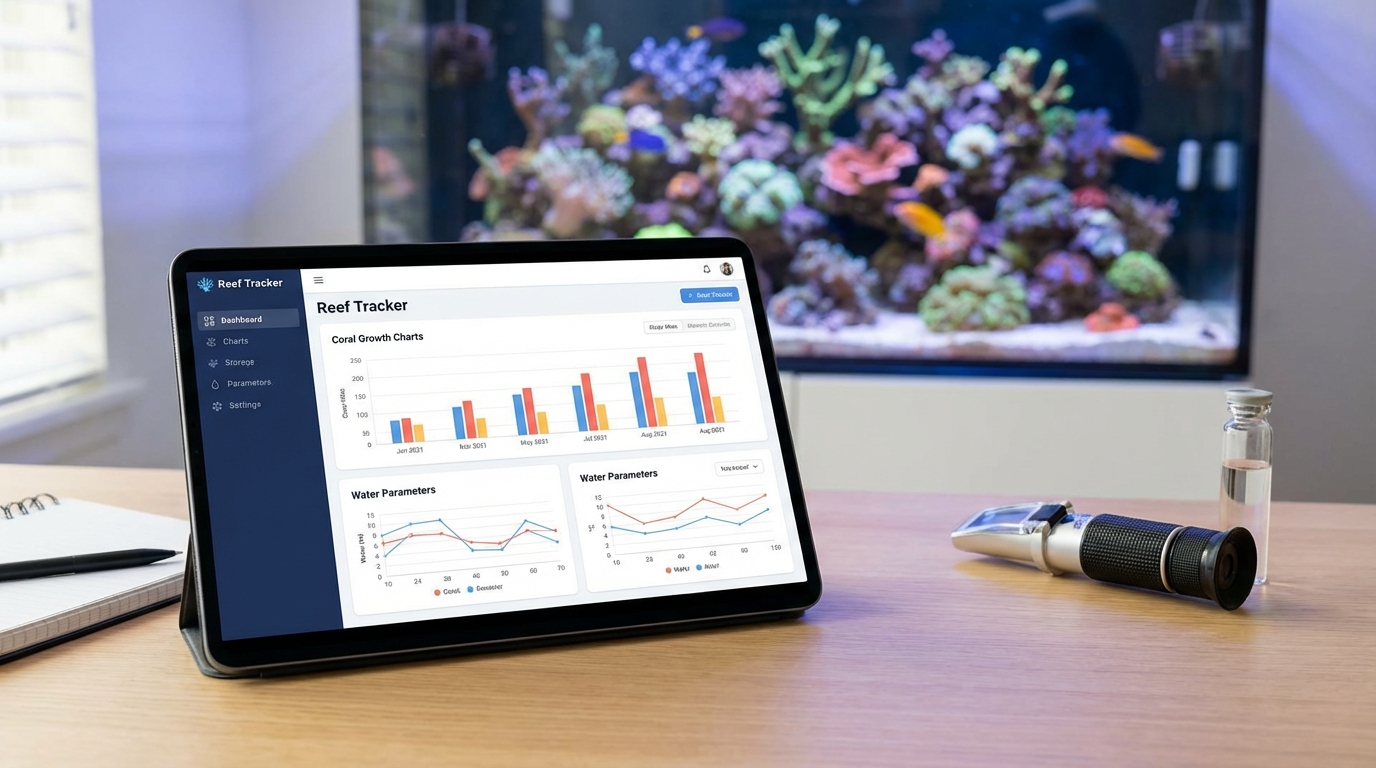
Ready to add a wrasse to your reef? Browse current wrasse listings on ReefBay, then use the ReefBay app to log acclimation, feeding response, and early compatibility notes in one place.