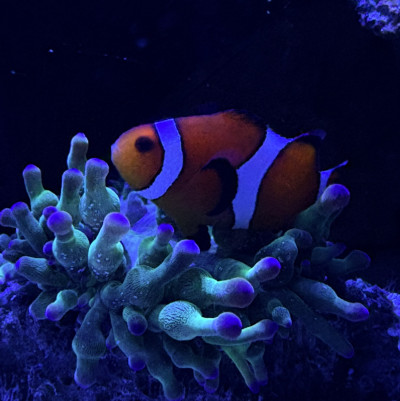
🐠🪸 Mi primer acuario marino – proyecto de arrecife DIY
¡Mi primer acuario marino, ya funcionando por 6 meses! Estoy aprendiendo todo por mi cuenta y diseñé y construí personalmente el sump, modifiqué el mueble e instalé yo mismo todo el sistema eléctrico, incluyendo iluminación interna, tres enchufes protegidos, interruptores automáticos y un monitor de consumo eléctrico.
El equipo incluye dos luces AI Hydra 32 HD, un skimmer Bubble Magus, bombas Jebao, un calentador de 100 W, refugium, bubble trap, top-off automático DIY y sensores, además de 35–40 kg de roca viva.
Actualmente viven ahí 16–17 peces, cangrejos, un camarón, un erizo de mar y caracoles.
🌊 Mi sueño es crear un arrecife hermoso lleno de corales coloridos. Todavía estoy aprendiendo, ¡así que cualquier consejo es bienvenido! 🙏🪸
🐠🪸 My First Marine Aquarium – DIY Reef Project
My first marine aquarium, now running for 6 months! I’m learning everything on my own and personally designed and built the sump, modified the cabinet, and installed the entire electrical system myself, including internal lighting, three protected power outlets, circuit breakers and an electricity consumption monitor.
Equipment includes two AI Hydra 32 HD lights, a Bubble Magus skimmer, Jebao pumps, a 100 W heater, refugium, bubble trap, DIY automatic top-off and sensors, plus 35–40 kg of live rock.
Currently home to 16–17 fish, crabs, a shrimp, a sea urchin and snails.
🌊 My dream is to create a beautiful reef full of colorful corals. I’m still learning, so any advice is welcome! 🙏🪸
Comentarios
Inicia sesión para dejar un comentario
Todavía no hay comentarios
Sé el primero en iniciar la conversación.

¿Cuántos galones tiene tu acuario? Yo tengo un breeder de 60g con 7 peces pequeños, 2 erizos, algunos caracoles, un camarón limpiador, una estrella de mar que tamiza la arena, una babosa de mar, una anémona de punta burbuja que no parece sentirse muy bien, y varios corales blandos, algunos van bien y otros no tanto. Un amigo me dijo que no agregara más peces porque ya estoy sobrepoblado. ¿Lo estoy?
How many gallons is your tank? I have a 60g breeder with 7 smaller fish, 2 urchins, a few snails, a cleaner shrimp, a sand sifting star, a sea slug, a bubble tip anemone that doesn’t look like it feels too good, and a number of soft corals, some doing well and some not so much. A friend told me not to ad anymore fish as I’m over stocked as it is. Am I?
@AngyReef
10d
¡Hola! Tengo un acuario de 230 litros (aprox. 61 galones estadounidenses) y un sump de 100 litros (aprox. 26 galones estadounidenses). Tengo alrededor de 16 peces, además de: * 1 Bubble Tip Anemone (Entacmaea quadricolor) * 1 estrella de mar * 2 camarones * 1 cangrejo * 2 cangrejos ermitaños * 1 erizo de mar * Varias corales blandos y algunos corales LPS/SPS. Todavía soy principiante en el hobby, ¡pero todos mis peces están bien, y mis corales también! Las anémonas son lo más difícil de mantener. Ya perdí dos, porque son muy sensibles. He perdido algunos corales por mi falta de experiencia, pero poco a poco voy aprendiendo. Tienes que mantener bajo control los niveles de magnesio, calcio, salinidad y fosfato. Estos son algunos de los primeros parámetros que pueden causar estrés en los corales y anémonas si están desequilibrados.
Hi! I have a 230-litre aquarium (about 61 US gallons) and a 100-litre sump (about 26 US gallons). I have around 16 fish, plus: * 1 Bubble Tip Anemone (Entacmaea quadricolor) * 1 starfish * 2 shrimp * 1 crab * 2 hermit crabs * 1 sea urchin * Several soft corals and a few LPS/SPS corals. I’m still a beginner in the hobby, but all my fish are doing well, and so are my corals! Anemones are the most difficult to keep. I’ve already lost two, as they are really sensitive. I’ve lost a few corals due to my lack of experience, but I’m gradually learning. You need to keep magnesium, calcium, salinity, and phosphate levels under control. These are some of the first parameters that can cause stress to corals and anemones if they are out of balance.
Gracias. Yo también soy principiante. Mi acuario lleva funcionando 11 meses. Seguro algunos de mis parámetros están fuera de rango. Todos los peces están muy bien. Algunos corales están bien, pero otros obviamente están estresados. No tengo sump, así que todo es una instalación sencilla. Aprendiendo día a día. Mi amigo es perfeccionista y se considera experto en agua salada así que 🤷♀️. Voy a ganar algunas y perder otras, es la naturaleza del hobby. Aprendes algo nuevo sobre esto todos los días.
Thank you. I am also a beginner. My tank has been up and running for 11 months. I’m sure some of my parameters are off. All fish are doing great. Some corals are doing good but some are obviously stressed. I don’t have a sump so everything is a simple set up. Learning day by day. My friend is a perfectionist and considers himself an expert on saltwater so 🤷♀️. I will win some and lose some, it’s the nature of the hobby. You learn something new about it everyday.
@AngyReef
10d
Yo tampoco tenía sump al principio. Tenía un skimmer de proteínas interno Tunze. Pero luego me di cuenta de lo difícil que era manejar un acuario sin sump. Decidí cambiar el mueble manteniendo el mismo acuario, sin perforar ningún agujero en el vidrio. Usé una Tunze Overflow Box 1074/2 para drenar el agua del acuario al sump, y una bomba de retorno para bombear el agua de vuelta al tanque. ¡Fue un cambio total! Es mucho más fácil mantener estables los parámetros del agua, y puedes usar medios para remover fosfato en un reactor, lo cual es mucho más difícil de manejar sin un sump. Te recomendaría considerar esta modificación en el futuro. Si no quieres reemplazar tu acuario, puedes usar una caja de rebosadero externa como la mía sin tener que perforar ningún agujero en el tanque. ☺️✌️
I didn’t have a sump at first either. I had an internal Tunze protein skimmer. But then I realized how difficult it was to manage an aquarium without a sump. I decided to change the cabinet while keeping the same aquarium, without drilling any holes in the glass. I used a Tunze Overflow Box 1074/2 to drain the water from the aquarium into the sump, and a return pump to pump the water back into the tank. It was a game changer! It’s much easier to keep the water parameters stable, and you can use phosphate-removing media in a reactor, which is much more difficult to manage without a sump. I’d recommend considering this modification in the future. If you don’t want to replace your aquarium, you can use an external overflow box like mine without having to drill any holes in the tank. ☺️✌️
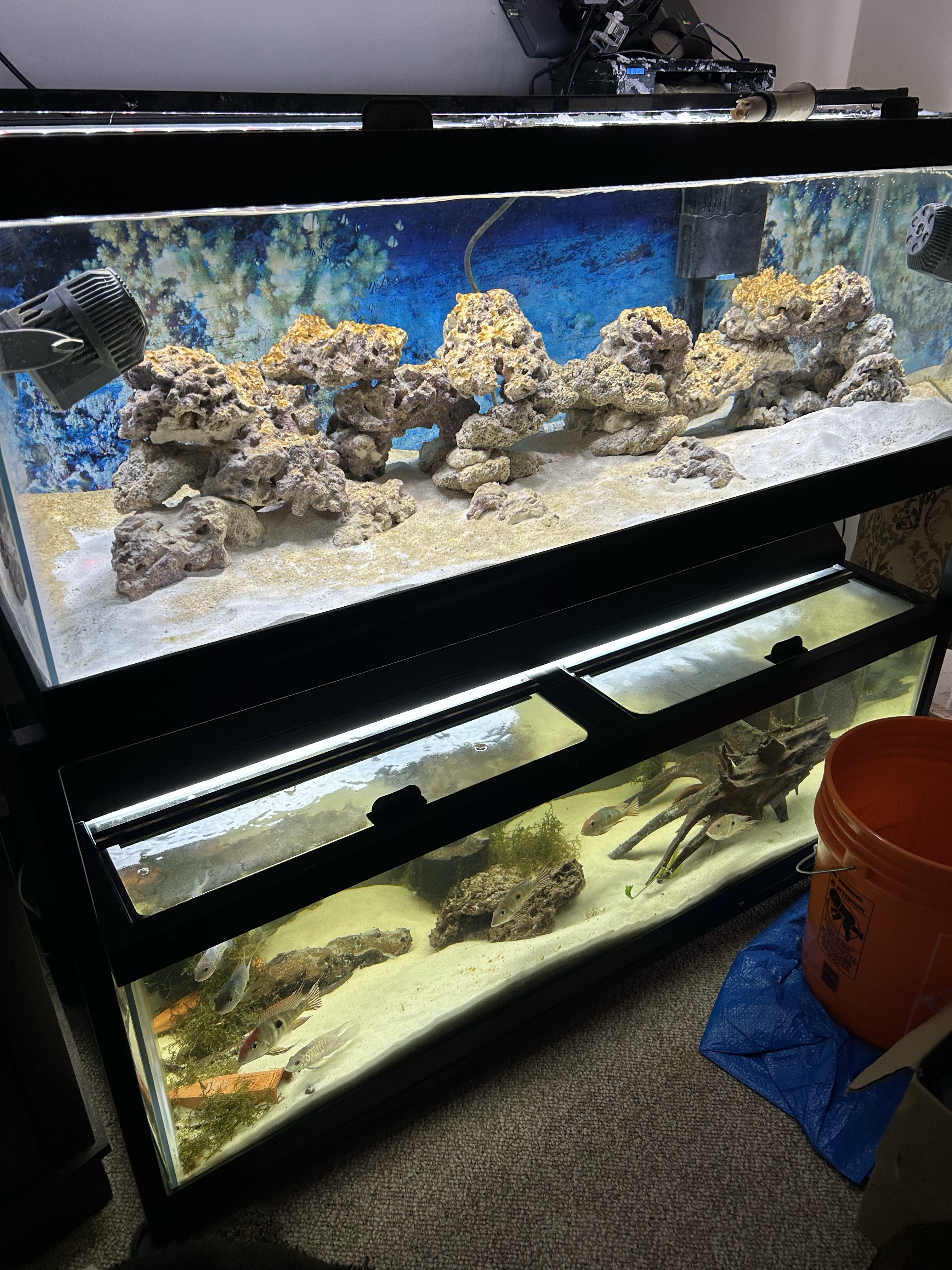
Compré un sump usado de 30g pero necesito perforar mi acuario. La instalación que tienes está bien, pero he oído que esa instalación puede inundarse si se va la luz. Tampoco estoy seguro de cómo la montaría ya que mi acuario es un montaje apilado de dos 60g breeders. La foto es antes de que tuviera nada adentro. El acuario de arriba es de agua salada, el de abajo es de agua dulce.
I bought a 30g used sump but need to get my tank drilled. The set up you have is nice but I’ve heard that that set up can flood if the power goes out. Also not sure how I’d set it up since my tank is a stack set of two 60g breeders. The pic is before I had anything in it. Too tank is saltwater, bottom tank is freshwater.
@AngyReef
9d
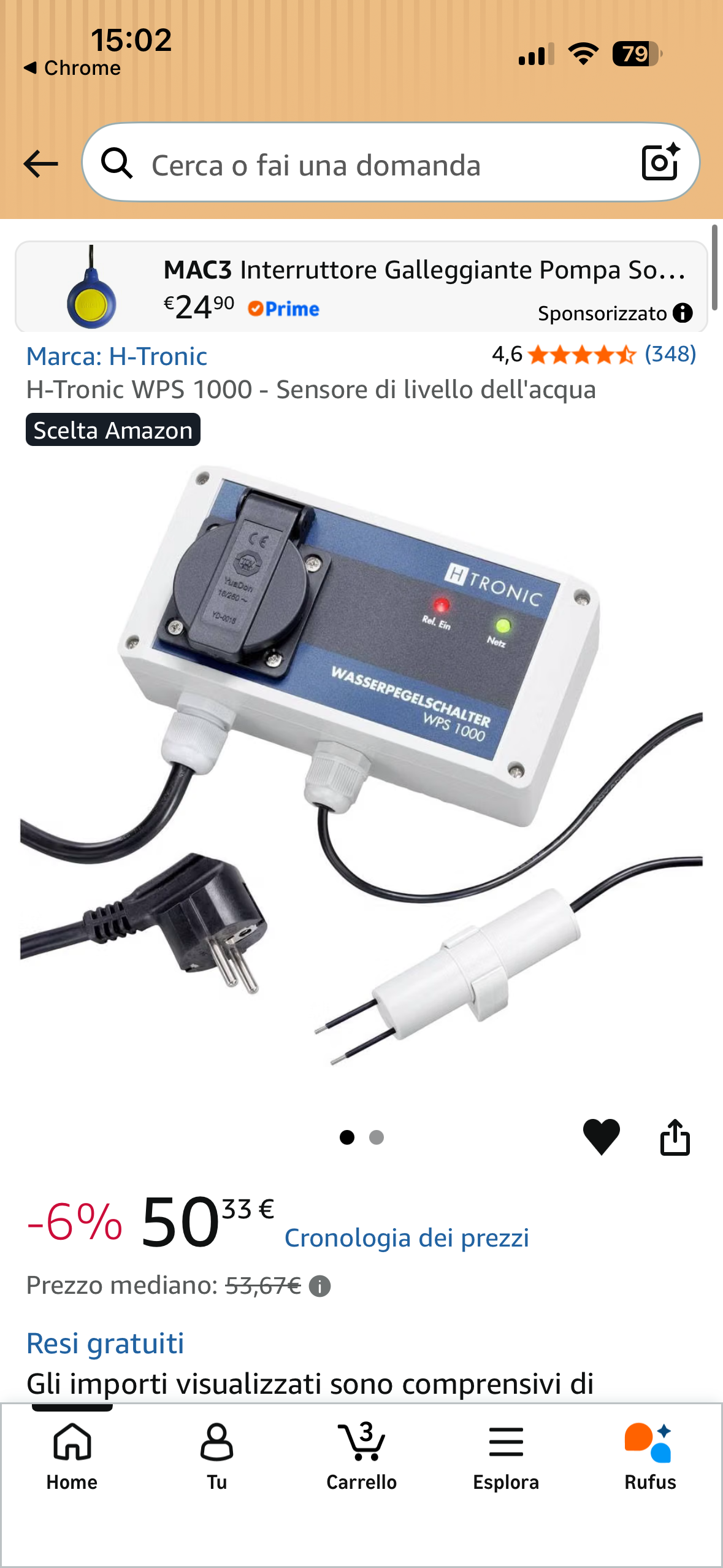
No inundar la casa! 😂 Si se va la luz, la bomba de retorno se apaga. El agua sigue drenándose al sump, pero hay suficiente capacidad extra para recoger el agua restante hasta que el nivel de agua en el acuario principal baje lo suficiente para que el overflow deje de drenar. En caso de un corte de luz, el nivel de agua en el sump sube como máximo 4 cm. (Ya lo probé.) Sin embargo, si el overflow de alguna manera se tapa y deja de drenar agua al sump, la bomba de retorno seguiría bombeando agua al acuario principal, creando riesgo de inundación. Pero con mi configuración, eso es prácticamente imposible porque instalé un interruptor de flotador llamado WPS 1000. Cuando el sensor entra en contacto con el agua, activa un circuito eléctrico que corta de inmediato la energía a la bomba de retorno. La bomba no volverá a arrancar hasta que el nivel de agua baje por debajo de los dos contactos del sensor. Diseñé todo el sistema para protegerlo tanto de cortes de luz como de bloqueos. 🤣 ¡Ahora puedo dormir tranquilo! 😎
No flooding the house! 😂 If the power goes out, the return pump shuts off. Water continues to drain into the sump, but there is enough spare capacity to collect the remaining water until the water level in the main tank drops low enough for the overflow to stop draining. In the event of a power outage, the water level in the sump rises by a maximum of 4 cm. (I’ve already tested it.) However, if the overflow somehow gets clogged and stops draining water into the sump, the return pump would continue pumping water into the main tank, creating a risk of flooding. But with my setup, that’s practically impossible because I’ve installed a float switch called the WPS 1000. When the sensor comes into contact with water, it triggers an electrical circuit that immediately cuts power to the return pump. The pump won’t start again until the water level drops below the sensor’s two contacts. I’ve designed the whole system to protect against both power outages and blockages. 🤣 Now I can sleep peacefully! 😎
¡Wow! Qué buen montaje. Tal vez tenga que investigarlo. Gracias. 😊
Wow! Sweet setup. Might have to look into that. Thanks. 😊
Inicia sesión para unirte a la conversación.





¡De verdad, un setup DIY impresionante!
Seriously impressive DIY setup!