
¿Algún consejo? Llevo unas semanas peleándome con lo que he asumido que eran dinoflagelados hasta ahora. Ya los tuve una vez antes, pero aquellos tenían un aspecto y se comportaban distinto a los que tengo ahora. Y eran más fáciles de tratar. Simplemente asumí que era otra cepa. Debería haber hecho una foto, pero subiré una esta noche. Empiezo a pensar que tengo otra cosa. Son marrones, filamentosos, grumosos y largos/ondulados con la corriente. Pero lo raro es que no tienen muchas burbujas y SOLO están en las rocas. No tocan el sustrato. He hecho tres apagones totales de 3 días. Parecen desaparecer o casi desaparecer y luego, en unos dos días, vuelven enseguida. Se multiplican muy rápido. Son blandos y se quitan de las rocas al frotar. ¿Qué pensáis?
Advice? I’ve been battling what I’ve assumed to be dinoflagellates up until this point for a few weeks. I’ve had them once before but those looked and acted different than what I have now. And those easier to deal with. I just assumed this was a different strand. I should have taken a picture but I’ll add one tonight. I’m starting to think I have something else. They are brown, stringy and clumpy and long/wavy in the waves. But the weird part is that they don’t really have many bubbles and they are ONLY on my rocks. They won’t touch the substrate. I’ve done a 3 day total blackout three times. They look gone or near gone then in about two days come right back. They multiply very fast. They are soft and scrub right off the rocks. Thoughts?
Comentarios
Inicia sesión para dejar un comentario
Todavía no hay comentarios
Sé el primero en iniciar la conversación.
@MalEficent
1y
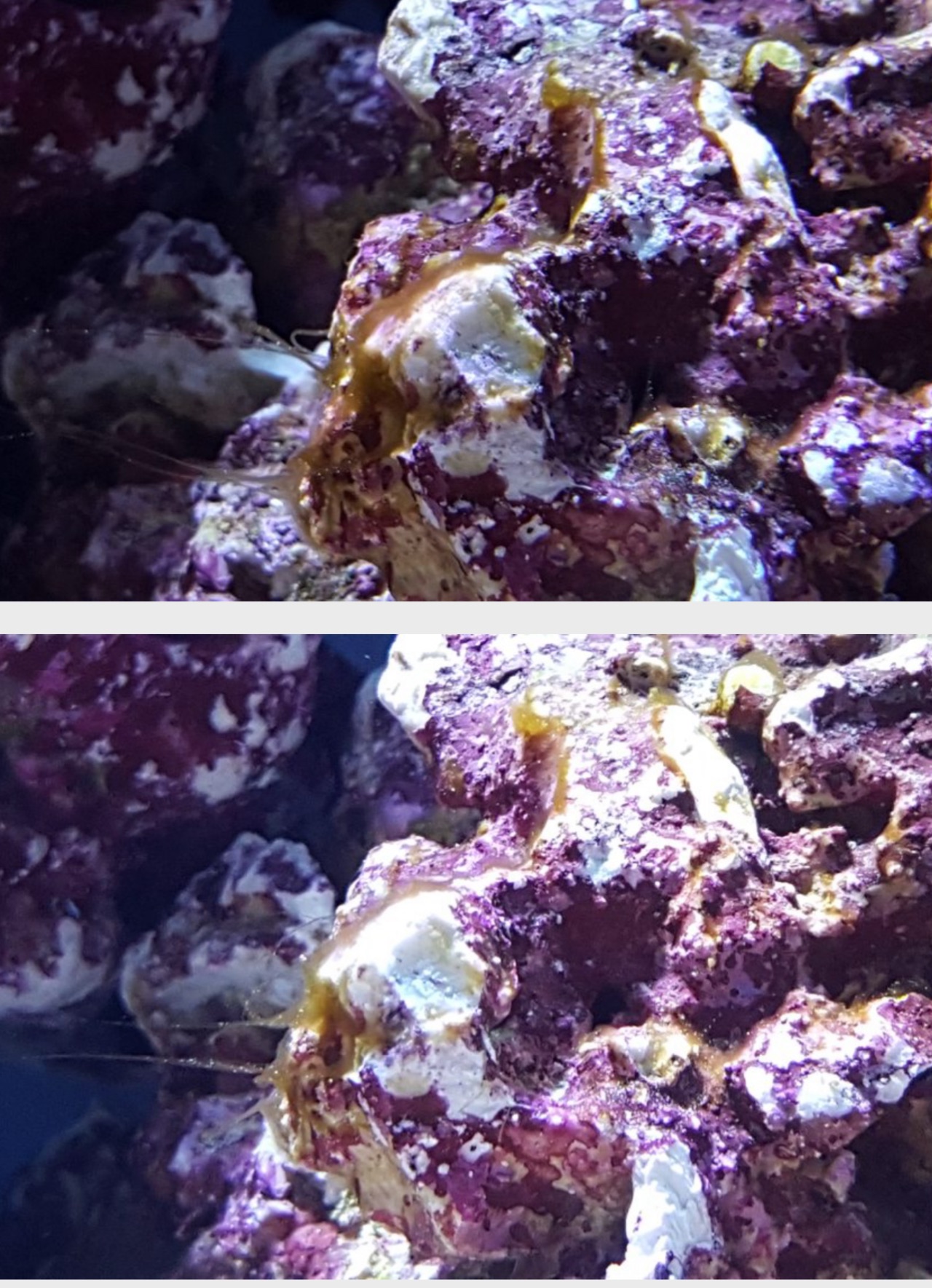
ESTE NO es mi acuario, pero esta es la foto más parecida a lo que tengo. Pero en este hilo él los tiene en el sustrato y el mío no.
This is NOT my tank but this is the closest picture to what I have. But this thread he has them on his substrate but mine isn’t.
 @BradMac5618
1y
Los dinos son una mierda, así que lo entiendo. Yo personalmente tengo una serie de pasos que sigo cuando intento tratarlos Primero están los nutrientes. Los dinos prosperan en acuarios con pocos nutrientes y poca biodiversidad. No hay nada que les compita. El paso uno es subir un poco los nitratos y los fosfatos para ver si una diversidad más natural empieza a competir con ellos. El paso dos es intentar la depredación y la eliminación. Los copépodos y anfípodos son capaces de comerse algunas especies de Dino, pero no todas. Añade algunos y mira si ayuda. Al mismo tiempo, usa una calcetín o almohadilla filtrante y sifona la arena o las rocas hacia esa filtración mecánica. Yo engancho un calcetín al sump para no estar cambiando realmente el agua, pero sí estoy quitando la porquería.
Dinos suck so I get it. Myself personally I have a series of steps I take when trying to treat for dinos First is nutrients. Dinos thrive in low nutrient low biodiversity tanks. There's nothing outcompeting them. Step one is raise your Nitrates and Phosphates some to see if the more natural diversity will begin to out compete. Step two is attempt predation and removal. Copepods and amphipods are capable of some species of Dino but not all. Add some and see if it helps. At the same time take a filter sock or pad and siphon the sand or rocks into that mechanical filtration. I clip a sock to the sump so I'm not actually changing the water but I am removing the nasties.
@BradMac5618
1y
Si eso falla, entonces recurro al apagón. Un apagón de 3 días casi nunca es suficiente para matar o incluso dañar a la mayoría de tipos de Dino. Hay una cepa que sé que dura más de 9 días. En casos extremos he sacado los corales a un acuario qt. He dejado la urna principal a oscuras al menos 1 semana completa, si no 2. Que visualmente parezcan haber desaparecido durante ese proceso no significa que lo estén. Cualquier coral que vuelva al acuario habrá sido sumergido 2 - 4 veces durante el apagón y una vez más justo antes de volver. Esto me ha dado el mayor éxito a largo plazo para que los dinos no vuelvan en los meses posteriores a un apagón. Puntos clave después del tratamiento. No dejes que los nutrientes bajen demasiado. (En mi opinión, menos de 5 nitratos y menos de 0.05 fosfato es como la zona de peligro) (opinión en la práctica, no ciencia) Y cualquier cosa nueva que metas en el acuario debería ser bañada. Esto ayuda con mucho más que los Dinos, pero a menudo los dinos o las planarias son lo que empuja a los aficionados a ir por la vía de los baños. Espero que esto ayude; si alguien tiene otras prácticas o tiene algún problema con mis respuestas, que me lo diga.
If these fail that's when I resort to blackout. 3 day black out is almost never enough to kill or even dent most types of Dino. 1 strain I know lasts longer then 9 days. In extreme cases I have removed corals to a qt tank. Blacked out the display for at least 1 entire week if not 2. Just because they may be visually gone throughout that process doesn't mean they are. Any corals going back into the display will have been dipped 2 - 4 times over the course of the blackout and once again right before returning. This has offered me the highest long term success with not having dinos return within the months following a black out. Key things post treatment. Do not let your nutrients get too low. (My opinion is less then 5 nitrates and less then 0.05 phospate is kind of the danger zone) (opinion in practice not science) And any new addtions to the tank should be dipped. This helps with far more then Dinos but often dinos or flatworms is what starts reefers In the dipping direction. Hope this helps if anyone has other practices or has any issues with my responses let me know.
@MalEficent
1y
¡Gracias! Tengo los nitratos y fosfatos altos para intentar combatirlos y tengo bastantes peces, corales e invertebrados, además de una población sólida de pods para mi mandarin. Cuando tuve dinos antes, eso combinado con un apagón los eliminó bastante fácilmente. Puede que tenga que ir a por un apagón prolongado como sugeriste o mirar si no son dinos en absoluto. No están en la arena, lo cual me parece raro. Aunque no sé qué otra cosa podría ser.
Thank you! I have my nitrates and phosphates elevated to try to combat them and I have a fair amount of fish, corals and inverts and a robust population of pods for my mandarin. When I had dinos before, that combined with a blackout got rid of them fairly easily. I might have to go with an extended blackout like you suggested or look into it not being dinos at all. They aren’t on the sand which is weird to me. Not sure what else it could be though.
@BradMac5618
1y
Hay algunas cepas que están más cómodas en las rocas, pero viendo tu lista de ejemplares tienes muchas cosas removiendo la arena, y eso ayuda a que no se asiente ahí
There are some strains that are more comfortable on the rocks but also looking at your stock List you have alot of things turning your sand over which help prevent it settling there
 @Zak50748
1y
Los apagones no funcionan. Solo hacen que entren en hibernación. Todo lo demás que dijo fue acertado. La única forma realmente rápida de vencerlos es saber qué especie tienes. De verdad necesitas un microscopio. O pedir uno prestado a un amigo. Porque y si no es Dino. Y aunque lo sea, distintas especies necesitan distintos tratamientos. Por ejemplo, Ostreopsis se puede tratar con una bomba esterilizadora UV. A otras no les ayuda. Moe Kayed, de 3d reefing, creó una varilla UV que funciona con otras especies de Dino que no migran a la columna de agua. Simplemente mantienes la varilla a una pulgada por encima del Dino y los quema. Una tercera opción es subir tus nutrientes y dosificar bacterias y silicatos para fomentar el crecimiento de diatomeas y que compitan con el Dino. La última opción es Dino x. El tratamiento químico. Funciona, pero a menudo dañará el coral. Normalmente afecta más a los corales SPS. Los corales blandos, de hecho, se llevan bastante bien con Dino x.
Black outs don’t work. All they do is make them go into hibernation. Everything else he said was on point. The only way true fast way to beat them is to know what species you have. You really need a microscope. Or to borrow from a friend. Because what if it’s not Dino. And even if it is diff species need diff treatments. For instance. Ostreopsis can be handled with a uv light sterilizer pump. Others it won’t help. Moe Kayed from 3d reefing created a UV wand that works on the other species of Dino that doesn’t migrate into water colum. You simply hold the wand an inch above the Dino and it cooks them. A 3rd option is raising your nutrients and dosing bacteria and silicates to spur diatoms to grow and they will outcompete the Dino. The last option is Dino x. The chemical treatment. It works but will often hurt the coral. Usually hurts sps coral more. Soft corals actually fare well with Dino x.

Les gané a los dinos usando un esterilizador UV, sin cambios de agua y aumentando la alimentación. Eso permitió que mis nutrientes volvieran a subir y que las algas contraatacaran a los dinos
Won against dinos using a UV sterilizer, no water changes, and increased feedings. That allowed my nutrients to go back up and algae to fight back against the dinos
@MalEficent
1y
Ya llevo semanas haciendo eso sin ninguna mejoría. Sea lo que sea, mis cangrejos ermitaños azules se lo comen, pero crece tan rápido que apenas consiguen hacerle mella
Been doing that already for a few weeks with no improvement. Whatever it is my blue hermits eat it but it just grows so quickly that they can barely make a dent
Los cangrejos ermitaños azules no deberían poder comerse los dinos, salvo que tengas los realmente pequeñitos. Te recomiendo esos microscopios baratos para niños (200x), creo, y puedes identificar con precisión los dinos. A partir de ahí, reef2reef tiene una guía completa para cada uno
Blue hermits shouldn’t be able to eat dinos unless you got the really tiny ones. I recommend those cheap microscopes for kids (200x) I think and u can get an accurate identification for the dinos. From there reef2reef has a whole guide for each one
Normalmente muere mucho CUC porque se comen los dinos tóxicos. ¿Estás usando carbón o no?
Normally lots of CUC die cause they eat the toxic dinos. Are you running carbon or no?
Inicia sesión para unirte a la conversación.
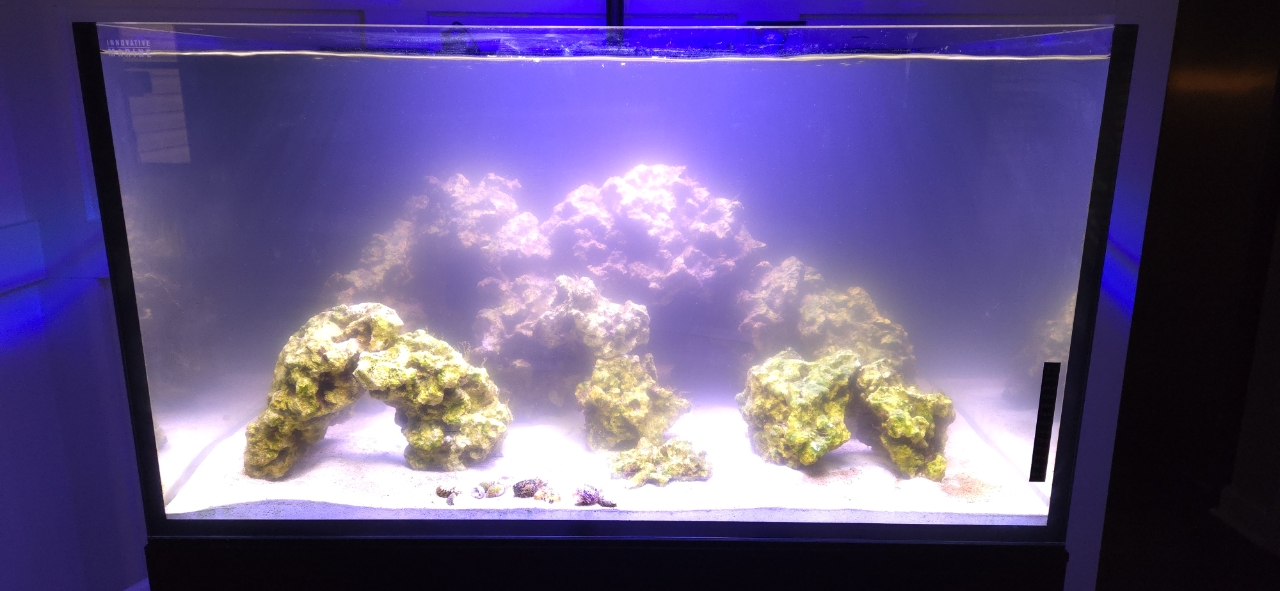
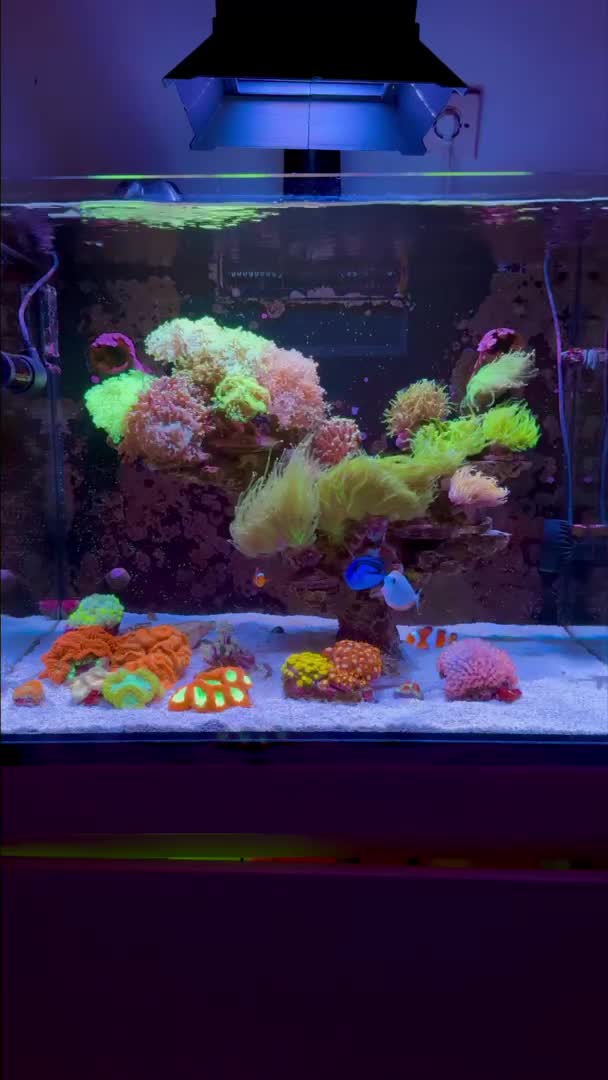
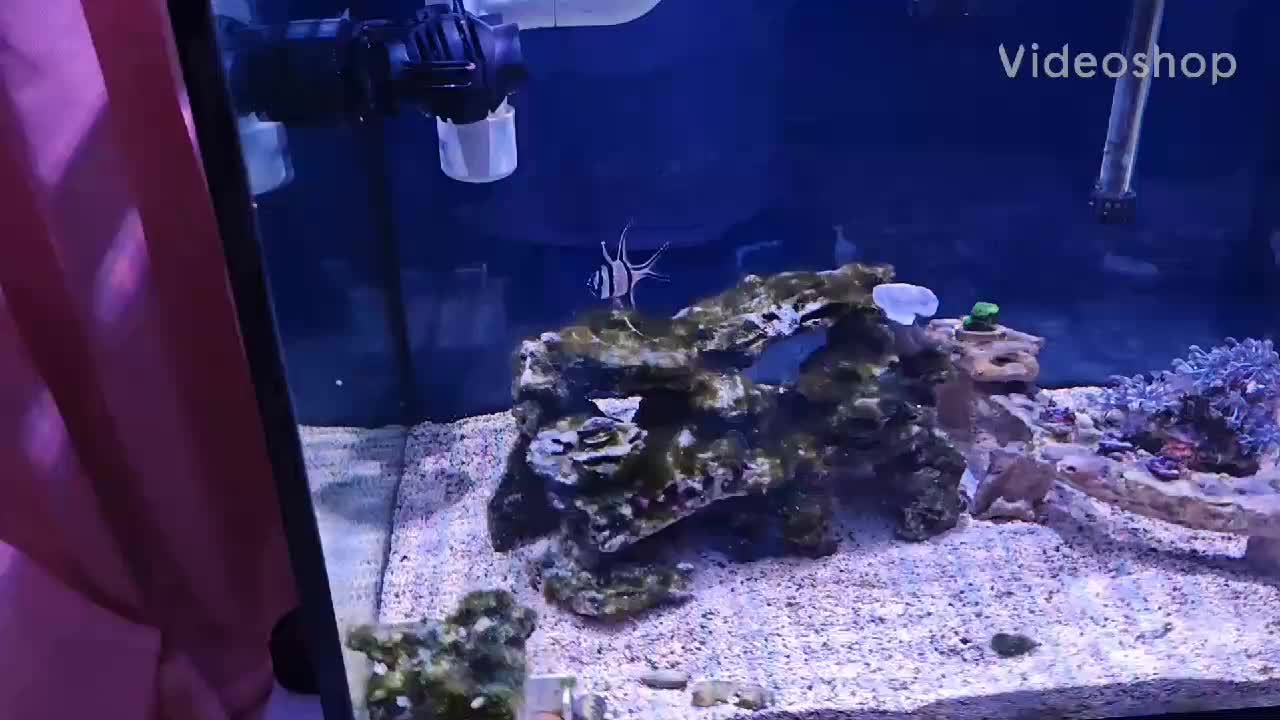
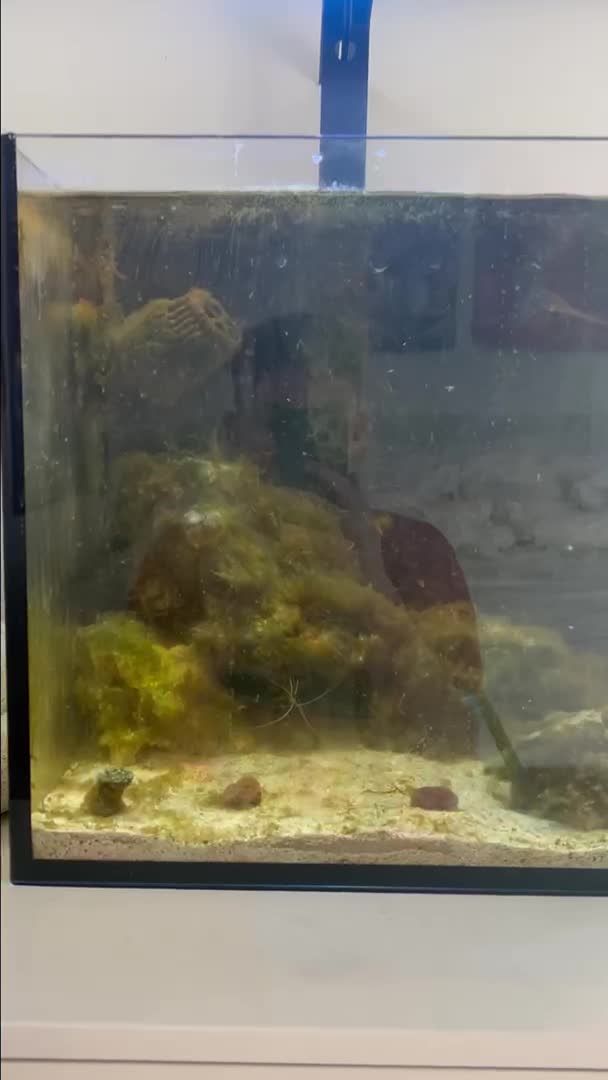
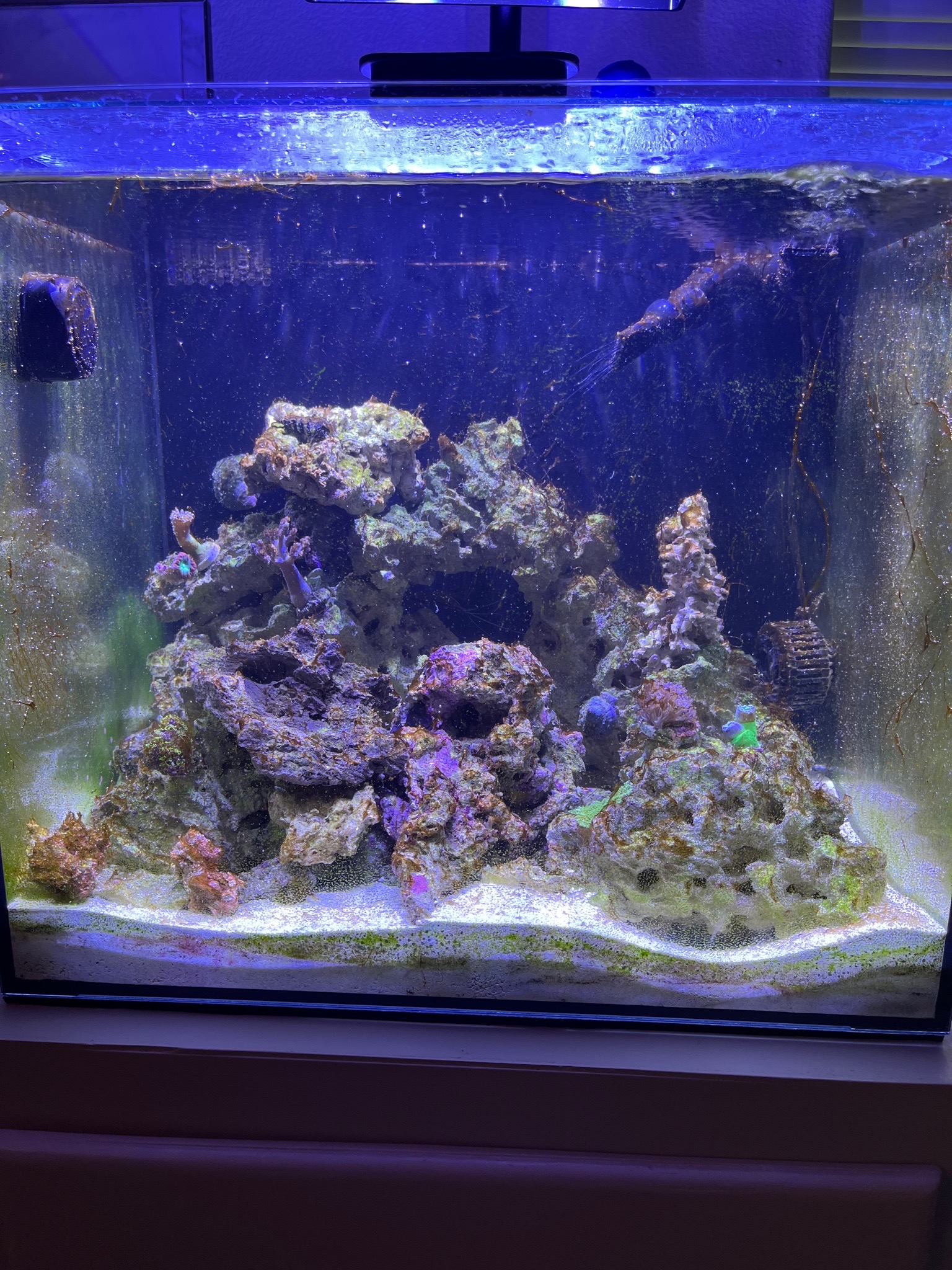
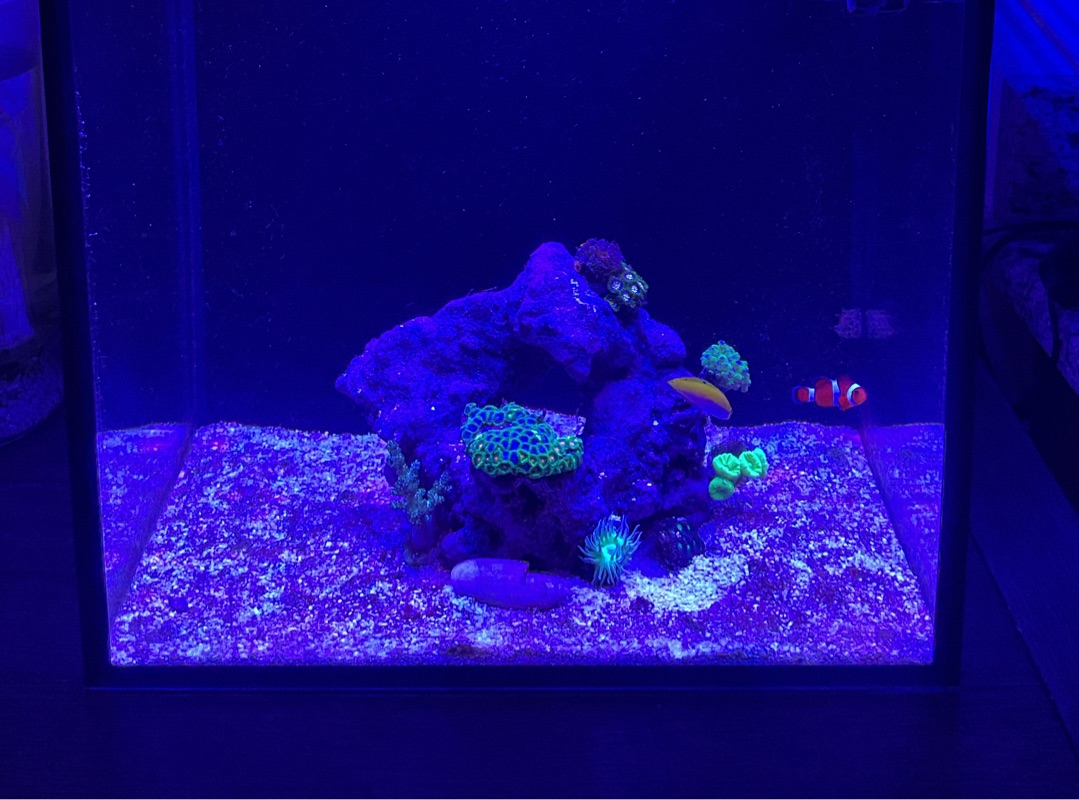



Además, llevo el UV 24/7 y he dosificado microbacter 7 de vez en cuando, y esta mañana he dosificado clean. ¡Estos mocos marrones son de verdad un incordio! Jaja
Also, I run UV 24/7 and have been intermittently dosing microbacter 7 and just dosed clean this morning. These brown snot boogies are really getting annoying! Haha