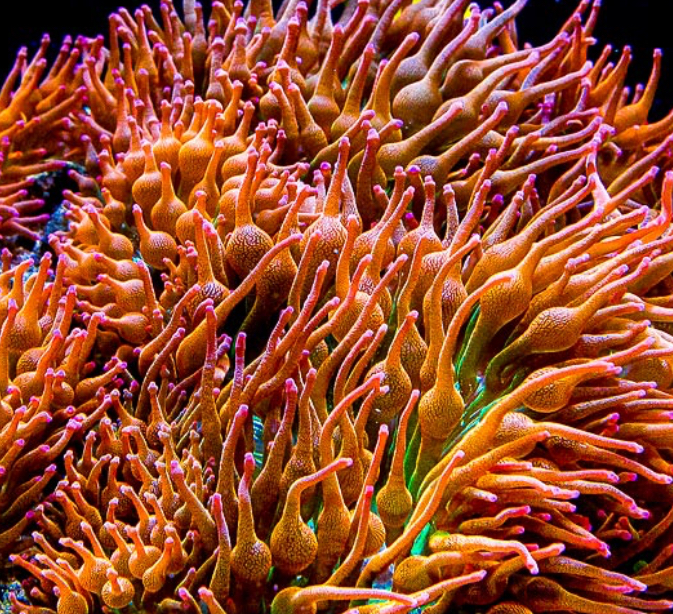
The bubble tip anemone (BTA) is one of the most popular anemone species in the reef aquarium hobby. Known scientifically as Entacmaea quadricolor, BTAs are prized for their hardiness, stunning colors, and willingness to host clownfish. Whether you're dreaming of recreating that iconic Finding Nemo scene or simply want to add a stunning invertebrate to your reef, this comprehensive guide will help you succeed with bubble tip anemones.
Understanding Bubble Tip Anemones
Bubble tip anemones get their name from the distinctive bulbous tips on their tentacles, though these "bubbles" don't always appear. The bubbles are more common in anemones kept under lower light or those that are well-fed. BTAs come in a variety of colors including green, rose, rainbow, and the rare "sunburst" varieties.
BTA Color Varieties
- Green BTA: Most common, affordable, and hardy
- Rose BTA: Pinkish-red coloration, highly sought after
- Rainbow BTA: Multiple colors including greens, purples, and reds
- Sunburst BTA: Orange and yellow coloration, rare and expensive
- Black Widow BTA: Dark purple/black with contrasting tips
Tank Requirements for Bubble Tip Anemones
BTAs are considered one of the more forgiving anemone species, but they still require stable, mature reef conditions.
Minimum Tank Size
A minimum of 30 gallons is recommended for a single BTA, though larger is always better. Anemones can grow up to 12 inches in diameter under ideal conditions, and they need room to move if they're unhappy with their placement.
Tank Maturity
Critical: Only add a BTA to a tank that's been running for at least 6-12 months. Anemones are sensitive to parameter swings and need the biological stability that comes with a mature system.
Ideal Water Parameters
Bubble tip anemones require pristine, stable water conditions. Use the ReefBay app to track your parameters and maintain consistency.
Recommended Parameters
- Temperature: 76-82°F (optimal 78-80°F)
- Salinity: 1.024-1.026 specific gravity
- pH: 8.1-8.4
- Alkalinity: 8-12 dKH
- Calcium: 400-450 ppm
- Magnesium: 1250-1350 ppm
- Nitrate: <10 ppm (some nitrate is beneficial)
- Phosphate: <0.1 ppm
- Ammonia/Nitrite: 0 ppm
Lighting for Bubble Tip Anemones
BTAs host zooxanthellae algae and require adequate lighting for photosynthesis. They're more adaptable than many corals but still need proper light levels.
PAR Requirements
- Minimum: 100-150 PAR
- Ideal: 150-300 PAR
- Maximum: 400+ PAR (with proper acclimation)
Light Spectrum
BTAs do well under a variety of lighting including LEDs, T5s, and metal halides. A spectrum in the 14,000-20,000K range brings out their colors best. Blue supplementation enhances fluorescence in many color varieties.
Light Acclimation
When introducing a new anemone, start it in a lower light area and gradually increase exposure over 2-4 weeks. Anemones that have been in transit may have experienced stress and need time to recover.
Flow Requirements
Bubble tip anemones prefer moderate, indirect flow. Their tentacles should gently sway but not be pinned down or whipped around violently.
- Too little flow: Detritus accumulation, poor gas exchange
- Too much flow: Stress, inability to capture food, tentacle damage
- Just right: Gentle swaying motion, tentacles relaxed and extended
Placement and Movement
One of the most challenging aspects of keeping anemones is that they move. Unlike corals that stay where you place them, anemones will wander until they find a spot they like.
Initial Placement Tips
- Place the anemone in a crevice or against rockwork where it can attach its foot
- Choose a spot with appropriate light and flow
- Don't be surprised if it moves within the first few days
- Cover powerhead intakes with foam guards to prevent anemone injury
Why Anemones Move
- Searching for better light
- Unhappy with flow
- Poor water quality
- Seeking a more secure attachment point
- Avoiding aggressive tank mates
A BTA that has found its "happy spot" and stopped moving is a good sign of a healthy, settled anemone.
Feeding Bubble Tip Anemones
While BTAs can survive on light alone, regular feeding promotes growth, health, and vibrant coloration.
What to Feed
- Mysis shrimp: Excellent staple food, easy to target feed
- Brine shrimp: Good for smaller anemones, less nutritious
- Silversides: For larger BTAs, cut into appropriate pieces
- Raw shrimp: Grocery store shrimp, cut small
- Pellets: High-quality LPS pellets work for some anemones
Feeding Schedule
Feed your BTA 1-3 times per week. Target feed by placing food directly on the tentacles or oral disc. The anemone will grasp the food and bring it to its mouth.
Tip: If your clownfish is hosting the anemone, they'll often "feed" their host with scraps from their own meals.
The Clownfish-Anemone Relationship
Perhaps the most magical aspect of keeping a BTA is watching clownfish interact with it. This symbiotic relationship benefits both species.
How It Works
- For the clownfish: Protection from predators within the anemone's stinging tentacles
- For the anemone: Food scraps, cleaning, and increased water circulation from the clownfish
Compatible Clownfish Species
Bubble tip anemones are hosted by many clownfish species. Browse our clownfish selection for compatible species:
- Ocellaris Clownfish - The "Nemo" clownfish, readily hosts BTAs
- Percula Clownfish - Similar to ocellaris, great hosts
- Maroon Clownfish - Aggressive but love BTAs
- Tomato Clownfish - Natural BTA hosts in the wild
- Clarkii Clownfish - Will host almost any anemone
Getting Clownfish to Host
Captive-bred clownfish may take time to recognize and host an anemone since they weren't raised with one. Tips for encouraging hosting:
- Be patient - it can take days to months
- Place the anemone in an area the clownfish frequents
- Turn off lights to reduce stress
- Some reefers use photos of hosted clownfish near the tank as visual cues
BTA Splitting and Propagation
Healthy, well-fed bubble tip anemones will reproduce through splitting (fission). This is a sign of excellent husbandry!
Signs of an Upcoming Split
- Elongated body shape (like a figure-8)
- Two distinct mouths forming
- Tentacles retracting on one side
After splitting, both anemones may wander to find new spots. The process typically takes a few hours to a day.
Common BTA Problems
Deflated or Shriveled Anemone
Causes: Expelling water for gas exchange (normal if occasional), stress, poor water quality
Solution: Occasional deflation is normal. If persistent, check water parameters.
Bleaching (Loss of Color)
Causes: Too much light, temperature stress, poor water quality
Solution: Move to lower light, stabilize temperature, improve water quality, increase feeding
Wandering/Not Settling
Causes: Unhappy with light, flow, or water quality
Solution: Be patient, ensure parameters are stable, provide secure attachment points
Detaching Foot
Causes: Severe stress, starvation, disease
Solution: This is serious - check all parameters, increase feeding, consider removing the anemone to a quarantine tank
Tank Mates for Bubble Tip Anemones
Good Tank Mates
- Clownfish (obviously!)
- Gobies
- Blennies
- Peaceful wrasses
- Most soft corals (with distance)
Proceed with Caution
- SPS/LPS corals: BTAs can sting and damage nearby corals if they move
- Other anemones: Can engage in chemical warfare
- Peppermint shrimp: May pick at anemone tentacles
- Aggressive fish: May nip at tentacles
Where to Buy Bubble Tip Anemones
When purchasing a BTA, look for:
- Fully inflated tentacles with visible bubbles
- Mouth closed and not gaping
- Secure foot attachment
- Vibrant coloration
- No white stringy mucus
Browse our selection of bubble tip anemones for sale from trusted reef vendors on the ReefBay marketplace.
Conclusion
Bubble tip anemones are rewarding invertebrates that bring beauty and drama to any reef aquarium. Their symbiotic relationship with clownfish is one of nature's most fascinating displays, and with proper care, you can enjoy this iconic pairing in your own home.
Ready to add a BTA to your reef? Browse anemones for sale and find the perfect clownfish pair on ReefBay. Track your water parameters and care schedule with the ReefBay app to ensure your anemone thrives!