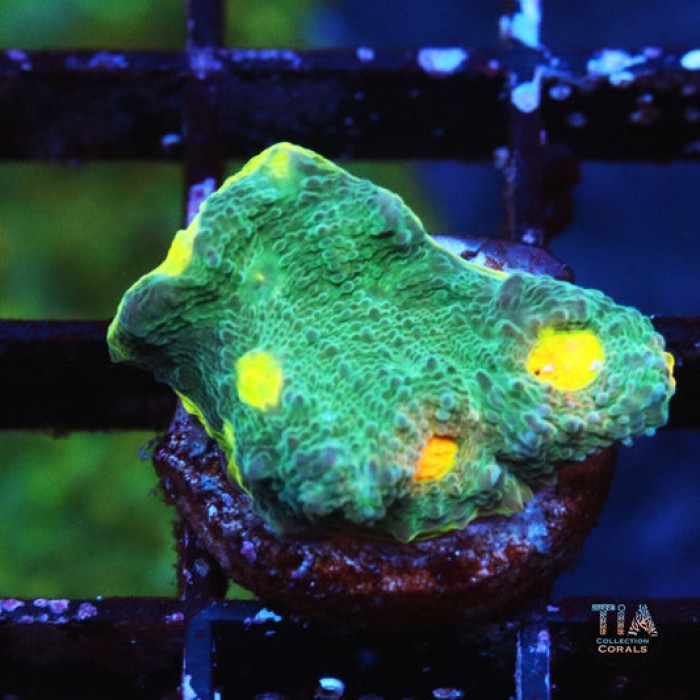
Chalice corals are among the most stunning LPS corals in the reef aquarium hobby. Their intricate patterns, bold colors, and relatively easy care requirements make them perfect for intermediate reefers looking to add some serious eye candy to their tanks. This guide covers everything you need to know to keep chalice corals thriving.
What Are Chalice Corals?
Chalice corals belong to several genera, most commonly:
- Echinophyllia – The most popular, known for bold colors and distinctive "eyes"
- Oxypora – Thin, delicate plating forms with ridged surfaces
- Mycedium – Elephant ear chalices with unique swirled patterns
- Echinopora – Hardy encrusting varieties
These LPS corals are plating or encrusting in growth form, spreading horizontally across rocks to create stunning displays. Their colorful "eyes" (corallites) against contrasting base colors make named varieties highly collectible.
Lighting Requirements
Chalice corals prefer moderate to low lighting conditions:
- PAR range: 75-150 µmol (lower to mid tank)
- Placement: Middle to bottom of tank, on rocks or sandbed
- Acclimation: Start low and slowly raise if needed
Too much light causes chalices to bleach, brown out, or develop burned tissue. Many reefers successfully keep them in shaded areas under rock ledges. If your chalice is losing color or looking stressed, try moving it lower in the tank.
Pro tip: The vibrant fluorescent colors chalices are known for often look best under blue-heavy lighting. Royal blues and violet wavelengths really make those oranges, reds, and greens pop.
Water Flow
Low to moderate flow is ideal for chalice corals:
- Type: Gentle, indirect flow
- Avoid: Direct powerhead blasts, which damage tissue
- Goal: Enough movement to prevent detritus buildup on the plate surface
Chalices don't have the sweeper tentacles that euphyllias have, but their tissue is delicate. Strong laminar flow causes tissue recession and stress. Random, gentle movement from wavemakers works best.
Water Parameters
As LPS corals, chalices are fairly tolerant but thrive in stable conditions:
- Temperature: 76-79°F (24-26°C)
- Salinity: 1.025-1.026
- Alkalinity: 8-9 dKH
- Calcium: 400-450 ppm
- Magnesium: 1350-1450 ppm
- Phosphate: 0.03-0.1 ppm
- Nitrate: 5-15 ppm
Stability matters more than hitting exact numbers. Chalices can tolerate slightly elevated nutrients—in fact, some color up better with slightly higher nitrates. Use the ReefBay app to track your parameters and identify trends over time.
Feeding Chalice Corals
While chalices photosynthesize, they benefit from regular feeding:
- Frequency: 1-3 times per week
- Food types: Reef Roids, mysis shrimp, LPS pellets, coral powders
- Method: Target feed at night when polyps extend
Chalices feed more readily when polyps are out, which typically happens at night or during low-light periods. Turn off flow, add food directly over the coral, and watch the polyps grab particles. Amino acid supplements also support coloration and growth.
Placement and Aggression
Chalice corals are mildly aggressive:
- Sweeper tentacles: Short but present—can damage neighbors
- Space needed: 2-3 inches from other corals
- Encrusting: Will grow over nearby rocks and objects
Place chalices on isolated rock islands or frag racks where they can spread without warfare. They'll grow toward food sources and can encrust surprisingly fast in good conditions. Be prepared to frag if they start encroaching on neighbors.
Best Tank Mates
- Other chalices (can sometimes touch without issue)
- Most soft corals (safe distance)
- Less aggressive LPS like duncans
- Non-nipping fish
Avoid Placing Near
- Torch corals and other euphyllias (aggressive sweepers)
- Galaxea (very long sweepers)
- Any coral with potent chemical warfare
Fragging Chalice Corals
Chalices frag well with proper technique:
- Use a clean, sharp bone cutter or dremel
- Cut between corallites (eyes) to preserve polyps
- Aim for frags with at least 2-3 eyes
- Glue to frag plugs or small rock rubble
- Place in moderate-low light/flow for recovery
Chalices heal relatively quickly—expect fresh tissue growth over cut edges within 2-4 weeks. Dipping frags before and after in a coral dip solution helps prevent infection.
Common Problems and Solutions
Tissue Recession
Causes: Too much light, too much flow, low alkalinity, pests
Solutions: Move to a lower light/flow area, stabilize parameters, inspect for flatworms or nudibranches
Bleaching
Causes: High light, temperature stress, sudden parameter swings
Solutions: Reduce lighting intensity or move lower in tank, stabilize temperature
Not Extending Polyps
Causes: Recent move, strong flow, fish picking at it
Solutions: Give it time to acclimate, check flow direction, watch for coral-nipping fish
Slow Growth
Causes: Low nutrients, insufficient light, lack of feeding
Solutions: Increase target feeding, verify PAR levels, consider amino acids
Where to Buy Chalice Corals
Browse chalice corals on the ReefBay marketplace to find stunning specimens from trusted sellers. Look for WYSIWYG listings to get exactly what you see. Popular varieties include:
- Miami Hurricane Chalice
- Mummy Eye Chalice
- Watermelon Chalice
- Hollywood Stunner
- Bubble Gum Monster
Named varieties carry premium prices, but even "generic" chalices can be incredibly colorful. Start with hardy varieties like Echinophyllia aspera if you're new to chalices.
Final Tips
Chalice corals reward patient reefers with spectacular growth and color. Remember:
- Start with low-moderate light and adjust up if needed
- Keep flow gentle and indirect
- Feed regularly for best color and growth
- Give them space—they will spread
- Stability beats perfection in water chemistry
With proper care, your chalices will become centerpiece corals that draw eyes to your tank. Track your success with the ReefBay app's coral journal feature!