A thriving reef tank isn't just about beautiful corals and fish—it's about creating a balanced ecosystem where nature does much of the work for you. Enter the Clean Up Crew (CUC), an essential team of invertebrates that keep your tank clean, healthy, and algae-free.
Whether you're battling nuisance algae, dealing with detritus buildup, or simply want to maintain pristine water quality, the right CUC can make all the difference. This guide covers everything you need to know about selecting, stocking, and maintaining the perfect clean up crew for your reef aquarium.
What is a Clean Up Crew?
A clean up crew consists of beneficial invertebrates—primarily snails, hermit crabs, and other creatures—that naturally consume algae, detritus, uneaten food, and organic waste in your aquarium. Think of them as your tank's maintenance team, working 24/7 to keep things clean.
A well-balanced CUC provides several benefits:
- Algae control – Different species target different types of algae
- Detritus removal – Prevents waste buildup in sand and rock
- Sand bed aeration – Burrowing creatures keep substrate healthy
- Nutrient export – Reduces nitrates and phosphates naturally
- Less maintenance – Spend less time scraping glass and cleaning
Essential CUC Members: Snails
Snails are the backbone of any clean up crew. Different species excel at different jobs, so diversity is key.
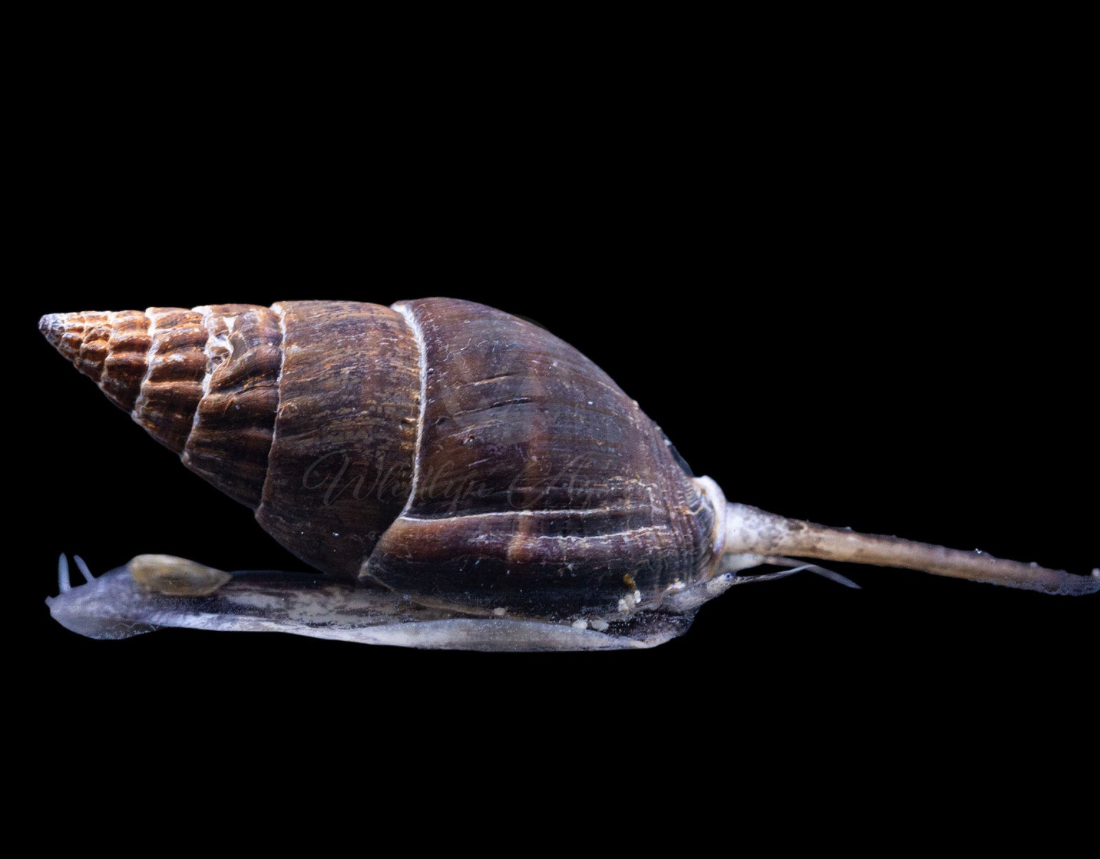
Nassarius Snails
Nassarius snails are detritus-eating powerhouses. They spend most of their time buried in the sand bed, emerging quickly when they smell food. Their burrowing behavior aerates the substrate, preventing dangerous anaerobic pockets from forming.
- Best for: Detritus, uneaten food, sand bed health
- Reef safe: Yes
- Recommended: 1 per 2-3 gallons
Trochus Snails
Trochus snails are excellent algae grazers that can right themselves if they fall—a huge advantage over some other species. They're hardy, reproduce in aquariums, and work on both glass and rockwork.
- Best for: Film algae, diatoms, glass cleaning
- Reef safe: Yes
- Recommended: 1 per 3-5 gallons
Astrea Snails
Astrea snails are voracious algae eaters, particularly effective against hair algae and cyanobacteria. However, they cannot right themselves if knocked over, so keep an eye on them.
- Best for: Hair algae, film algae, cyano
- Reef safe: Yes
- Recommended: 1 per 2-4 gallons
Turbo Snails
Turbo snails are the heavy hitters of algae control. These larger snails can demolish hair algae outbreaks but prefer cooler water temperatures (72-78°F). Mexican turbos are popular but may struggle in warmer reef tanks.
- Best for: Heavy algae outbreaks, hair algae
- Reef safe: Yes (but can knock over loose corals)
- Recommended: 1 per 10-20 gallons
Nerite Snails
Nerite snails are small but incredibly effective at cleaning glass and removing diatoms. They're hardy and won't reproduce in saltwater, preventing population explosions.
- Best for: Glass cleaning, diatoms
- Reef safe: Yes
- Recommended: 1 per 5 gallons
Hermit Crabs: Helpful or Harmful?
Hermit crabs are often included in CUC packages, but they deserve careful consideration. While they're excellent scavengers, some species can be problematic in reef tanks.
Recommended Hermit Crabs
Blue Leg Hermits – Small, peaceful, and reef-safe. Great for eating algae and detritus without bothering tank mates.
Scarlet Reef Hermits – Beautiful red coloration and peaceful temperament. They're among the most reef-safe hermits available.
Dwarf Hermits – Tiny and harmless, perfect for nano tanks. Stick to smaller species when possible.
Hermits to Avoid
Large hermit species like Halloween hermits or electric blue hermits can kill snails for their shells and may even attack small fish or damage corals. For a true reef-safe tank, stick to smaller species or skip hermits altogether.
Pro tip: Always provide extra empty shells for hermit crabs. This reduces the chance they'll kill snails for new homes.
Specialized CUC Members
Emerald Crabs
Emerald crabs are one of the few creatures that actively eat bubble algae (Valonia). If you're battling this persistent pest, emerald crabs can be incredibly helpful. However, they may become opportunistic and pick at corals if underfed.
Peppermint Shrimp
Peppermint shrimp are famous for eating Aiptasia anemones—one of the most common reef tank pests. They're also excellent scavengers that help clean up uneaten food.
Sand-Sifting Starfish
These starfish constantly sift through sand, consuming detritus and aerating the substrate. However, they can deplete beneficial sand bed fauna in smaller tanks. Only recommended for larger systems (75+ gallons) with mature sand beds.
Conchs
Conch snails, particularly fighting conchs, are excellent sand-bed cleaners. They constantly plow through substrate, preventing dead spots and consuming detritus. One conch per 20-30 gallons is usually sufficient.
How Many CUC Should You Have?
The right CUC population depends on your tank size, bioload, and specific problems. Here's a general starting point for a typical reef tank:
For a 50-gallon reef tank:
- 10-15 Nassarius snails (sand bed)
- 10-15 Trochus or Astrea snails (rock/glass)
- 5-10 small hermit crabs (optional)
- 1-2 Turbo snails (for algae outbreaks)
- 1 Conch (sand bed)
Important: Start with fewer and add more as needed. Overstocking your CUC can lead to starvation and die-offs, which creates more problems than it solves.
When to Add Your Clean Up Crew
Timing matters when introducing your CUC. Here's the recommended approach:
- After the cycle completes – Wait until ammonia and nitrite are zero
- When you see algae – CUC needs food to survive; don't add them to a sterile tank
- Gradually – Add in small batches over several weeks
- Before a major algae outbreak – Prevention is easier than cure
Most new tanks experience diatom blooms (brown algae) during the first few weeks. This is normal and actually provides excellent food for your first CUC additions.
Acclimating Your Clean Up Crew
Invertebrates are more sensitive to water parameter changes than fish. Proper acclimation is crucial for CUC survival:
- Float the bag for 15-20 minutes to equalize temperature
- Drip acclimate for 45-60 minutes, doubling the water volume
- Test salinity – Inverts are particularly sensitive to salinity swings
- Avoid copper – Even trace amounts are lethal to invertebrates
Track your water parameters with the ReefBay app to ensure stable conditions for your CUC. Sudden changes in alkalinity, pH, or salinity can stress or kill invertebrates.
Common CUC Problems and Solutions
CUC Dying Off
If your clean up crew is dying, check:
- Copper – Test for copper contamination
- Salinity – Should be 1.024-1.026 for most invertebrates
- Starvation – Overstocked CUC will deplete food sources
- Temperature – Some species (especially Mexican turbos) prefer cooler water
Snails Not Eating Algae
Different snails eat different algae types. If your snails ignore certain algae:
- You may have the wrong species for that algae type
- The snails may be full from other food sources
- The algae may be too tough (some cyano and GHA require manual removal)
Hermit Crabs Killing Snails
Provide plenty of empty shells in various sizes. If hermits continue killing snails, consider removing them or switching to smaller, more peaceful species.
Building Your Perfect CUC
The key to a successful clean up crew is diversity and patience. Here's a recommended approach:
- Start simple – Begin with Trochus and Nassarius snails
- Observe and adjust – Add more of what's working, less of what isn't
- Target specific problems – Add specialists (emerald crabs, peppermint shrimp) as needed
- Maintain balance – Don't overstock; a starving CUC is worse than no CUC
Ready to build your clean up crew? Browse our selection of snails, crabs, and shrimp from trusted ReefBay sellers. With the right team in place, you'll spend less time cleaning and more time enjoying your beautiful reef aquarium.