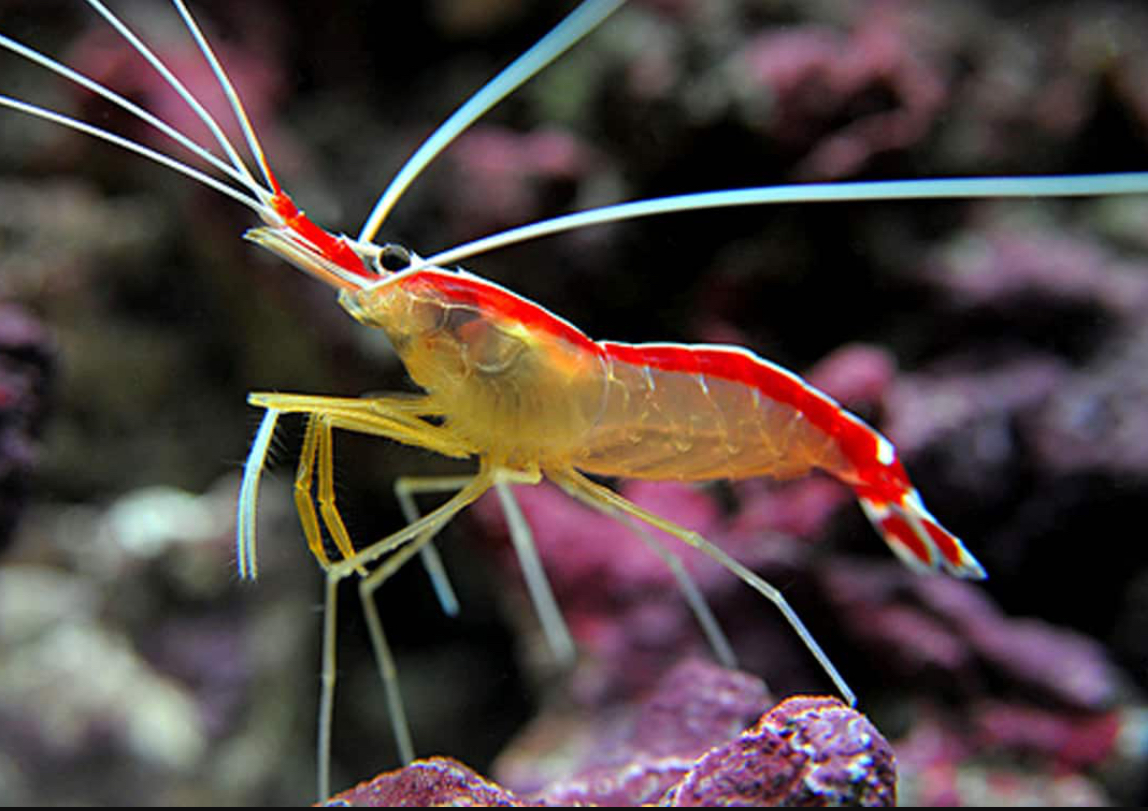
The cleaner shrimp (Lysmata amboinensis), also known as the scarlet skunk cleaner shrimp, is one of the most beloved invertebrates in the reef aquarium hobby. These fascinating creatures not only add beauty and movement to your tank but also provide a valuable service by removing parasites and dead tissue from fish. If you're looking to add a cleaner shrimp to your reef, this comprehensive guide will help you succeed.
Species Overview
Cleaner shrimp are found throughout the Indo-Pacific region, typically on coral reefs where they set up "cleaning stations" visited by fish seeking parasite removal. In the wild, they can be observed with fish literally lining up to be cleaned—a behavior they readily display in home aquariums too.
Quick Facts
- Scientific Name: Lysmata amboinensis
- Common Names: Cleaner shrimp, Scarlet skunk cleaner, Pacific cleaner shrimp
- Maximum Size: 2-3 inches (5-7.5 cm)
- Lifespan: 3-5 years with proper care
- Reef Safe: Yes, completely reef safe
- Care Level: Easy to moderate
Tank Requirements
Cleaner shrimp are relatively hardy and adaptable, making them suitable for both beginner and experienced reef keepers.
Minimum Tank Size
While cleaner shrimp don't need a lot of space, a minimum of 20 gallons is recommended. This provides enough room for them to establish territory and interact with tank mates. In larger tanks (75+ gallons), you can keep multiple cleaner shrimp together.
Water Parameters
| Parameter | Ideal Range |
|---|---|
| Temperature | 75-82°F (24-28°C) |
| pH | 8.1-8.4 |
| Salinity | 1.023-1.025 sg |
| Alkalinity | 8-12 dKH |
| Calcium | 400-450 ppm |
| Magnesium | 1250-1350 ppm |
| Nitrate | <20 ppm |
Important: Like all invertebrates, cleaner shrimp are extremely sensitive to copper. Never use copper-based medications in a tank containing shrimp. Track your water parameters regularly with the ReefBay app to catch any issues early.
Acclimation: The Most Critical Step
Proper acclimation is absolutely essential for cleaner shrimp survival. They are highly sensitive to sudden changes in water chemistry, especially salinity and pH.
Drip Acclimation Method
- Float the sealed bag in your tank for 15-20 minutes to equalize temperature
- Open the bag and place the shrimp with its water in a clean container
- Set up a drip line from your tank using airline tubing with a valve
- Drip tank water at a rate of 2-4 drops per second
- Continue until the water volume has at least tripled (1-2 hours)
- Gently net the shrimp and place it in your tank—discard the acclimation water
Pro Tip: Never rush acclimation. A 2-hour drip acclimation can mean the difference between a thriving shrimp and one that dies within days.
Diet and Feeding
Cleaner shrimp are opportunistic omnivores with a varied diet. While they'll pick parasites and dead tissue off fish, this won't be enough to sustain them in most home aquariums.
Recommended Foods
- Meaty foods: Mysis shrimp, brine shrimp, chopped seafood
- Prepared foods: High-quality pellets and flakes
- Frozen foods: Formula One, Formula Two, reef frenzy
- Live foods: Copepods and amphipods (supplemental)
Feeding Tips
- Feed 2-3 times per week if the tank has active fish
- Feed more frequently in fish-only tanks where cleaning opportunities are limited
- Target feed using a feeding stick or turkey baster for best results
- They'll readily accept food from your hand—a fun interaction!
Tank Mates
Cleaner shrimp are peaceful and compatible with most reef inhabitants, but some caution is needed.
Compatible Tank Mates
- Most reef fish, including clownfish, tangs, gobies, and wrasses
- All corals—both soft and stony
- Other invertebrates like snails, hermit crabs, and starfish
- Other shrimp species (peppermint, fire, etc.)
Tank Mates to Avoid
- Triggers: Most will eat cleaner shrimp
- Large wrasses: Some species prey on shrimp
- Hawkfish: Known shrimp predators
- Lionfish: Will readily eat shrimp
- Large dottybacks: Can be aggressive toward shrimp
Behavior and Cleaning Stations
One of the most fascinating aspects of keeping cleaner shrimp is observing their cleaning behavior. They'll establish a "cleaning station" in your tank—usually on a prominent rock or near a cave entrance—and wave their white antennae to advertise their services.
What to Expect
- Fish will approach and remain still while being cleaned
- The shrimp will climb over fish, picking at their scales, gills, and mouth
- Even aggressive fish like triggers will peacefully submit to cleaning (though keeping them together isn't recommended)
- They may also clean your hands when you reach into the tank!
Molting
Like all crustaceans, cleaner shrimp must molt (shed their exoskeleton) to grow. This is a vulnerable time that requires understanding.
Molting Signs
- Hiding more than usual
- Decreased appetite before molting
- Pale or dull coloration
After Molting
- The shed exoskeleton may look like a dead shrimp—don't panic!
- Leave the molt in the tank; the shrimp will eat it to recycle calcium
- Provide hiding spots for post-molt shrimp as they're soft and vulnerable
- Ensure stable calcium and alkalinity levels for successful molting
Breeding Cleaner Shrimp
Interestingly, cleaner shrimp are simultaneous hermaphrodites—each individual has both male and female reproductive organs. Any two cleaner shrimp can pair up and breed.
Breeding Basics
- Pairs will produce eggs regularly (every 2-3 weeks)
- Eggs are carried under the female's tail until they hatch
- Larvae are extremely difficult to raise and require specialized food (phytoplankton, rotifers)
- Most hobbyists enjoy the breeding behavior without attempting to raise larvae
Common Problems and Solutions
Shrimp Not Eating
Causes: Stress from poor acclimation, water quality issues, or preparing to molt
Solutions: Test water parameters, ensure copper-free environment, be patient if recently added
Sudden Death
Causes: Usually poor acclimation, copper exposure, or drastic parameter swings
Prevention: Always drip acclimate for 1-2 hours minimum, never use copper medications
Failed Molts
Causes: Low calcium, low iodine, or unstable parameters
Solutions: Maintain calcium 400-450 ppm, consider iodine supplementation, ensure stable alkalinity
Where to Buy Cleaner Shrimp
When purchasing cleaner shrimp, look for active individuals with all legs and antennae intact. Avoid shrimp that appear lethargic or have cloudy eyes. Browse healthy cleaner shrimp on the ReefBay marketplace from trusted sellers who pack and ship with care.
Final Tips for Success
- Always drip acclimate—this cannot be stressed enough
- Maintain stable water parameters with regular testing
- Provide hiding spots for molting and resting
- Supplement feeding if your fish population is small
- Never expose to copper medications
- Track parameters and livestock with the ReefBay app to stay on top of tank health
Cleaner shrimp are one of the most rewarding invertebrates you can add to a reef tank. Their interactive behavior, beneficial cleaning services, and hardiness make them a perfect addition for reefers of all experience levels. With proper care and stable water conditions, your cleaner shrimp will thrive for years.