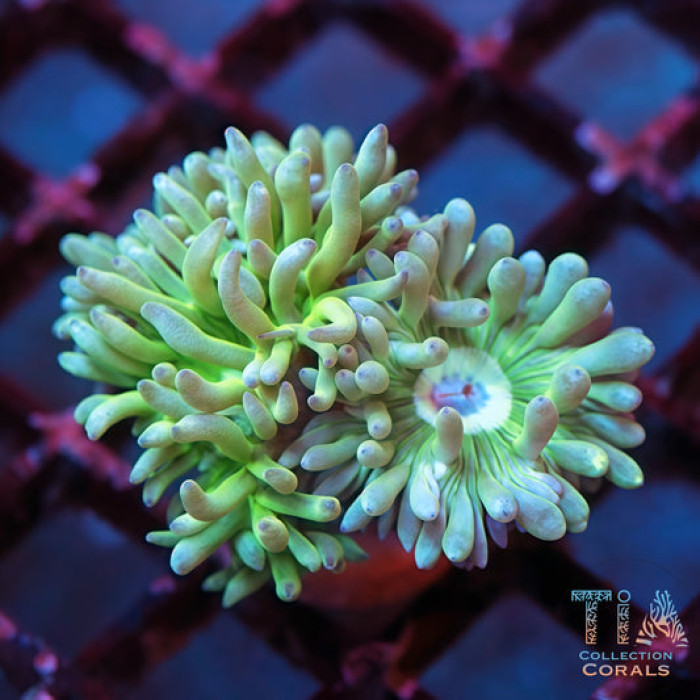
Duncan corals (Duncanopsammia axifuga) are one of the most rewarding LPS corals for reef keepers of all experience levels. Known for their distinctive disc-shaped polyps with flowing tentacles, Duncans have earned their place as a staple in the hobby due to their hardiness, rapid growth, and stunning appearance under reef lighting.
Why Duncan Corals Are Perfect for Beginners
If you're looking for an LPS coral that's forgiving of minor mistakes while still delivering impressive visual impact, Duncans are hard to beat. They tolerate a wider range of parameters than many other LPS species and will often thrive in conditions where finicky corals struggle.
- Hardy and forgiving - Tolerates parameter swings better than most LPS
- Fast growing - Can double in size within 6-12 months under good conditions
- Responds well to feeding - Actively catches food with large tentacles
- Easy to frag - Simple propagation for trading or selling
- Reef safe - Won't sting neighboring corals aggressively
Ideal Water Parameters for Duncan Coral
While Duncans are tolerant of various conditions, maintaining stable parameters will maximize their health and growth rate.
- Temperature: 76-80°F (ideal: 78°F)
- Salinity: 1.024-1.026 SG
- pH: 8.1-8.4
- Alkalinity: 8-11 dKH
- Calcium: 400-450 ppm
- Magnesium: 1250-1350 ppm
- Nitrates: 5-20 ppm (some nutrients help coloration)
- Phosphates: 0.03-0.1 ppm
Track your parameters consistently with the ReefBay app to spot trends before they become problems.
Lighting Requirements
Duncan corals thrive under moderate lighting conditions, making them versatile for placement in most reef tanks.
- PAR Range: 50-150 (ideal: 75-125)
- Light Type: Any quality reef LED or T5 setup works well
- Acclimation: Start lower and gradually increase over 2-3 weeks
Signs of too much light include bleaching, retracted polyps during the day, or brown coloration loss. Too little light results in stretched stalks and pale polyps.
Flow Requirements
Moderate, indirect flow keeps Duncans happy. Their large tentacles should sway gently without being blown flat against the skeleton.
- Flow Level: Low to moderate, indirect
- Avoid: Direct powerhead output or laminar flow
- Ideal: Gentle random flow patterns
Placement in Your Reef Tank
Duncans are versatile and can be placed on the sand bed, rubble zones, or lower to mid-level rockwork. Their relatively peaceful nature means they won't cause problems with most tank mates.
- Sand bed: Excellent choice, mimics natural habitat
- Lower rockwork: Great for moderate light zones
- Mid-tank: Works if shaded from direct light
- Give space: Leave 3-4 inches between Duncans and other corals
Feeding Duncan Corals
One of the most enjoyable aspects of keeping Duncans is watching them feed. Their large tentacles are excellent at capturing food, and regular feeding accelerates growth dramatically.
Best Foods for Duncan Coral
- Mysis shrimp - Ideal size and nutrition
- Reef Roids - Excellent powdered coral food
- Brine shrimp - Good occasional treat
- LPS pellets - Convenient and nutritious
- Oyster eggs - High protein option
Feeding Schedule
Feed your Duncan coral 2-3 times per week for optimal growth. Target feed each head individually for best results. Turn off pumps for 15-20 minutes during feeding to allow the coral to capture food.
Growth Rate and Expectations
Under proper care, Duncan corals are among the faster-growing LPS species. A single-headed frag can grow into a multi-headed colony within a year.
- New heads: Expect 1-2 new heads per month with good feeding
- Colony formation: Duncans grow in a branching pattern
- Size potential: Colonies can exceed 12+ inches in mature tanks
Common Problems and Solutions
Brown Jelly Disease
A bacterial infection that appears as brown, mucus-like substance. Isolate affected colonies immediately, frag healthy portions, and dip in coral Rx or similar treatment.
Retracted Polyps
If your Duncan stays closed, check for:
- Parameter swings (especially alkalinity)
- Excessive light or flow
- Pests like flatworms or nudibranchs
- Aggression from neighboring corals
Bleaching
Usually caused by temperature spikes, excessive light, or high alkalinity. Move to a shadier spot and stabilize parameters. Recovery is possible if caught early.
Fragging Duncan Coral
Duncans are one of the easiest corals to propagate. Each head can be separated and will grow into a new colony.
- Use bone cutters to snip between heads at the branching point
- Dip frags in coral dip solution for 5-10 minutes
- Mount on frag plugs using coral glue or epoxy
- Place in low-flow recovery area for 1-2 weeks
- Gradually move to permanent placement
Tank Mates and Compatibility
Duncans are peaceful corals that play well with most reef inhabitants.
Good Tank Mates
- Other LPS corals (with spacing)
- Soft corals like leathers and toadstools
- Most reef-safe fish including clownfish and gobies
- Cleaner shrimp and other invertebrates
Avoid
- Aggressive LPS like galaxea or torch corals placed too close
- Coral-nipping fish (some angels, butterflies)
- Peppermint shrimp (may pick at polyps)
Where to Buy Duncan Coral
Browse Duncan corals on ReefBay from trusted sellers across the country. Look for specimens with multiple heads and good polyp extension in the seller's photos.
Final Thoughts
Duncan corals deserve their reputation as one of the best beginner LPS corals. Their combination of hardiness, beauty, and responsive feeding behavior makes them endlessly enjoyable to keep. Start with a small frag and watch it grow into an impressive colony that becomes a centerpiece of your reef tank.
Ready to add a Duncan to your collection? Browse available Duncans on the ReefBay marketplace, or download the ReefBay app to track your coral's growth and tank parameters.