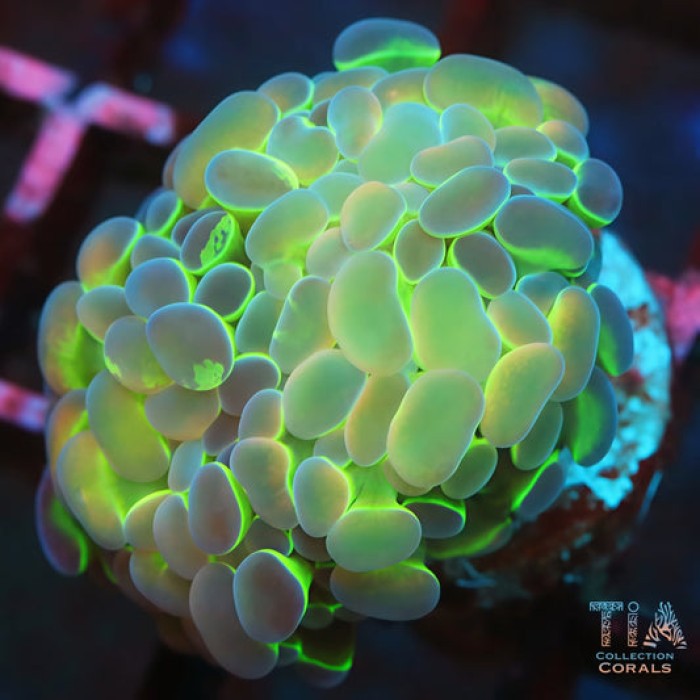
Hammer corals (Euphyllia ancora) are one of the most beloved LPS corals in the reef aquarium hobby. With their distinctive T-shaped or anchor-shaped tentacles, flowing movement, and stunning color varieties, hammers make an incredible centerpiece for any reef tank. This comprehensive guide covers everything you need to know to keep your hammer corals thriving.
Hammer Coral Overview
Hammer corals belong to the Euphyllia genus, alongside their close relatives torch corals and frogspawn. Native to the Indo-Pacific region, hammers are found in reef environments with moderate water movement and varying light levels.
Quick Facts
- Scientific Name: Euphyllia ancora
- Common Names: Hammer coral, Anchor coral
- Difficulty Level: Moderate (great for intermediate reefers)
- Growth Type: Branching or wall varieties
- Aggression: Moderate-High (has sweeper tentacles)
Ideal Water Parameters
Maintaining stable water parameters is critical for hammer coral health. These LPS corals are more forgiving than SPS but still require consistent conditions.
| Parameter | Ideal Range |
|---|---|
| Temperature | 76-80°F (24-27°C) |
| Salinity | 1.024-1.026 sg |
| pH | 8.1-8.4 |
| Alkalinity | 8-11 dKH |
| Calcium | 400-450 ppm |
| Magnesium | 1300-1400 ppm |
| Nitrate | 5-15 ppm |
| Phosphate | 0.03-0.1 ppm |
Pro Tip: Track your parameters consistently with the ReefBay app to catch any trends before they become problems. Stability matters more than hitting exact numbers.
Lighting Requirements
Hammer corals prefer moderate lighting - they don't need the intense PAR levels that SPS corals require, and too much light can actually cause bleaching.
Recommended PAR Levels
- Optimal: 75-150 PAR
- Acceptable: 50-200 PAR
- Too High: 250+ PAR (risk of bleaching)
Light Acclimation
When introducing a new hammer coral, start it lower in the tank where light is less intense. Over 2-4 weeks, gradually move it to its final position. Watch for these signs:
- Good: Full polyp extension, vibrant colors
- Too Much Light: Receding tissue, bleaching, polyps staying closed
- Too Little Light: Stretching toward light, fading colors
Flow Requirements
Flow is crucial for hammer corals - they need enough movement to sway gently but not so much that they can't fully extend their polyps.
Ideal Flow
- Type: Low to moderate, indirect flow
- Pattern: Random/alternating is best
- Avoid: Direct, laminar flow from powerheads
The tentacles should gently sway in the current. If they're being blown flat or can't extend fully, reduce the flow. If there's no movement at all, increase it slightly.
Placement in Your Tank
Choosing the right spot for your hammer coral involves balancing light, flow, and spacing from other corals.
Best Locations
- Mid-tank: On rock ledges or elevated positions
- Sand bed: Wall hammers can sit directly on sand
- Spacing: 6-8 inches minimum from other corals
Sweeper Tentacles Warning
Hammer corals extend sweeper tentacles at night that can reach 6+ inches and sting neighboring corals. Give them plenty of space, especially from:
- Torch corals (even though they're related, they'll still fight)
- SPS corals (particularly vulnerable)
- Acans and other LPS
Feeding Your Hammer Coral
While hammer corals get nutrition from photosynthesis via their zooxanthellae, they benefit greatly from target feeding.
What to Feed
- Reef Roids, Coral Frenzy - Powdered coral foods
- Mysis shrimp - Thawed frozen, target-fed
- Brine shrimp - Occasional treat
- Oyster eggs - Excellent for LPS
Feeding Frequency
- Recommended: 1-2 times per week
- Best time: At night when feeding tentacles are extended
- Amount: Small pieces they can fully consume in 5-10 minutes
Turn off flow briefly while feeding to allow food to settle on the coral. The tentacles will capture food and move it to the mouth.
Common Hammer Coral Problems
Brown Jelly Disease
A bacterial infection that appears as brown, jelly-like substance on the coral. Treatment:
- Remove affected coral to quarantine tank
- Dip in coral dip solution (follow product directions)
- Use a turkey baster to gently remove infected tissue
- Monitor parameters in main tank
Tissue Recession
When the flesh pulls back from the skeleton. Common causes:
- Alkalinity swings (most common)
- High nitrates or phosphates
- Stinging from nearby corals
- Pest damage (flatworms, nudibranches)
Polyps Not Extending
Check these factors:
- Water quality issues (test all parameters)
- Flow too strong or too weak
- Recent transport stress (give it 1-2 weeks)
- Pests on the coral
Popular Hammer Coral Varieties
Hammer corals come in many stunning color morphs. Browse hammer corals on ReefBay to find these varieties:
- Gold Hammer: Bright yellow/gold tips with green bases
- Purple Tip Hammer: Purple tips, often with green stems
- Toxic Green: Vibrant neon green throughout
- Orange Hammer: Rich orange coloration
- Bicolor: Multiple colors on the same colony
- Wall Hammer: Grows as a single connected wall rather than branches
Fragging Hammer Corals
Hammer corals can be propagated by fragging mature colonies. For branching varieties:
- Choose a healthy branch with good tissue coverage
- Use bone cutters to cut through the skeleton (not the tissue)
- Dip the frag in coral dip to prevent infection
- Glue to a frag plug or rock
- Place in lower light/flow until healed (1-2 weeks)
Conclusion
Hammer corals are rewarding LPS that bring beautiful movement and color to your reef tank. With stable parameters, appropriate lighting and flow, and proper placement away from aggressive neighbors, your hammers will thrive and grow into stunning display pieces.
Ready to add a hammer coral to your collection? Browse hammer corals from trusted sellers on the ReefBay marketplace.