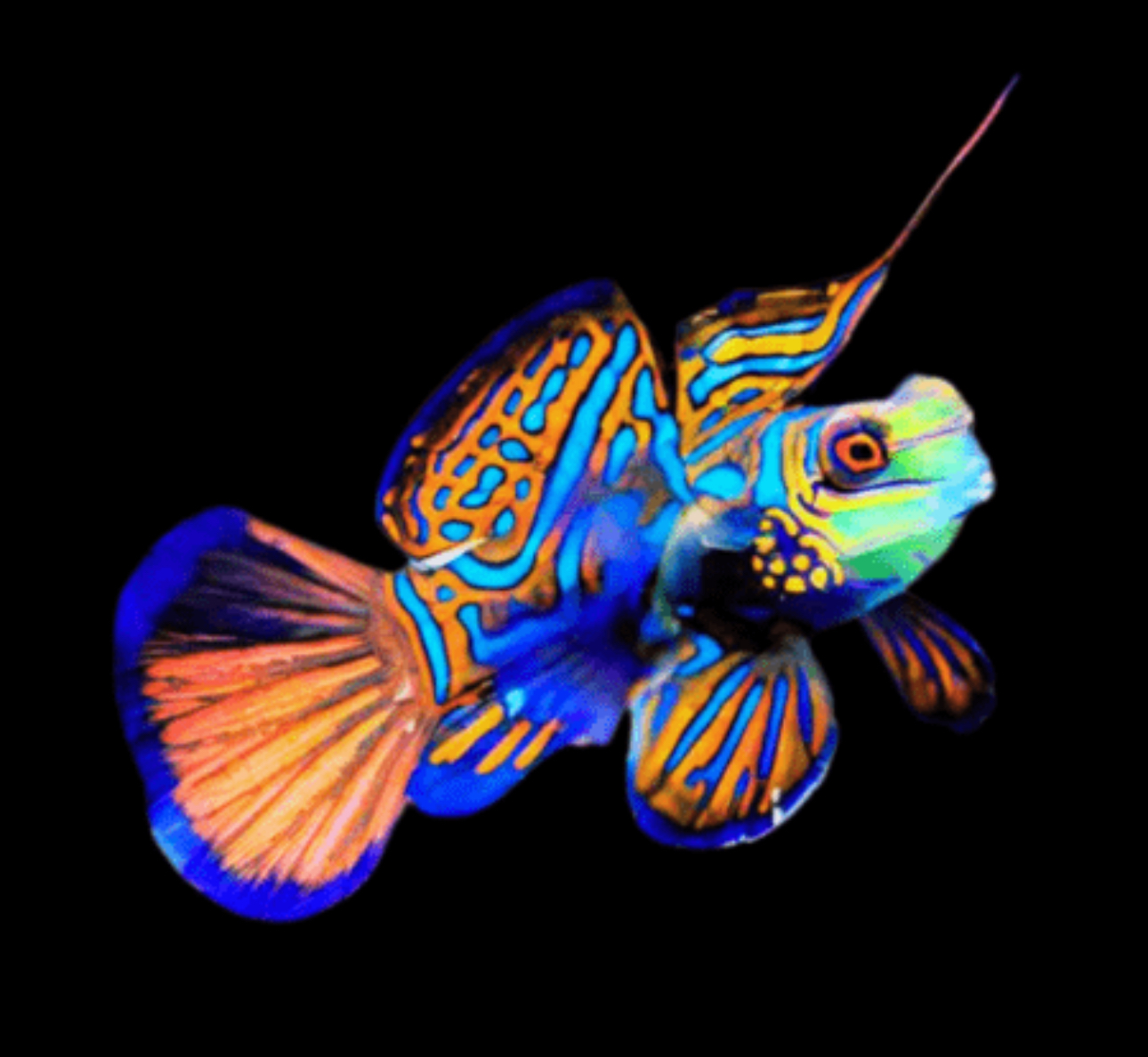
The mandarin goby (Synchiropus splendidus) is widely considered the most beautiful fish in the reef aquarium hobby. Their psychedelic patterns of blue, orange, and green make them the crown jewel of any display tank. But these stunning dragonets have earned a reputation as challenging to keep — primarily due to their specialized diet. With proper preparation, any reefer can successfully keep mandarins thriving.
Understanding Mandarin Gobies
Despite their common name, mandarin "gobies" are actually dragonets — members of the family Callionymidae. This distinction matters because dragonets have very different feeding behaviors than true gobies.
Species Overview
- Scientific name: Synchiropus splendidus (Green Mandarin) or Synchiropus picturatus (Spotted/Psychedelic Mandarin)
- Adult size: 3-4 inches (7-10 cm)
- Lifespan: 10-15 years with proper care
- Temperament: Peaceful, slow-moving
- Reef safe: Yes — completely safe with corals and invertebrates
The Copepod Challenge
The single biggest factor in mandarin goby success is food. Mandarins are obligate microfauna hunters, spending their days picking tiny crustaceans from rock surfaces. In the wild, they graze constantly on copepods, amphipods, and other microscopic organisms.
Why Copepods Are Essential
Unlike most reef fish that readily accept prepared foods, mandarins have a unique feeding style:
- They hunt visually, picking individual pods from surfaces
- They feed almost continuously throughout the day
- Their small mouths make large foods impractical
- Many refuse frozen or prepared foods entirely
Without an established copepod population, mandarins will slowly starve — often over weeks or months. This is why so many fail in newer tanks.
Building a Sustainable Copepod Population
Before adding a mandarin, your tank needs a thriving pod population:
Minimum Tank Requirements
- Tank age: At least 6-12 months old (established)
- Tank size: Minimum 50 gallons for one mandarin, 75+ gallons preferred
- Live rock: 1-2 lbs per gallon minimum — pods need hiding places
- Refugium: Highly recommended for breeding pods
Seeding Your Tank with Copepods
Don't wait until you get the mandarin — build the population first:
- Purchase live copepods and add to your display and refugium
- Wait 4-6 weeks for population to establish and reproduce
- Add more pods if you don't see active populations on the glass at night
- Consider ongoing pod additions monthly
Refugium Setup for Copepods
A refugium dramatically improves mandarin success rates by providing a breeding sanctuary for pods:
- Add chaetomorpha or other macroalgae for pod habitat
- Keep flow low to moderate
- Run refugium lights on a reverse cycle (on when display is off)
- Never add pod predators (wrasses, dragonets) to the refugium
Tank Requirements
Water Parameters
Mandarins need stable reef-quality water:
- Temperature: 75-80°F (24-27°C)
- Salinity: 1.024-1.026 specific gravity
- pH: 8.1-8.4
- Ammonia/Nitrite: 0 ppm
- Nitrate: <20 ppm
Monitor your parameters regularly with the ReefBay app to catch any issues early.
Tank Environment
- Substrate: Fine sand allows them to rest and hunt naturally
- Rockwork: Abundant live rock with lots of surface area
- Flow: Low to moderate — mandarins are slow swimmers
- Lighting: Standard reef lighting is fine
Choosing a Healthy Mandarin
Selecting the right fish is critical:
What to Look For
- Body condition: Slightly rounded belly, not pinched or sunken
- Activity: Actively hunting, not hiding or lethargic
- Colors: Vibrant and bright, not faded or pale
- Eyes: Clear and alert
- Eating: Ask to see it eat — some accept frozen foods
Red Flags
- Sunken belly or pinched appearance behind the head
- Sitting on the bottom, not actively foraging
- Faded colors or cloudy eyes
- Refusing all food when offered
Captive-Bred vs Wild-Caught
Captive-bred mandarins (like ORA Mandarins) are significantly easier to keep:
- Already trained to accept frozen foods
- No adjustment period to captive life
- Generally hardier and better adapted
- Worth the premium price for beginner mandarin keepers
Feeding Strategies
Primary Diet: Copepods
For most mandarins, live copepods remain the primary food source:
- Add new copepods every 2-4 weeks to supplement natural reproduction
- Target 1,000+ pods per addition for a single mandarin
- Add pods at night when mandarin is sleeping (prevents immediate consumption)
Training to Accept Frozen Foods
Some mandarins can be trained to eat frozen foods:
- Try live brine shrimp first — the movement attracts attention
- Gradually introduce frozen mysis shrimp near their hunting area
- Use a turkey baster to deliver food directly in front of them
- Be patient — this process can take weeks
Even food-trained mandarins benefit from ongoing copepod supplementation.
Feeding Schedule
- Mandarins graze throughout the day — you can't overfeed
- For frozen-trained fish, offer small amounts 2-3 times daily
- Continue copepod dosing regardless of frozen food acceptance
Tank Mates
Compatible Tank Mates
- Clownfish — different feeding style, no competition
- Small gobies — most don't compete for pods
- Cardinalfish — peaceful mid-water swimmers
- Blennies — algae grazers, minimal competition
- Most corals and invertebrates
Avoid These Tank Mates
- Other dragonets/mandarins — massive pod competition (unless very large tank)
- Wrasses — compete heavily for copepods and amphipods
- Aggressive fish — mandarins are too slow to escape bullies
- Large predators — may view mandarin as food
Keeping Multiple Mandarins
Pairs can be kept together with careful planning:
- Minimum 75 gallons for a pair, 100+ preferred
- Double the copepod population requirements
- Ensure one male and one female (males have elongated first dorsal fin)
- Add at the same time to prevent territorial aggression
Common Health Issues
Starvation
The most common cause of mandarin death:
- Signs: Sunken belly, lethargy, fading colors
- Prevention: Adequate tank size, established pods, regular supplementation
- Treatment: Increase pod additions, try live baby brine shrimp
Disease Resistance
Good news: Mandarins have a protective slime coat that makes them resistant to:
- Ich (marine white spot)
- Velvet
- Most parasitic infections
This means they can often be added without quarantine — though quarantine is still a best practice.
Breeding Mandarins
Mandarins will spawn in home aquariums with a bonded pair:
- Spawning occurs at dusk, daily when conditions are right
- Pair rises in water column and releases eggs/sperm
- Eggs are pelagic (floating) and tiny
- Raising fry is extremely difficult — they need microscopic foods
Signs of a Thriving Mandarin
You'll know your mandarin is doing well when you see:
- Rounded, healthy belly
- Vibrant, bright coloration
- Constantly hunting on rock surfaces
- Curious behavior, exploring the tank
- Coming out during feeding times
Summary: Keys to Success
- Wait for maturity — Add to established tanks (6+ months old)
- Size matters — 50 gallons minimum, bigger is better
- Build pods first — Seed copepods 4-6 weeks before adding mandarin
- Add a refugium — Pod breeding sanctuary dramatically helps
- Choose wisely — Look for healthy, eating specimens
- Consider captive-bred — ORA mandarins accept frozen foods
- Avoid competition — No wrasses or other dragonets
- Supplement ongoing — Add pods regularly even in large tanks
With proper preparation, mandarin gobies reward keepers with years of beauty and endless entertainment as they hunt through your reef. They're worth the extra effort — there's simply no fish more stunning.
Track your mandarin's health and your tank's maturity with the ReefBay app — it's free and helps you monitor your reef journey.