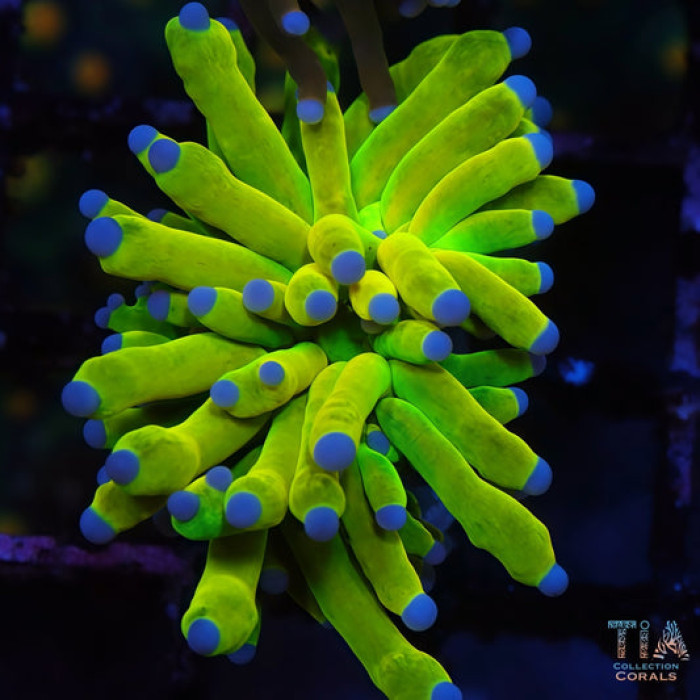
Torch corals (Euphyllia glabrescens) are among the most beloved LPS corals in the reef aquarium hobby. With their flowing tentacles, vibrant colors, and relatively forgiving nature, torches have earned a place in countless reef tanks. This comprehensive guide covers everything you need to know about keeping these stunning corals thriving.
Understanding Torch Corals
Torch corals belong to the Euphyllia genus, alongside their cousins the hammer coral and frogspawn. What sets torches apart is their distinctive long, flowing tentacles that end in a rounded tip—giving them the "torch" appearance that inspired their common name.
Common Torch Coral Varieties
- Gold Torch - Golden yellow tentacles, often with green tips
- Holy Grail Torch - Highly prized gold and green coloration
- Dragon Soul Torch - Purple/blue coloration with unique patterns
- Indo Torch - Indonesian varieties with diverse colors
- Aussie Torch - Australian specimens known for vibrant colors
Ideal Water Parameters
Torch corals are moderately hardy, but maintaining stable water parameters is essential for long-term success. Here are the optimal ranges:
- Temperature: 76-80°F (24-27°C)
- Salinity: 1.024-1.026 specific gravity
- pH: 8.1-8.4
- Alkalinity: 8-11 dKH
- Calcium: 400-450 ppm
- Magnesium: 1250-1350 ppm
- Nitrate: 5-20 ppm (some nutrient is beneficial)
- Phosphate: 0.03-0.1 ppm
Track your water parameters consistently with the ReefBay app to catch any fluctuations before they stress your torches.
Lighting Requirements
Torch corals are adaptable to various lighting conditions, but they generally prefer moderate light levels:
- PAR Range: 100-200 μmol (moderate)
- Placement: Middle to lower portions of the tank
- Acclimation: Start low and gradually increase over 2-4 weeks
Too much light can cause torch corals to bleach or retract. If your torch's tentacles are staying retracted during the day or the color is fading, try moving it to a lower-light area.
Flow Requirements
Getting flow right is crucial for torch coral health. They need enough water movement to bring food and remove waste, but not so much that their tentacles are constantly blown to one side.
- Flow Type: Low to moderate, indirect flow
- Movement: Tentacles should gently sway, not whip around
- Warning Signs: Constantly retracted polyps often indicate too much flow
Position your powerheads and wavemakers so the flow passes by the torch rather than hitting it directly.
Placement and Positioning
Space Requirements
Torch corals have long sweeper tentacles that can extend 6-8 inches at night. These tentacles contain powerful stinging cells (nematocysts) that will damage neighboring corals. Give your torches at least 6-8 inches of clearance from other coral species.
Euphyllia Gardens
One exception: torches generally coexist peacefully with other Euphyllia species. Many reefers create stunning "Euphyllia gardens" by placing hammers, frogspawns, and torches near each other. They may even touch without issue, though individual specimens can vary.
Mounting Options
- Rock placement: Wedge the skeleton into rockwork crevices
- Frag plugs: Glue to a plug for easier repositioning
- Sand bed: Wall varieties can be placed directly on sand
Feeding Torch Corals
While torch corals get much of their nutrition from their symbiotic zooxanthellae through photosynthesis, they benefit significantly from supplemental feeding.
Feeding Schedule
- Frequency: 1-3 times per week
- Best time: Evening, when tentacles are fully extended
- Method: Target feed directly to tentacles
Recommended Foods
- Reef Roids or similar coral foods
- Mysis shrimp (small pieces)
- Brine shrimp
- Amino acid supplements
- Copepods (live or frozen)
When you target feed, the torch's tentacles will grab the food and slowly move it toward the mouth in the center of the coral head.
Common Problems and Solutions
Brown Jelly Disease
Brown jelly disease is the most feared torch coral ailment. It appears as brown, mucus-like substance on the coral tissue and spreads rapidly.
- Treatment: Immediately remove affected heads, dip in iodine-based coral dip
- Prevention: Maintain stable parameters, avoid physical damage
Recession
Tissue recession (skeleton showing through) usually indicates environmental stress:
- Check alkalinity stability
- Reduce lighting intensity
- Decrease flow
- Test for pests
Not Extending
If your torch won't extend its tentacles:
- Check flow—too much is the most common cause
- Verify lighting isn't too intense
- Look for fish harassment
- Test water parameters for stability
Tank Mates and Compatibility
Good Tank Mates
- Most clownfish (may host in torches)
- Peaceful reef fish
- Most cleaner shrimp
- Other Euphyllia species (with caution)
Avoid
- Aggressive coral nippers (some angelfish, butterflyfish)
- Corals with long sweeper tentacles nearby
- Anemones (will sting and damage torch)
Buying Healthy Torch Corals
When shopping for torch corals, look for:
- Fully extended polyps
- Vibrant coloration
- No visible recession or white skeleton
- No brown jelly or unusual mucus
- Responsive tentacles that retract when touched
The ReefBay marketplace connects you with trusted sellers who provide WYSIWYG (What You See Is What You Get) photos so you know exactly which specimen you're getting.
Conclusion
Torch corals reward patient reefers with stunning displays of flowing tentacles and vibrant colors. By maintaining stable water parameters, providing appropriate lighting and flow, and giving them space to extend their sweeper tentacles, you'll enjoy these beautiful Euphyllia for years to come.
Ready to add a torch to your reef? Browse torch corals for sale on ReefBay, and use the ReefBay app to track your parameters and monitor your coral's health over time.