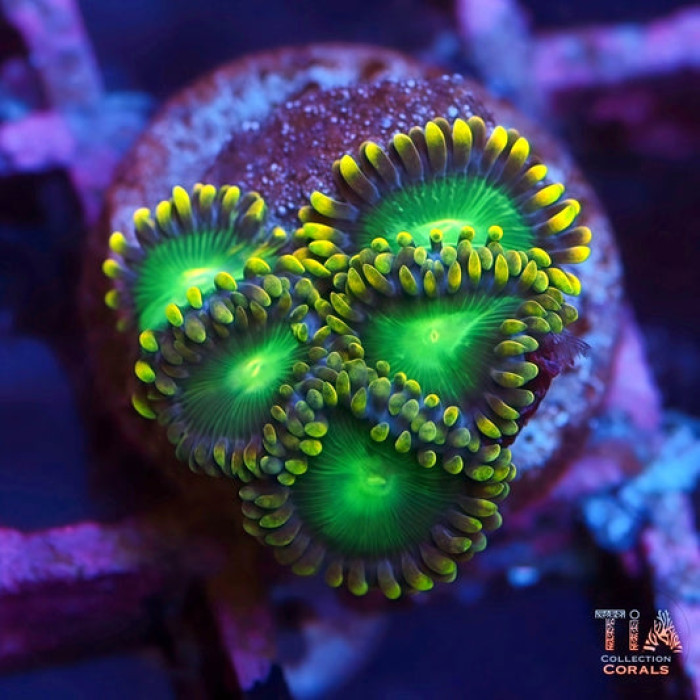
Zoanthids (commonly called "zoas") are among the most popular corals in the reef aquarium hobby, and for good reason. These colorful soft corals come in an incredible variety of patterns and colors, from vibrant reds and oranges to electric blues and greens. Whether you're a beginner starting your first reef tank or an experienced reefer looking to expand your collection, this comprehensive guide will help you successfully keep and grow beautiful zoanthid colonies.
What Are Zoanthids?
Zoanthids are colonial soft corals belonging to the order Zoantharia. Unlike hard corals (LPS and SPS), zoas don't have a calcium carbonate skeleton, making them more forgiving and easier to care for. Each polyp features a central oral disc surrounded by tentacles, and colonies spread by producing new polyps along a shared tissue mat called a coenenchyme.
Two main genera are commonly kept in reef aquariums:
- Zoanthus - Smaller polyps, typically 5-10mm, often with more intricate patterns
- Palythoa - Larger polyps, 10-20mm, generally hardier but less colorful
Ideal Water Parameters for Zoanthids
One reason zoanthids are so popular is their tolerance for a wide range of conditions. However, maintaining stable parameters will help your zoas thrive and display their best colors.
Recommended Parameters
- Temperature: 75-80°F (24-27°C)
- Salinity: 1.024-1.026 specific gravity
- pH: 8.1-8.4
- Alkalinity: 8-12 dKH
- Calcium: 380-450 ppm
- Magnesium: 1250-1350 ppm
- Nitrate: 5-20 ppm (zoas actually benefit from some nutrients)
- Phosphate: 0.03-0.1 ppm
Pro tip: Track your water parameters consistently with the ReefBay app to spot trends and maintain stability.
Lighting Requirements
Zoanthids are highly adaptable when it comes to lighting, but getting it right will enhance their colors and growth rate.
PAR Levels
- Low light: 50-100 PAR - Zoas will survive but may stretch toward light
- Medium light: 100-200 PAR - Ideal range for most zoanthids
- High light: 200-300 PAR - Some varieties thrive here, but watch for bleaching
Light Acclimation
When adding new zoanthids to your tank, start them in a lower light area and gradually move them higher over 2-3 weeks. This prevents light shock and gives the coral time to adapt to your specific lighting spectrum.
Flow Requirements
Proper water flow keeps zoanthids healthy by:
- Delivering food particles to the polyps
- Removing waste and preventing detritus buildup
- Preventing algae growth on the coral tissue
Ideal flow: Low to moderate, indirect flow. Polyps should sway gently but not be blasted flat. Strong direct flow can cause polyps to stay closed and prevent feeding.
Placement in Your Reef Tank
Zoanthids are incredibly versatile for aquascaping:
Best Placement Options
- Rock work mid-level: Most common placement, allows easy viewing
- Frag racks: Great for growing out new colonies before permanent placement
- Sandy substrate: Palythoas especially can thrive on sand beds
- Island rocks: Create colorful focal points surrounded by sand
Spacing Considerations
While zoas don't have sweeper tentacles like many LPS corals, they can still engage in chemical warfare with neighboring corals. Leave at least 2-3 inches between zoanthid colonies and other coral species.
Feeding Zoanthids
Zoanthids are photosynthetic, meaning they get most of their nutrition from their symbiotic zooxanthellae algae. However, supplemental feeding can accelerate growth and enhance colors.
Feeding Options
- Broadcast feeding: Add reef foods like rotifers, copepods, or coral foods to the water column
- Target feeding: Use a pipette to deliver food directly to polyps (best for larger Palythoa species)
- Amino acids: Supplements like Brightwell Aquatics Amino or Coral Amino can boost growth
Feeding schedule: 1-2 times per week is sufficient. Overfeeding can lead to water quality issues.
Common Zoanthid Problems and Solutions
Closed Polyps
Causes: Poor water quality, too much light, excessive flow, or stress from recent move
Solution: Test water parameters, reduce lighting intensity, adjust flow, and give the coral time to acclimate
Zoa Pox
Symptoms: White or tan bumps on the polyp tissue
Treatment: Dip affected frags in a coral dip solution. Severe cases may require isolation and extended treatment.
Zoanthid-Eating Nudibranchs
Signs: Mysterious polyp loss, small slugs on rocks at night
Solution: Dip all new corals before adding to your tank. If infestation occurs, remove affected rocks and inspect thoroughly. Consider adding wrasses that eat small invertebrates.
Melting/Recession
Causes: Bacterial infection, poor water quality, or allelopathy from nearby corals
Solution: Improve water quality, increase carbon filtration, and consider relocating the affected colony
Fragging Zoanthids
One of the best things about zoanthids is how easy they are to propagate. Fragging zoas lets you share colonies with fellow reefers or fill in bare spots in your tank.
Fragging Methods
- Cutting: Use a sharp blade to cut through the mat between polyps, then glue to a new plug
- Peeling: Gently peel polyps off a rock by working under the mat
- Letting them spread: Place a frag plug next to an established colony and let it naturally colonize
Fragging Safety
Important: Some zoanthids (especially Palythoa) contain palytoxin, one of the most potent toxins in nature. Always wear gloves and eye protection when fragging, and never boil or burn rocks with zoanthids attached. Work in a well-ventilated area and wash hands thoroughly after handling.
Popular Zoanthid Varieties
The reef aquarium market offers hundreds of named zoanthid varieties. Here are some fan favorites to look for:
- Utter Chaos: Multicolored with orange, green, and purple
- Rasta: Green and red Jamaican flag colors
- Armor of God: Blue center with orange skirt
- Sunny D: Bright orange with green center
- Eagle Eye: Classic gold/green combo
- Fire and Ice: Red and blue contrast
Browse our marketplace to find zoanthids for sale from trusted reef vendors.
Building a Zoanthid Garden
Many reefers dedicate entire sections of their tank to zoanthid gardens. Here's how to create a stunning zoa display:
- Choose a flat rock or tile: Provides a canvas for your collection
- Start with hardy varieties: Eagle eyes, dragon eyes, and green bay packers are great starters
- Add color variety: Mix warm colors (reds, oranges) with cool colors (blues, greens)
- Be patient: Let each colony establish before adding more neighbors
- Document growth: Take photos monthly to track your garden's progress
Tank Mates for Zoanthids
Zoanthids are generally compatible with most reef inhabitants, but watch out for:
Good Tank Mates
- Clownfish
- Gobies
- Blennies
- Cleaner shrimp
- Most other soft corals
Proceed with Caution
- Angelfish: Some may nip at polyps
- Butterflyfish: Many are not reef safe
- Sea urchins: Can bulldoze colonies while grazing
- Aggressive LPS: Keep distance from corals with long sweeper tentacles
Conclusion
Zoanthids offer reef keepers an incredible combination of beauty, variety, and ease of care. By providing stable water parameters, appropriate lighting and flow, and occasional feeding, you can grow stunning colonies that become the centerpiece of your reef aquarium.
Ready to start or expand your zoanthid collection? Browse zoanthids for sale on the ReefBay marketplace, or download the ReefBay app to track your water parameters and get personalized care reminders.