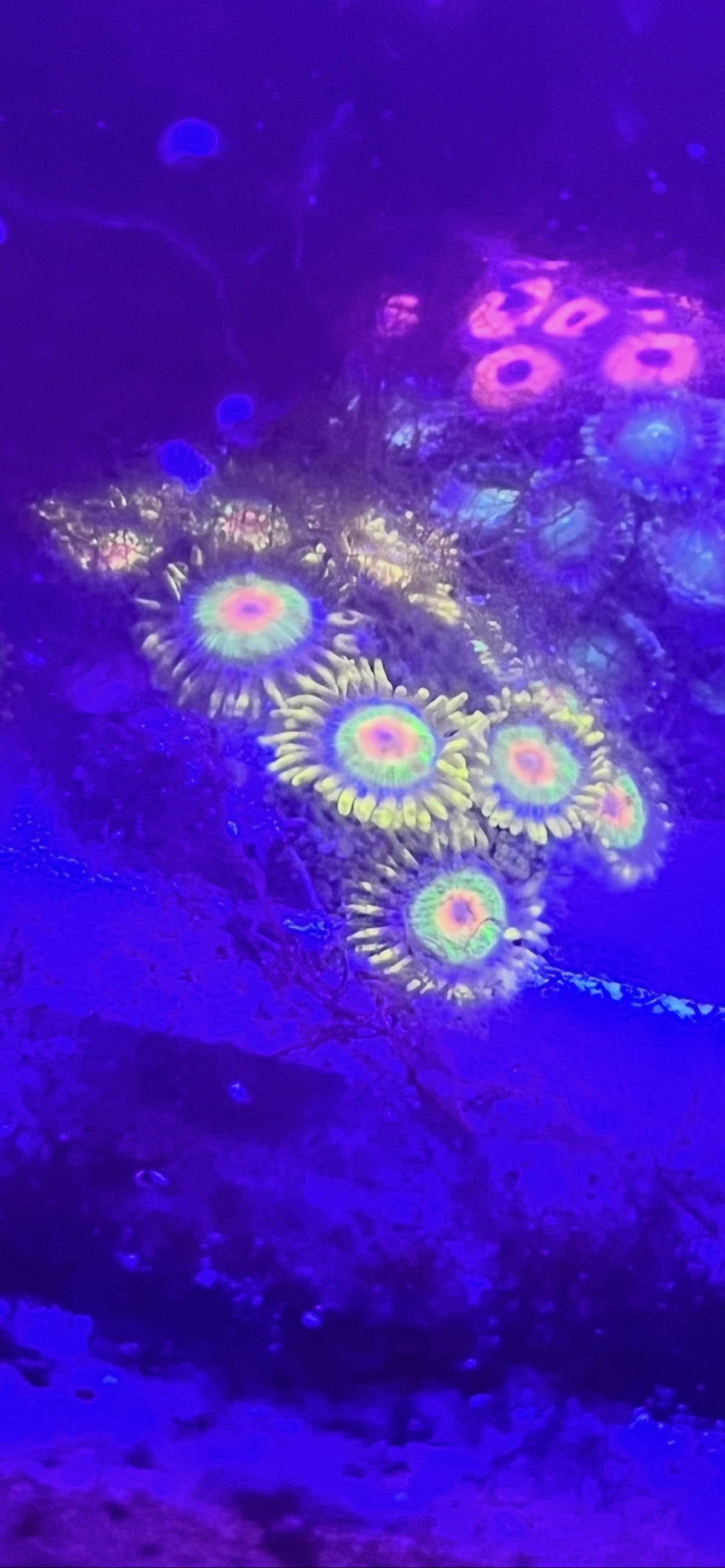
Starting a reef tank is exciting, but there's one critical step every successful reefer must understand: the nitrogen cycle. Cycling your tank properly is the foundation for a thriving reef ecosystem.
What Is the Nitrogen Cycle?
The nitrogen cycle is nature's waste processing system. Fish produce ammonia through waste, which is toxic. Beneficial bacteria convert this ammonia into less harmful compounds:
- Ammonia (NH3) - Highly toxic to fish and coral
- Nitrite (NO2) - Still toxic, converted by Nitrosomonas bacteria
- Nitrate (NO3) - Less toxic, converted by Nitrobacter bacteria
What You'll Need
- Test kit - API or Salifert tests for ammonia, nitrite, nitrate
- Ammonia source - Pure ammonia, fish food, or raw shrimp
- Quality live rock - Surface area for bacteria (browse live rock)
- Heater and circulation - Stable temps (76-80°F) and oxygen
Week-by-Week Cycling Process
Week 1: Setup
Fill tank with saltwater at 1.025 specific gravity. Add live rock and substrate. Introduce ammonia source until you reach 2-4 ppm.
Weeks 2-3: Nitrite Spike
Ammonia drops while nitrite rises. Keep lights minimal, maintain stability, don't add livestock.
Weeks 4-6: Completion
Your cycle is complete when ammonia and nitrite both read 0 ppm, with nitrate present.
Speed Up the Cycle
- Bottled bacteria - Fritz Turbo Start or Dr. Tim's can cut time to 1-2 weeks
- Seeded media - Borrow from established tanks
- Cured live rock - Find live rock from fellow reefers
Common Mistakes
- Adding fish too early - wait for zeros on ammonia AND nitrite
- Overdosing ammonia - keep under 4 ppm
- Skipping post-cycle water change - do 30-50% before livestock
First Livestock Additions
- Week 1: Clean-up crew - snails and hermit crabs
- Week 2-3: First fish - clownfish
- Week 4+: Beginner corals - mushrooms, zoanthids
Track Your Progress
The ReefBay app lets you log parameters over time, set testing reminders, and spot trends before they become problems.
Final Thoughts
Cycling isn't glamorous, but it's the most important thing you'll do for your reef tank. Those 4-8 weeks of patience pay off with a stable system ready for beautiful corals. Welcome to the hobby!