Every reef keeper eventually encounters unwanted hitchhikers and pests. Whether they arrived on a new coral frag or were present from day one, these creatures can quickly become problems if left unchecked. This guide covers the most common reef tank pests and how to eliminate them effectively.
Prevention: Your First Line of Defense
The best pest control is preventing pests from entering your tank in the first place. Follow these practices with every new addition:
- Dip all new corals – Use a coral dip like Coral Rx, Bayer, or ReVive before adding anything to your tank
- Quarantine new livestock – A separate quarantine tank gives you time to observe and treat
- Inspect carefully – Look for eggs, flatworms, or aiptasia hiding at the base of frags
- Clean frag plugs – Transfer corals to new plugs when possible
Even with precautions, pests happen. Here's how to deal with the most common ones.
Aiptasia: The Most Notorious Pest
Aiptasia anemones are small, brown, pest anemones that reproduce rapidly and can sting nearby corals. A single aiptasia can quickly become hundreds if not addressed.
Identification
Aiptasia are small (1/4" to 2") tan or brown anemones with long, thin tentacles. They often hide in rockwork crevices and retract quickly when touched. Don't confuse them with beneficial Majano anemones (which have shorter, rounded tentacles and are often more colorful).
Treatment Options
Biological Controls (Recommended):
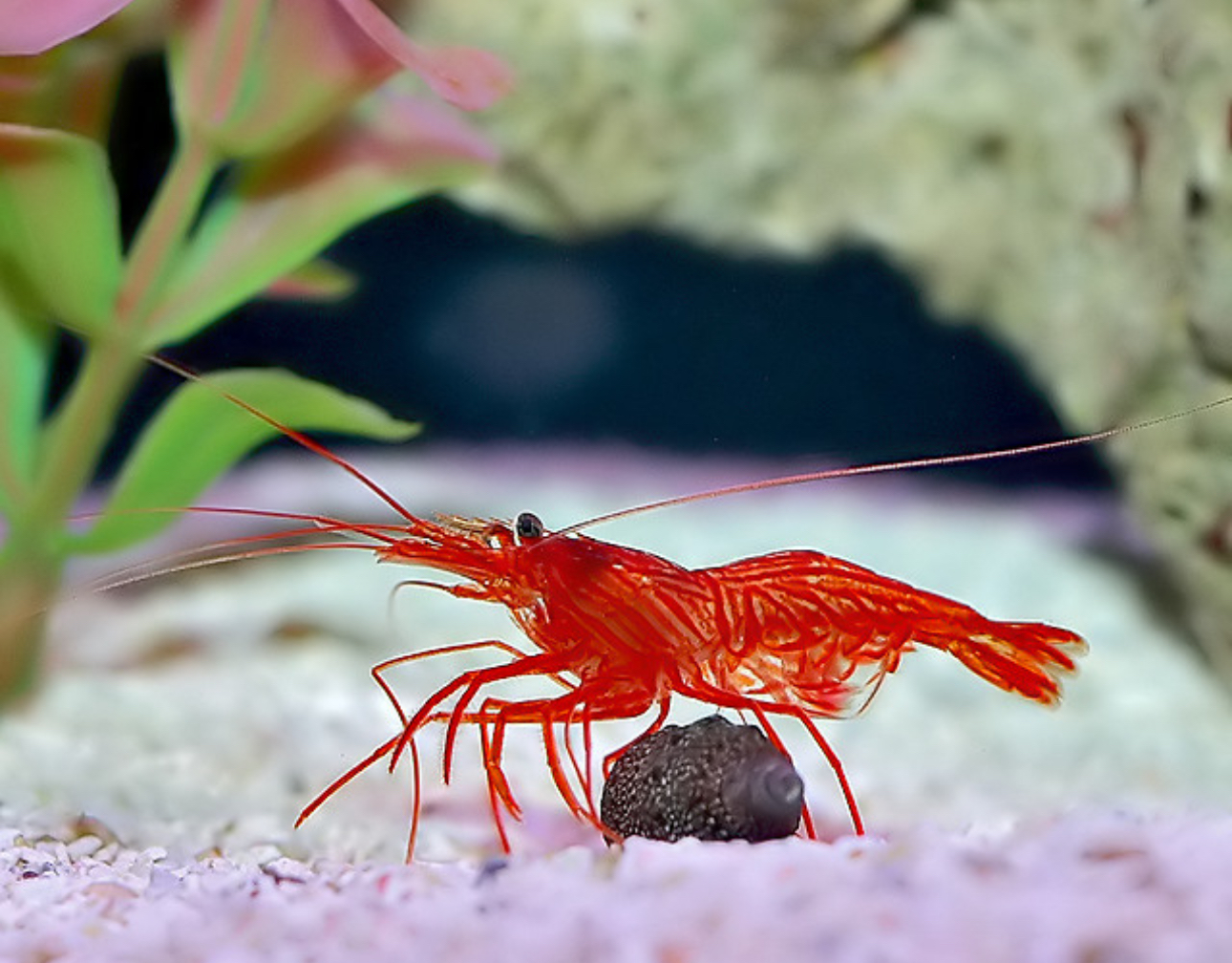
- Peppermint shrimp – The most popular natural solution. They actively hunt and eat aiptasia, often eliminating populations overnight.
- Berghia nudibranch – Specialized aiptasia predators. Effective but expensive and will starve once aiptasia are gone.
- Copperband butterflyfish – Some individuals eat aiptasia, but results vary and they're difficult to keep.
Chemical/Manual Methods:
- Aiptasia-X – Inject directly into the aiptasia's mouth. The anemone ingests it and dies without releasing spores.
- Kalkwasser paste – A thick calcium hydroxide paste applied directly to aiptasia. Effective but can affect local pH.
- Boiling water – For aiptasia on rocks that can be removed from the tank.
Important: Never try to physically remove aiptasia by scraping or cutting—this releases reproductive cells that spread the infestation.
Flatworms
Several types of flatworms infest reef tanks, with varying levels of harm.
Red Planaria
Small, rust-colored flatworms that cover corals and glass. They're mostly a nuisance, blocking light from corals, but large populations can stress inhabitants.
Treatment:
- Manual removal – Siphon off during water changes
- Flatworm Exit – Chemical treatment that kills flatworms (perform water change after as dying worms release toxins)
- Six-line wrasse – These fish eat flatworms, though they can be aggressive
- Natural predators – Dragonets and some leopard wrasses eat planaria
Acropora-Eating Flatworms (AEFW)
These tiny, nearly invisible flatworms are a serious threat to Acropora corals. Signs include white "bite marks" at the base of branches, tissue recession, and pale coloring.
Treatment:
- Coral dips – Bayer dip or CoralRx; dip affected colonies weekly until eliminated
- Quarantine – Isolate affected corals
- Remove eggs – Eggs are invisible and stick to coral bases; scrub with a toothbrush during dips
Bristle Worms: Friend or Foe?
Bristle worms are often misunderstood. Most are beneficial scavengers that clean up detritus and uneaten food. However, overpopulation can indicate feeding problems, and some species are harmful.
When to Control
- Overpopulation – If you're seeing dozens during the day, reduce feeding
- Fireworms – These larger, more colorful species can harm corals and fish
- Coral damage – If worms are actively eating corals (rare with common bristle worms)
Control Methods
- Bristle worm traps – Baited traps capture worms overnight
- Arrow crabs – Natural predators of bristle worms
- Coral-banded shrimp – Will eat smaller bristle worms
- Reduce feeding – Less food means fewer worms
Bubble Algae (Valonia)
These shiny green bubbles look almost artificial. While not directly harmful, they spread rapidly and compete with corals for space.
Treatment
- Emerald crabs – One of the few creatures that actively eat bubble algae. Add 1 per 25 gallons for infestations.
- Manual removal – Carefully remove without popping—the spores inside spread the problem
- Foxface rabbitfish – Some individuals eat bubble algae
Tip: When removing manually, place a net or container under the bubble to catch it if it pops.
Vermetid Snails
These tube-building snails send out long mucus nets to catch food. The nets irritate nearby corals, causing tissue recession and poor polyp extension.
Control Methods
- Manual removal – Break or crush tubes with tweezers or pliers
- Glue – Cover tube openings with super glue gel
- Yellow coris wrasse – May eat vermetid snails
- Bumblebee snails – Will eat vermetids trapped in their tubes
Montipora-Eating Nudibranchs
These tiny white nudibranchs target Montipora corals, leaving distinctive circular white patches where they've eaten tissue.
Treatment
- Coral dips – Dip affected colonies in CoralRx or Bayer
- Manual removal – Use tweezers to pick off visible nudibranchs
- Look for eggs – Spiral white egg masses on coral undersides; remove with a toothbrush
- Wrasses – Melanurus and other small wrasses may eat them
Asterina Starfish
These small, often lopsided starfish are common hitchhikers. Most are harmless scavengers, but some species do eat coral tissue, particularly zoanthids.
When to Worry
If you notice white patches appearing on corals near asterinas, they may be problematic. Watch them at night with a flashlight to see if they're feeding on corals.
Control
- Harlequin shrimp – Beautiful but dedicated starfish predators (need to be fed starfish regularly)
- Manual removal – Pick them out during water changes
- Don't worry – Most asterinas are harmless and populations self-regulate
Pest Prevention Checklist
Follow these steps with every new coral addition:
- Inspect the frag – Use a magnifying glass to check for eggs, flatworms, and pests
- Dip the coral – Use an appropriate coral dip for 5-15 minutes
- Rinse in tank water – Remove dip residue before adding to tank
- Consider quarantine – A separate tank lets you observe for problems
- Watch closely – Monitor new additions for the first few weeks
Dealing with pests is part of reefkeeping, but with vigilance and the right approach, you can keep your tank healthy. Browse shrimp and crabs that help control pests naturally, and keep your reef thriving.