
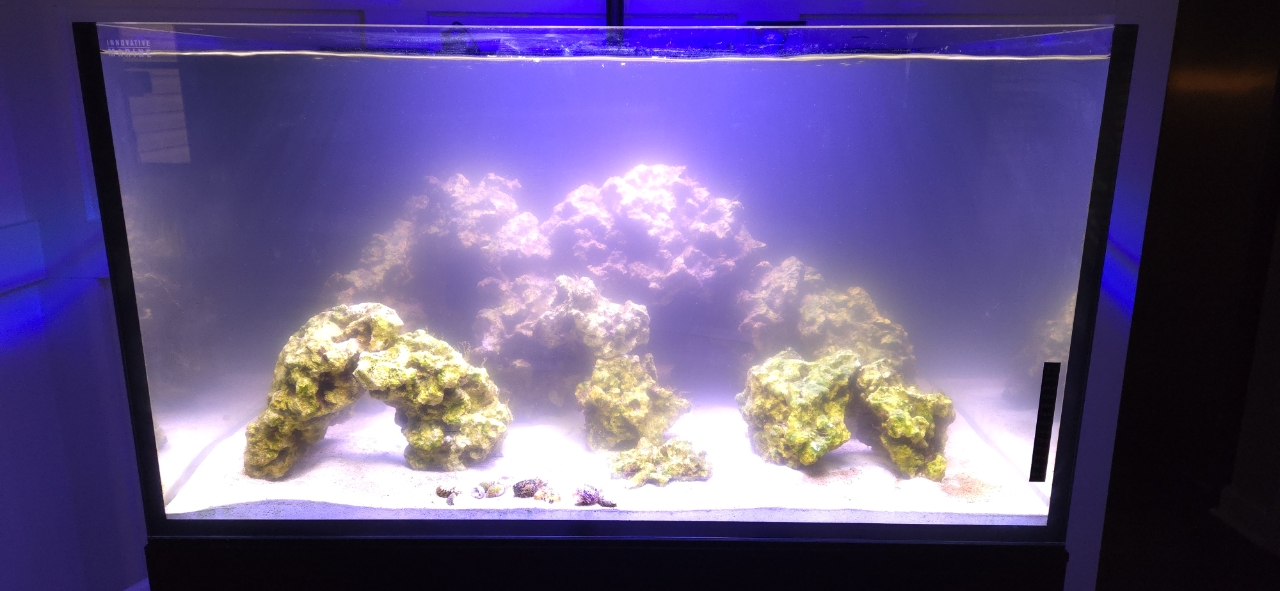
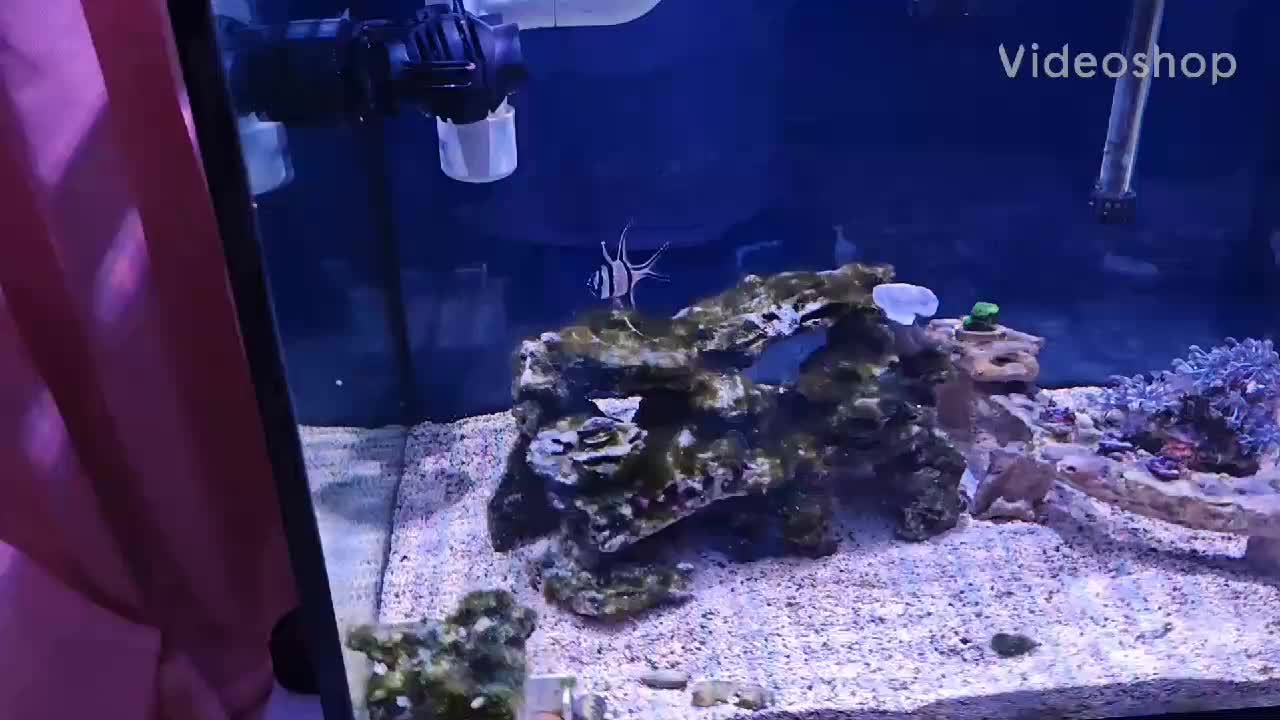
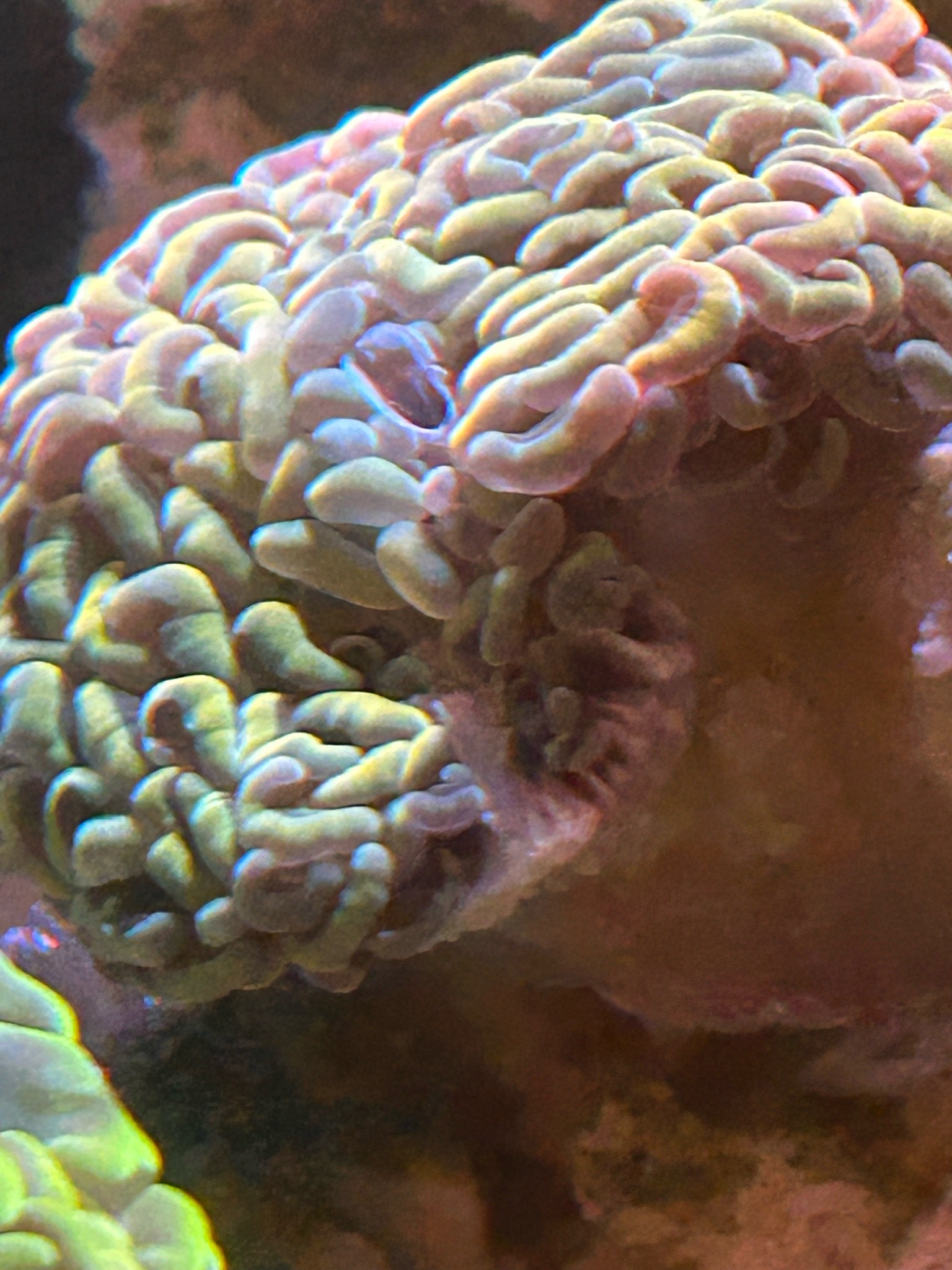
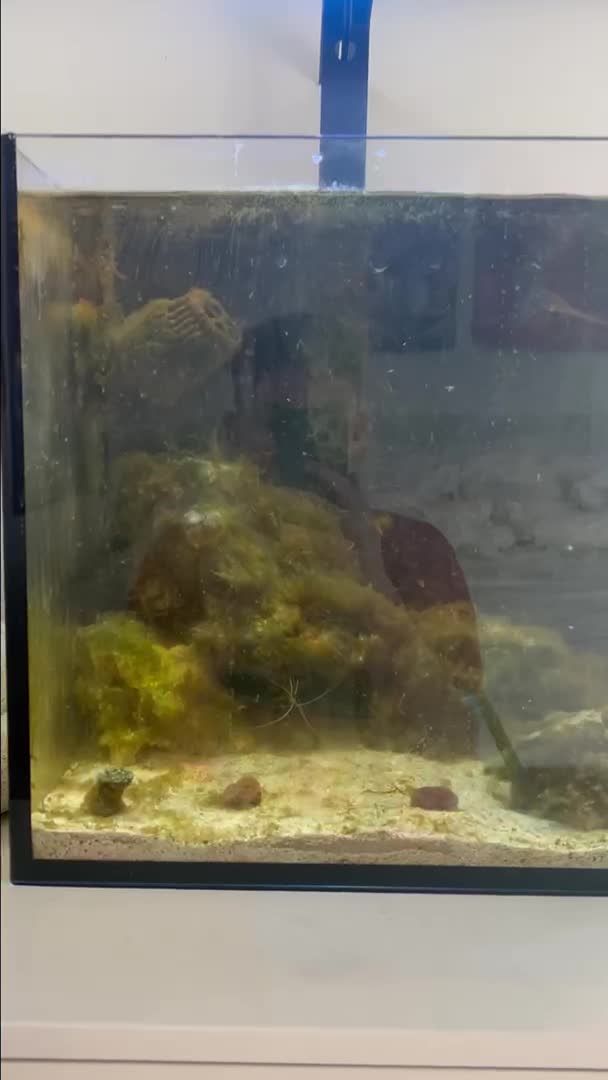
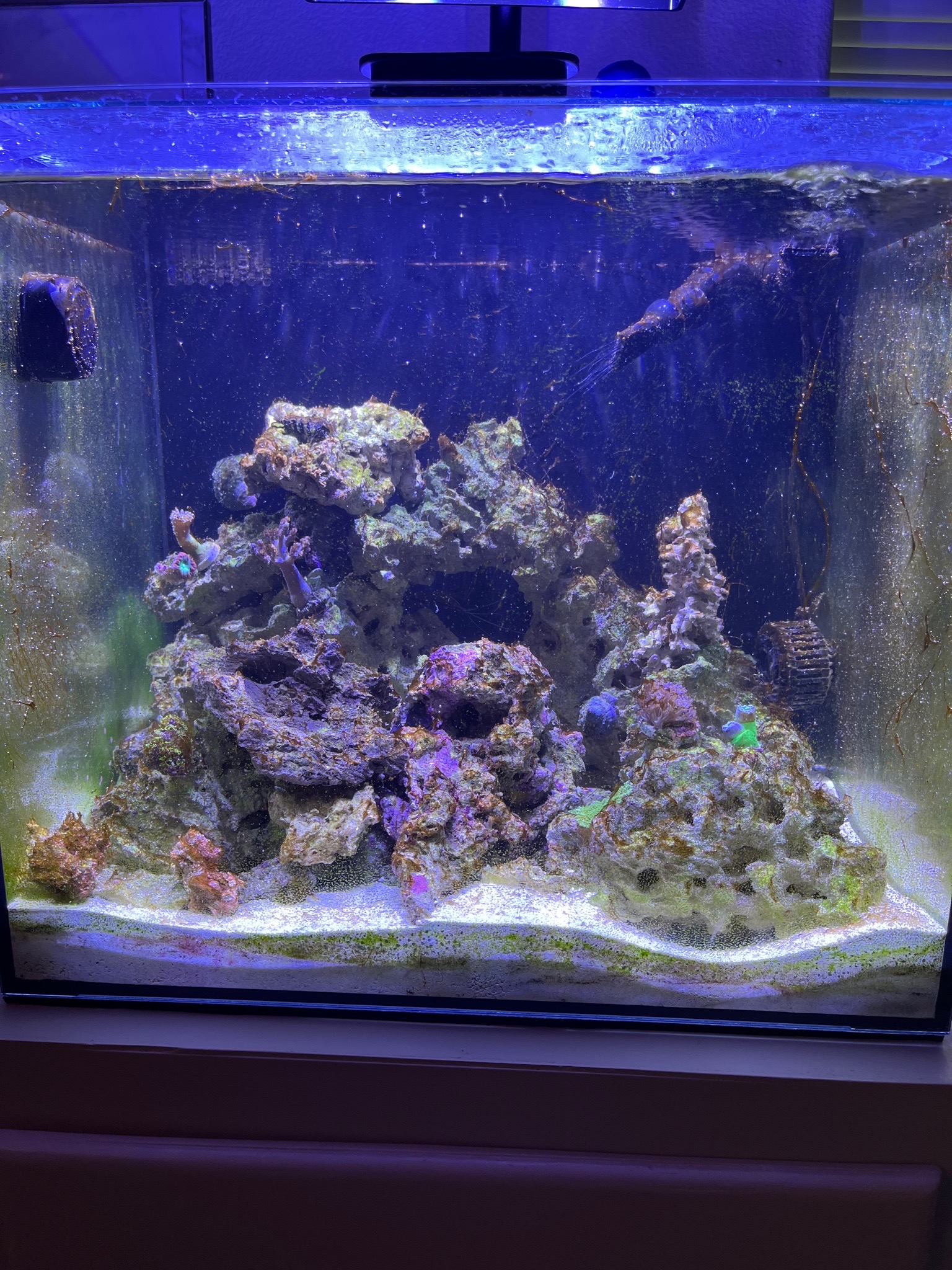
Ho questa alga verde che non riesco proprio a tenere sotto controllo. I parametri sono normali tranne il magnesio alto. Sto facendo cambi d'acqua settimanali del 20% per abbassarlo, ma l'alga continua a proliferare forte. Suggerimenti?
Ive got this green algae that I cant seem to get under control. Parameters are normal except high Magnesium. Doing weekly 20% water changes to lower it but the algae still kicks in hard. Any suggestions?
Commenti
Accedi per lasciare un commento
Ancora nessun commento
Inizia tu la conversazione.
 @RunswithTrtles
20d
Quando ce l'avevo, era dovuta a nitrati in eccesso e fosfati normali. I parametri sembrano normali perché l'alga sta assorbendo l'eccesso, quindi non è nella colonna d'acqua. Alimentare meno, se puoi, e le macroalghe nella sump sono secondo me il rimedio migliore.
When I had it, it was from excess nitrate and normal phos. Parameters look normal because the algae is soaking up the excess, so it's not in the water column. Feeding less if you can, and Macroalgae in the sump is the best remedy in my opinion.
 @DHood10
20d
Se i tuoi parametri dell’acqua sono buoni, prova a oscurare la vasca per qualche giorno
If your water parameters are good, try blacking out the tank for a few days
@Cdunn352
20d
Come influirà sugli anemoni?
How will that affect anemones?
@DHood10
20d
Se sono in salute dovrebbero riuscire a reggerlo. Li stressa un po’, ma se non tieni sotto controllo quell’alga, soffocherà tutto. Ho avuto un problema del genere di recente e ha ricoperto tutto
If they're healthy they should be able to handle it. It will stress them out a bit but if you don't get that algae under control it will drown everything out. I had an issue with it recently and it grew over everything
 @camaro42
20d
3% hydrogen peroxide. 0.5-1 ml per 10 gallons of water volume once daily.
 @singwithmylife
16d
Ucciderà anche qualcos'altro? Tipo cose che magari non vorrei che morissero?
Will that kill anything else? Like things I might not want to die?
 @Proofy
20d
Rimozione fisica (esportazione manuale) Problema: Una volta che le alghe a ciuffo si sono insediate formando un tappeto spesso, gli erbivori spesso evitano i lunghi filamenti fibrosi. Soluzione: Strappa e sifona manualmente la maggior parte della crescita durante i cambi d'acqua prima di intervenire biologicamente. Spazzolare la rocciata fuori dalla vasca o proprio accanto a un tubo del sifone impedisce ai filamenti sciolti di depositarsi e riseminare. 3. Squadra di pulizia biologica (erbivoria mirata) Forti brucatori: i ricci Tuxedo (Mespilia globulus) sono i consumatori più implacabili e indiscriminati di alghe a ciuffo corte e tappeto. Pulitori specializzati: i granchi smeraldo (Mithraculus sculptus) strappano via i tappeti spessi, mentre lumache erbivore come Trochus, Turbo e grandi lumache Cerith gestiscono le superfici della roccia una volta che il tappeto viene tagliato corto. Nudibranchi/limacce: una lepre di mare (Dolabella auricularia) falcerà rapidamente una foresta di alghe a ciuffo, anche se deve essere trasferita o alimentata con nori supplementare una volta che il raccolto è stato eliminato per evitare che muoia di fame. 4. Regolazione del fotoperiodo e dello spettro Problema: spettri alti di bianco, rosso e verde insieme a fotoperiodi lunghi fanno esplodere le alghe filamentose verdi. Soluzione: riduci il fotoperiodo complessivo di 1–2 ore, abbassa i canali caldi/bianco (favorendo gli spettri blu/attinici per la vitalità dei coralli) e considera un blackout di 3 giorni se i coralli non sono troppo stressati. 5. Knockout chimico / enzimatico (se persiste) Se l'esportazione manuale e l'aggiunta di una squadra di pulizia non cambiano le cose, un trattamento attivo con Fluconazole (Reef Flux) o alghicidi (come Vibrant o MicroBacter Clean) romperà le pareti cellulari delle alghe filamentose verdi senza danneggiare coralli SPS/LPS o la filtrazione biologica.
Physical Removal (Manual Export) Issue: Once hair algae establishes a thick turf, grazers often avoid the long, fibrous strands. Fix: Manually pluck and siphon the bulk growth during water changes before targeting it biologically. Scrubbing rockwork outside the tank or right next to a siphon tube prevents loose filaments from settling and reseeding. 3. Biological Cleanup Crew (Targeted Herbivory) Heavy Grazers: Tuxedo Urchins (Mespilia globulus) are the most relentless, indiscriminate consumers of short hair algae and turf. Specialized Cleaners: Emerald Crabs (Mithraculus sculptus) tear through thick mats, while herbivorous snails like Trochus, Turbo, and large Cerith snails handle the rock surfaces once the turf is trimmed short. Nudibranchs/Slugs: A sea hare (Dolabella auricularia) will mow down a hair algae forest rapidly, though it must be rehomed or supplemental nori fed once the crop is cleared to avoid starvation. 4. Photoperiod & Spectrum Adjustment Issue: High white, red, and green spectrums alongside long photoperiods supercharge green filamentous algae. Fix: Dial back the overall photoperiod by 1–2 hours, drop the warm/white channels down (favoring blue/actinic spectrums for coral vitality), and consider a 3-day blackout if corals aren't overly stressed. 5. Chemical / Enzymatic Knockout (If Persistent) If manual export and clean-up crew additions do not turn the tide, an active treatment of Fluconazole (Reef Flux) or algaecides (like Vibrant or MicroBacter Clean) will break down the cell walls of filamentous green algae without harming SPS/LPS corals or biological filtration.
@Proofy
20d
Spettri dei canali Canali bianco / caldo / rosso / verde: riducili drasticamente all'8% – 12% (o completamente spenti se l'infestazione è aggressiva). Rimuovere i diodi rossi e verdi taglia i principali fattori fotosintetici che le alghe filamentose sfruttano rispetto ai coralli. Canali blu royal / blu intenso: mantienili al 55% – 65%. Così preservi abbastanza PAR (radiazione fotosinteticamente attiva) per il tessuto dei coralli e le zooxantelle, privando però le alghe della luce a spettro completo. Canali violetto / UV: imposta tra il 20% – 30% per sostenere la fluorescenza dei coralli e i principali processi fotosintetici senza favorire una crescita vegetativa di tipo terrestre. 2. Tempistiche del fotoperiodo Fotoperiodo totale: riducilo dai normali programmi di 10–12 ore a 7.5 – 8 ore totali. Tempi di rampa: 1.5 a 2 ore di avvio graduale (solo blu), una finestra di picco condensata di 3.5 a 4 ore, e 1.5 a 2 ore di spegnimento graduale. Esempio di programma: 11:30 – 13:30 (Avvio graduale): i canali blu passano da 0% a 50%; bianco/spettro completo resta a 0%. 13:30 – 17:30 (Finestra di picco): blu al 60–65%, bianchi limitati al 10–12%. 17:30 – 19:30 (Spegnimento graduale): i bianchi si spengono completamente (0%); i blu scendono da 50% a 0%.
Spectrum Channels White / Warm / Red / Green Channels: Cut drastically to 8% – 12% (or completely off if the outbreak is aggressive). Removing red and green diodes cuts off the primary photosynthetic drivers that hair algae exploits over corals. Royal Blue / Deep Blue Channels: Maintain at 55% – 65%. This preserves enough PAR (Photosynthetically Active Radiation) for coral tissue and zooxanthellae while starving the algae of full-spectrum light. Violet / UV Channels: Set between 20% – 30% to sustain coral fluorescence and core photosynthetic pathways without promoting terrestrial-style vegetative growth. 2. Photoperiod Timing Total Photoperiod: Reduce from standard 10–12 hour schedules down to 7.5 – 8 hours total. Ramp Times: 1.5 to 2 hours ramp-up (blues only), a condensed 3.5 to 4-hour peak window, and a 1.5 to 2 hours ramp-down. Example Schedule Profile: 11:30 – 13:30 (Ramp-Up): Blue channels ramp from 0% to 50%; White/Full-spectrum remains at 0%. 13:30 – 17:30 (Peak Window): Blues at 60–65%, Whites capped at 10–12%. 17:30 – 19:30 (Ramp-Down): Whites shut off completely (0%); Blues ramp down from 50% to 0%.
 @Thamann9154
19d
Dosate Vibrant, se no dosate perossido di idrogeno
Dose vibrant if not then dose hydrogen peroxide

Prova dei granchi pitho, lo adorano
Try some pitho crabs they love it
@Cdunn352
19d
Ne ho 2 lì dentro. Potrei doverlo aumentare fino a un totale di 4. Però quelli e i granchi smeraldo ci sono sempre sopra, mi sembra solo troppo per quello che c'è dentro. (2 pitho & 5 emerald)
Have 2 in there. I may need to bump it up to a total of 4. But them and the emerald crabs are always on it, just seems like too much for what's in there. (2 pitho & 5 emerald)
 @Petey
14d
Avevo questo problema e ho usato una spazzola elettrica. L’ho tolto in fretta e sono riuscito a fare in modo che non ricrescesse nulla grazie al controllo dei parametri.
Had this issue and used an electric scrub brush. Got it off fast and was able to make sure nothing new grew back with parameter control.

Il mio suggerimento è un attacco su più fronti. 1. Prendi un Lawnmower Benny, comincerà a mangiarla via. 2. Riduci lentamente la quantità di cibo che dai e la frequenza, se possibile. Non so se hai un pesce che ha bisogno di essere nutrito spesso oppure no. 3. Prendi qualche lumaca turbo e granchi eremiti red o blue legged. 4. Riduci il tempo in cui la vasca è illuminata con luce bianca.
May suggestion is a multi-prong attack. 1. Get a Lawnmower Benny, it will begin to eat it away. 2. Reduce the amount you feed and the frequency slowly, if possible. I don't know if you have a fish that needs frequent feeding or not. 3. Get some turbo snails and hermit crabs ref or blue legged. 4. Reduce the time the tank is light with white light.
Accedi per partecipare alla conversazione.



🤔🤔🤔