Lindsay
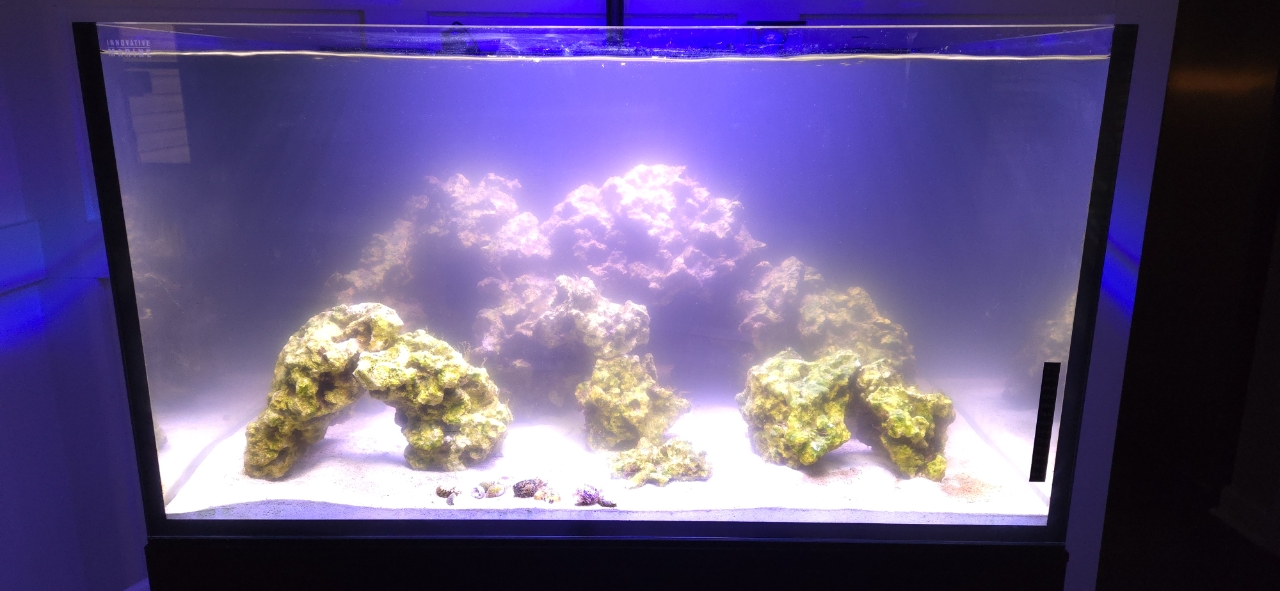
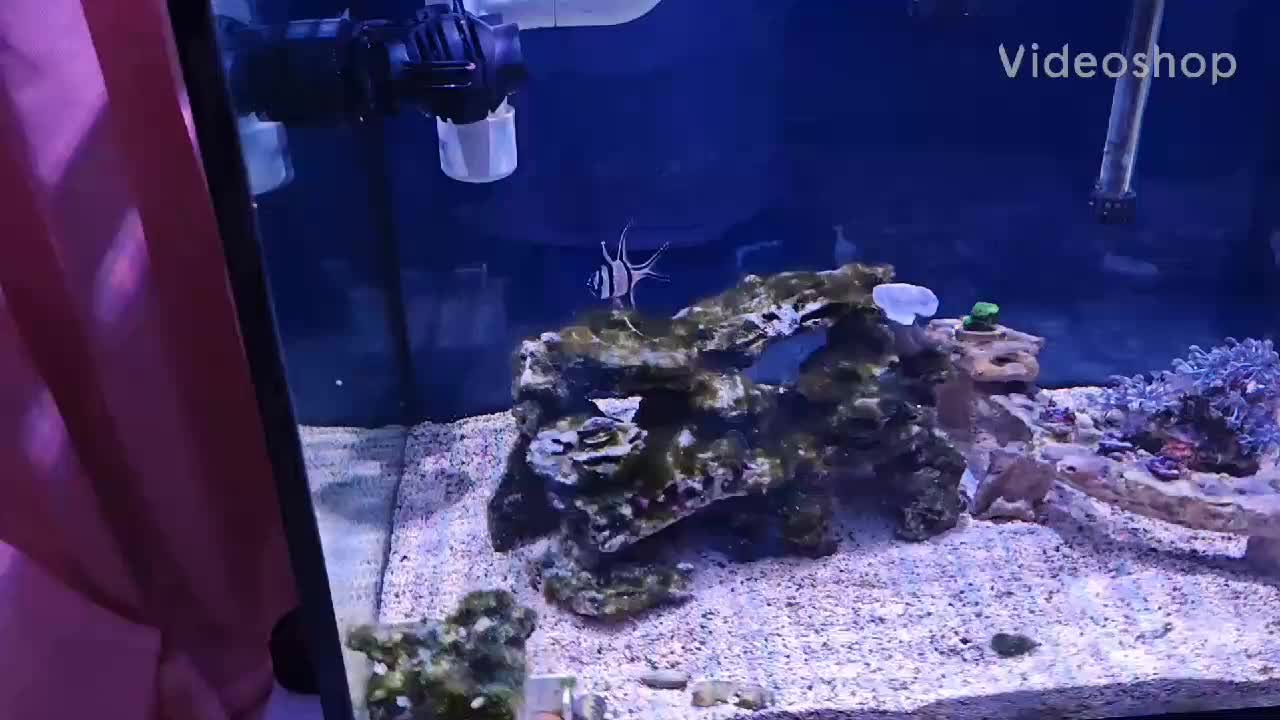
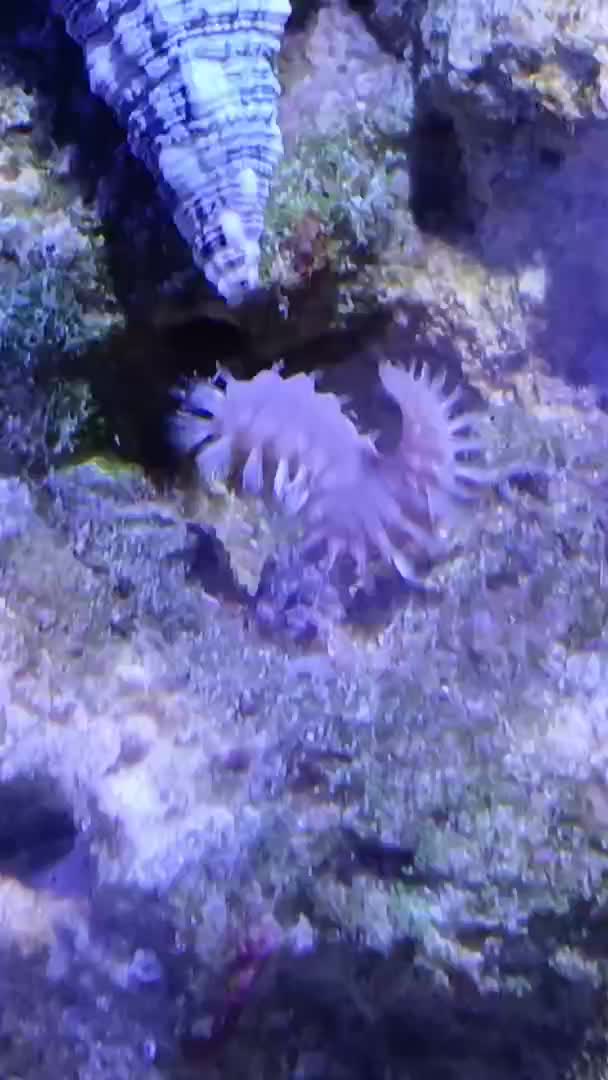
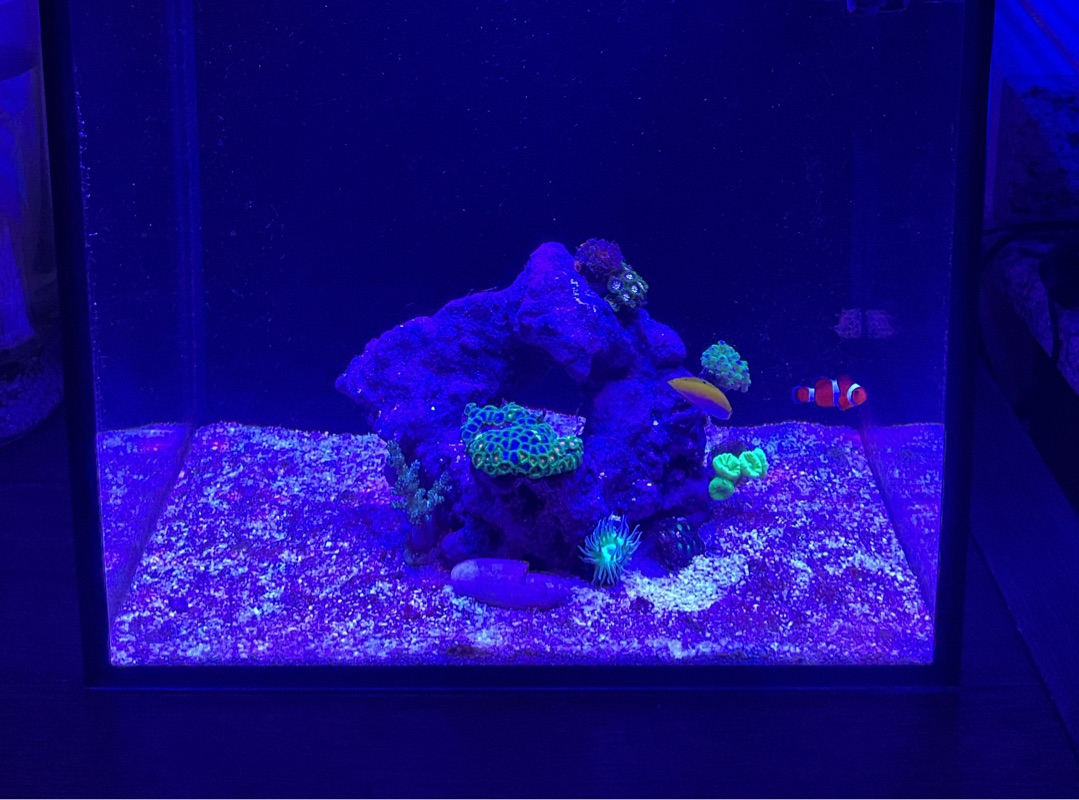
Does anyone know if this is red Coraline or red carpet dinos? Should I leave it? It didn't come off by blowing at it with a turkey bastet but it came off fairly easily. I put it on a paper towel and was able to smear it easily. My tank was set up January 1st if that matters at all. It's slowly spreading across the rocks, but there's none in the sand.
5 photos
2
Comments
Sign in to leave a comment
No comments yet
Be the first to start the conversation.
Sign in to join the conversation.
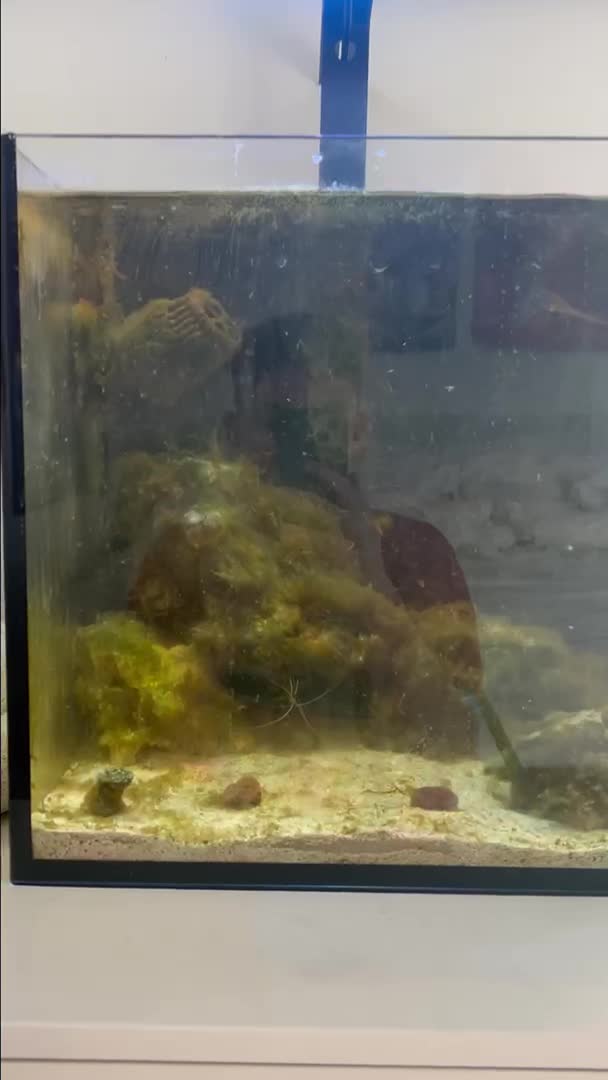
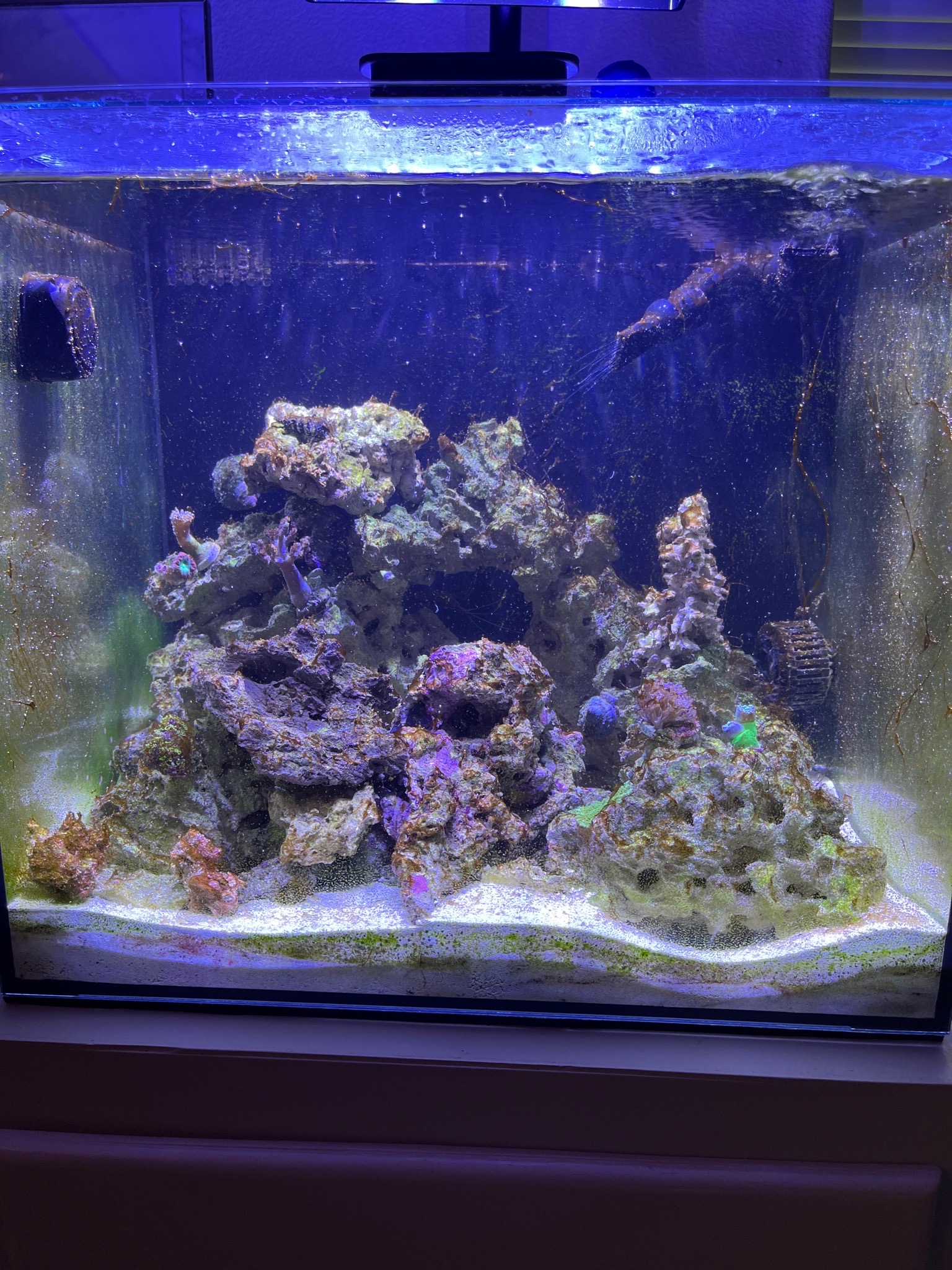



Looks like Cyano
Cyanobacteria, often appearing as a reddish-brown or black slime on rocks in saltwater aquariums, is primarily caused by a combination of factors including nutrient imbalances, poor water quality, and inadequate lighting. Specifically, it thrives on high levels of nitrates and phosphates, or when there's an imbalance between them, along with the presence of organic matter and insufficient water flow. Here's a more detailed look: 1. Nutrient Imbalance: High Nitrates and Phosphates: Cyanobacteria can utilize excess dissolved organic material (DOM) and nutrients like nitrates and phosphates, leading to blooms when these levels are elevated. Low Phosphates, High Nitrates: Conversely, a low phosphate (<= 0.05 ppm) with high nitrate (>Boston Reefers Society 5 ppm) level can also trigger cyano. High Phosphates, Low Nitrates: A similar scenario can occur with high phosphate (>Boston Reefers Society 0.05 ppm) and low nitrate (<= 5 ppm). 2. Poor Water Quality and Maintenance: Detritus Buildup: A lack of proper water circulation and insufficient cleaning can lead to detritus buildup, which can be a food source for cyano. Low Water Flow: Areas with poor water flow, like corners or areas behind rocks, are prone to detritus accumulation and cyano growth. Improper Lighting: Cyanobacteria can grow in a range of light conditions, but excessive or inappropriate light spectra can also contribute to outbreaks, especially with older T5 fluorescent lighting. 3. Other Factors: Airborne Spores: Cyanobacteria can even spread via airborne particulates, making it difficult to completely prevent it from entering a tank. New Tank Syndrome: Many new tanks experience cyano as part of the "new tank syndrome," where the beneficial microbiome is still developing. In summary, a stable and well-maintained aquarium with balanced nutrient levels, good water flow, and appropriate lighting is crucial for preventing cyano growth on rocks and other surfaces.