10 Reef Tank Essentials Beginners Actually Need
A practical breakdown of BRStv’s long-form beginner roadmap—what to buy first, where new reefers overspend, and the setup checklist that prevents common crashes.
Quick answer
Beginners actually need clean RO/DI water, a stable tank and stand, a heater, dependable return flow, circulation, and a calibrated salinity tool before buying livestock. After that, the real essentials are patience, basic testing, and a slow stocking plan, because stability prevents the early crashes that expensive add-ons cannot fix.
If you’re new to reefing, most “beginner gear lists” either oversimplify the process or push expensive equipment without context. A much better starting point is BRStv’s long-form episode “The 10 Things You Need for a Successful Saltwater Aquarium” with Ryan and Victor from World Wide Corals. It’s nearly 95 minutes, and that’s exactly why it’s useful: they explain why each item matters, not just what to buy.
In this article, we’ll break down what the video gets right, what it misses for true first-time hobbyists, and how to turn the advice into a practical first-month action plan. Source video attribution is at the end so you can watch the original in full.
What the Source Gets Right (and Why It Matters)
1) Starting with clean source water is non-negotiable
The strongest point in the video is the emphasis on RO/DI water. New hobbyists often underestimate how unstable tap water can be from city to city. Starting with clean water dramatically reduces nuisance algae, random chemistry swings, and long-term frustration.
If you need supplies, start by browsing RODI options and setup accessories in the marketplace.
2) Budgeting should prioritize reliability over “cool factor”
Ryan and Victor repeatedly separate true needs from wants. That framing is excellent for beginners. A stable glass box, dependable return flow, and consistent temperature are more important than add-ons in week one.
3) Biological stability beats rushing livestock
Another strong takeaway: success comes from sequencing. Build and stabilize the environment before chasing “dream fish” and expensive corals. This is boring advice—and exactly the advice that prevents early crashes.
4) They normalize long-term planning
Many first reef setups fail because people only plan the purchase day, not the maintenance rhythm. The video does a good job reinforcing recurring work: testing, top-off, and consistency.
What’s Missing or Risky for New Reefers
1) The line between “essential” and “upgrade” can still blur
Even in a “needs vs wants” format, beginners may still leave with a shopping list that’s too large. The safer interpretation is this: if removing an item would directly threaten livestock health, it’s essential. If it improves convenience or polish, it can wait.
2) New hobbyists need explicit stocking pace guidance
The video is excellent on equipment philosophy, but beginners also need strict pacing rules for fish and coral additions. Overstocking early remains one of the fastest paths to instability.
3) Quarantine and disease prevention deserve stronger emphasis
Plenty of tanks fail from preventable fish disease outbreaks, not hardware limitations. Every beginner should have a simple plan for observation, acclimation, and risk reduction before introducing fish.
4) Ongoing cost management isn’t highlighted enough
Up-front gear is only part of the financial picture. Salt, test kits, media, replacement consumables, food, and livestock losses all add up. A reef succeeds when the monthly process is sustainable, not just the launch day.
Actionable Beginner Checklist (First 30 Days)
Use this as your practical execution list after watching the source video:
Week 1: Foundation
- Choose tank size and stand with long-term placement in mind.
- Set up RODI water production or a consistent trusted source.
- Install core gear: heater, return flow, and circulation pump.
- Mix saltwater and verify salinity with a calibrated instrument.
Week 2: Stability and Cycling
- Begin cycle process and monitor ammonia/nitrite progression.
- Run lighting conservatively; avoid overexposure early.
- Track baseline parameters consistently (temperature, salinity, alkalinity).
Week 3: Early Livestock Discipline
- Add only a very limited first fish group, not a full wish list.
- Feed lightly and watch nutrient trend response.
- Plan cleanup crew intentionally: browse options like snail and crab.
Week 4: Build Repeatable Habits
- Create a weekly maintenance checklist and stick to it.
- Set realistic test cadence; avoid random over-testing without action thresholds.
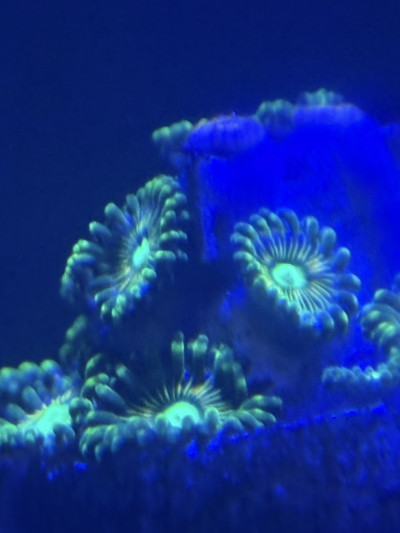
- If adding beginner coral, start hardy choices such as zoa, mushroom, or hammer once parameters are stable.
Simple “Needs First” Buying Framework
Before any purchase, ask:
- Does this directly protect livestock health? If yes, prioritize now.
- Does this reduce maintenance risk? If yes, prioritize soon.
- Does this only improve convenience or aesthetics? If yes, schedule for later.
This framework keeps you from overspending on day one while still building a system that can support healthy fish and coral long term.
ReefBay-Specific Next Steps
- Browse starter livestock and equipment in the ReefBay marketplace.
- Use focused searches like clownfish, goby, and anemone when planning your stocking path.
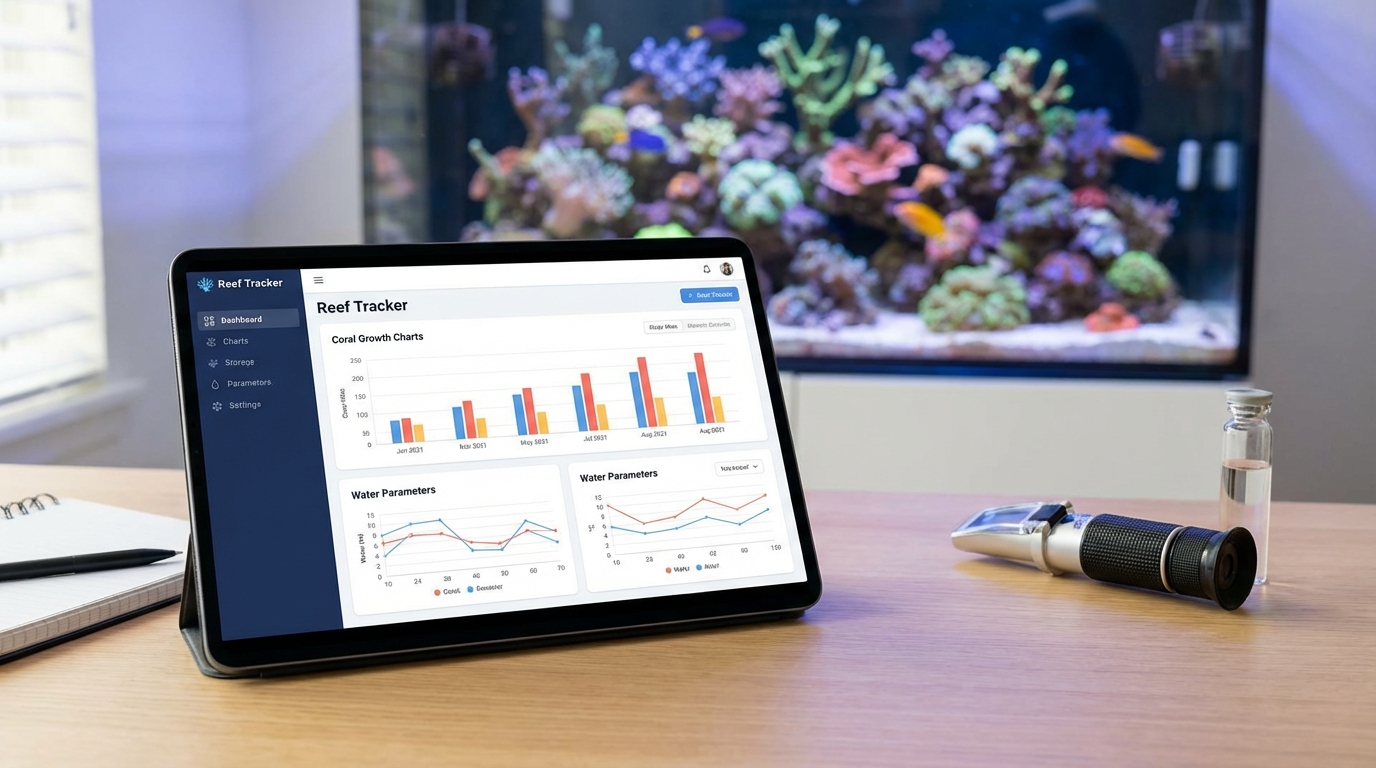
- Download the ReefBay app to keep your setup process organized and make faster, better buying decisions.
Source Attribution
This analysis is based on the original YouTube video by BRStv - Saltwater Aquariums & Reef Tanks:
- Video: The 10 Things You Need for a Successful Saltwater Aquarium.
- Channel: BRStv - Saltwater Aquariums & Reef Tanks
- Watch: https://www.youtube.com/watch?v=0Ay69w434kY
Credit to the original creator for the educational source material. This article is ReefBay’s independent beginner-focused analysis and action plan.