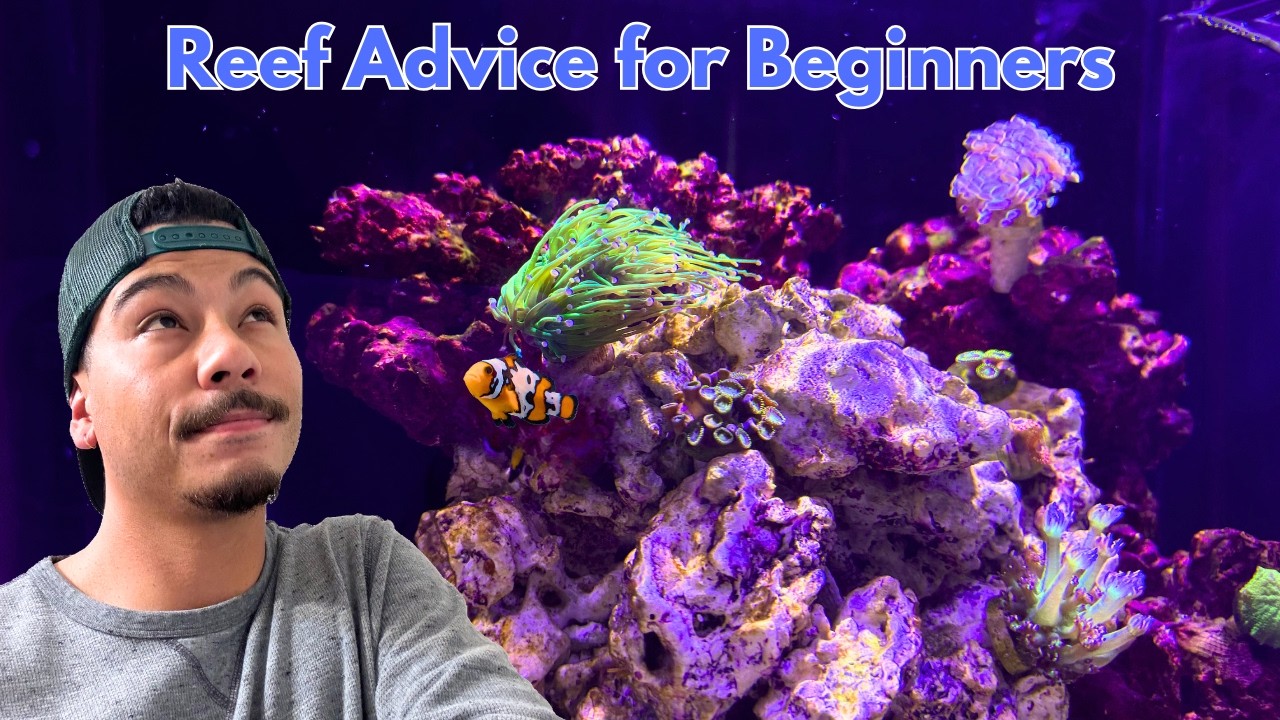
7 Reef Tank Lessons Beginners Should Follow Before Buying More Gear
A practical breakdown of what this ReefBay video nails, what it underweights, and the exact beginner checklist to avoid expensive reef tank mistakes.
Quick answer
Beginners should focus on stability, patience, and stocking discipline before buying more gear: expect diatoms, film algae, and short cyano phases, keep salinity at 1.025 to 1.026 and alkalinity around 7.5 to 9 dKH, avoid overfeeding, add livestock slowly, and use quarantine plus 0 TDS RODI water.
Most beginner reef crashes are not caused by one dramatic mistake. They are usually caused by a pile of small decisions: overfeeding, rushing livestock, chasing numbers, or buying equipment before building habits. This walkthrough shares hard-earned lessons that are genuinely useful for first-year reefers.
What this video gets right
1) Ugly stages are normal, not failure
The video correctly frames diatoms, film algae, and short cyano phases as expected in young systems. That mindset prevents panic decisions that make tanks less stable.
2) Stability beats perfection
Calling out “don’t chase perfect numbers” is smart. New hobbyists often over-correct pH, nitrate, or phosphate without understanding trend lines. Consistent, in-range parameters are usually better than constant tinkering.
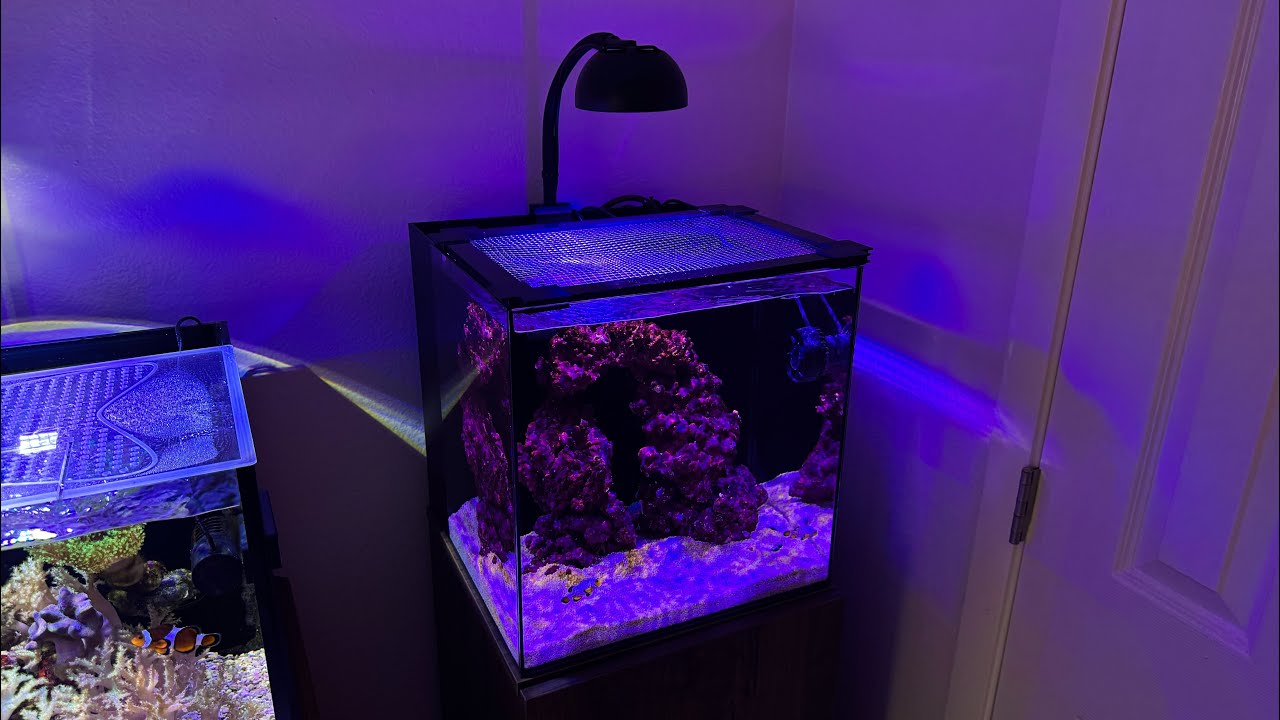
3) Rock layout affects flow and detritus
Beginner aquascapes often trap waste behind dense rock walls. Prioritizing pass-through flow and serviceability is great advice that saves months of nuisance algae.
4) Overfeeding is a silent budget killer
Extra food quickly becomes extra phosphate, extra algae, and extra work. The warning here is accurate and practical for nano and midsize systems.
5) Early fish choices set the social dynamic
Recommending long-term compatible first fish instead of temporary aggression-prone placeholders is one of the most useful points for beginners.
What is missing or risky for beginners
- Quarantine/biosecurity: Disease prevention is barely discussed. A single unquarantined fish can reset months of progress.
- Water source discipline: Beginners need a hard rule: use 0 TDS RODI water for top-off and mixing.
- Nutrient guardrails: “Don’t chase numbers” is correct, but beginners still need boundaries to avoid drifting too far.
- Upgrade creep: Saying bigger tanks may be easier is true, but beginners should avoid impulse upgrades until maintenance is repeatable.
Beginner checklist: do this for the next 30 days
- Set a fixed feeding plan: one measured daily feed; no random extras.
- Track core parameters weekly: salinity, alkalinity, nitrate, phosphate, temperature.
- Use stable salinity habits: top off daily or use ATO; verify with calibrated refractometer.
- Keep export simple: floss changes, skimmer cup cleaning, and scheduled water changes.
- Add livestock slowly: one change at a time; observe for 10–14 days before next addition.
- Photograph the tank weekly: visual trend tracking catches decline early.
Suggested target ranges for new mixed reefs
- Salinity: 1.025–1.026
- Alkalinity: ~7.5–9 dKH
- Nitrate: ~5–20 ppm
- Phosphate: ~0.03–0.10 ppm
Consistency matters more than chasing someone else’s exact values.
Where ReefBay helps beginners execute
Use ReefBay to log test results and spot trends before problems compound. You can also compare livestock options and build a realistic stocking plan in the ReefBay marketplace. If you are still selecting first fish or beginner corals, start with focused searches like clownfish, goby, and zoa.
Bottom line
This video gives strong foundational guidance: patience, stable habits, and intentional stocking. Add quarantine discipline and basic parameter guardrails, and beginners dramatically improve their odds of making it past month three with a healthy, enjoyable reef.
Ready to make your tank easier to manage? Track parameters, plan purchases, and connect with reefers in the ReefBay app.