Reef Tank Beginner Advice: 5 Rules for Long-Term Success
Starting a reef tank? Here are the five most practical lessons from ReefBay’s latest YouTube video—what to ignore, what to simplify, and how to build stable results over time.
Quick answer
Long-term reef success comes from five basics: ignore “fast results” promises, start with simple equipment, stop copying other tanks’ numbers, expect maturity to take months, and manage the tank as an ecosystem rather than a machine. Stability, slow changes, and consistent observation beat quick fixes every time.
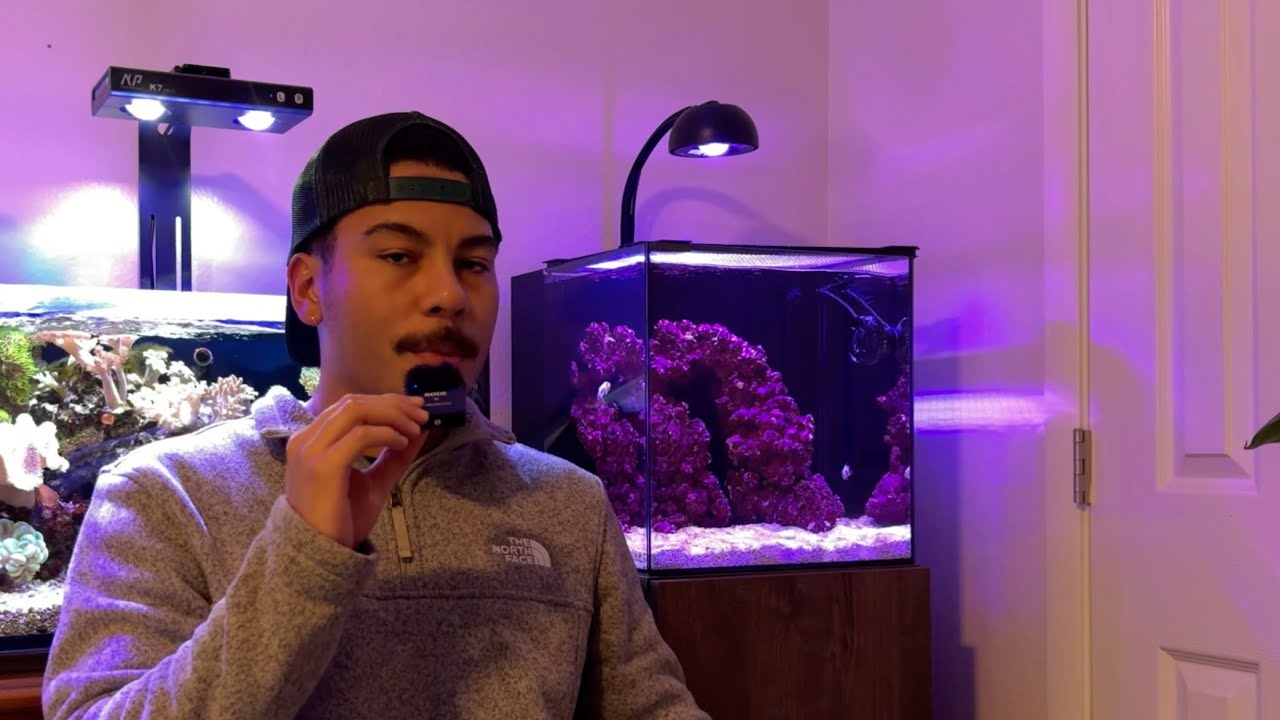
If you’re new to reefing, the hardest part is filtering noise from useful advice. In ReefBay’s latest YouTube video, we break down the beginner guidance that actually holds up long-term—especially if your goal is a stable, thriving reef tank and not just quick wins.
Watch the Full Video
This article is based on our latest video and transcript. The video is embedded above this post for a full walkthrough.
1) Ignore “Fast Results” Promises
One of the biggest beginner traps is chasing instant outcomes—usually from a product, additive, or piece of gear that promises dramatic change. Reef tanks are biological systems, and biology takes time.
While some targeted treatments can help specific issues, there is no true shortcut to a mature, healthy reef. If something sounds like a magic fix, treat it carefully and do your research before adding it to your system.
2) Keep Equipment Simple at First
You do not need every gadget on day one. Focus on the essentials:
- Reliable reef-safe lighting
- Strong, consistent water flow (powerhead/wavemaker)
- Stable temperature control (heater, or cooling if needed)
Everything else—ATOs, dosers, reactors, and even skimmers in some setups—can be added later based on your tank’s needs. Simpler setups are often easier to maintain, especially while you’re still learning your tank’s behavior.
3) Stop Chasing Other People’s Numbers
Copying someone else’s parameters without context causes more harm than good. A better approach is to establish your own baseline when your tank is doing well, then compare against that baseline over time.
Think of it like reef tank “lab work”: test, record, observe trends, and only make changes with intent. Stability beats constant adjustment.
4) Respect the Timeline: Maturity Takes Months
Three things in reefing require patience:
- Biological maturity (beneficial bacteria and ecosystem balance)
- Coral acclimation (new corals may need weeks to fully open and adapt)
- Stability through repetition (consistent feeding, testing, and maintenance)
If you rush stocking or constantly change your routine, you delay stability. A predictable routine creates predictable outcomes.
5) Manage an Ecosystem, Not a Machine
A reef tank is a living ecosystem. Instead of forcing perfection, aim for balance and consistency. Algae phases happen. Minor swings happen. What matters is your process: observe, document, and adjust slowly.
Long-term success comes from patient decisions repeated over time—not from dramatic interventions.
Beginner Action Plan You Can Start This Week
- Set a simple maintenance schedule and stick to it for 30 days
- Track your parameters and notes in one place
- Add livestock gradually, not all at once
- Change one variable at a time so you can measure impact
Use ReefBay to Stay Consistent
Want to make reefing easier? Use ReefBay to log water parameters, track trends, and keep your routine organized:
Final Takeaway
If you remember one thing: slow is smooth, and smooth is fast in reefing. Keep your system simple, stay consistent, and let the biology work in your favor.