Best Tangs for Reef Tanks: A Guide to Choosing the Right Surgeonfish
Discover the best tang species for your reef aquarium. From the iconic Yellow Tang to the stunning Powder Blue, learn which surgeonfish are easiest to keep and what they need to thrive.
Quick answer
The best tangs for reef tanks are the Yellow Tang, Kole Tang, and Tomini Tang for beginners, while the Powder Blue Tang, Purple Tang, and Achilles Tang suit experienced keepers. Choose a tang based on adult size, temperament, and tank space, with 75+ gallons for smaller species and 125+ to 180+ gallons for larger ones.
Tangs, also known as surgeonfish, are among the most popular and recognizable reef tank fish. Their vibrant colors, active swimming patterns, and algae-grazing habits make them favorites among reef keepers. But with dozens of species available, how do you choose the right tang for your tank?
Why Keep Tangs in a Reef Tank?
Tangs bring several benefits to reef aquariums:
- Algae Control: Most tangs graze constantly on algae, helping keep your rocks clean
- Activity: They're active swimmers that add movement and energy to your tank
- Visual Impact: Their bright colors and unique shapes make them stunning centerpiece fish
- Reef-Safe: Nearly all tangs are safe with corals and invertebrates
Best Tangs for Beginners
Yellow Tang (Zebrasoma flavescens)
The Yellow Tang is the classic reef tank fish. Its brilliant yellow coloration and hardy nature have made it a staple of the hobby for decades.
- Max Size: 8 inches
- Min Tank: 100 gallons
- Temperament: Can be territorial with other tangs
- Care Level: Easy - great for beginners
- Diet: Herbivore - loves nori and algae sheets
Kole Tang (Ctenochaetus strigosus)
The Kole Tang, also called the Yellow Eye Tang, is an excellent algae eater with a more modest size than many other tangs.
- Max Size: 6 inches
- Min Tank: 75 gallons
- Temperament: Generally peaceful
- Care Level: Easy
- Diet: Herbivore - excellent film algae grazer
Tomini Tang (Ctenochaetus tominiensis)
The Tomini Tang stays smaller than most tangs and has a peaceful disposition, making it ideal for medium-sized reef tanks.
- Max Size: 5-6 inches
- Min Tank: 75 gallons
- Temperament: Very peaceful
- Care Level: Easy
- Diet: Herbivore
Stunning Tangs for Experienced Keepers
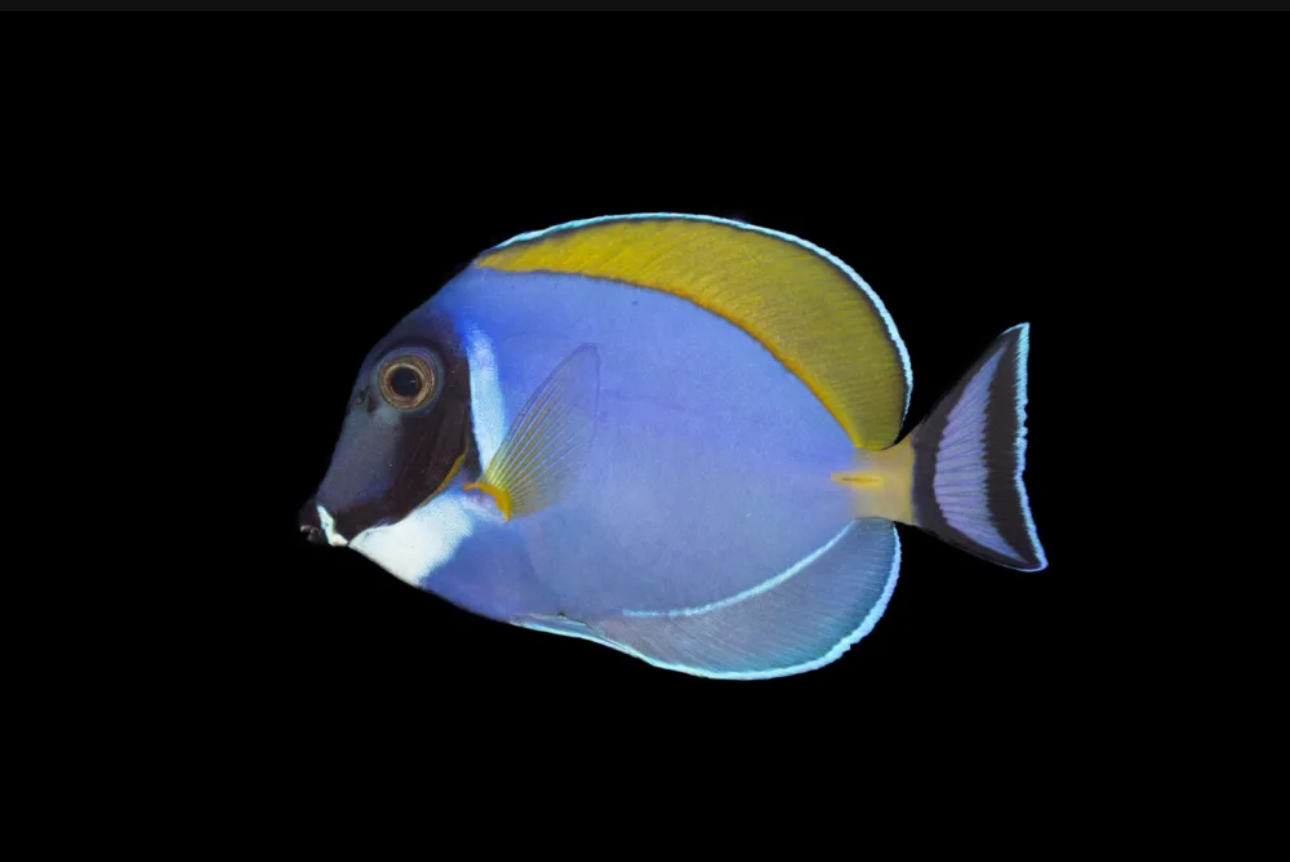
Powder Blue Tang (Acanthurus leucosternon)
The Powder Blue Tang is breathtakingly beautiful but has a reputation for being delicate. It requires pristine water quality and a well-established tank.
- Max Size: 9 inches
- Min Tank: 125 gallons
- Temperament: Aggressive with similar species
- Care Level: Moderate to difficult
- Special Notes: Prone to ich; quarantine is essential
Purple Tang (Zebrasoma xanthurum)
With its deep purple body and yellow tail, the Purple Tang is one of the most sought-after reef fish. It's hardier than the Powder Blue but still commands a premium price.
- Max Size: 10 inches
- Min Tank: 125 gallons
- Temperament: Can be aggressive
- Care Level: Moderate
Achilles Tang (Acanthurus achilles)
The Achilles Tang is considered the "crown jewel" of tangs by many collectors. Its striking black body with orange markings is unforgettable, but it's notoriously difficult to keep.
- Max Size: 10 inches
- Min Tank: 180+ gallons
- Temperament: Highly territorial
- Care Level: Expert only
- Special Notes: Requires perfect water quality and high flow
Tank Requirements for Tangs
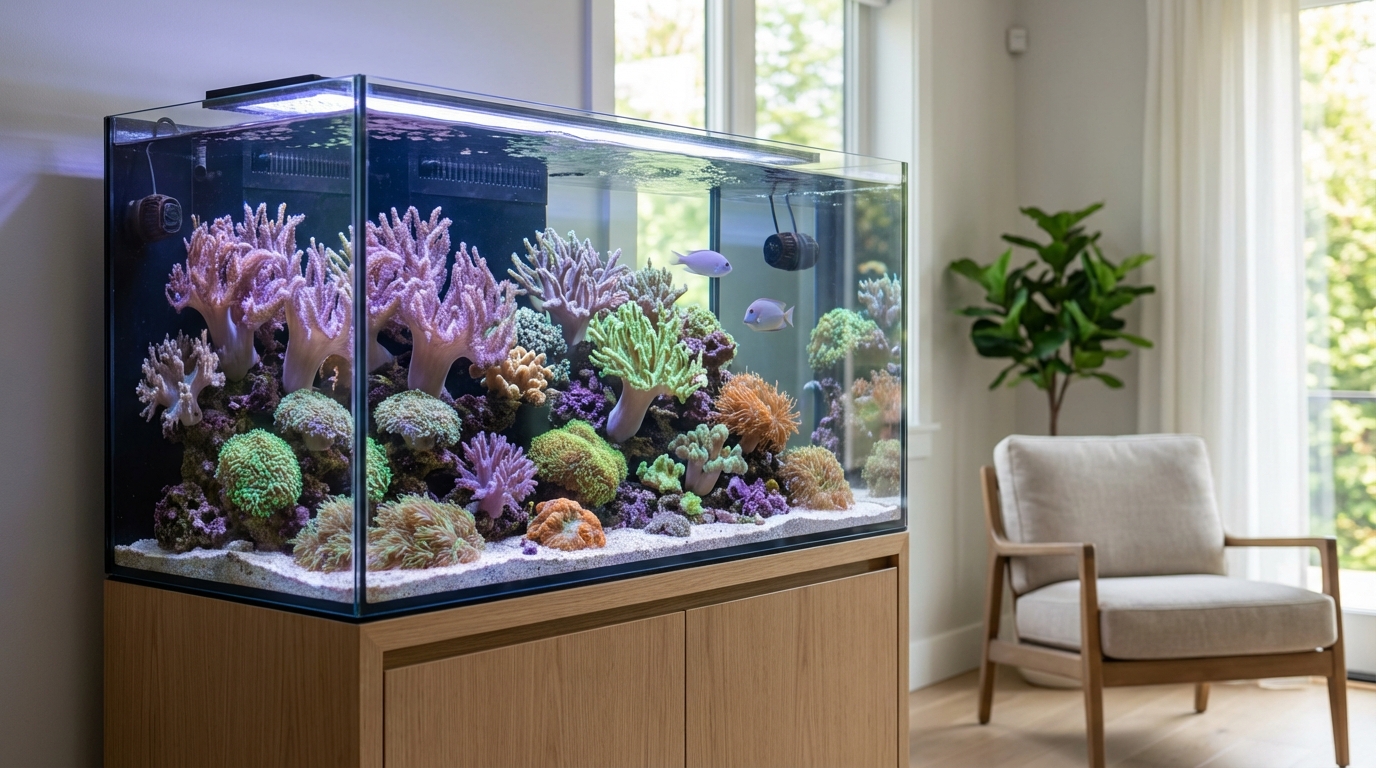
All tangs need space to swim. Here's what to consider:
Tank Size
This is non-negotiable. Tangs are active swimmers that need room:
- Smaller tangs (Kole, Tomini): 75+ gallons minimum
- Medium tangs (Yellow, Sailfin): 100+ gallons
- Large tangs (Blue, Achilles): 180+ gallons
Water Parameters
- Temperature: 74-80°F
- Salinity: 1.023-1.026
- pH: 8.1-8.4
- Nitrate: Below 10 ppm (tangs are sensitive to nitrate)
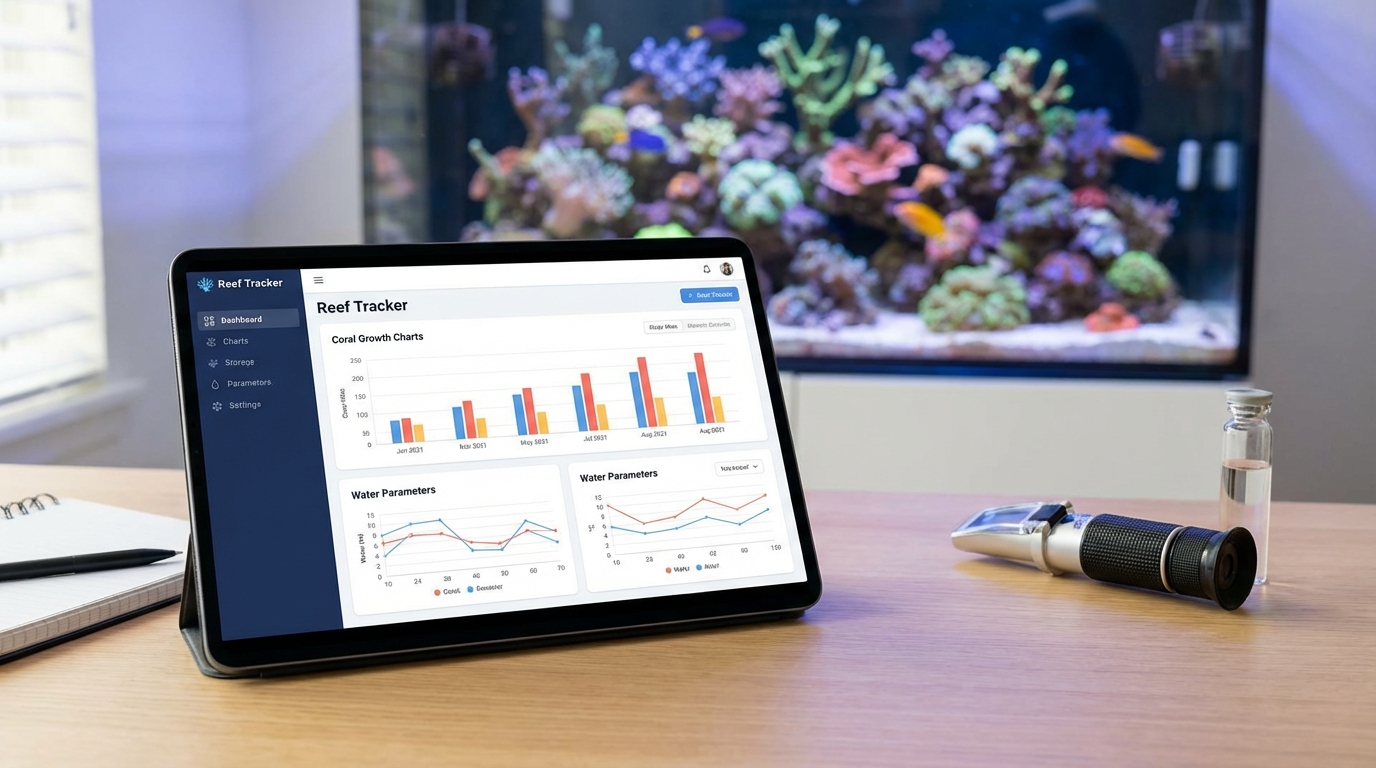
Track your parameters with the ReefBay app to ensure conditions stay stable.
Feeding
Most tangs are herbivores and need a diet heavy in algae:
- Offer nori sheets daily
- Supplement with spirulina-based pellets and flakes
- Frozen mysis and brine shrimp as occasional treats
- Allow natural algae growth in the tank
Mixing Multiple Tangs
Keeping multiple tangs requires careful planning:
- Different Genera: Tangs from different genera (e.g., Yellow Tang + Kole Tang) usually coexist well
- Same Species: Avoid keeping two of the same species unless your tank is very large
- Add Together: If adding multiple tangs, introduce them simultaneously to reduce territorial aggression
- Size Matters: Larger tanks (200+ gallons) can support multiple tangs more successfully
Common Tang Health Issues
Ich (Marine White Spot)
Tangs are notoriously susceptible to ich. Always quarantine new tangs for 4-6 weeks before adding them to your display tank.
HLLE (Head and Lateral Line Erosion)
HLLE is common in tangs fed poor-quality diets. Prevent it by offering varied, vitamin-enriched foods and maintaining pristine water quality.
Where to Buy Tangs
Browse tangs from verified ReefBay sellers. We connect you with reputable sellers offering healthy, well-conditioned specimens.
Conclusion
Tangs are incredible reef tank additions that bring color, activity, and algae control to your aquarium. Start with hardy species like the Yellow Tang or Kole Tang if you're new to keeping tangs, and work your way up to the more challenging species as you gain experience.
Ready to add a tang to your reef? Browse tangs on ReefBay or download the ReefBay app to ensure your tank parameters are tang-ready.