Phytoplankton and Copepods in Reef Tanks: What This Method Gets Right (and Where Beginners Slip)
A practical analysis of ReefBay’s copepods + phytoplankton approach for new reef tanks, including what works, hidden risks, and a beginner-safe dosing checklist.
Quick answer
Copepods plus phytoplankton can help a young reef tank by building biodiversity and supporting a micro food web, but only if salinity, temperature, nutrients, and flow are already stable. Use conservative dosing, add pods in lower flow, start phyto low, and judge success over 2 to 4 weeks by trends, not overnight changes.
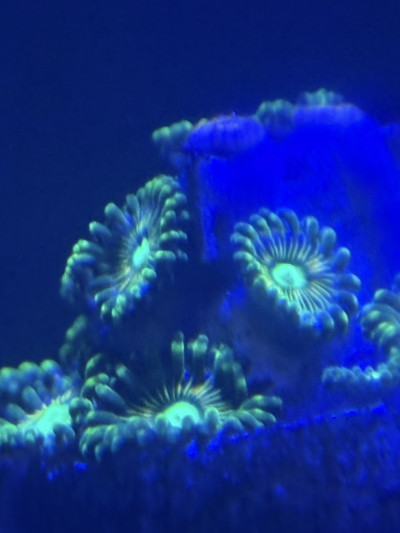
If your new reef tank is in that familiar “ugly stage” with dusting on the sand bed, early nuisance growth, and unstable biology, adding copepods and phytoplankton can absolutely help—but only when it’s done with realistic expectations. In this analysis, we’ll break down a ReefBay video walkthrough on adding pods + phyto, highlight what it gets right, point out what’s missing or risky, and give you a beginner checklist you can use this week.
What the source gets right
The core idea is solid: treat your tank like an ecosystem, not just glass + equipment. Copepods are useful micro-crustaceans that can contribute to biodiversity and provide natural grazing/food-web support. Phytoplankton is commonly used as a food input in that micro-food chain, and the “seed + feed” mindset is generally better than only reacting to visible algae.
1) Ecosystem-first thinking
Most beginners over-focus on “killing algae” and under-focus on stability. The video correctly reframes the goal: establish layered life in the tank so nutrients and surfaces are occupied by beneficial biology over time.
2) Clear handling steps for live cultures
- Letting bottles oxygenate before use
- Gently inverting to mix
- Adding in lower-flow conditions
These practical handling details matter because poor handling can reduce viability before pods even reach the display.
3) Conservative dosing attitude
The recommendation to avoid overdoing phyto is good beginner advice. Under-dosing and observing is safer than dumping large amounts and chasing swings.
What is missing or risky (important for beginners)
This is the part most hobbyists need before copying a routine from social content.
1) Pods and phyto are support tools, not a cure-all
Adding pods won’t fix root-cause issues like:
- Overfeeding
- Inconsistent export
- Poor flow zones trapping detritus
- Unstable salinity and temperature
If those fundamentals are off, pods may survive briefly but won’t deliver lasting improvement.
2) No test-and-adjust framework was emphasized
Before and after dosing, beginners should track:
- Nitrate
- Phosphate
- Salinity
- Temperature
- Alkalinity (if corals are present)
Without trend tracking, it’s easy to misattribute improvements or setbacks to pods/phyto when the real driver is elsewhere.
3) Mechanical filtration timing can reduce effectiveness
Turning off return/flow temporarily can help settlement, but if aggressive filtration resumes immediately (filter socks, skimmer settings, UV), some of your input can be removed before establishing. Beginners should plan around equipment schedule, not just pour and hope.
4) Expectation management on algae timelines
Diatoms/cyano in young systems often improve with maturity and consistency, not overnight additives. The risk is buying repeated bottles while skipping husbandry basics.
Beginner actionable checklist (copy/paste)
Before you add pods/phyto
- Confirm salinity and temperature are stable for 7+ days.
- Check nitrate and phosphate so you have a baseline.
- Reduce obvious detritus traps and improve dead-flow spots.
- Plan a low-flow window (lights reduced/off, pumps adjusted temporarily).
When adding copepods
- Acclimate/oxygenate per vendor instructions.
- Gently mix bottle before dosing.
- Add near rockwork/refuge-style zones where predation is lower.
- Leave flow calmer for a short settlement period, then restore normal operation.
When dosing phytoplankton
- Start low and consistent (don’t “make up” missed doses with a big one).
- Dose on a schedule you can maintain for 2–4 weeks.
- Watch nutrient trends and film/algae response, not just one-day appearance.
- If nutrients rise or water clouds, pull back and reassess feeding/export.
How to evaluate success after 2–4 weeks
- Less aggressive nuisance growth rebound after cleaning
- More stable nutrient trends (not necessarily “zero” nutrients)
- Visible micro-life on glass/rock at night
- No worsening of cyano/film from overfeeding phyto
Practical ReefBay strategy: buy smarter, not just more
One thing the source does well is showing marketplace comparison and shipping protections. That matters. For beginners, your best move is to buy one well-reviewed starter batch, run a disciplined 2–4 week protocol, and evaluate with data before reordering.
- Browse current pod and phyto options in the ReefBay marketplace.
- If you need supporting cleanup crew options, compare listings for snail and crab.
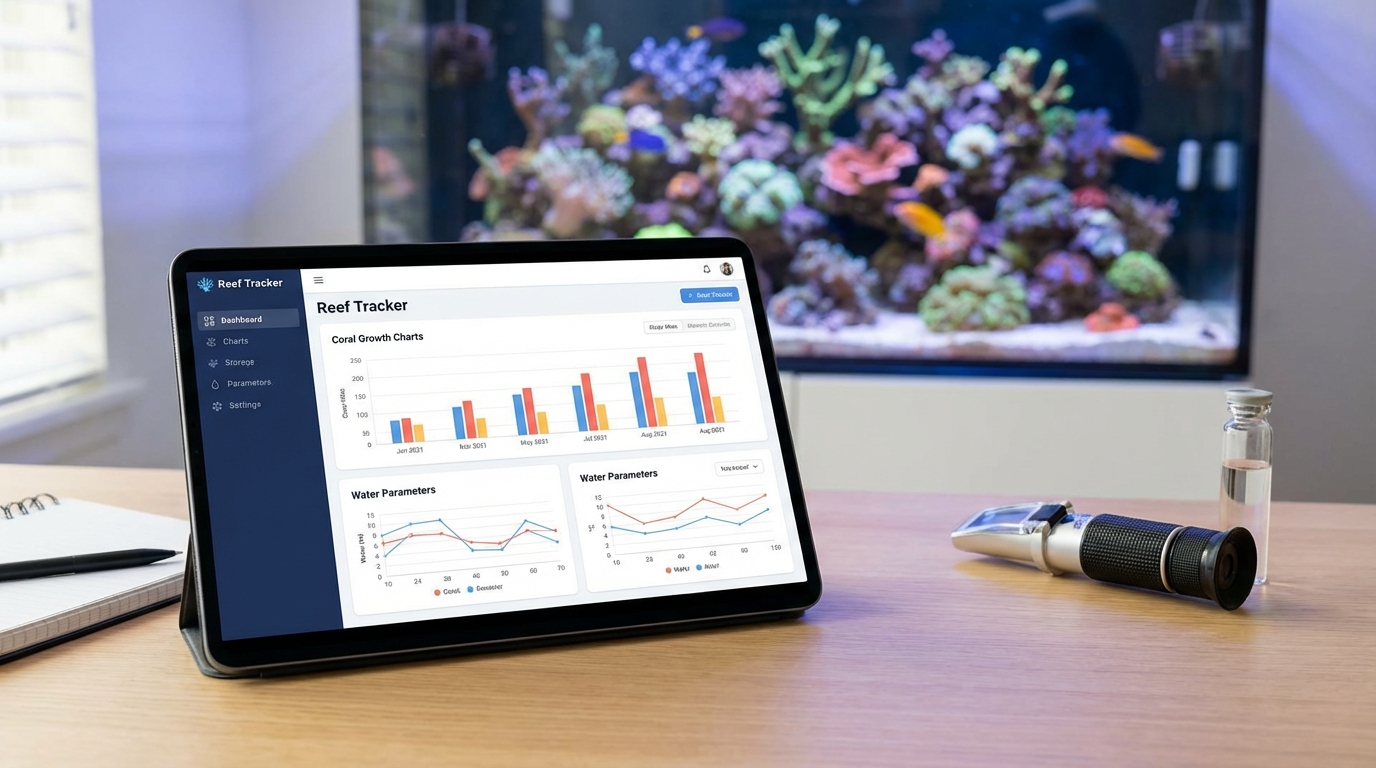
- Track your parameter trends and reef routines in the ReefBay app so you can make decisions from patterns, not guesswork.
Bottom line
Using copepods plus phytoplankton in a young reef can be a smart move—if you pair it with stable fundamentals, conservative dosing, and real tracking. The method shown in the source is a good foundation. Just don’t treat it like a magic fix. Treat it like one tool in a complete reef-keeping system.