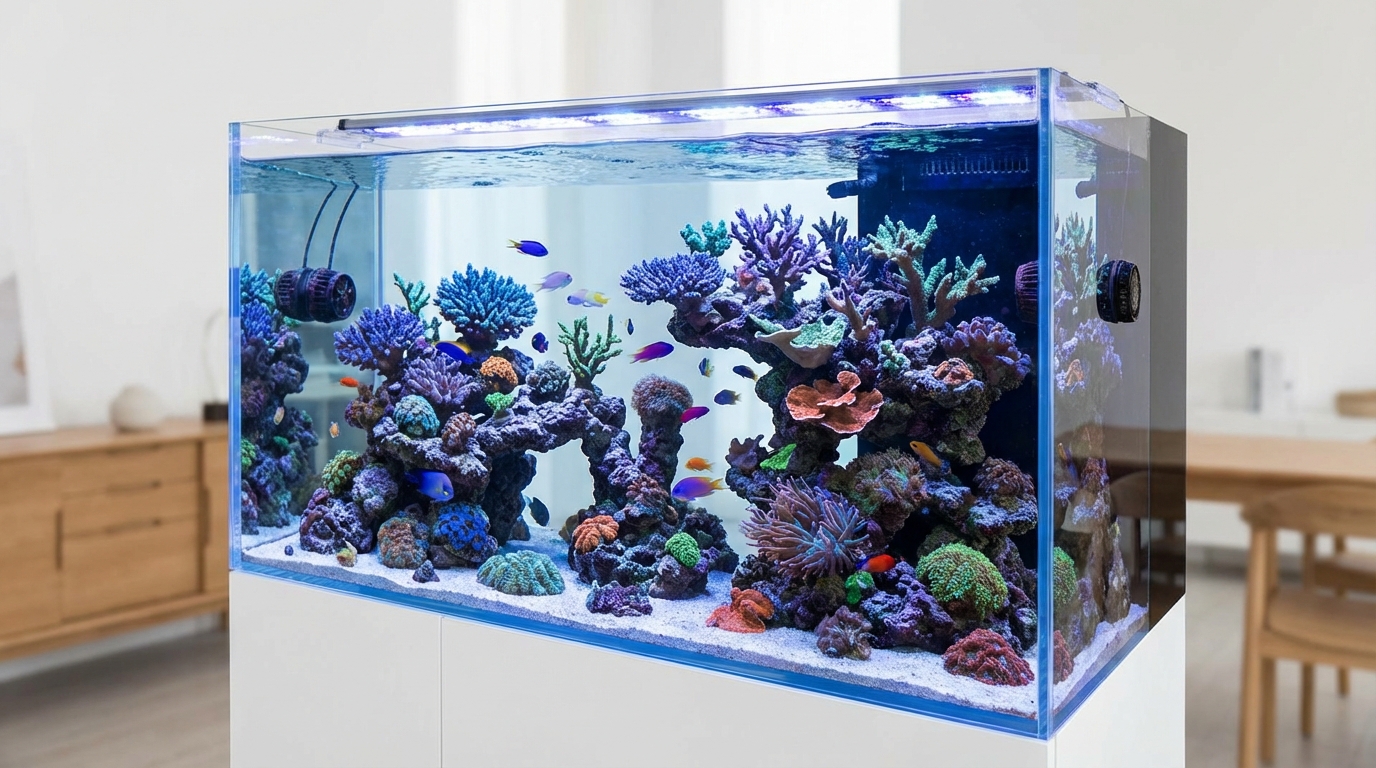
Reef Tank Aquascaping: 7 Styles and Tips for Stunning Saltwater Displays
Explore popular reef tank aquascaping styles from minimalist islands to complex cave systems. Learn techniques for creating visually stunning and coral-friendly hardscapes.
Quick answer
Popular reef tank aquascaping styles include island, dual island, shelf or peninsula, pillar, archway or cave, minimalist, and reef slope. Choose based on tank size, coral type, and fish behavior: islands and minimalist layouts maximize flow and access, while shelves, caves, and slopes add shelter, shade, and natural depth.
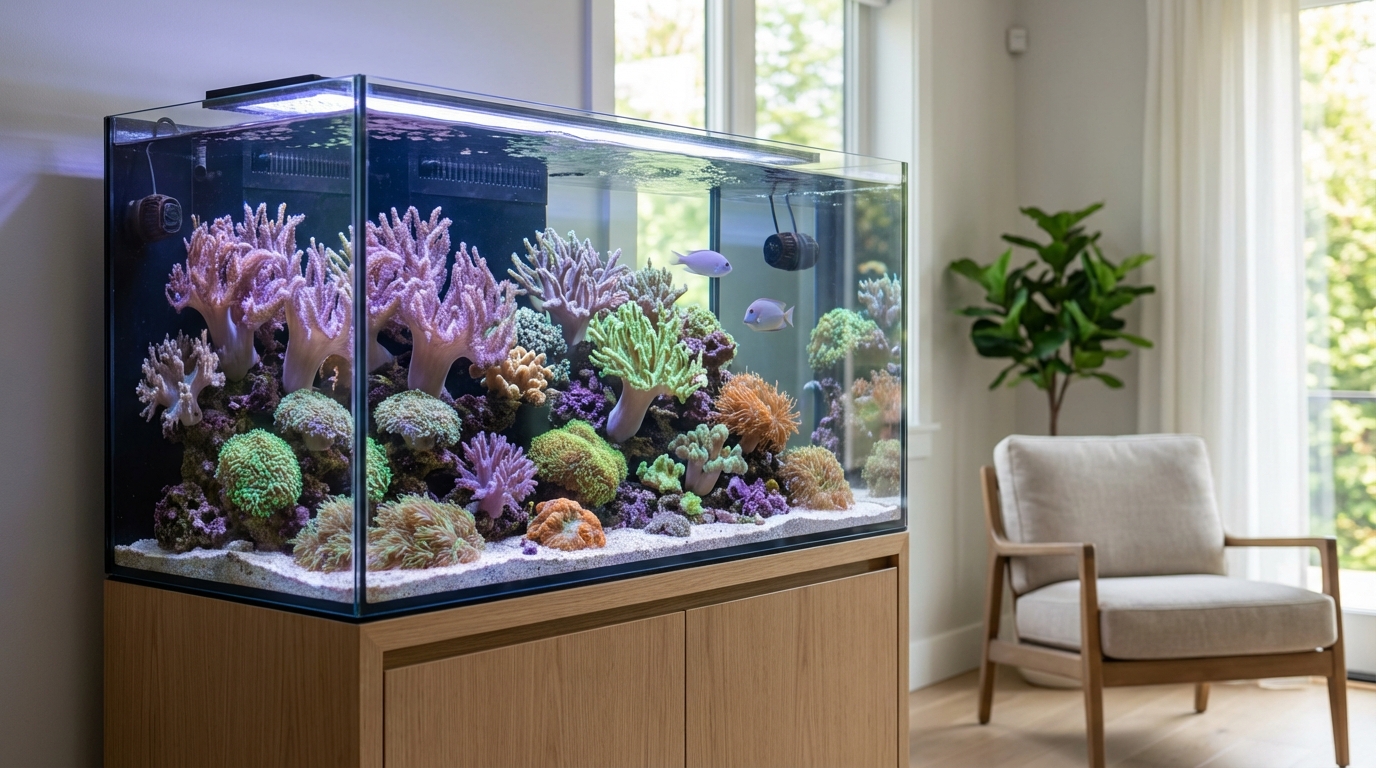
Aquascaping is the art of arranging rocks, substrate, and corals to create a visually stunning and biologically functional reef tank. The right aquascape isn't just about aesthetics—it affects water flow, coral placement, fish territories, and even maintenance access. Whether you're starting fresh or reimagining an existing tank, this guide covers the most popular reef aquascaping styles and techniques.
Why Aquascaping Matters
Before diving into styles, understand why aquascaping decisions impact your reef's success:
- Flow distribution: Rock placement determines how water circulates, affecting coral health and waste removal
- Coral placement: Different zones (high light vs. shaded, high flow vs. calm) suit different corals
- Fish behavior: Caves and overhangs provide shelter and reduce aggression
- Maintenance access: Poorly planned aquascapes make cleaning and coral maintenance difficult
- Growth potential: Leave room for corals to grow without crowding
1. The Island Style
One of the most popular modern aquascaping styles, the island creates a single central rock formation surrounded by open sand.
Characteristics
- Single rock structure in the center of the tank
- Open sand bed visible around all sides
- Clean, minimalist aesthetic
- Excellent 360-degree viewing
Pros and Cons
Pros: Great flow around the entire structure, easy maintenance, modern look, maximum coral real estate per rock pound.
Cons: Requires careful rock bonding to create height without touching glass, fewer hiding spots for fish, can look sparse in large tanks.
Best For
Nano to medium tanks (20-75 gallons), SPS-focused systems, reefers who want easy access to all corals.
2. The Dual Island Style
A variation that creates two separate rock structures with negative space between them.
Characteristics
- Two distinct rock formations
- Clear "canyon" or gap between structures
- Creates visual depth and swimming lanes
- Asymmetrical sizing often looks more natural
Best For
Larger tanks (75+ gallons), mixed reef systems, tanks with active swimming fish like tangs or wrasses.
3. The Shelf/Peninsula Style
Rock extends from the back wall forward, creating a shelf or peninsula with open areas underneath.
Characteristics
- Rock structure attached to or very close to back glass
- Creates overhangs and shaded areas
- Natural-looking "reef wall" appearance
- More fish hiding spots
Pros and Cons
Pros: Lots of hiding spots for fish, natural appearance, good for shy species, creates varied light zones.
Cons: Harder to clean behind rocks, back corals harder to reach, reduced flow behind structure.
Best For
Fish-heavy systems, tanks with shy species, mixed reef with LPS/softies that like shade.
4. The Pillar Style
Tall, vertical rock columns create dramatic height and negative space.
Characteristics
- Narrow, tall rock pillars
- Significant open space between pillars
- Creates dramatic shadows and silhouettes
- Maximum water flow between structures
Best For
Deep tanks, SPS systems requiring strong flow, artistic/modern aesthetics.
5. The Archway/Cave Style
Features arches, caves, and swim-throughs that create a dramatic, exploratory feel.
Characteristics
- Rock formations with tunnels and arches
- Creates distinct "rooms" within the tank
- Natural cave-like appearance
- Multiple depth layers
Best For
Large tanks (100+ gallons), fish-focused systems, tanks with cave-dwelling species.
6. The Minimalist Style
Uses very little rock to create an ultra-clean, spacious look.
Characteristics
- Minimal rock (1-1.5 lbs per gallon or less)
- Each rock is carefully selected for shape and color
- Heavy emphasis on negative space
- Corals become the visual focus
Pros and Cons
Pros: Clean aesthetic, maximum flow, easy maintenance, corals are the stars.
Cons: Less biological filtration surface area, fewer fish hiding spots, requires mature filtration.
7. The Reef Slope
Mimics a natural reef slope from deep to shallow, with rock height increasing from front to back.
Characteristics
- Gradual height increase from front to back
- Creates natural light gradient (high light top/back, lower light front/bottom)
- Multiple distinct coral zones
- Natural reef appearance
Best For
Mixed reefs with varied coral types, larger tanks, natural biotope setups.
Essential Aquascaping Tips
Use the Right Rock
Choose rock based on your goals:
- Dry rock: Clean, pest-free, shapes can be chosen; needs cycling
- Live rock: Comes with beneficial bacteria and biodiversity; potential pests
- Reef cement/epoxy: Essential for bonding rock structures safely
Plan Before Placing
- Sketch your design on paper first
- Dry-fit the rock outside the tank
- Take photos from viewing angles before filling
- Consider powerhead and return positions
Leave Space for Coral Growth
Corals grow—sometimes faster than you expect. Leave 4-6 inches between coral placement spots for torches and hammers, more for fast-growing Acropora.
Bond Your Rocks
Use reef-safe epoxy or cement to create stable structures that won't collapse. This is especially important for:
- Island styles where rock doesn't touch glass for support
- Any structure taller than it is wide
- Tanks with digging fish or invertebrates
Create Flow Channels
Design gaps and tunnels that allow water to flow through your aquascape, not just around it. Stagnant zones lead to detritus buildup and algae.
Common Aquascaping Mistakes
- Rock wall against back glass: Creates dead zones with poor flow and difficult maintenance
- Too much rock: Reduces swimming space, traps detritus, limits coral placement options
- Unstable structures: Collapses damage corals and can crack glass
- No plan for coral growth: Crowded corals sting each other and compete for space
- Blocking returns/powerheads: Reduces effective flow through the tank
Getting Started
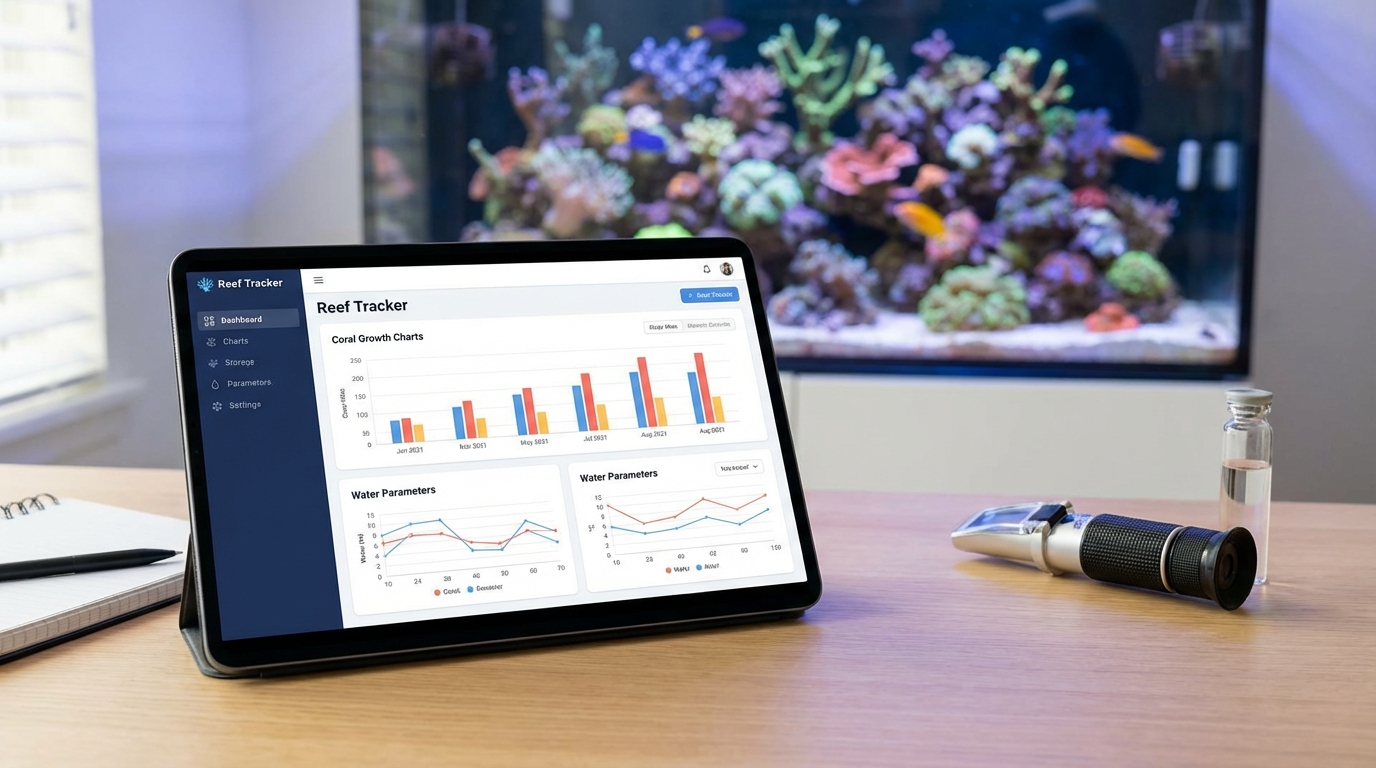
Ready to build your dream aquascape? Start by browsing live rock on the ReefBay marketplace and visualize how different pieces might fit together. Track your tank's progress with the ReefBay app and share your aquascaping journey with the community.
Remember: aquascaping is an art, not a science. The "best" style is the one that brings you joy and keeps your corals thriving. Don't be afraid to experiment, adjust, and evolve your reef over time.