Reef Tank Summer Evaporation Checklist for Stable Salinity
Use this practical reef tank checklist to control summer evaporation, keep salinity stable, and avoid stress from sudden swings.
Quick answer
Keep summer salinity stable by calibrating your refractometer weekly with 35 ppt solution, measuring at the same time each day, and topping off with RO/DI water only. Aim for 1.025-1.026 sg and 77-79°F, inspect ATO hardware, track top-off volume, and refill reservoirs before they run dry.
Summer is when many reef tanks drift out of range, not because of one dramatic failure, but because of daily evaporation creep. If you are topping off manually and not measuring often, salinity can rise slowly and stress fish, corals, and inverts before you notice clear symptoms.
This checklist is designed for beginners who want a simple weekly system that keeps salinity stable without turning reefing into a second full-time job.
Why summer evaporation causes hidden instability
Warm rooms, stronger fans, and longer photoperiod heat cycles can increase evaporation significantly. As pure water evaporates, salt stays behind. That means your specific gravity climbs unless replaced with fresh RO/DI water. Small daily swings may seem harmless, but repeated instability reduces coral extension, feeding response, and growth consistency over time.
Your weekly summer salinity checklist
- Calibrate your refractometer weekly. Use 35 ppt calibration solution, not RO/DI, for reef-accurate readings.
- Measure salinity at the same time each day. Morning-before-top-off is ideal for a consistent baseline.
- Track top-off volume. If your usage jumps, investigate temperature, airflow, and lid coverage.
- Inspect ATO hardware. Clean optical sensors/floats and verify pump function before failures happen.
- Check reservoir capacity. In hot weeks, refill sooner so the ATO never runs dry.
- Confirm return section level behavior. Erratic drops can indicate flow restrictions or micro-leaks.
- Review dosing timing. Large additions during peak evaporation windows can amplify swings.
Practical target ranges for beginners
- Salinity: 1.025-1.026 sg (35 ppt target)
- Temp: 77-79°F, avoid wide daily swings
- Top-off water: RO/DI only, never mixed saltwater
Consistency matters more than chasing tiny decimal perfection. The real goal is stable, repeatable numbers your livestock can adapt to.
Fast troubleshooting when salinity keeps drifting
Problem: salinity rises every evening
Likely evaporation outrunning manual top-off. Increase top-off frequency or install/maintain ATO automation.
Problem: salinity drops unexpectedly
Check for overfilling from ATO sensor placement, stuck float, or refill process errors.
Problem: readings do not match between devices
Recalibrate both tools, clean lenses/prisms, and compare against a known reference solution.
ATO setup habits that prevent emergency swings
- Place reservoir in a stable, spill-safe location
- Test fail-safe behavior monthly by simulating sensor triggers
- Keep backup RO/DI ready for heat waves and travel days
- Label top-off containers clearly to avoid saltwater mix-ups
Feeding and flow considerations in summer
Overfeeding during warmer months can increase organics and oxygen demand. Keep feed amounts controlled and ensure adequate surface agitation. Strong, consistent gas exchange helps fish handle warmer conditions while your salinity routine keeps osmotic stress low.
Simple weekly maintenance block (10-15 minutes)
- Check salinity and temperature
- Refill ATO reservoir
- Inspect sensor and pump operation
- Clean or replace mechanical filtration
- Log results in one place
That short block, done consistently, prevents most summer salinity headaches before they become expensive livestock problems.
Final takeaway
In summer, reef success is less about dramatic interventions and more about boring consistency. If you control evaporation and monitor salinity with a repeatable checklist, your reef will stay calmer, clearer, and easier to manage.
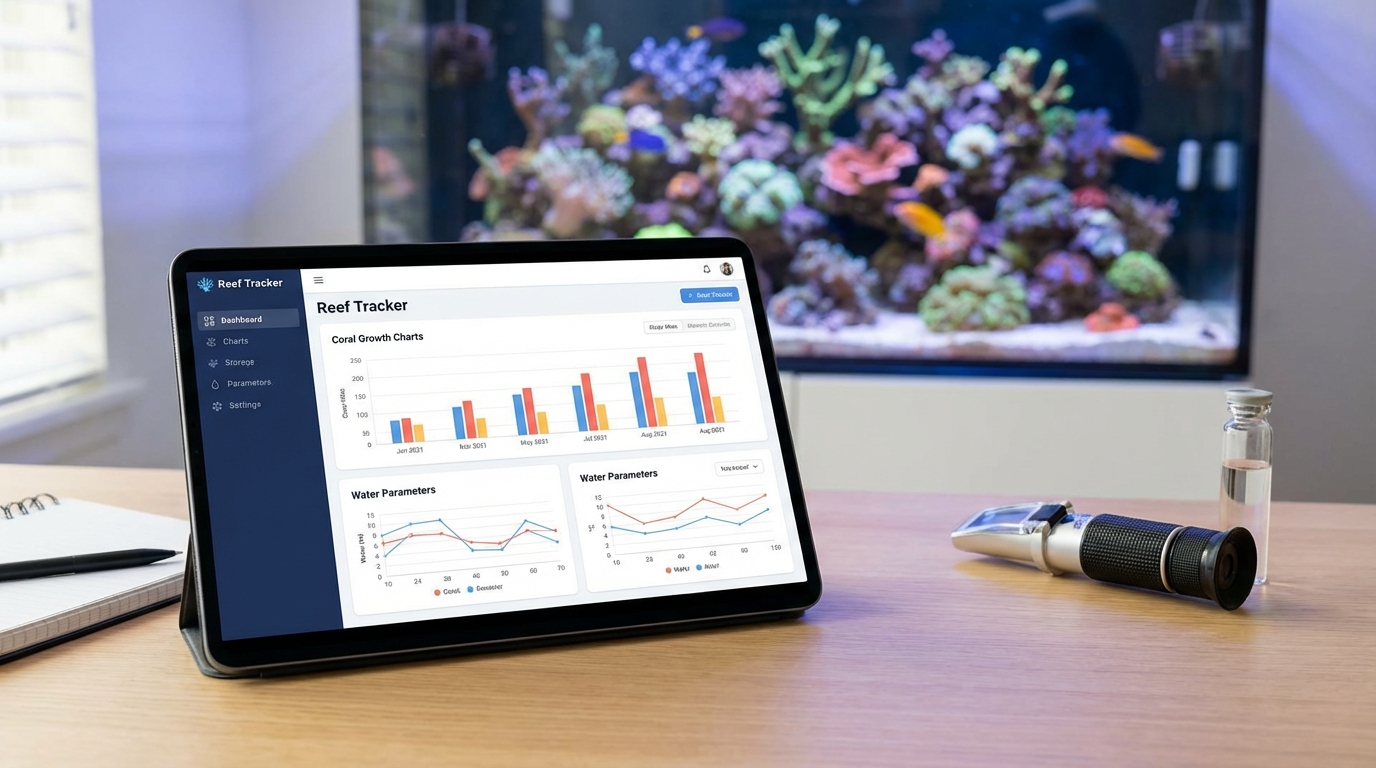
Use the ReefBay app to track salinity trends and maintenance routines, and browse ATO/refractometer options in the ReefBay marketplace when you are ready to upgrade reliability.