Reef Tank Water Changes for Beginners: What This 15-Gallon Walkthrough Gets Right (and What to Add)
A practical analysis of ReefBay’s 15-gallon water change video: what’s accurate, what’s missing, and a beginner-safe weekly checklist you can apply today.
Quick answer
For a young 15-gallon reef, a weekly 20% to 25% water change is a solid beginner starting point, especially when done consistently with light surface sand vacuuming, algae removal first, and careful pump, heater, and ATO shutdowns. The key upgrade is testing and tracking salinity, nitrate, phosphate, and alkalinity so you adjust the routine instead of guessing.
Water changes are one of the most argued topics in reefing—but for new and small systems, consistency usually beats theory. In this breakdown, we analyzed ReefBay’s video walkthrough on doing a reef tank water change and translated it into a practical, beginner-safe playbook you can actually follow each week.
Source video: How to Do a Reef Tank Water Change (Using Our Saltwater Aquarium App)
Quick source summary
The video documents a real water change on a young 15-gallon reef tank (~2 months old) with visible diatoms. The host demonstrates a full routine: algae scraping, light sandbed vacuuming, a 20–25% water change, equipment checks, and task tracking inside ReefBay after completion. The core recommendation is simple: small and newer tanks benefit from frequent, consistent water changes.
What the video gets right (and why it works)
1) Consistency over perfection
For nano reefs, a repeatable weekly routine often matters more than chasing one “perfect” schedule. Frequent small exchanges help stabilize nutrient accumulation and replace trace elements without abrupt chemistry swings.
2) Clean first, then siphon
Scrubbing algae before draining is efficient. You physically detach waste first, then export part of it during the water pull. That’s better than cleaning after refill, when loosened organics can stay in circulation.
3) Top-layer vacuuming in young sandbeds
The demonstration correctly favors light surface cleaning instead of deep aggressive stirring. In new systems, this is usually the safer path to remove visible detritus while avoiding unnecessary disturbance.
4) Turning off ATO/pumps during drain phase
This is a big one beginners miss. If ATO runs while water is intentionally removed, it can add freshwater at the wrong time and skew salinity. The shutdown-restart checklist shown is practical and protective.
5) Post-change equipment sanity checks
Verifying return flow direction, powerhead output, overflow/intake slots, heater state, and ATO reservoir level is excellent discipline. Most “mystery” issues after maintenance are simple restart problems.
What’s missing or risky (important caveats)
1) “20–25% weekly” isn’t universal
It’s a useful starting range, not a law. Heavier feeding, high bioload, or unstable parameters may need adjustment. Mature, stable systems sometimes thrive on smaller or less frequent changes if export and dosing are dialed in.
2) Salt mix transitions should be gradual and measured
The video mentions switching salt brands. That can be fine—but always compare alkalinity, calcium, and magnesium before the first swap. A sudden chemistry mismatch can stress corals more than the water change helps.
3) “Clean look” can hide chemistry drift
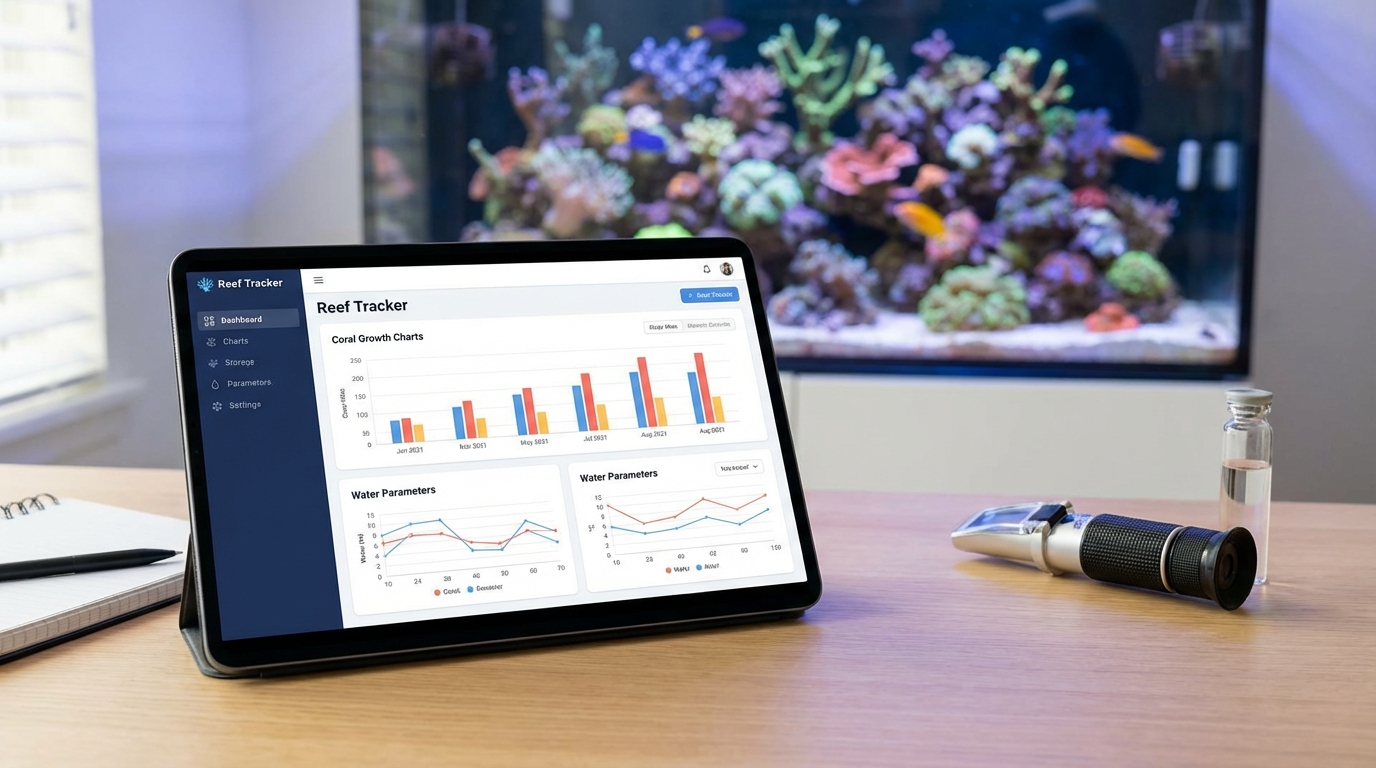
A polished tank can still have rising nitrate/phosphate or salinity drift. Visual cleanliness is not the same as stability. Pair maintenance with logging and trend tracking using parameter tracking.
4) Tool safety detail matters
Metal scrapers are effective, but they must be used carefully around seams/acrylic and kept free of trapped grit to avoid scratches. Keep separate tools for glass and acrylic systems.
ReefBay practical weekly checklist (copy this)
- Mix + verify new saltwater: match temperature and salinity before use.
- Turn off: return pump, powerheads, heater, and ATO before draining.
- Pre-clean: scrape soft/hard algae and brush trouble spots.
- Vacuum lightly: skim top sand layer; avoid over-disturbing the bed.
- Swap 15–25%: start near 20% for nano tanks, then tune based on test trends.
- Refill slowly: avoid blasting sand/corals; recheck rear chamber water level.
- Restart + verify: flow direction, overflow slots clear, heater on, ATO reservoir adequate.
- Log results: salinity, temp, nitrate, phosphate, alkalinity and note observations in the ReefBay app.
Beginner action steps (first 30 days)
- Set one fixed maintenance day each week so the habit is automatic.
- Use one bucket + one process every time to reduce mistakes.
- Start with small consistency wins: a clean glass, light siphon, and a measured refill.
- Track trends, not one-off numbers: use the same tests at similar times of day.
- Buy only what supports your routine: if you need replacement tools or livestock after stabilization, keep searches focused in ReefBay Shop.
Bottom line
This is a strong beginner-friendly maintenance workflow: practical, repeatable, and rooted in the reality of young nano reefs. The biggest upgrade is adding parameter trend tracking and chemistry checks during salt transitions. Do that, and this routine becomes more than “cleaning”—it becomes a stability system.
Attribution: Analysis based on ReefBay YouTube video by ReefBay (watch original).