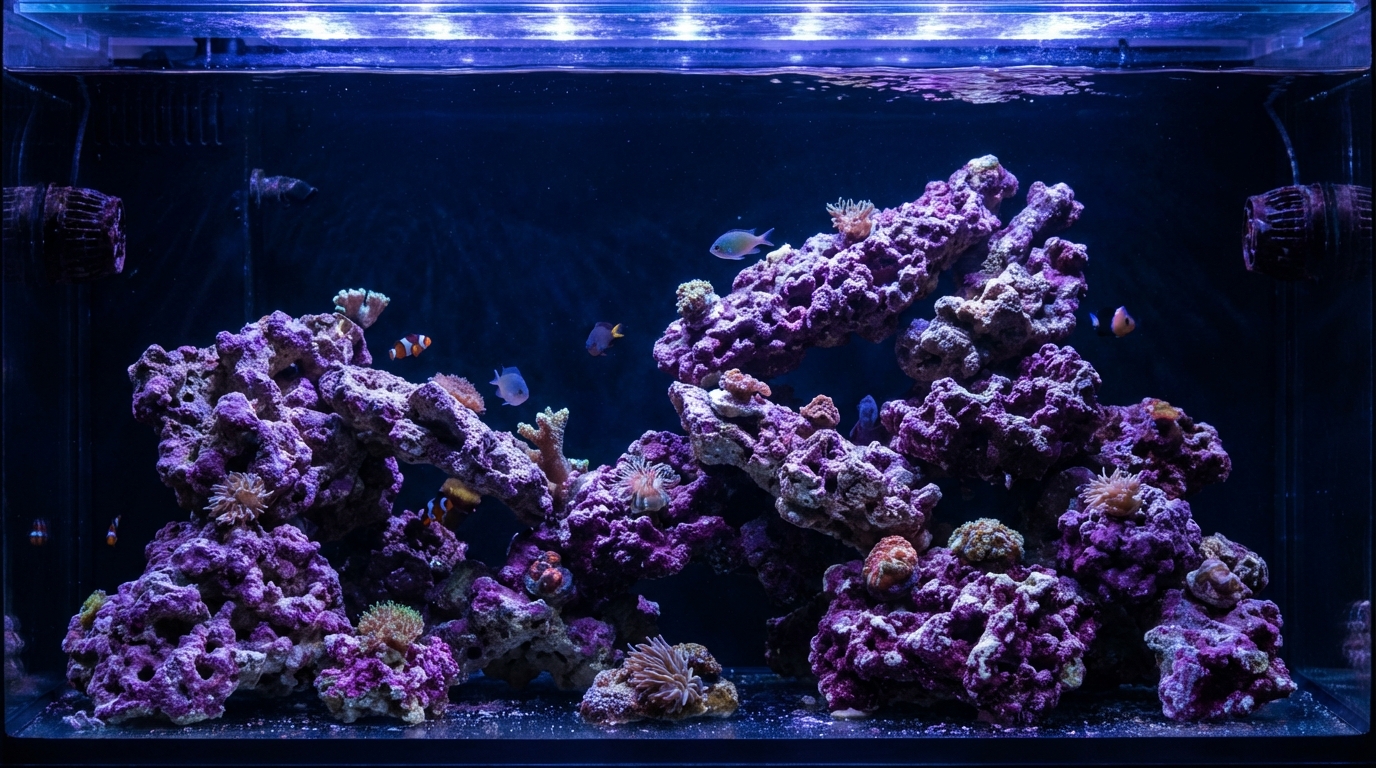
The Ultimate Guide to Buying Live Rock for Your Reef Tank
Everything you need to know about live rock: types, curing, how much to buy, and where to source quality rock for your reef aquarium.
Quick answer
Choose live rock based on your goals: wet rock gives immediate bacteria and coralline algae but needs curing, dry rock is cheaper and pest-free but takes weeks to months to colonize, and artificial or aquacultured rock offers a middle ground. Use about 0.75 to 1.25 pounds per gallon for porous rock, and aim for open, negative-space aquascaping.
Live rock is the foundation of any successful reef tank. Beyond just creating a beautiful aquascape, it provides biological filtration, homes for beneficial bacteria, and surfaces for coral placement. But with so many options available—wet, dry, real, artificial—choosing the right rock for your tank can be overwhelming.
This guide covers everything you need to know about selecting and preparing live rock for your reef aquarium.
What Is Live Rock?
Live rock isn't actually alive—it's porous calcium carbonate rock (often old coral skeletons) that has been colonized by beneficial bacteria, coralline algae, and various invertebrates. This colonization is what makes it "live."
Benefits of live rock:
- Biological filtration: Houses nitrifying bacteria that process ammonia and nitrite
- Natural appearance: Creates realistic reef aquascaping
- Coral placement: Provides surfaces for frags and colonies
- Habitat: Gives fish and invertebrates places to hide and explore
- pH buffering: Calcium carbonate helps maintain alkalinity
Types of Live Rock
Wet Live Rock
Rock shipped submerged in saltwater or kept wet. It arrives with existing bacteria colonies, coralline algae, and often hitchhikers like small crabs, snails, and worms.
Pros: Already cycled, adds instant biodiversity
Cons: More expensive, shipping is costly, may introduce pests
Dry Rock
Dead or man-made rock that has been dried out. No living organisms, but the porous structure will colonize over time once placed in your tank.
Pros: Cheaper, lighter shipping, pest-free, no die-off smell
Cons: Takes weeks to months to fully colonize, no coralline seeding
Reef Saver / Aquacultured Rock
Dry rock that has been cured in saltwater facilities. It's colonized but still ships dry, offering a middle ground between wet and fully dry options.
Artificial/Man-Made Rock
Ceramic or cement-based rock designed for aquariums. Brands like MarcoRocks and Real Reef Rock offer lightweight, porous alternatives that look natural.
Pros: Sustainable, consistent shapes, very porous
Cons: May leach initially, less natural variation in shape
How Much Live Rock Do You Need?
The old rule was 1-2 pounds per gallon, but modern porous rock and better filtration understanding has changed this:
- Dense rock: 1.5-2 lbs per gallon
- Porous/lightweight rock: 0.75-1.25 lbs per gallon
- Negative space matters: Don't pack it in—fish need swimming room
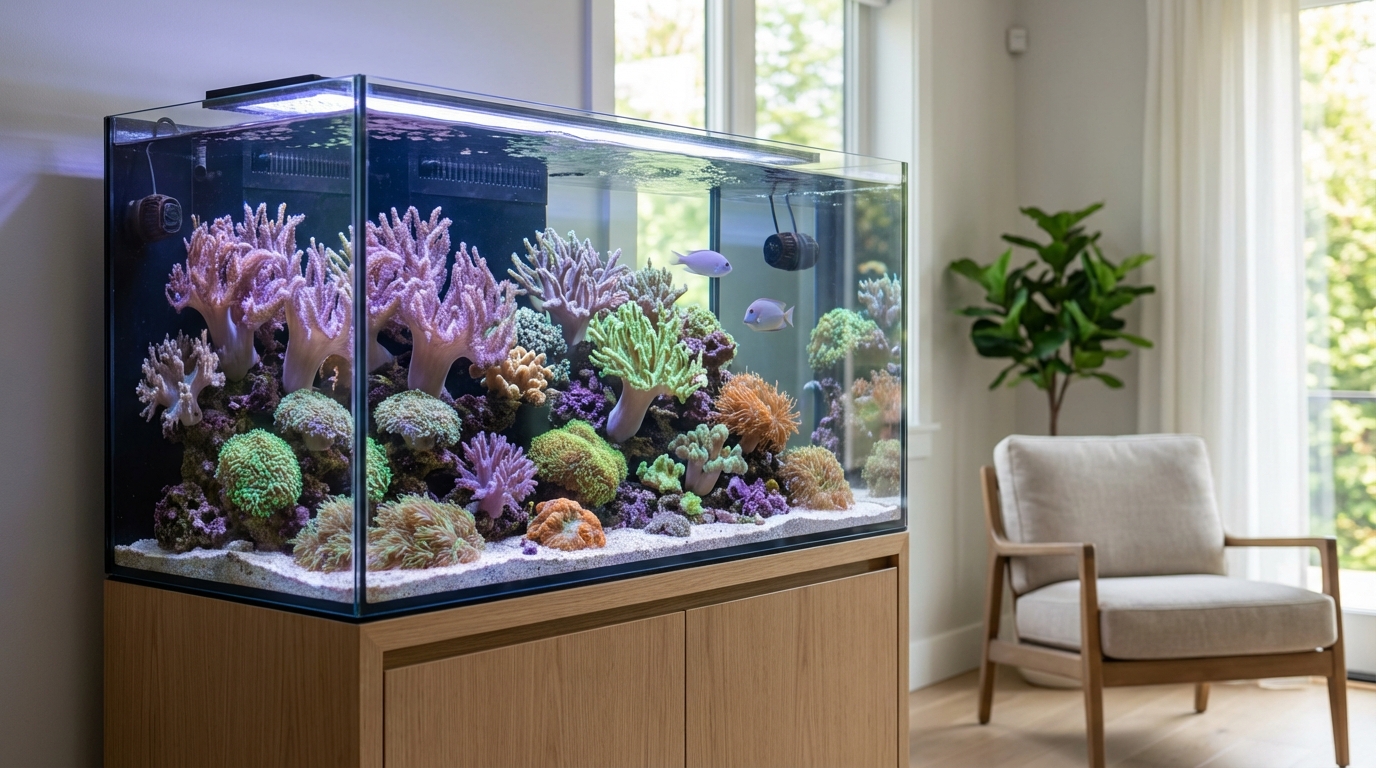
For a 75-gallon tank with porous rock, 50-75 lbs is usually plenty. Focus on creating an open, flowing aquascape rather than maximizing pounds.
Curing Live Rock
Wet live rock almost always needs curing before adding to your display. During shipping, some organisms die and decompose. Curing prevents this die-off from crashing your tank.
How to Cure Live Rock
- Set up a curing container: Use a large tub, trash can, or separate tank with a heater and powerhead
- Fill with saltwater: Match your display tank's salinity (1.025)
- Add the rock: Keep it fully submerged
- Circulate and heat: Keep water moving and warm (75-78°F)
- Do water changes: 50-100% changes every few days until ammonia reads zero
- Test for completion: When ammonia and nitrite stay at zero for several days, it's cured
Curing typically takes 1-4 weeks depending on how much die-off occurred during shipping.
Dry Rock vs. Live: Which Should You Choose?
Choose Dry Rock If:
- You want zero risk of pests (aiptasia, flatworms, etc.)
- You're on a budget
- You're patient and willing to wait for colonization
- You're doing a clean start after a pest outbreak
Choose Wet Live Rock If:
- You want immediate biological filtration
- You value coralline algae seeding from day one
- You enjoy discovering hitchhikers
- Cost isn't the primary concern
Best Approach: Mix Both
Many experienced reefers use 80-90% dry rock with a few pieces of quality live rock to seed bacteria and coralline. This balances cost, pest control, and colonization speed.
Where to Buy Live Rock
Local Fish Stores
Seeing rock in person lets you hand-pick shapes and check for pests. You can often negotiate prices on bulk purchases. Support local businesses when possible!
Online Retailers
Wider selection and often better prices, but you can't choose specific pieces. Look for sellers with good reviews and reasonable shipping policies.
Fellow Hobbyists
The ReefBay marketplace connects you with local hobbyists selling rock from established systems. This rock is already colonized and often comes with bonus coralline coverage. Just inspect for pests before adding to your tank.
Tips for Aquascaping with Live Rock
- Plan before gluing: Dry-fit your structure outside the tank first
- Create negative space: Leave swimming lanes and open areas
- Build caves and overhangs: Fish love hiding spots
- Use reef-safe epoxy or cement: Secure rocks to prevent avalanches
- Consider maintenance access: Can you reach the back for cleaning?
- Think about coral placement: Different heights for different light needs
Common Hitchhikers to Watch For
Good hitchhikers:
- Coralline algae (purple/pink encrusting)
- Feather dusters
- Bristle worms (in moderation)
- Copepods and amphipods
- Small hermit crabs
Bad hitchhikers to remove:
- Aiptasia anemones
- Majano anemones
- Flatworms
- Mantis shrimp (destructive)
- Gorilla crabs
Always dip new live rock in a pest treatment before adding to your display if you're concerned about hitchhikers.
Conclusion
Live rock is more than decoration—it's the backbone of your reef's ecosystem. Whether you choose wet, dry, or a combination, take time to select quality rock and cure it properly. Your patience in the setup phase will be rewarded with a stable, thriving reef.
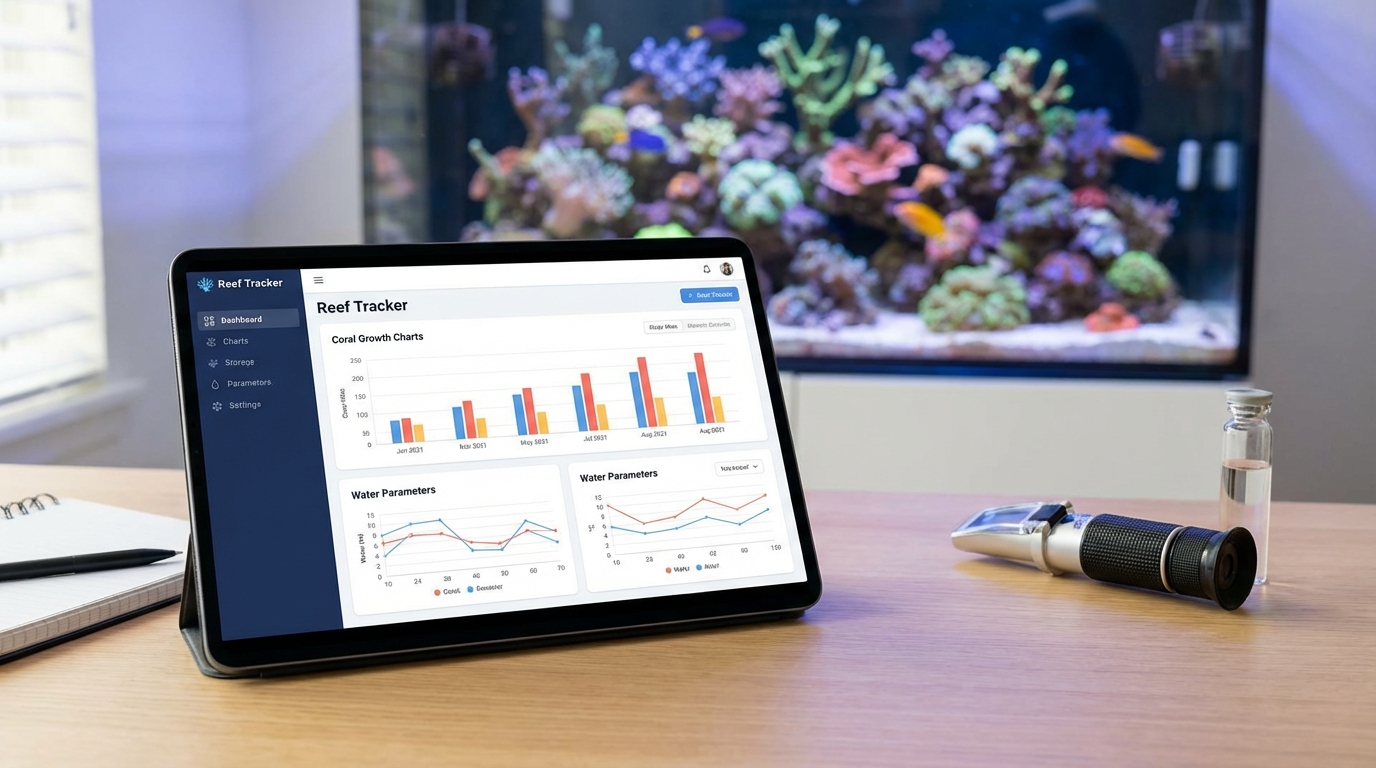
Ready to start building? Browse live rock listings on ReefBay from trusted hobbyists and vendors. Track your tank's cycling progress with the ReefBay app to know exactly when it's ready for livestock.