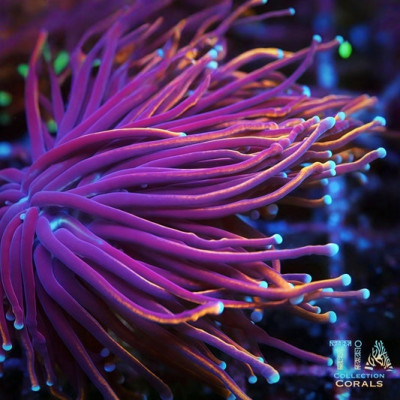
Can clownfish live without an anemone in a reef tank?
Quick Answer
<div class="prose prose-lg max-w-none"><p>Yes, clownfish can live without an anemone.</p><h2>Key point 1</h2><p>Clownfish can thrive without an anemone when tank stability, feeding consistency, and low-stress stocking practices are in place. Focus on environment quality first, then consider hosting enrichment later. Clownfish can thrive without an anemone when tank stability, feeding consistency, and low-stress stocking practices are in place. Focus on environment quality first, then consider hosting enrichment later. Clownfish can thrive without an anemone when tank stability, feeding consistency, and low-stress stocking practices are in place. Focus on environment quality first, then consider hosting enrichment later.</p><h2>Key point 2</h2><p>Clownfish can thrive without an anemone when tank stability, feeding consistency, and low-stress stocking practices are in place. Focus on environment quality first, then consider hosting enrichment later. Clownfish can thrive without an anemone when tank stability, feeding consistency, and low-stress stocking practices are in place. Focus on environment quality first, then consider hosting enrichment later. Clownfish can thrive without an anemone when tank stability, feeding consistency, and low-stress stocking practices are in place. Focus on environment quality first, then consider hosting enrichment later.</p><h2>Key point 3</h2><p>Clownfish can thrive without an anemone when tank stability, feeding consistency, and low-stress stocking practices are in place. Focus on environment quality first, then consider hosting enrichment later. Clownfish can thrive without an anemone when tank stability, feeding consistency, and low-stress stocking practices are in place. Focus on environment quality first, then consider hosting enrichment later. Clownfish can thrive without an anemone when tank stability, feeding consistency, and low-stress stocking practices are in place. Focus on environment quality first, then consider hosting enrichment later.</p><h2>Key point 4</h2><p>Clownfish can thrive without an anemone when tank stability, feeding consistency, and low-stress stocking practices are in place. Focus on environment quality first, then consider hosting enrichment later. Clownfish can thrive without an anemone when tank stability, feeding consistency, and low-stress stocking practices are in place. Focus on environment quality first, then consider hosting enrichment later. Clownfish can thrive without an anemone when tank stability, feeding consistency, and low-stress stocking practices are in place. Focus on environment quality first, then consider hosting enrichment later.</p><h2>Key point 5</h2><p>Clownfish can thrive without an anemone when tank stability, feeding consistency, and low-stress stocking practices are in place. Focus on environment quality first, then consider hosting enrichment later. Clownfish can thrive without an anemone when tank stability, feeding consistency, and low-stress stocking practices are in place. Focus on environment quality first, then consider hosting enrichment later. Clownfish can thrive without an anemone when tank stability, feeding consistency, and low-stress stocking practices are in place. Focus on environment quality first, then consider hosting enrichment later.</p><h2>Key point 6</h2><p>Clownfish can thrive without an anemone when tank stability, feeding consistency, and low-stress stocking practices are in place. Focus on environment quality first, then consider hosting enrichment later. Clownfish can thrive without an anemone when tank stability, feeding consistency, and low-stress stocking practices are in place. Focus on environment quality first, then consider hosting enrichment later. Clownfish can thrive without an anemone when tank stability, feeding consistency, and low-stress stocking practices are in place. Focus on environment quality first, then consider hosting enrichment later.</p><h2>Key point 7</h2><p>Clownfish can thrive without an anemone when tank stability, feeding consistency, and low-stress stocking practices are in place. Focus on environment quality first, then consider hosting enrichment later. Clownfish can thrive without an anemone when tank stability, feeding consistency, and low-stress stocking practices are in place. Focus on environment quality first, then consider hosting enrichment later. Clownfish can thrive without an anemone when tank stability, feeding consistency, and low-stress stocking practices are in place. Focus on environment quality first, then consider hosting enrichment later.</p><h2>Key point 8</h2><p>Clownfish can thrive without an anemone when tank stability, feeding consistency, and low-stress stocking practices are in place. Focus on environment quality first, then consider hosting enrichment later. Clownfish can thrive without an anemone when tank stability, feeding consistency, and low-stress stocking practices are in place. Focus on environment quality first, then consider hosting enrichment later. Clownfish can thrive without an anemone when tank stability, feeding consistency, and low-stress stocking practices are in place. Focus on environment quality first, then consider hosting enrichment later.</p><p>Compare <a href="/shop?search=clownfish">clownfish</a> and <a href="/shop?search=anemone">anemone</a> options and track stability in the <a href="/app">ReefBay app</a>.</p></div>
Yes, clownfish can absolutely live and thrive without an anemone. In home reef tanks, many healthy clownfish never host an anemone and still show normal behavior, strong appetite, and long lifespans. An anemone is optional enrichment, not a biological requirement.
Why this is a common myth
In the wild, clownfish use anemones for protection. In aquariums, predation pressure is much lower and fish receive regular feeding, so survival does not depend on hosting behavior. That means your first priority should be tank stability, not forcing an anemone relationship early.
What clownfish need more than an anemone
Stable salinity, temperature consistency, clean oxygenated flow, and predictable feeding are far more important than hosting. If those fundamentals are weak, adding an anemone usually increases risk because anemones demand mature, stable systems.
Will clownfish host something else?
Often yes. Many pairs will adopt corals, powerhead guards, or rock overhangs as a pseudo-host. This is normal behavior and not a sign of poor health. Let behavior develop naturally instead of chasing a specific visual outcome.
When to consider adding an anemone
Wait until your tank demonstrates long-term stability. For most beginners that means several months of consistent parameters and no major crash events. Add an anemone only after your fish are established and your maintenance rhythm is predictable.
Risk controls if you do add one later
Use protected pump intakes, maintain stable salinity, and avoid major aquascape changes during acclimation. Wandering behavior is common early, so prepare for movement and avoid panic corrections.
Practical decision checklist
If your clownfish are eating aggressively, breathing normally, and showing stable social behavior, you are already succeeding—even without an anemone. If your tank still swings in salinity or nutrients, delay anemone plans and keep building consistency.
For next steps, compare clownfish and anemone options on ReefBay, and log parameter trends in the ReefBay app before making additions.
Bottom line
Clownfish do not need an anemone to live well in reef tanks. They need a stable environment, disciplined husbandry, and gradual decision-making. Build those first and your livestock outcomes will be better, with or without hosting.
Was this helpful?