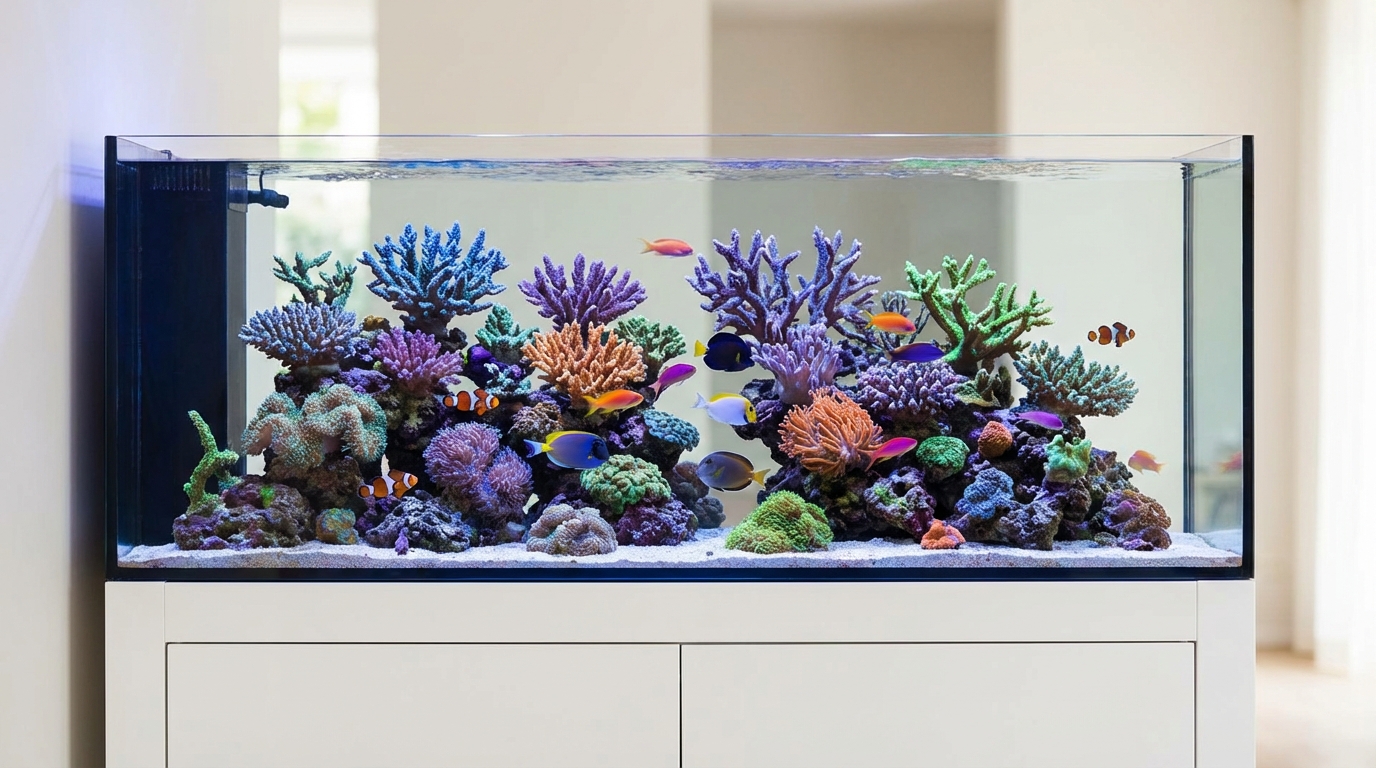
What Are the Best Beginner Corals?
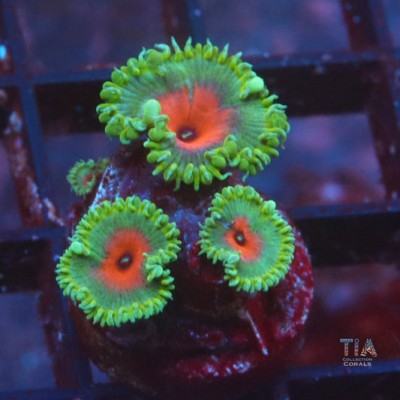
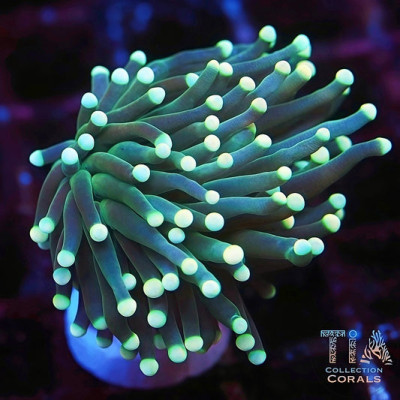
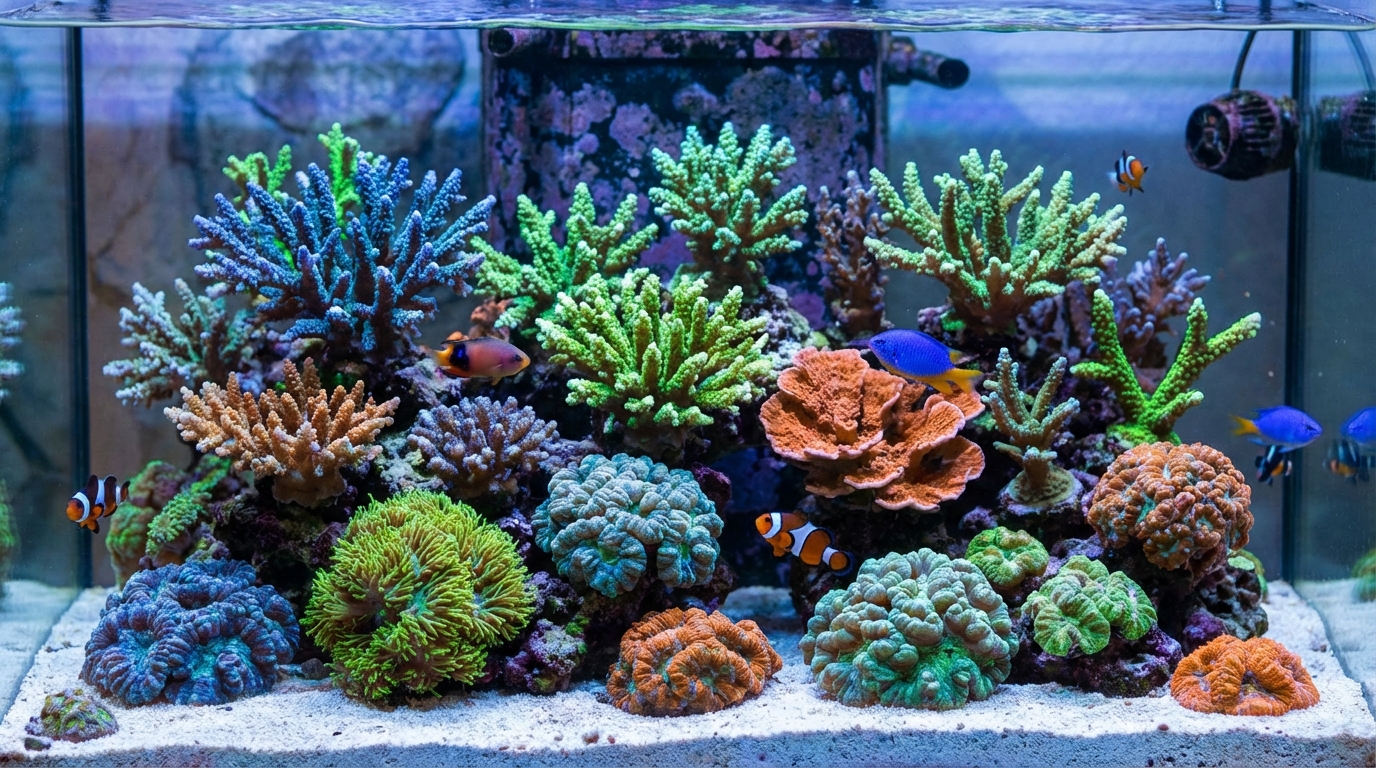
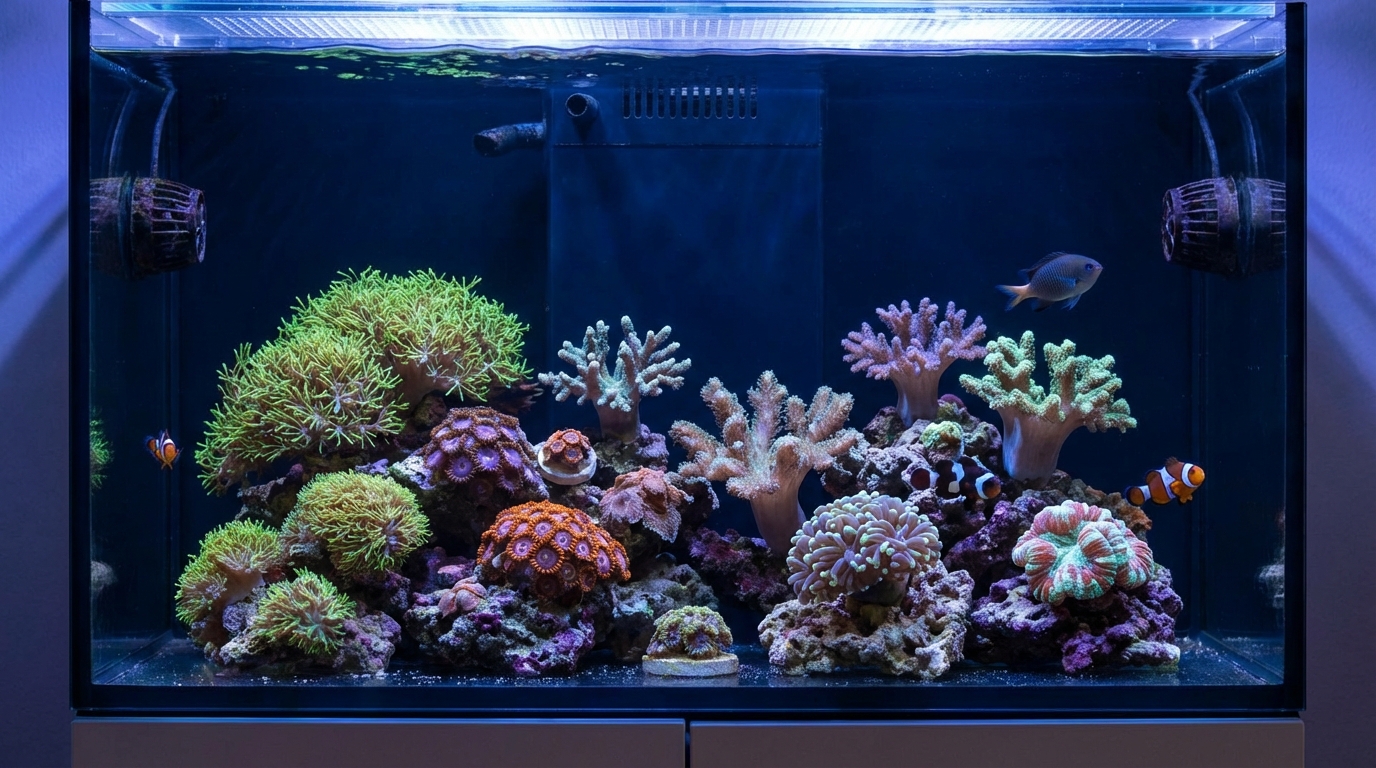
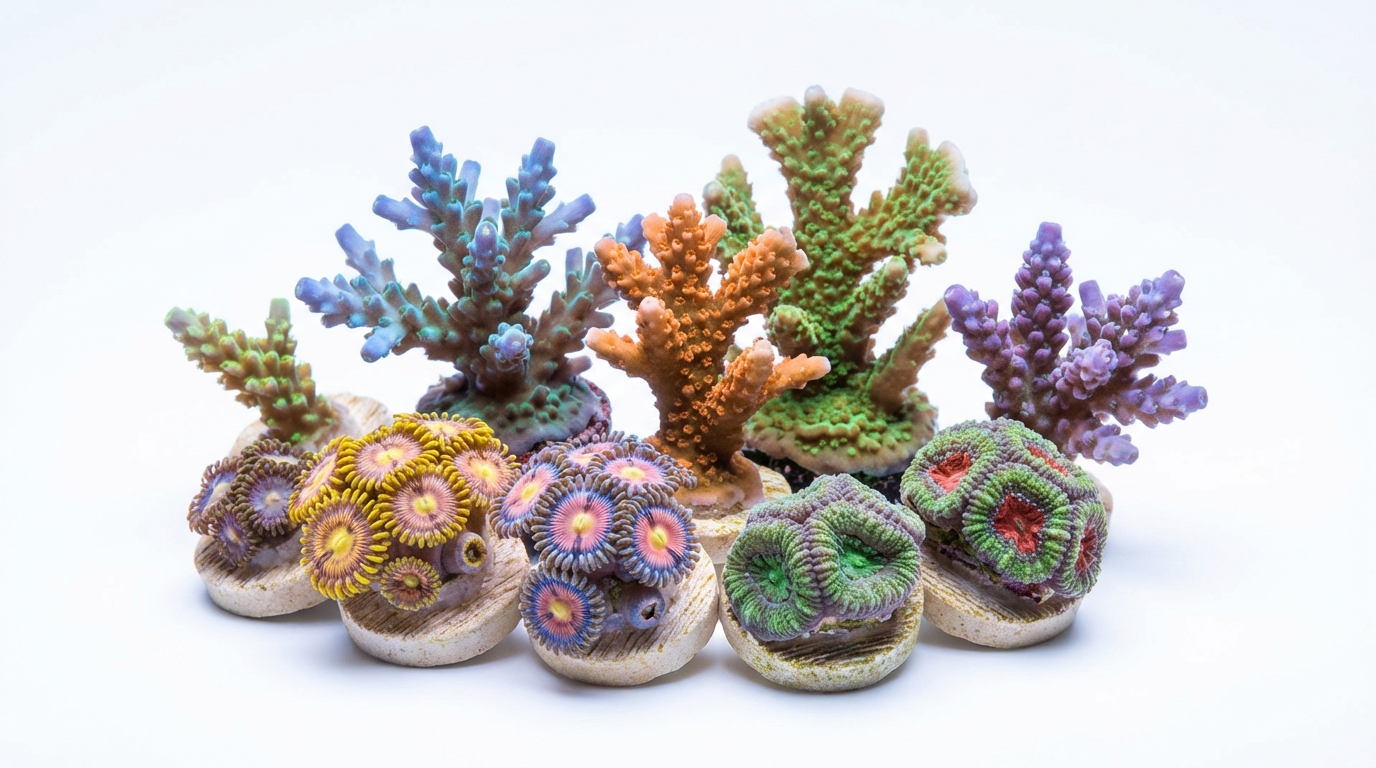
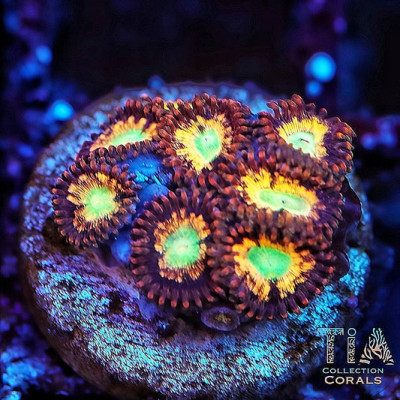
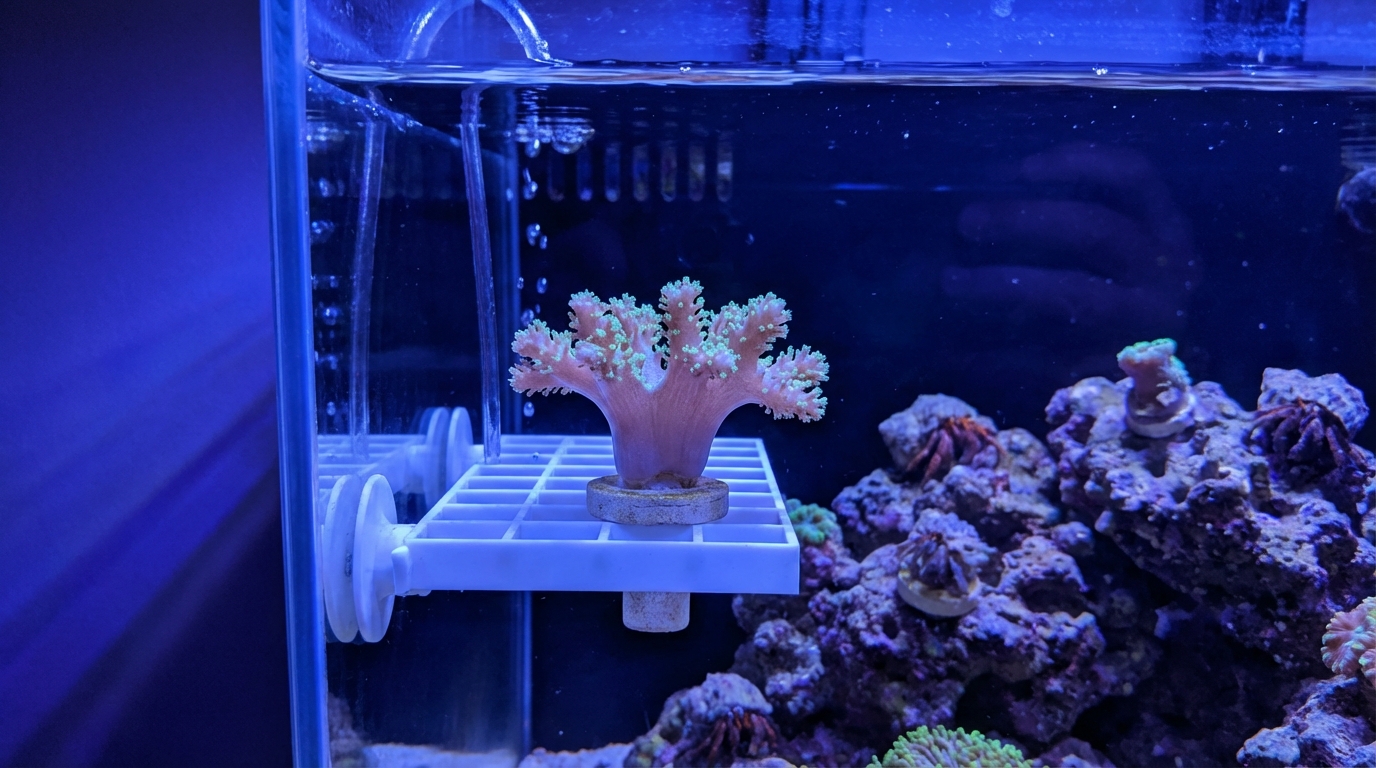
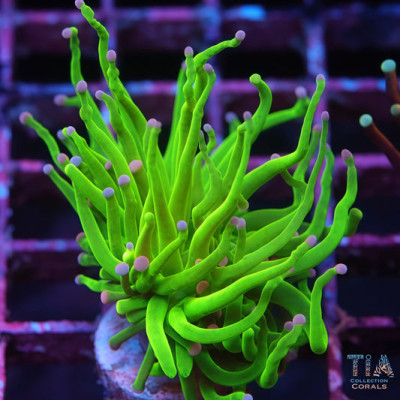
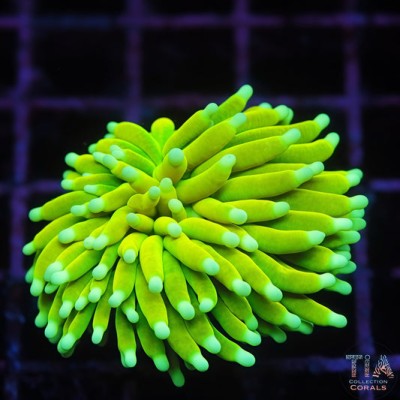
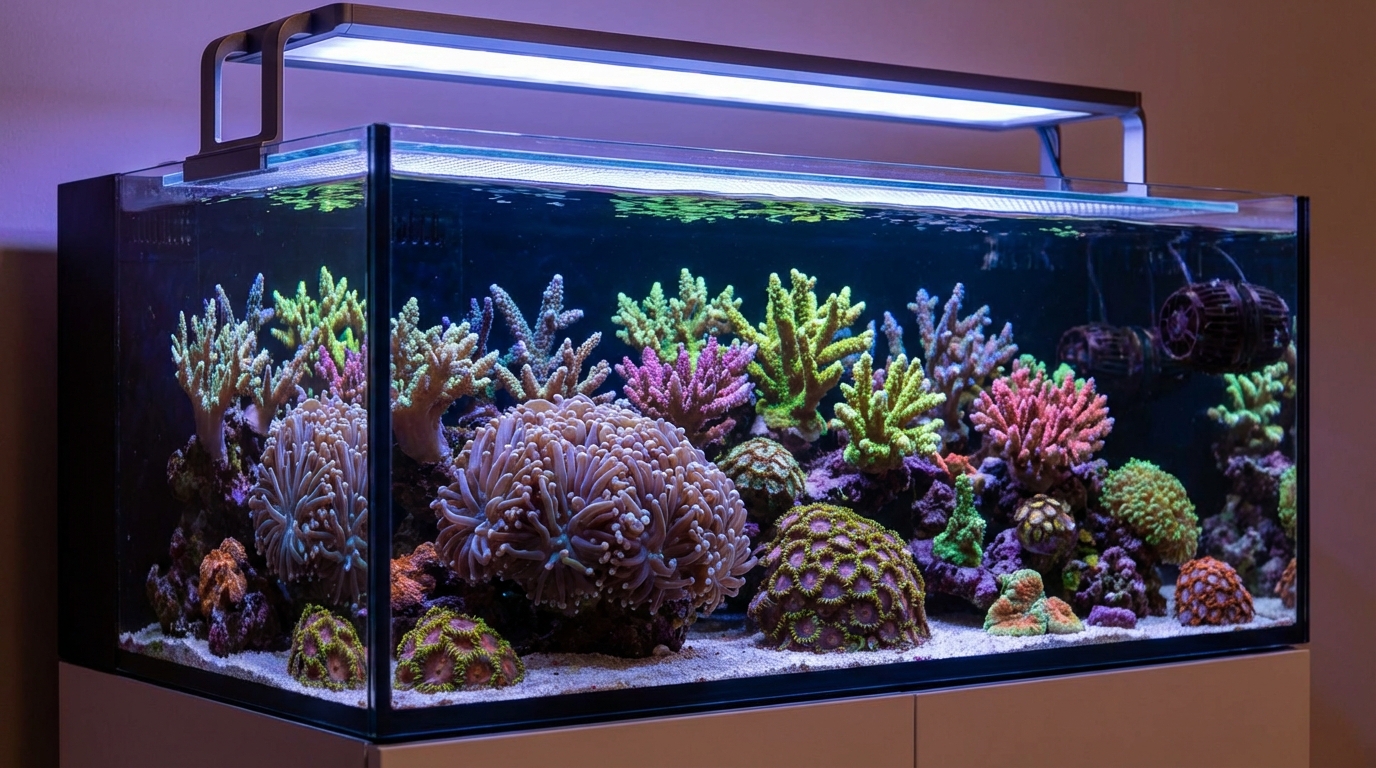
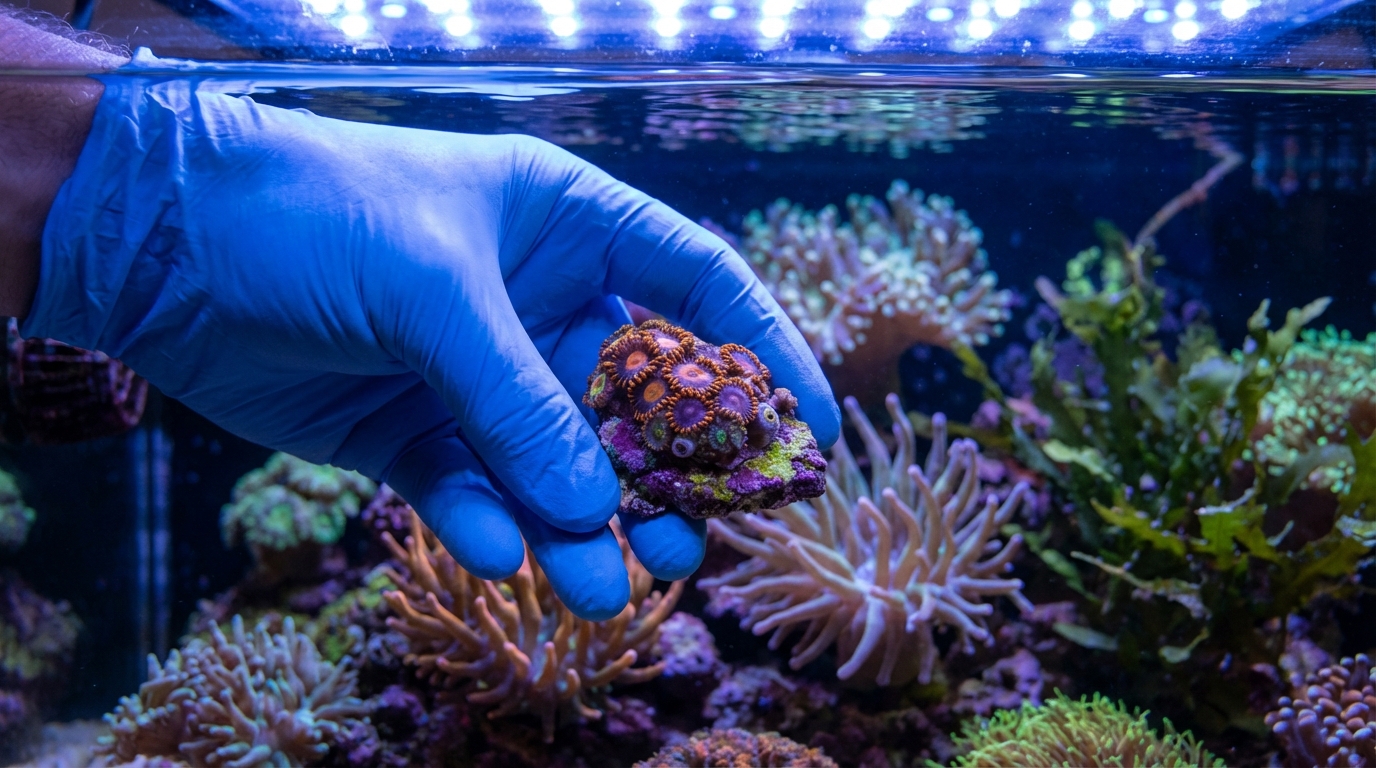
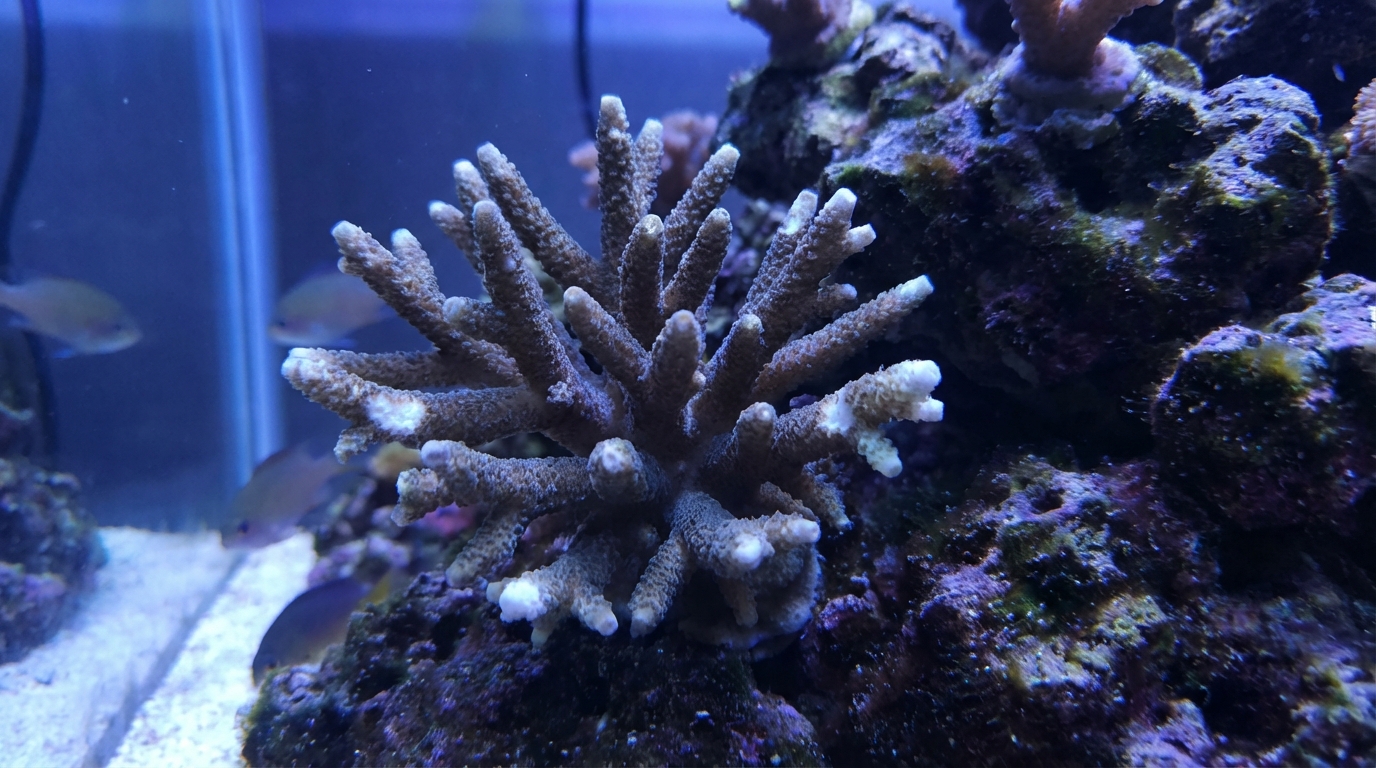
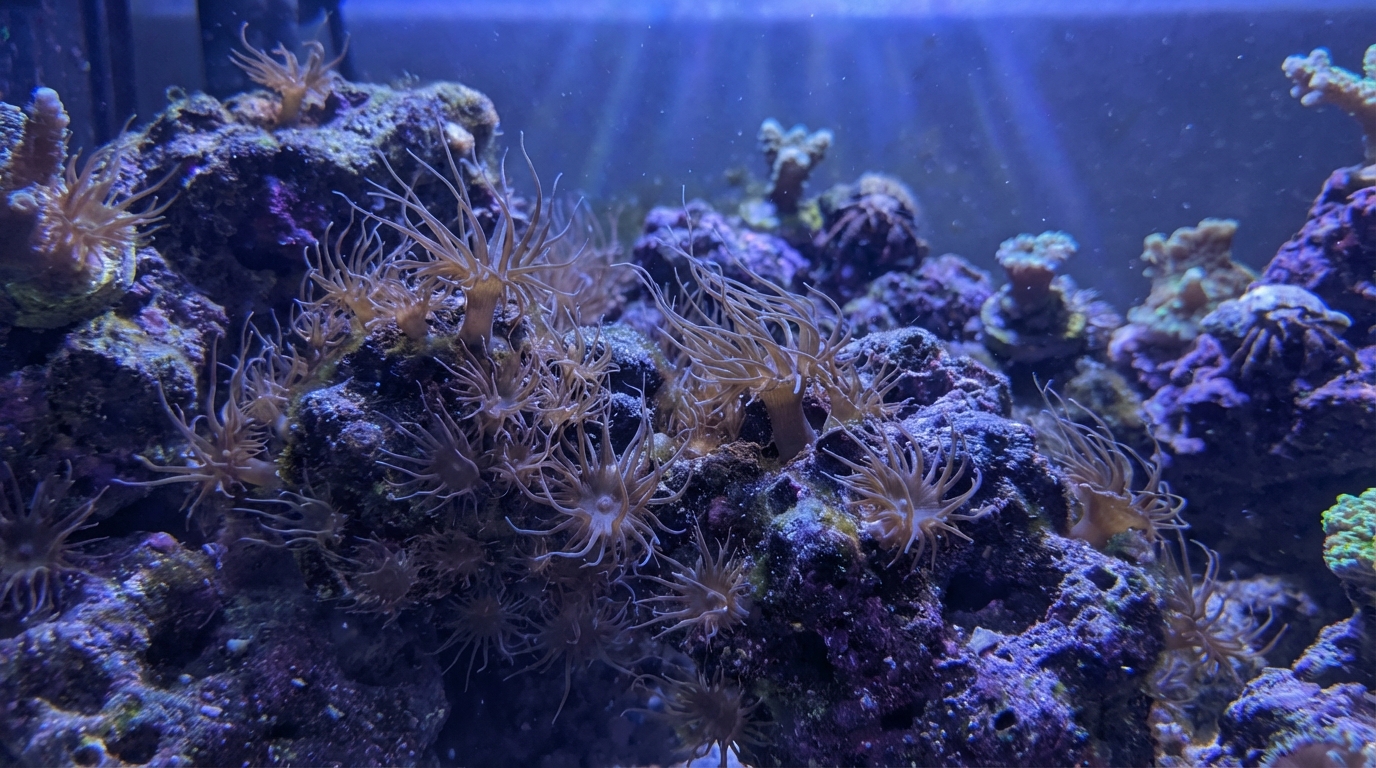
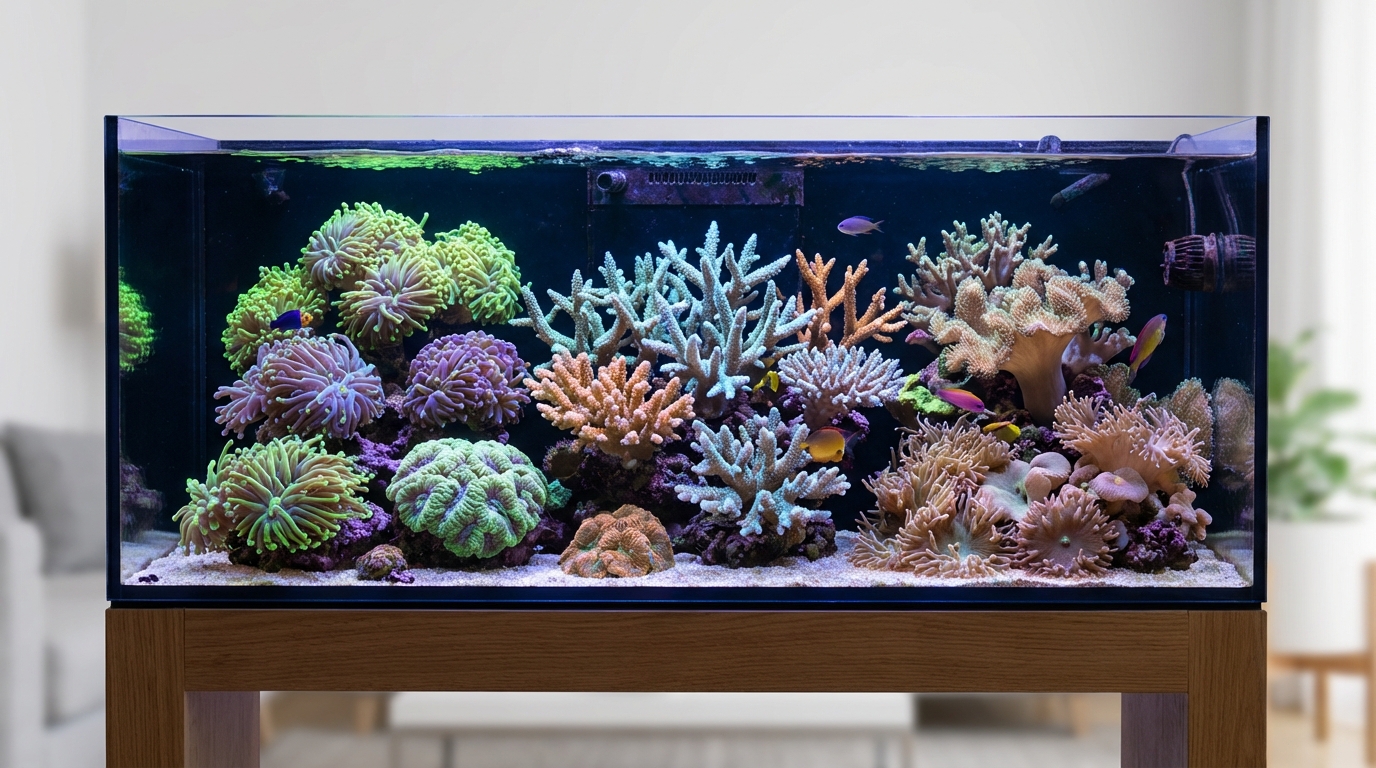
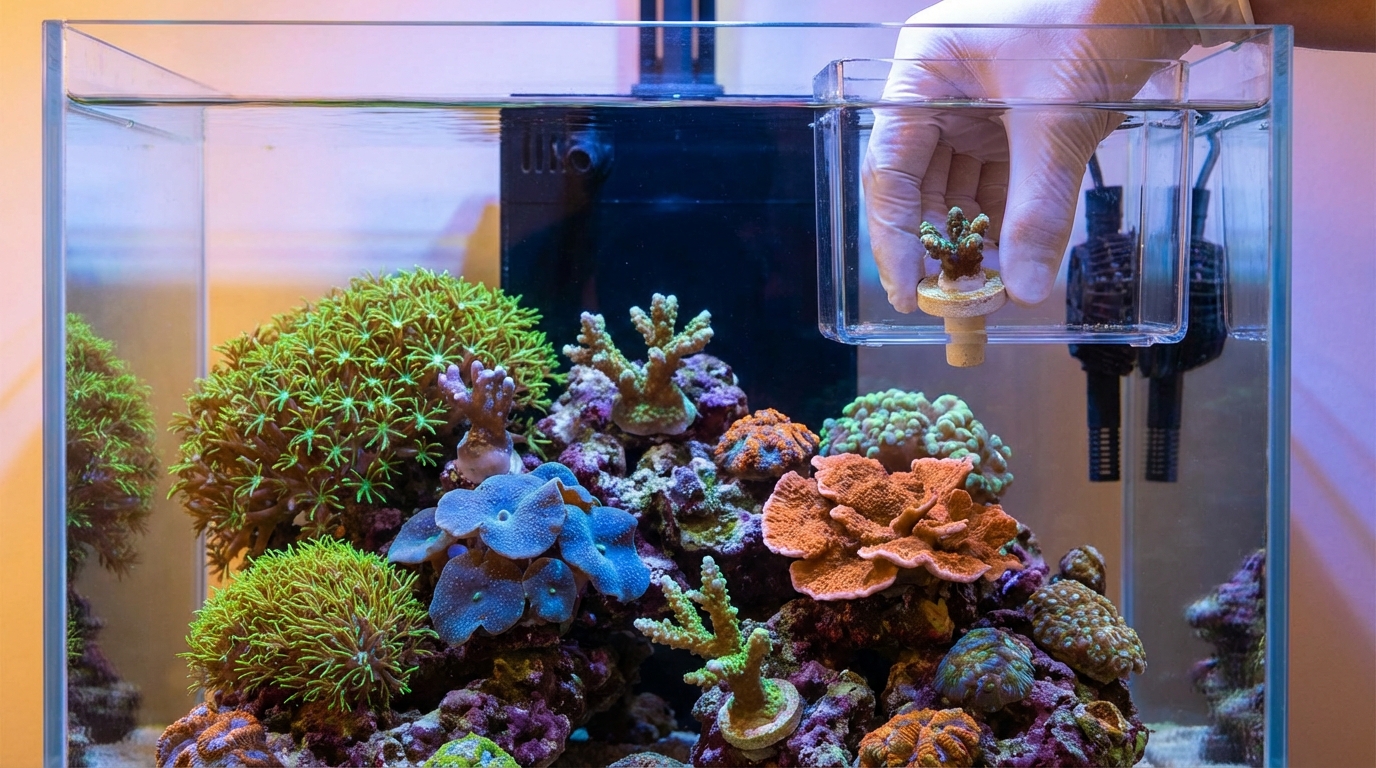
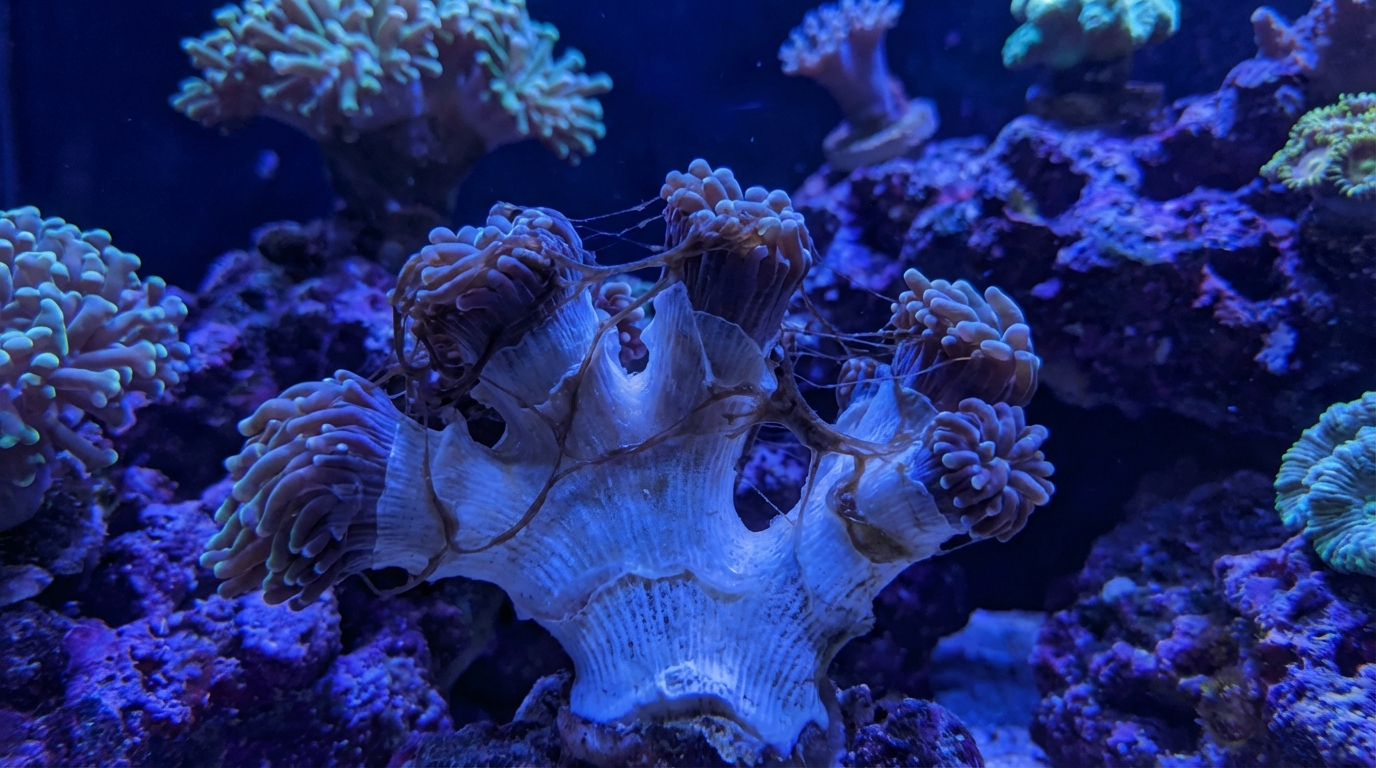
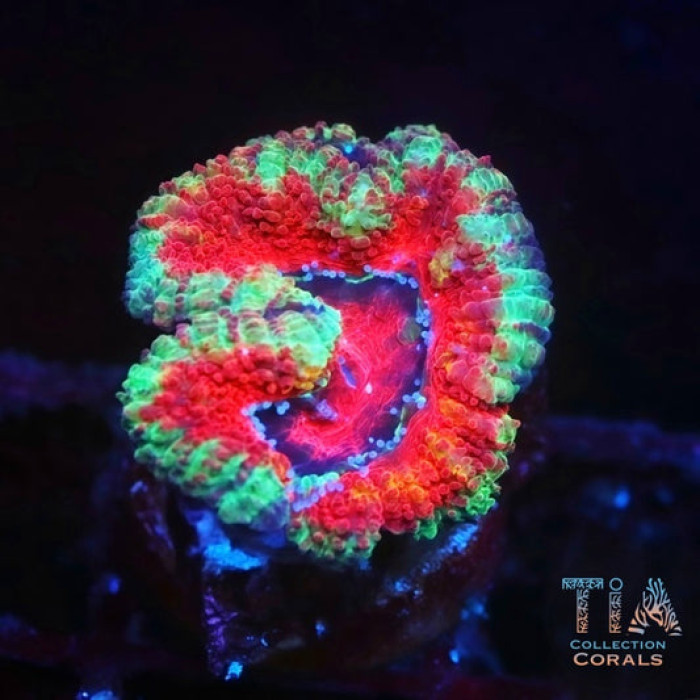
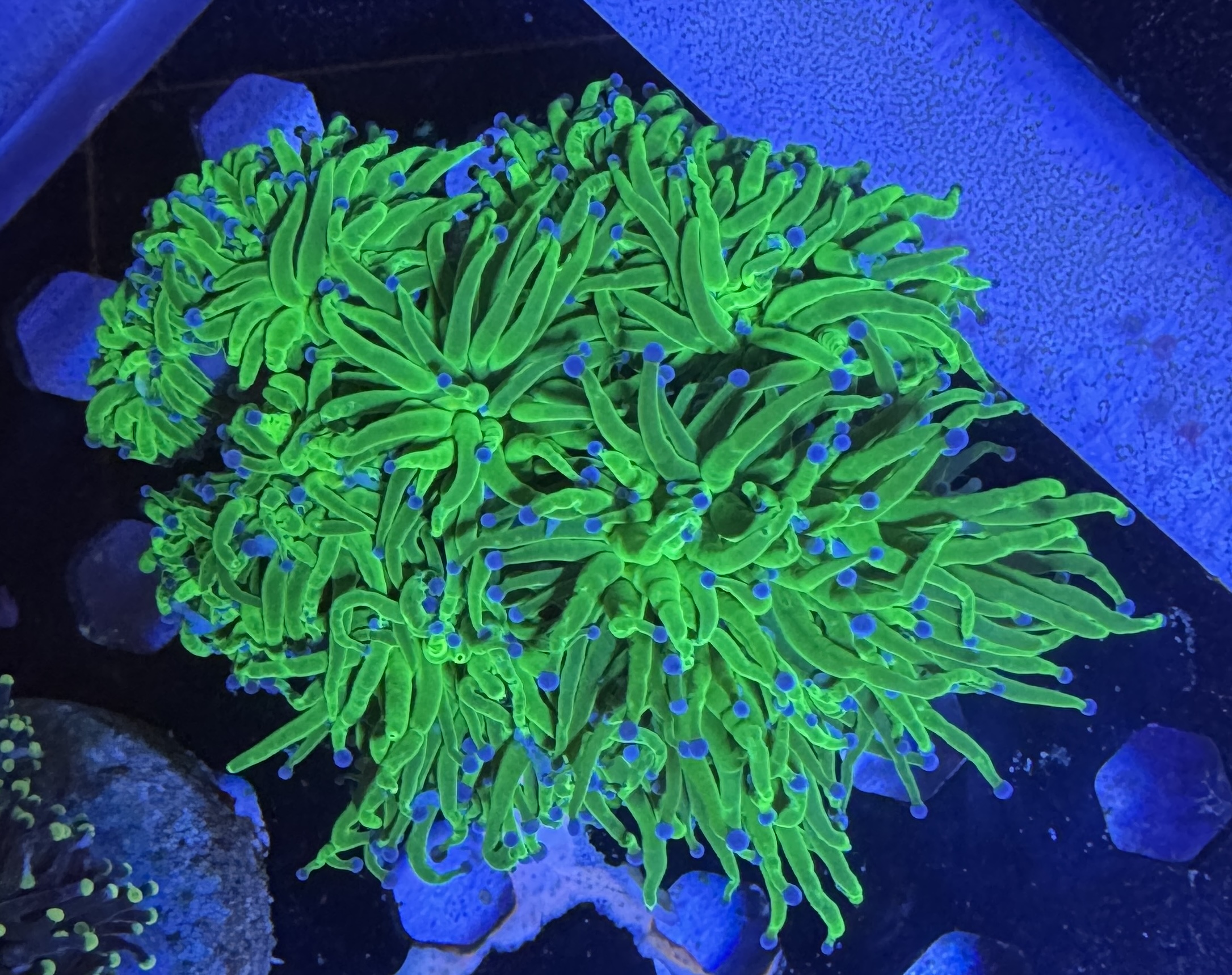
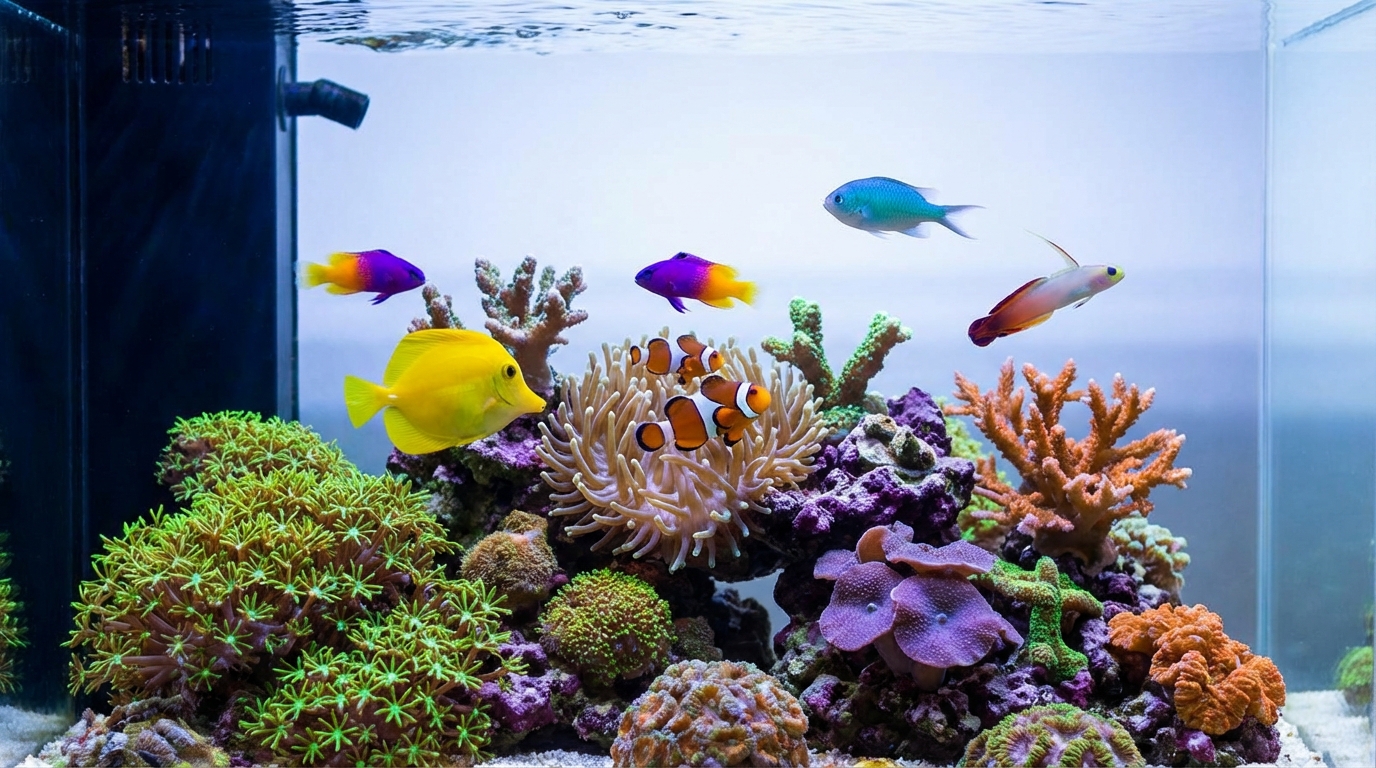
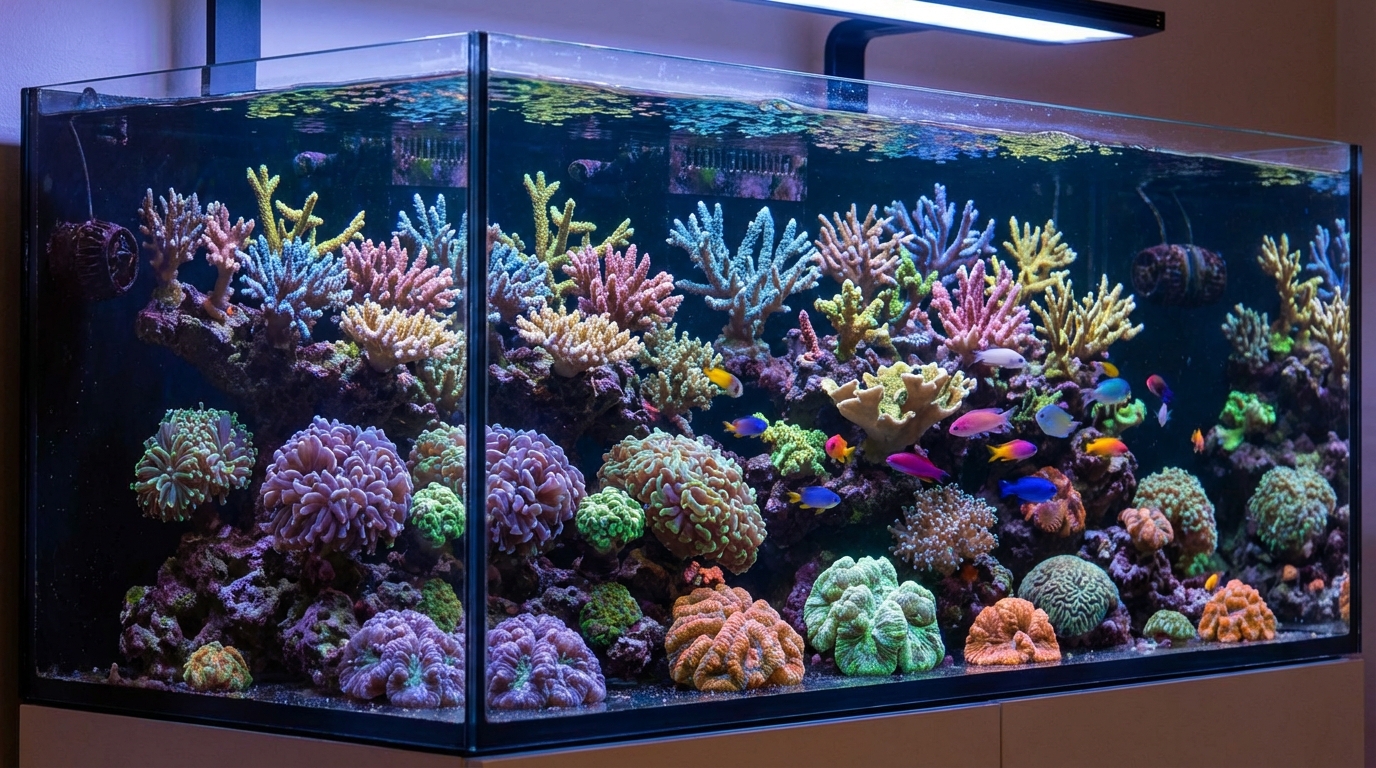
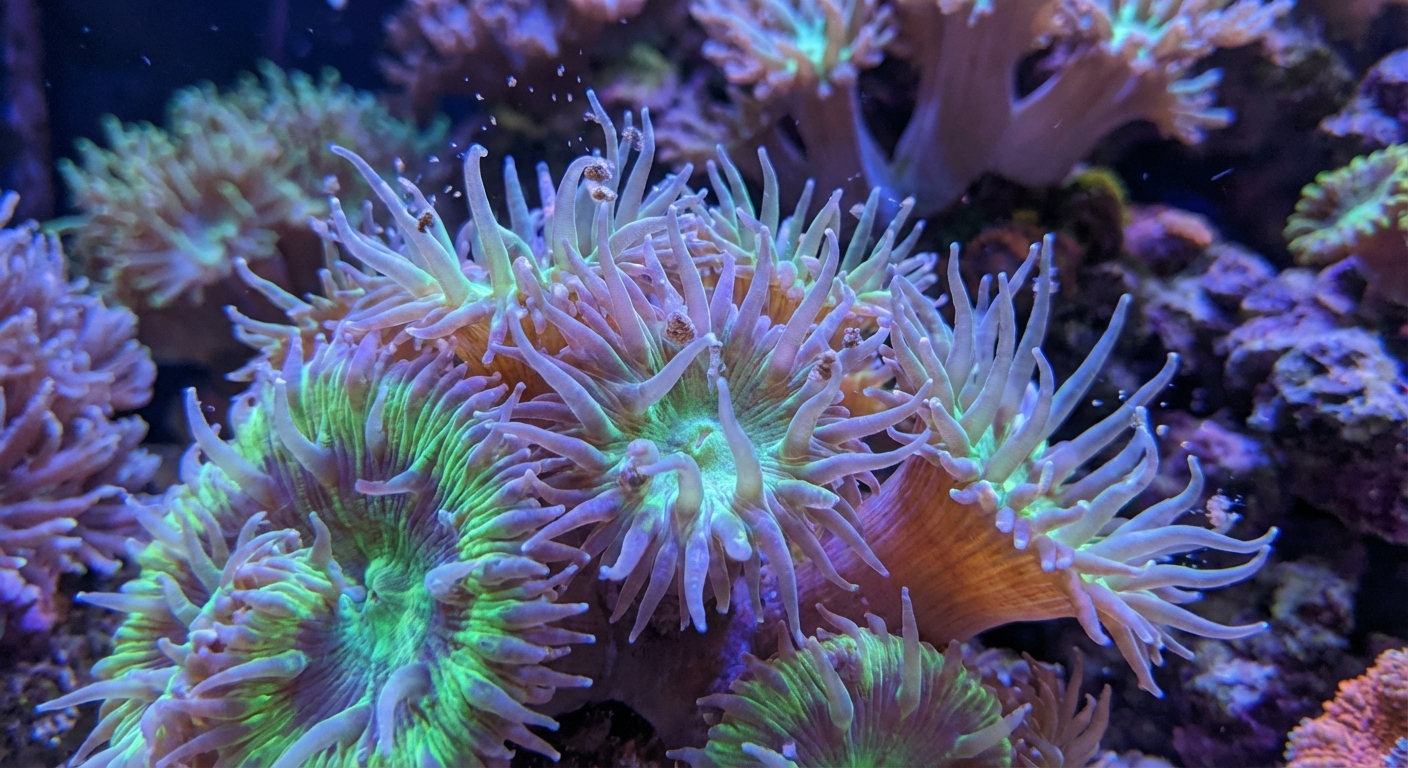
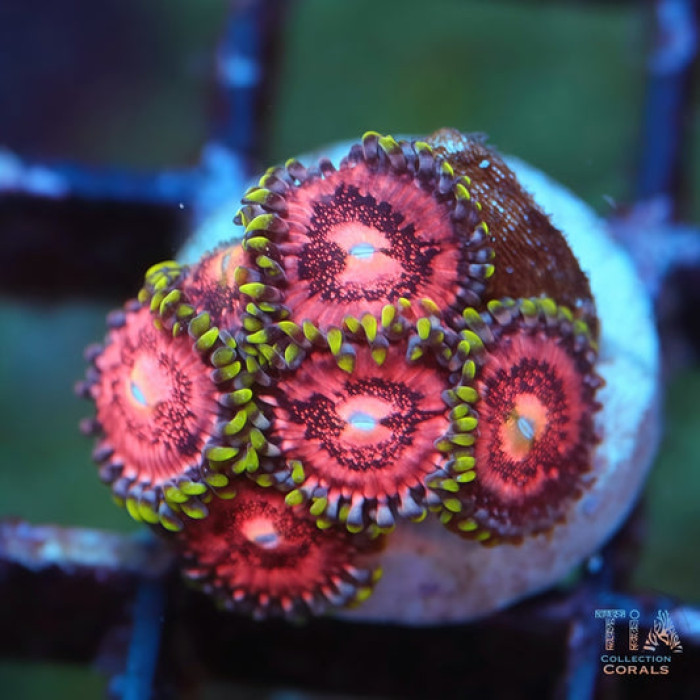
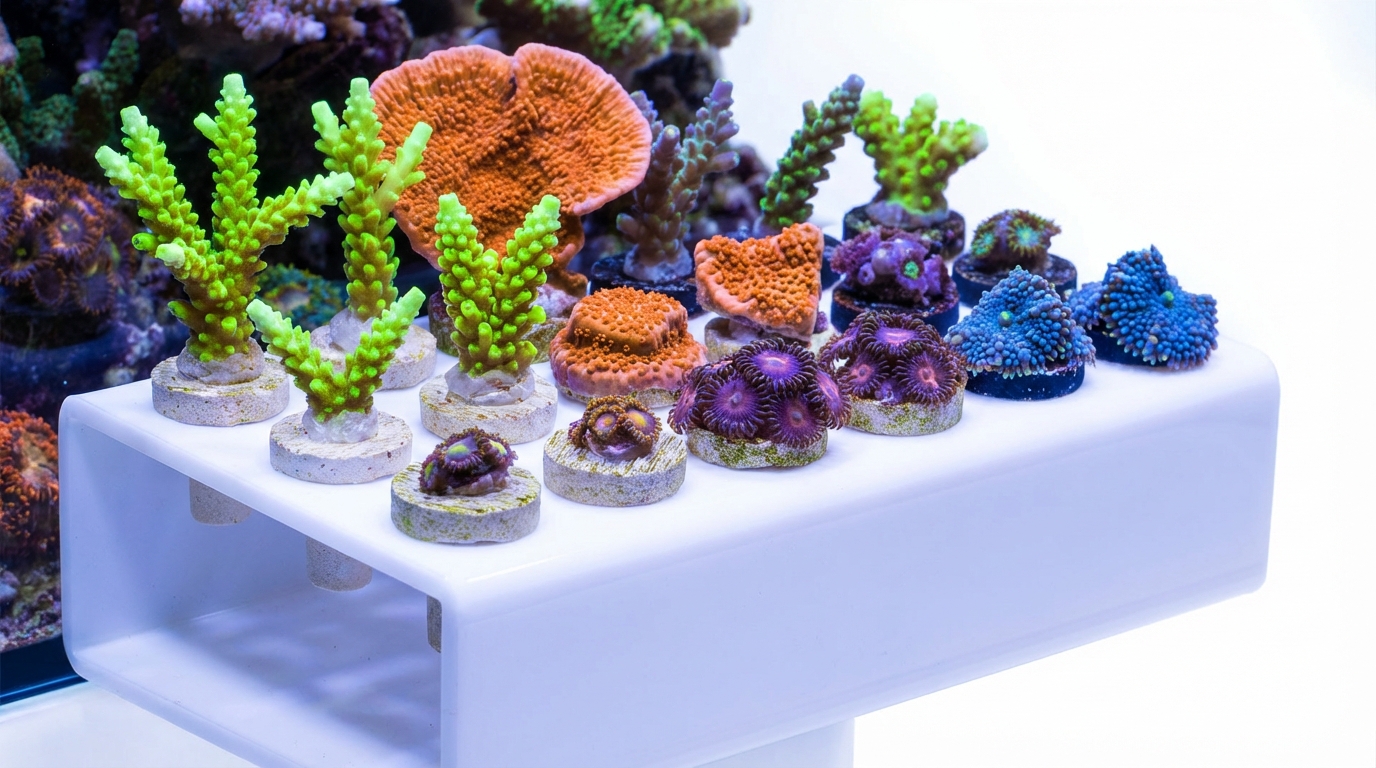
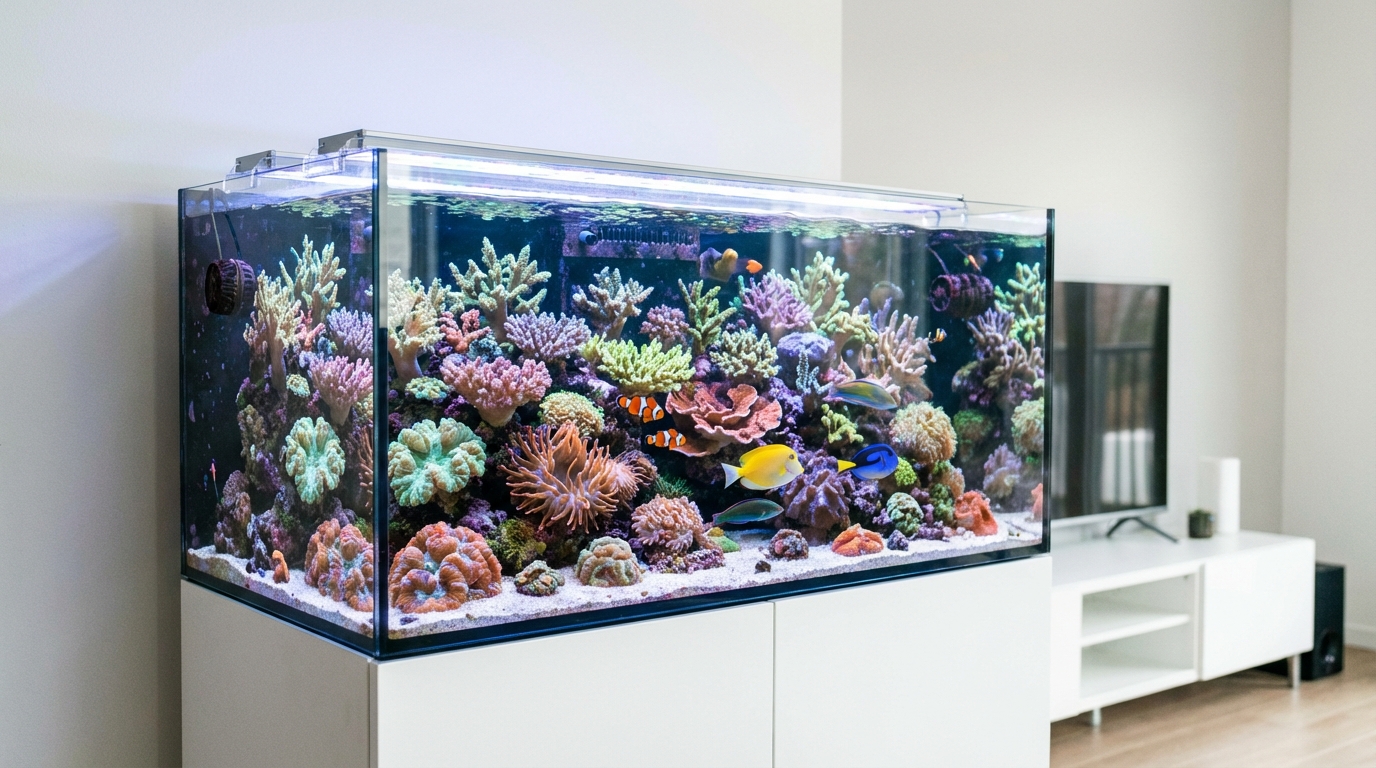
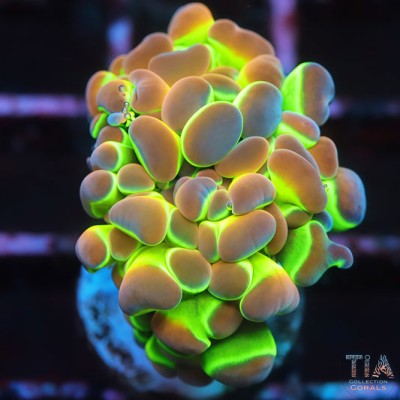
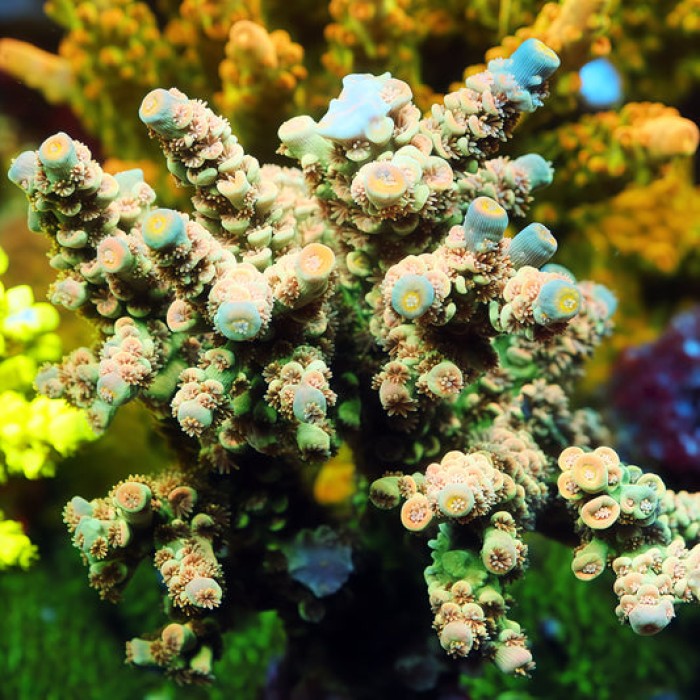
The best beginner corals are soft corals and LPS like zoanthids, mushrooms, leather corals, and hammer corals. These spe...
Expert answers to common reef aquarium questions. From acclimating new fish to choosing the right coral lighting, we've got you covered.
The best beginner corals are soft corals and LPS like zoanthids, mushrooms, leather corals, and hammer corals. These spe...
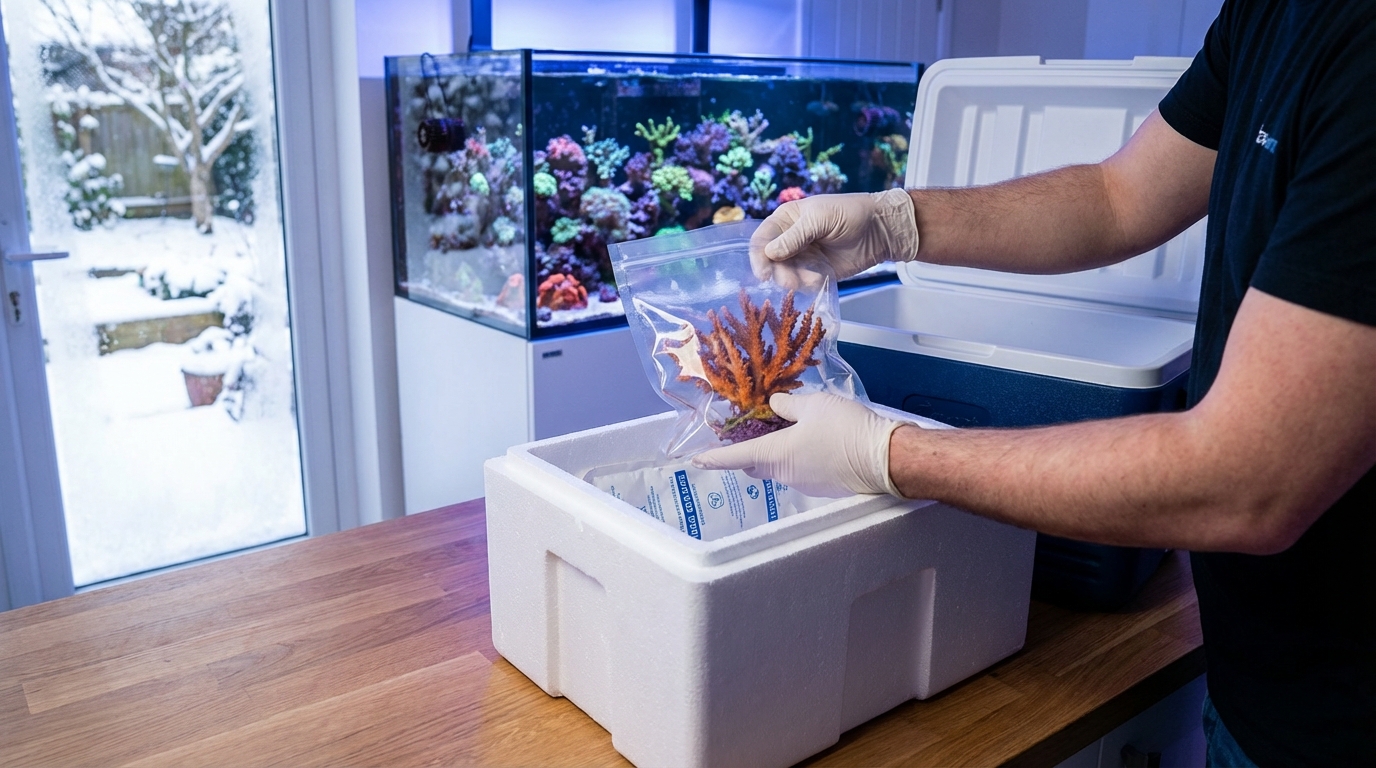
Yes, with proper precautions. Reputable sellers use heat packs and insulated boxes. Choose express shipping and be home...
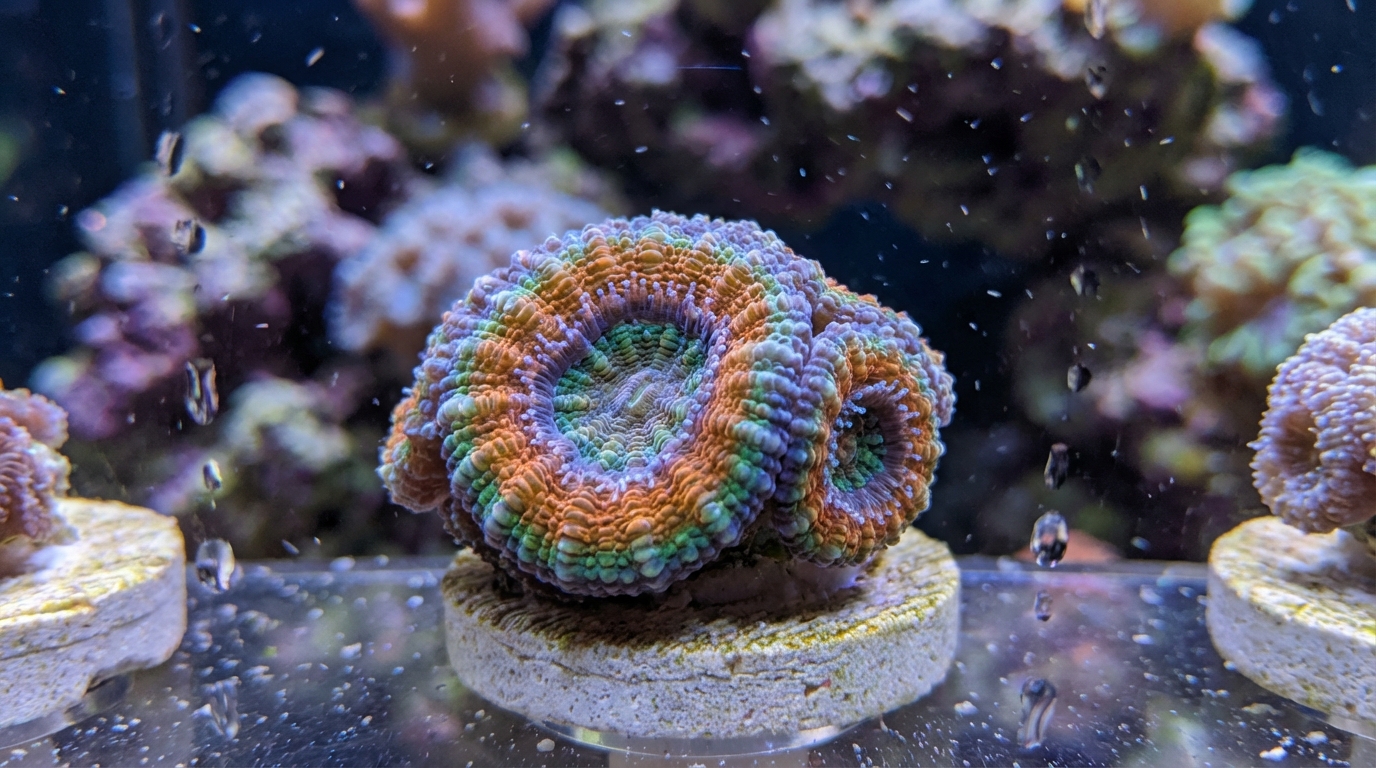
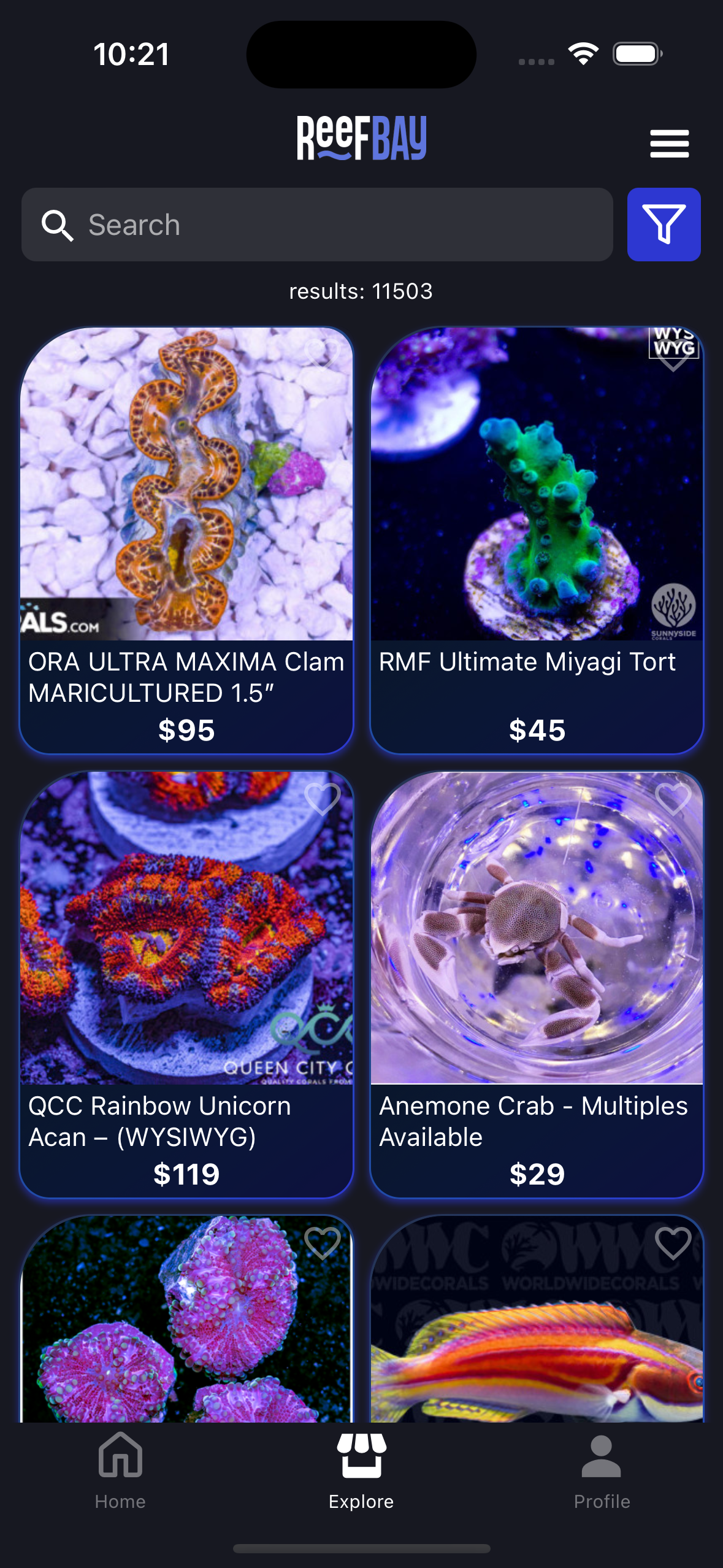
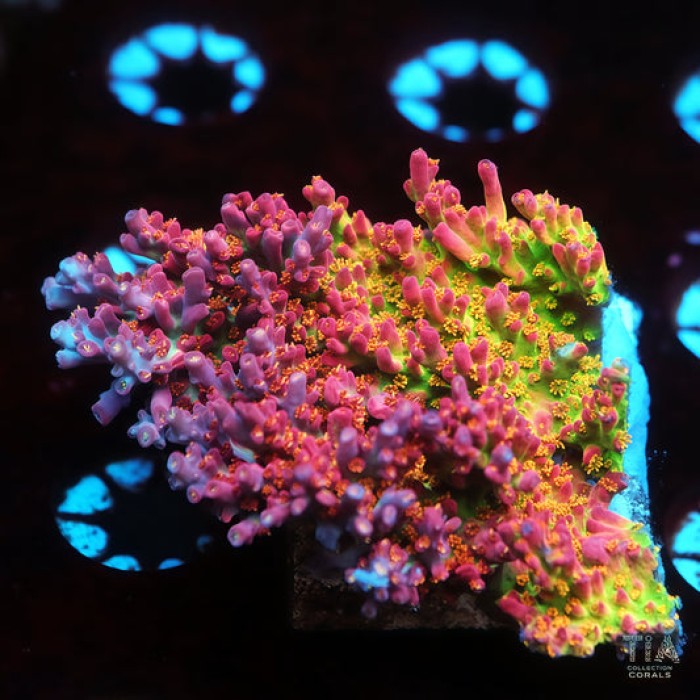
WYSIWYG stands for "What You See Is What You Get." When buying WYSIWYG coral, you receive the exact coral pictured in th...
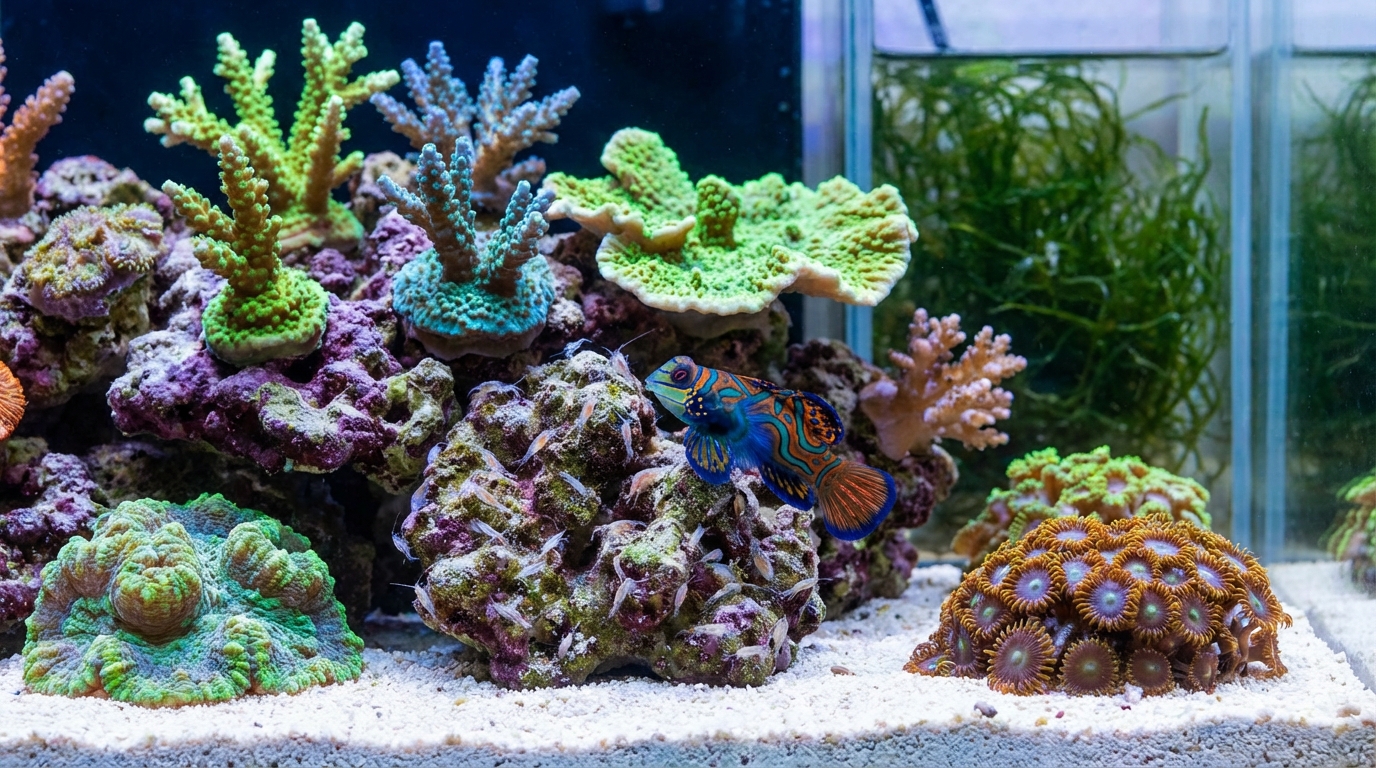
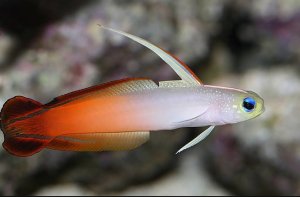
Mandarins thrive with abundant live copepods and periodic reseeding.
Treat early with targeted control and compatible predators to avoid coral damage.
Yes—many brittle stars are reef-safe scavengers, but avoid large predatory species and feed lightly so they don't starve...
Yes—many nano and soft coral tanks run skimmerless if you manage nutrients with regular water changes, feeding control,...
Most reef tanks do best with 8-10 hours of full lighting and a short ramp-up/ramp-down period. Too much light can fuel a...
Usually no. Mandarin dragonets need mature tanks with stable pods and microfauna, so most new systems cannot support the...
Raise pH by improving gas exchange, confirming alkalinity, and using kalkwasser carefully. Avoid sudden swings—stability...
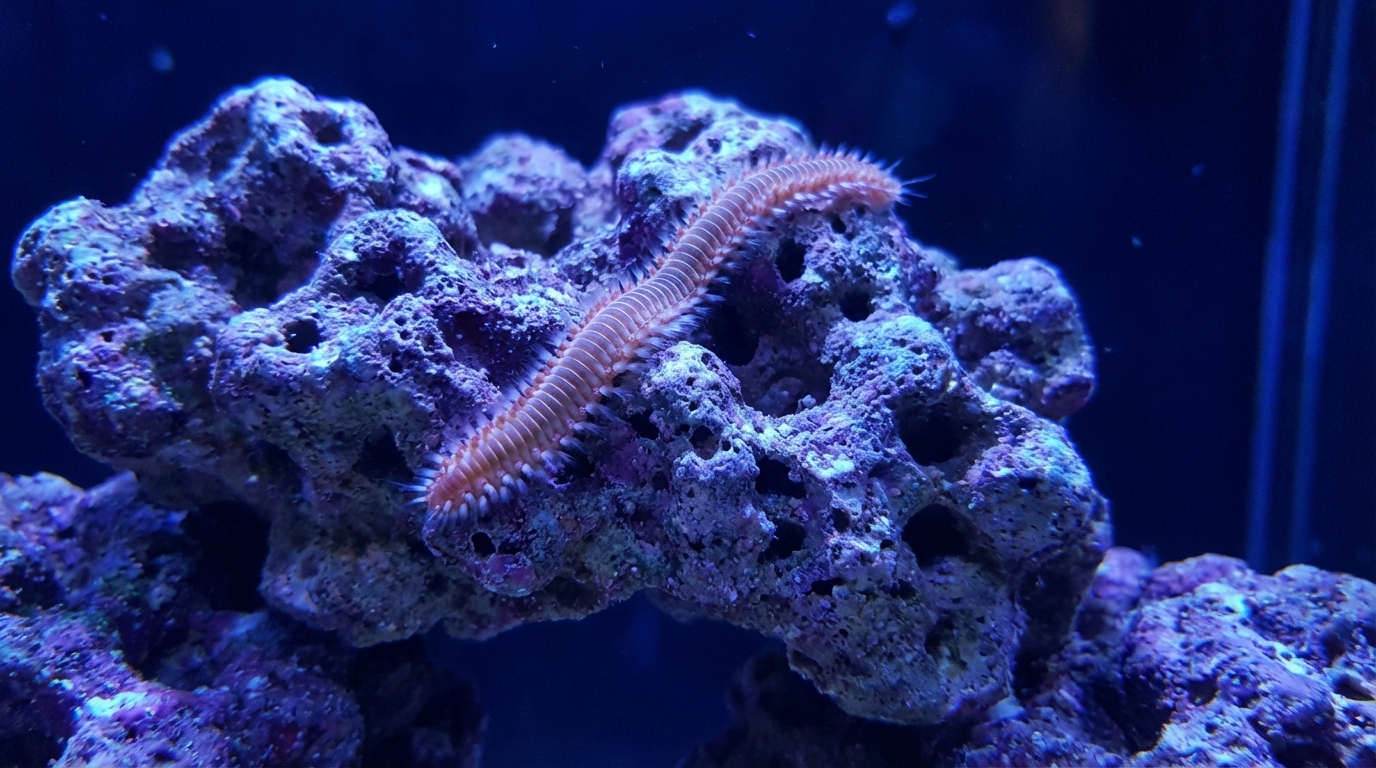
Most bristle worms are beneficial scavengers that eat detritus, uneaten food, and dead organisms in your reef tank. Only...
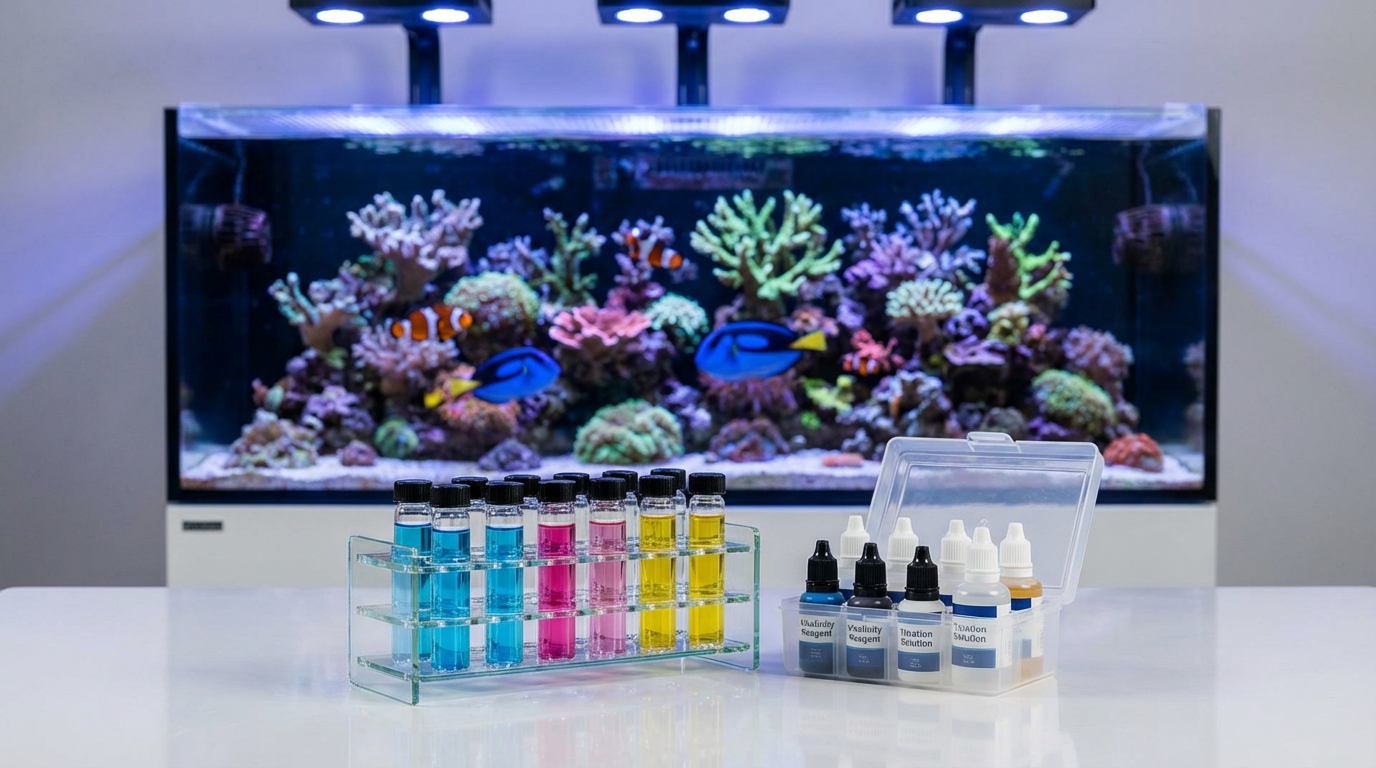
Alkalinity is your reef tank's pH buffering capacity, measured in dKH. It stabilizes pH and provides carbonate/bicarbona...
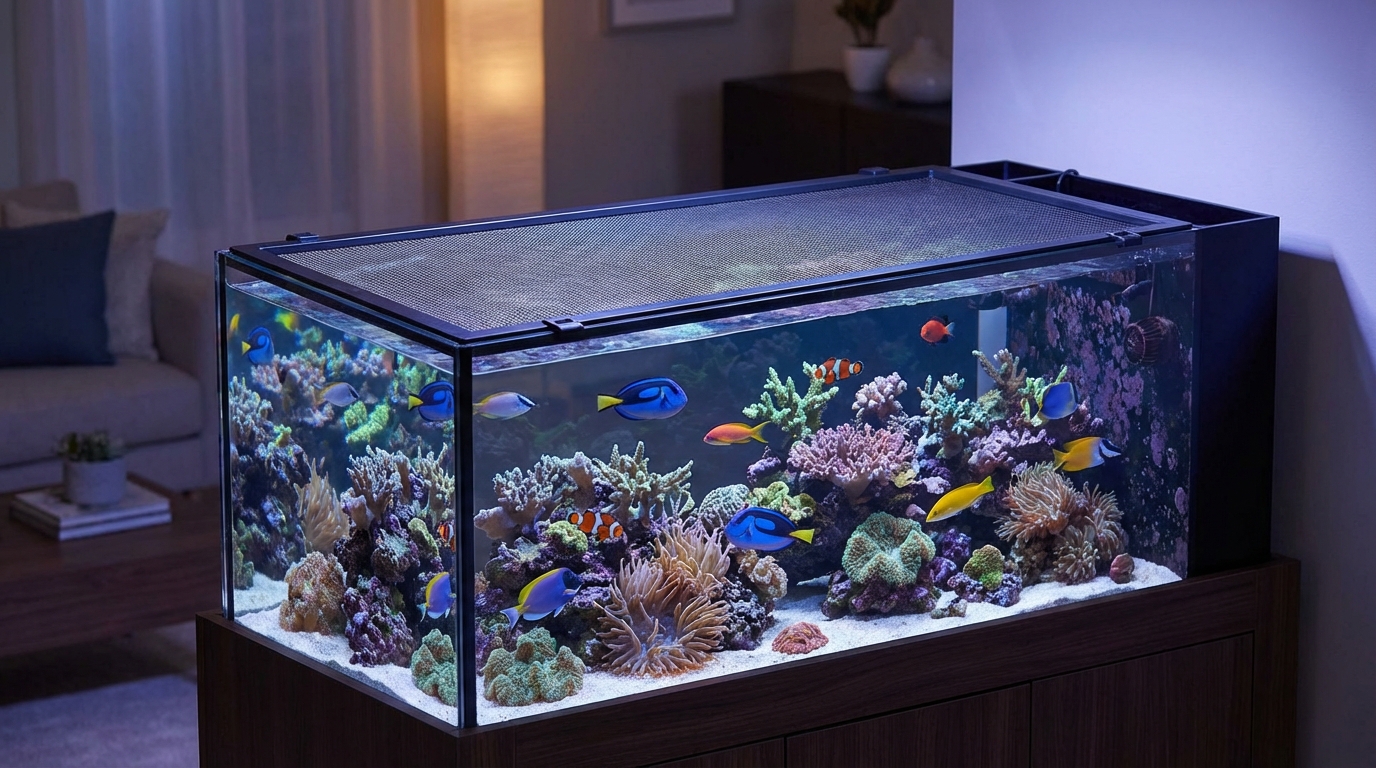
Use a mesh lid or screen top, minimize water surface gaps around equipment, reduce stress by keeping stable water qualit...
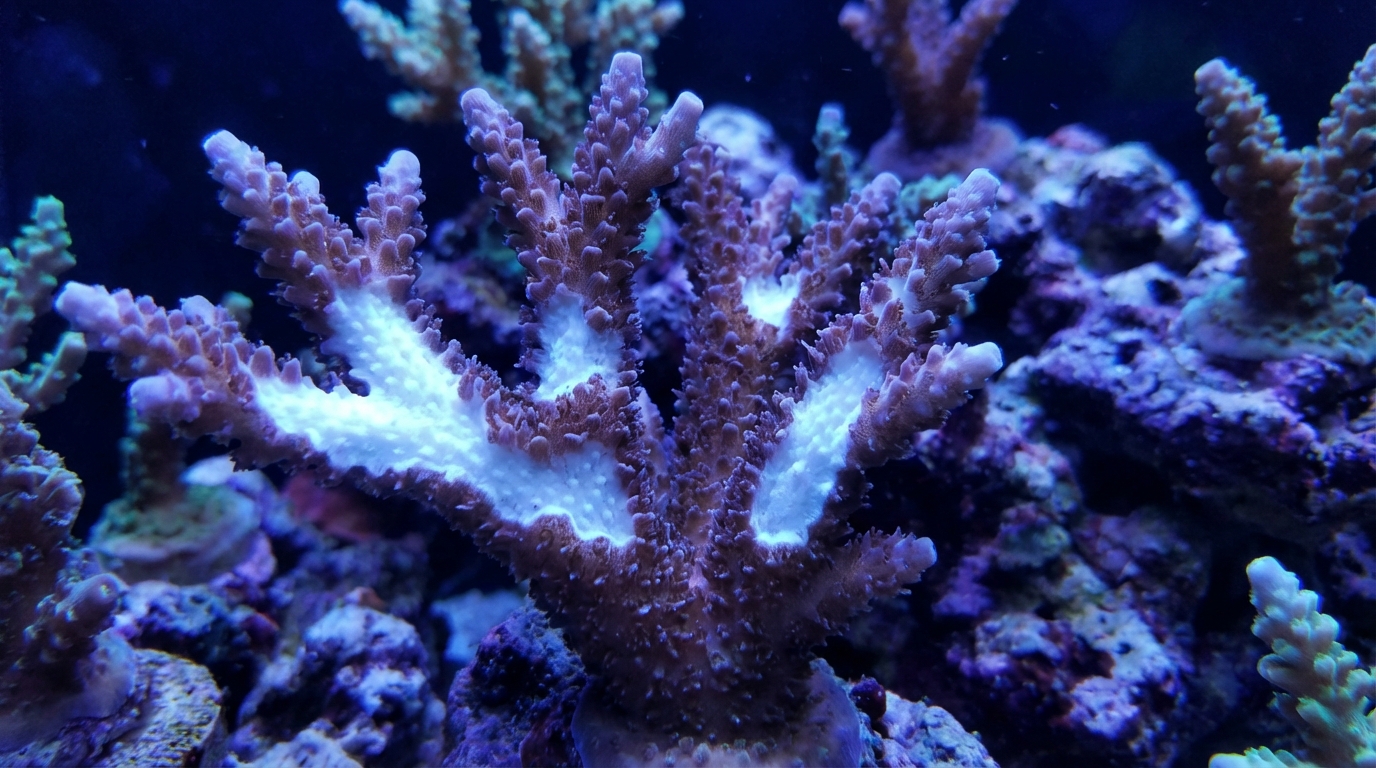
Corals retract their polyps due to stress, poor water quality, incorrect lighting, or flow issues. Check your parameters...
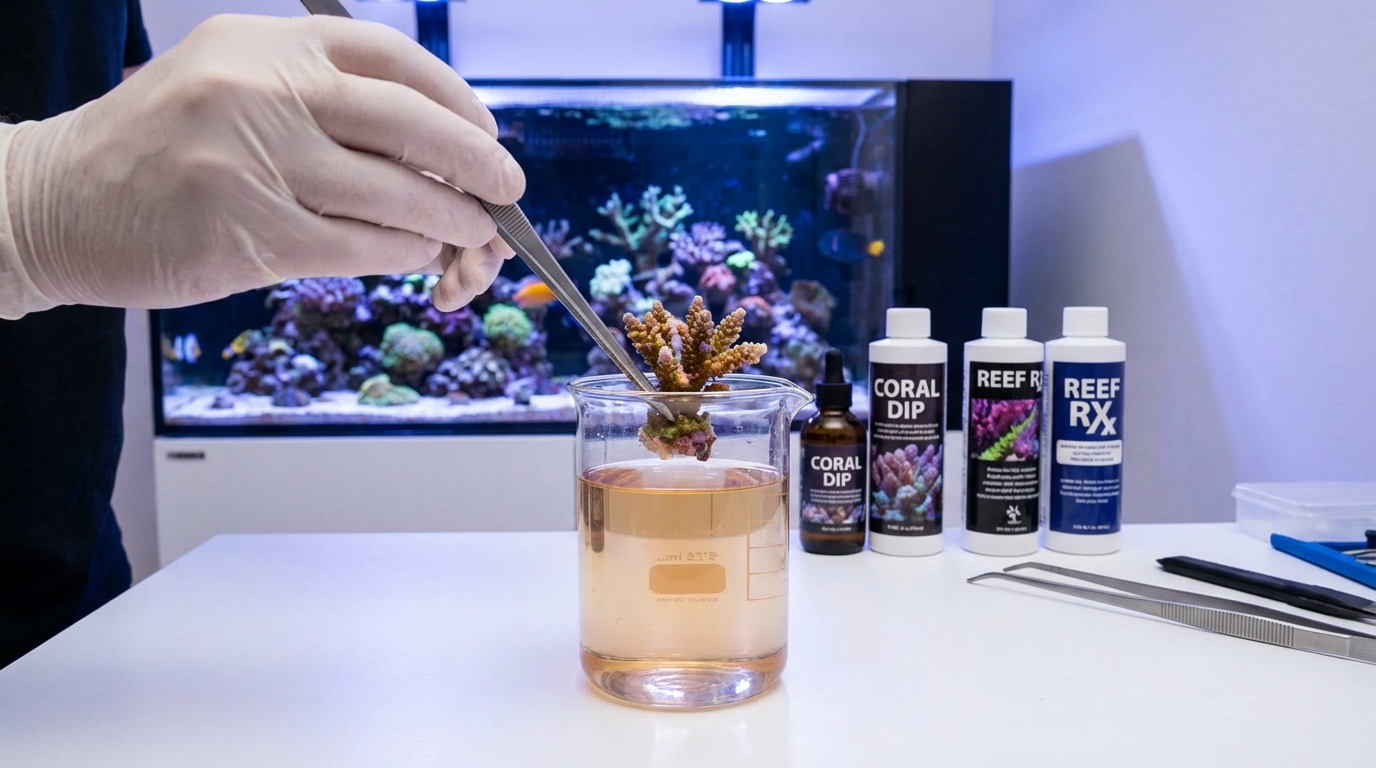
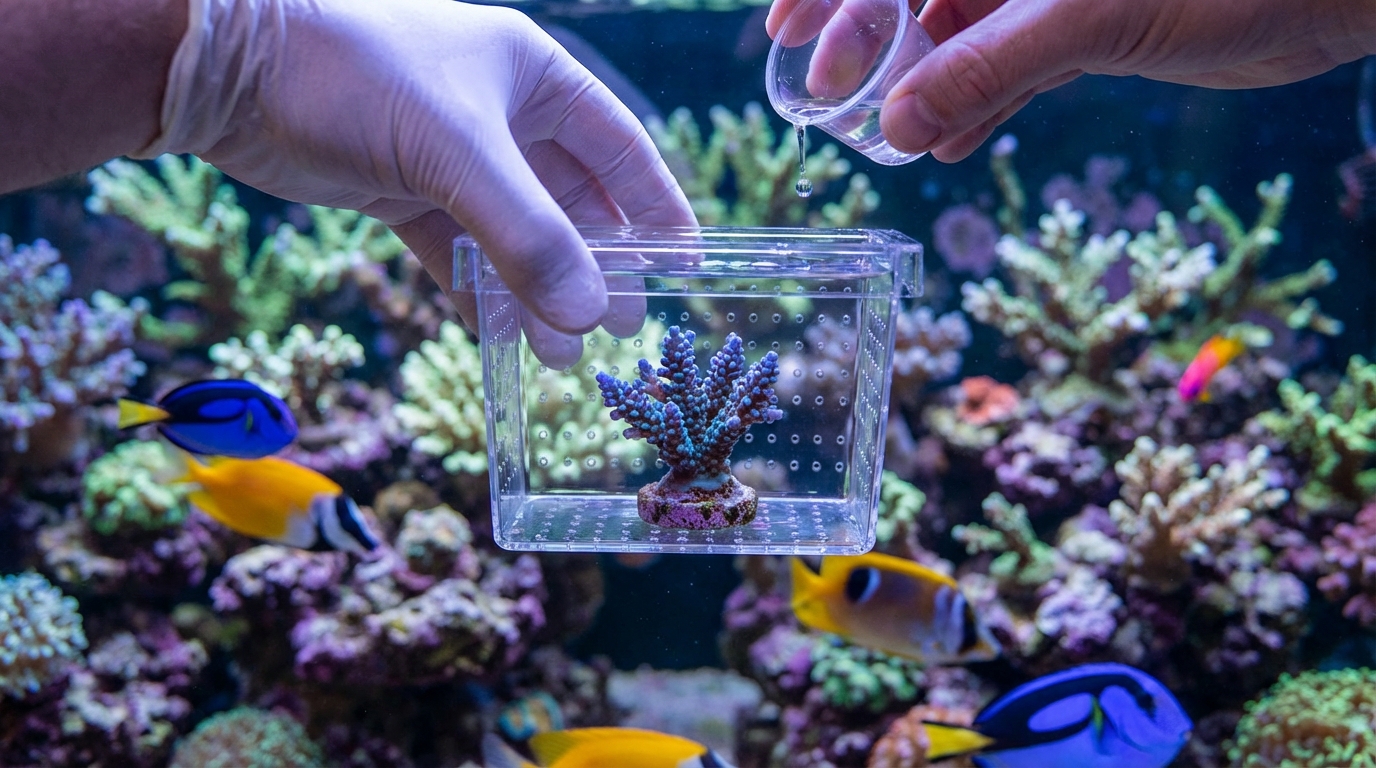
Coral dipping involves placing new corals in a medicated saltwater solution for 5-15 minutes to remove pests like flatwo...
RTN is caused by bacterial infection, often triggered by stress from parameter swings, physical damage, or poor water qu...
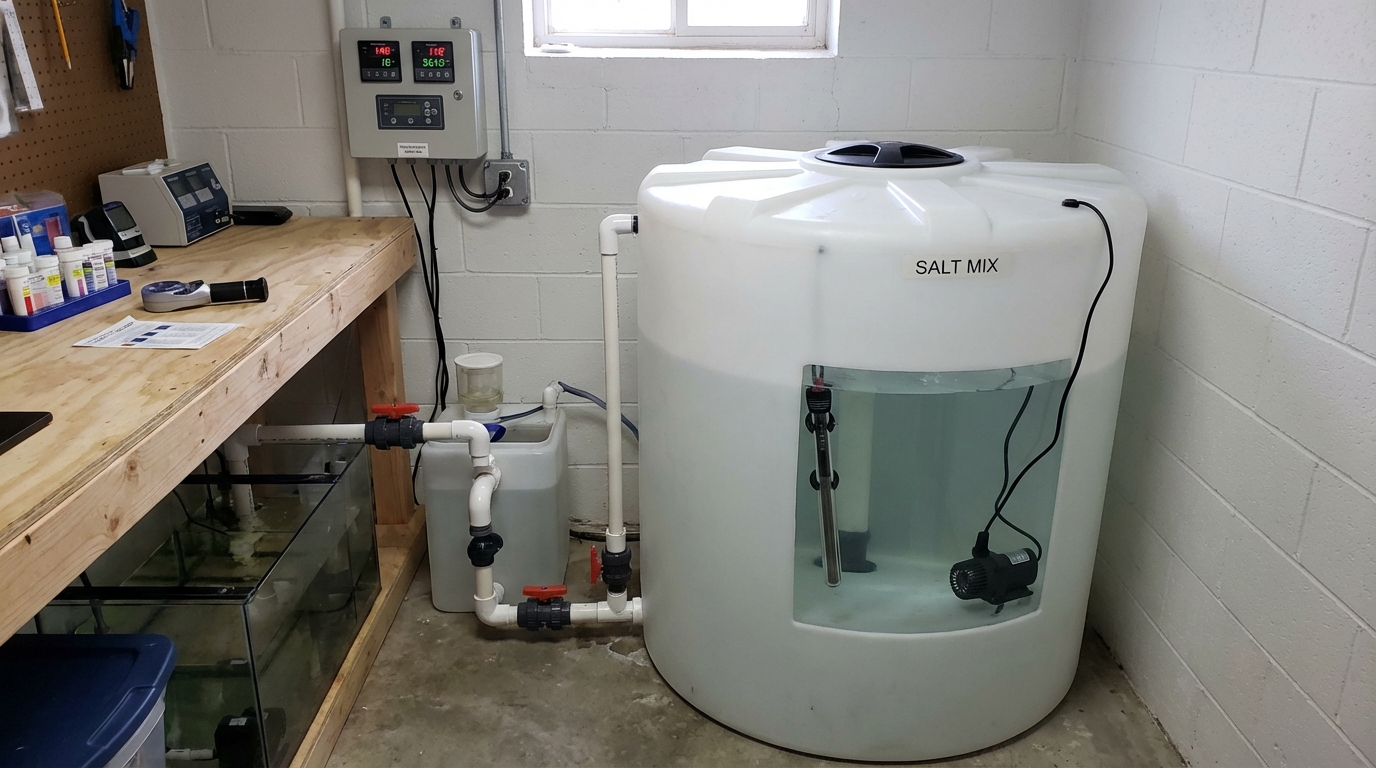
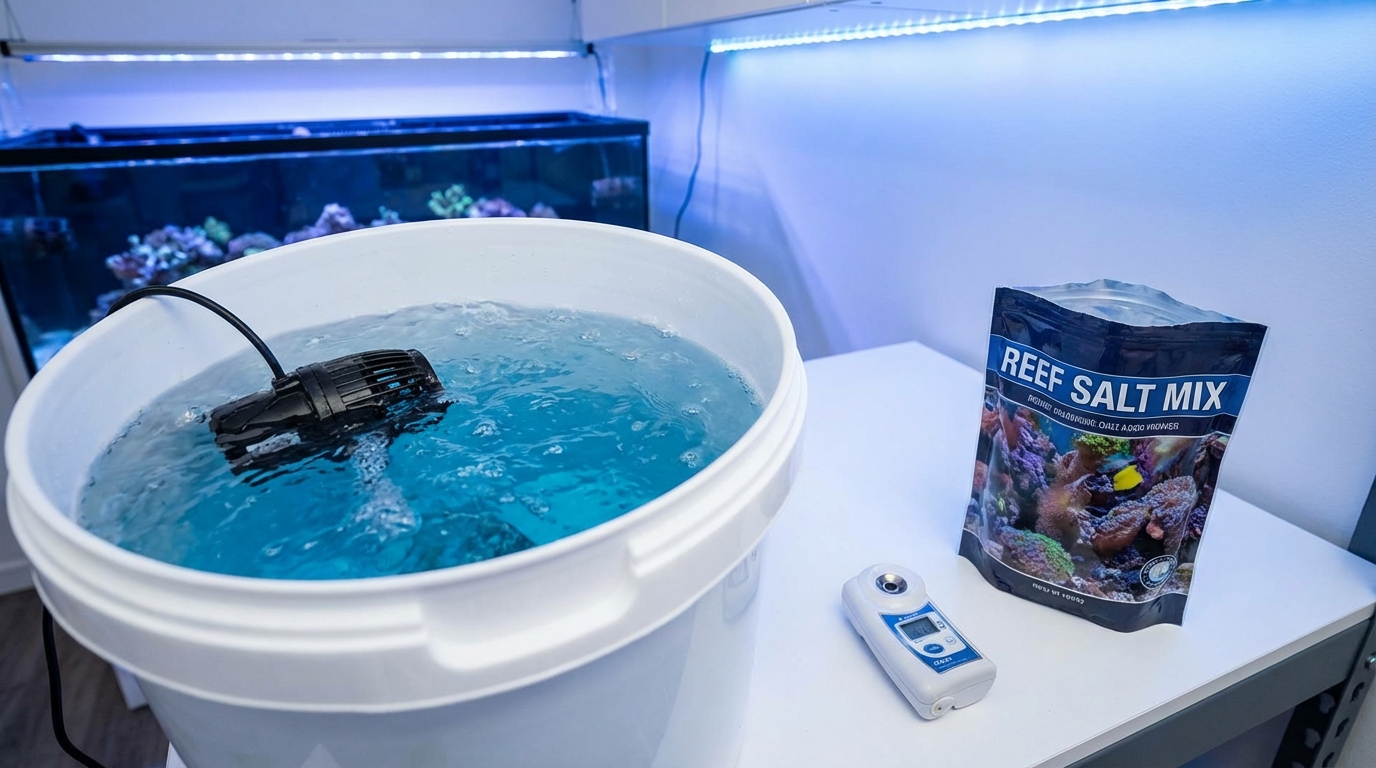
Mix RO/DI water to target salinity (1.025-1.026) using quality reef salt, heat to tank temperature, and aerate for 24 ho...
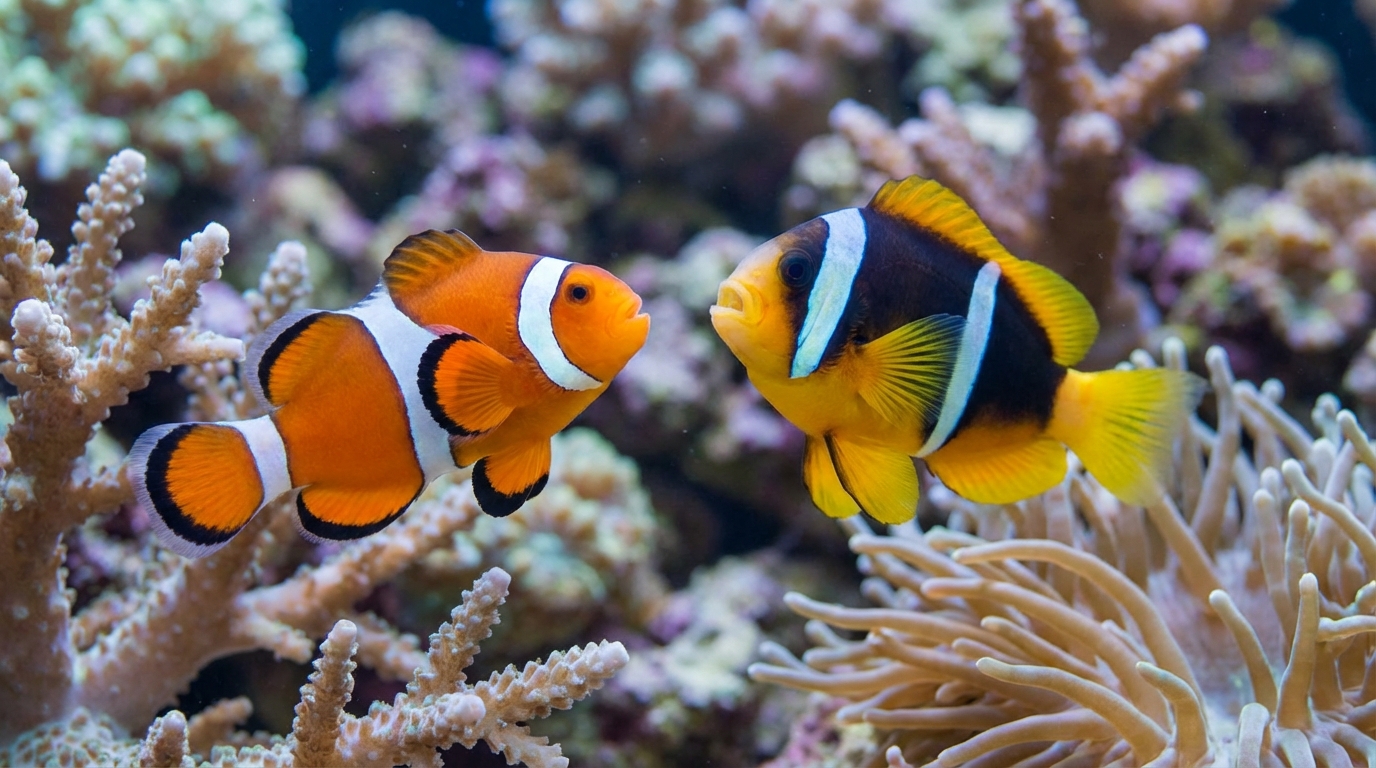
Find out if you can keep different clownfish species together in the same reef tank. Learn why mixing clownfish usually...
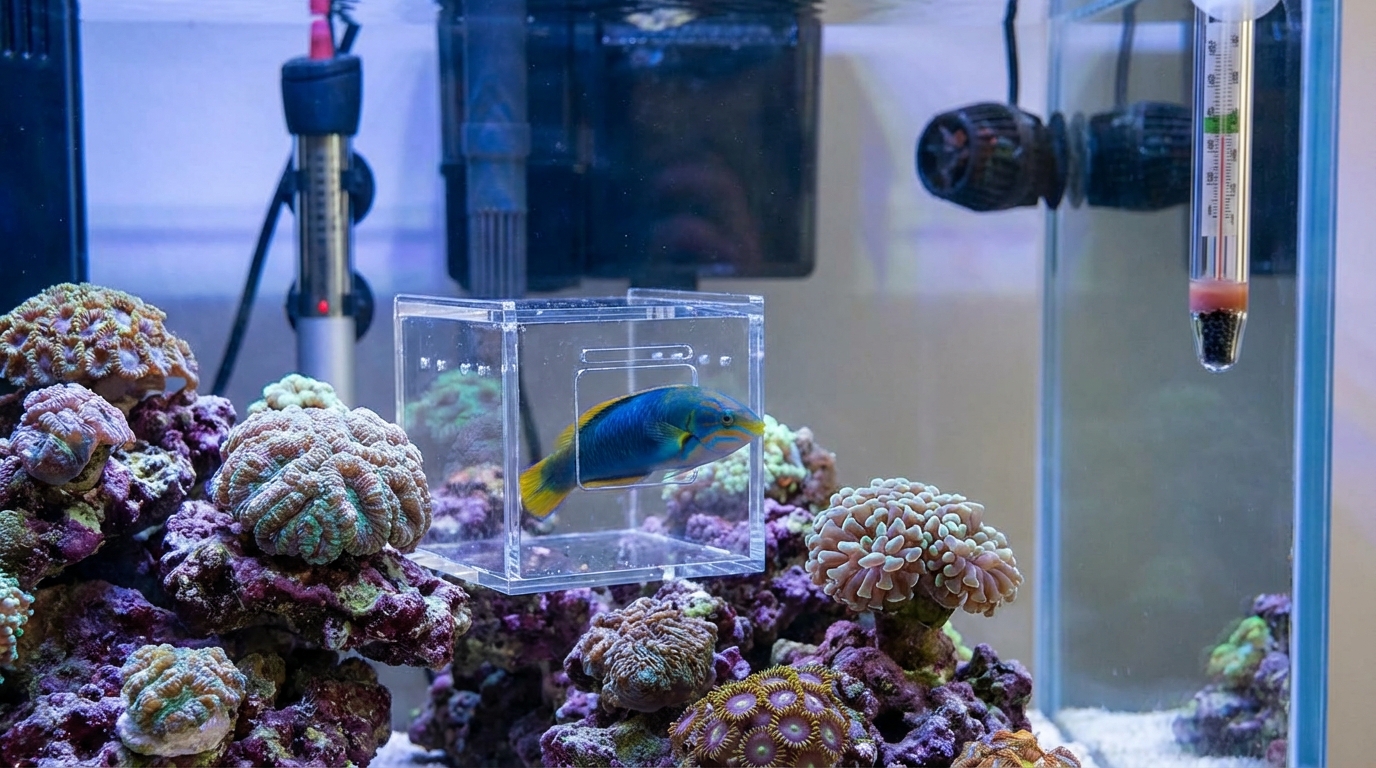
Learn the best methods to catch fish in your reef tank without damaging corals or stressing livestock. Fish traps, night...
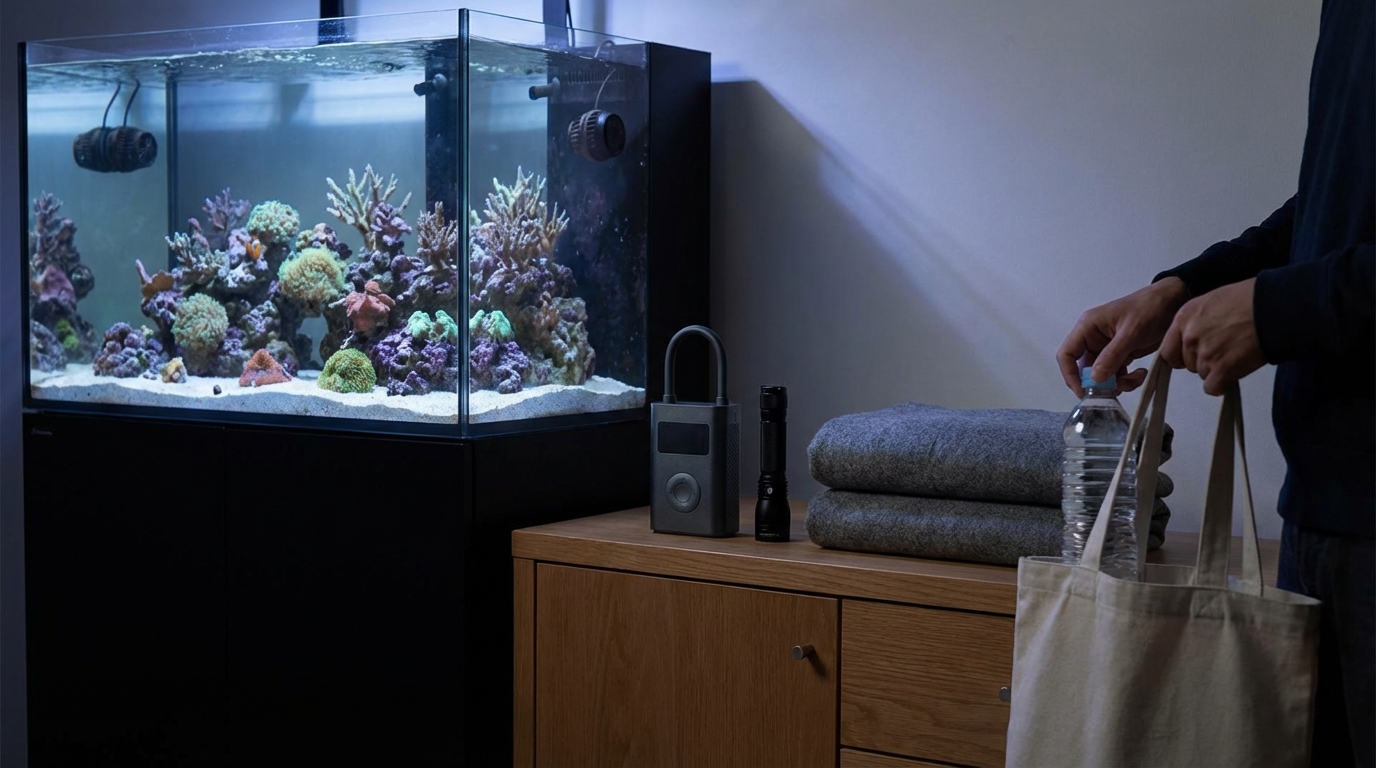
Keep the tank covered to retain heat, don't feed, and provide manual water agitation if the outage lasts more than a few...
Marine velvet (Amyloodinium ocellatum) is a deadly parasitic infection that attacks fish gills and skin. Prevent it by q...
Reef rash is a skin reaction caused by contact with coral toxins, especially from palytoxin-producing zoanthids. Treat m...
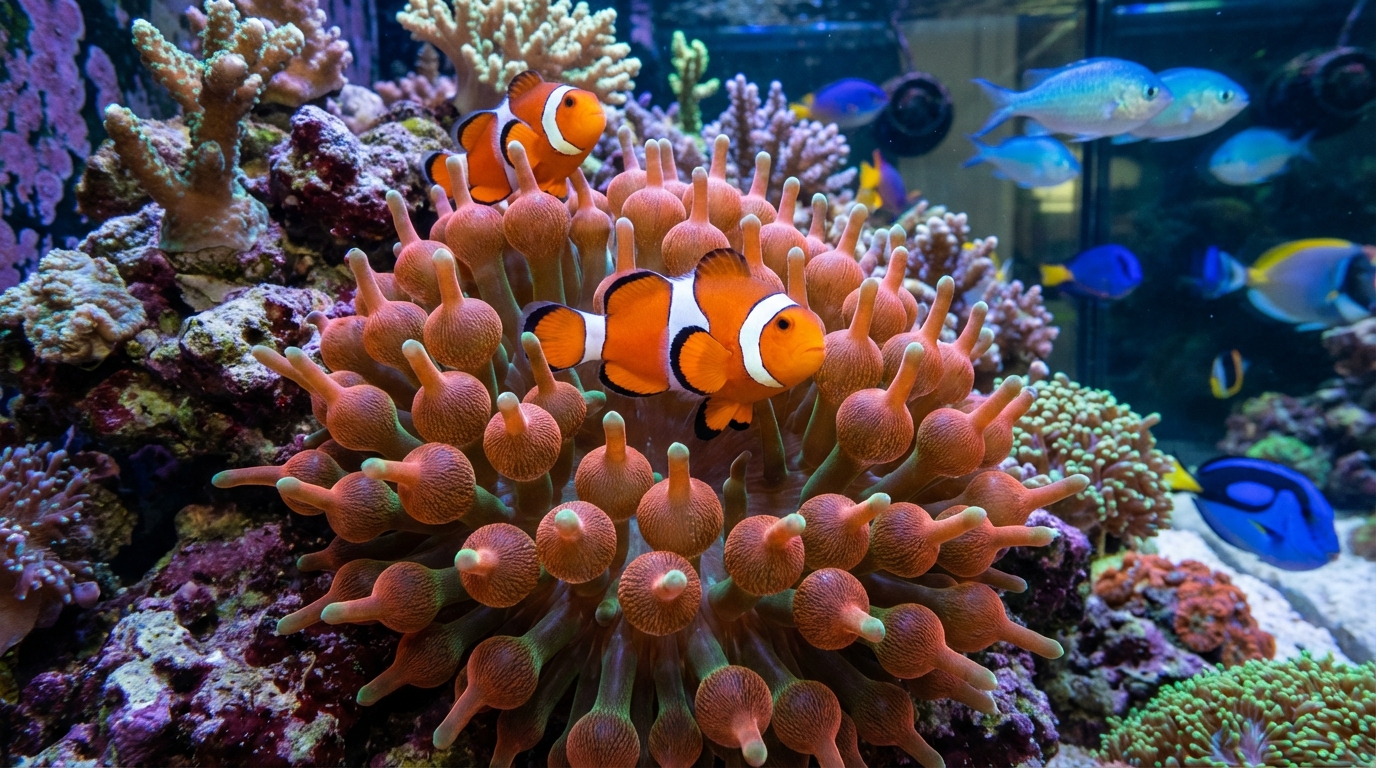
Maybe! Captive-bred clownfish often don't immediately recognize anemones as hosts, but many eventually do. It can take d...
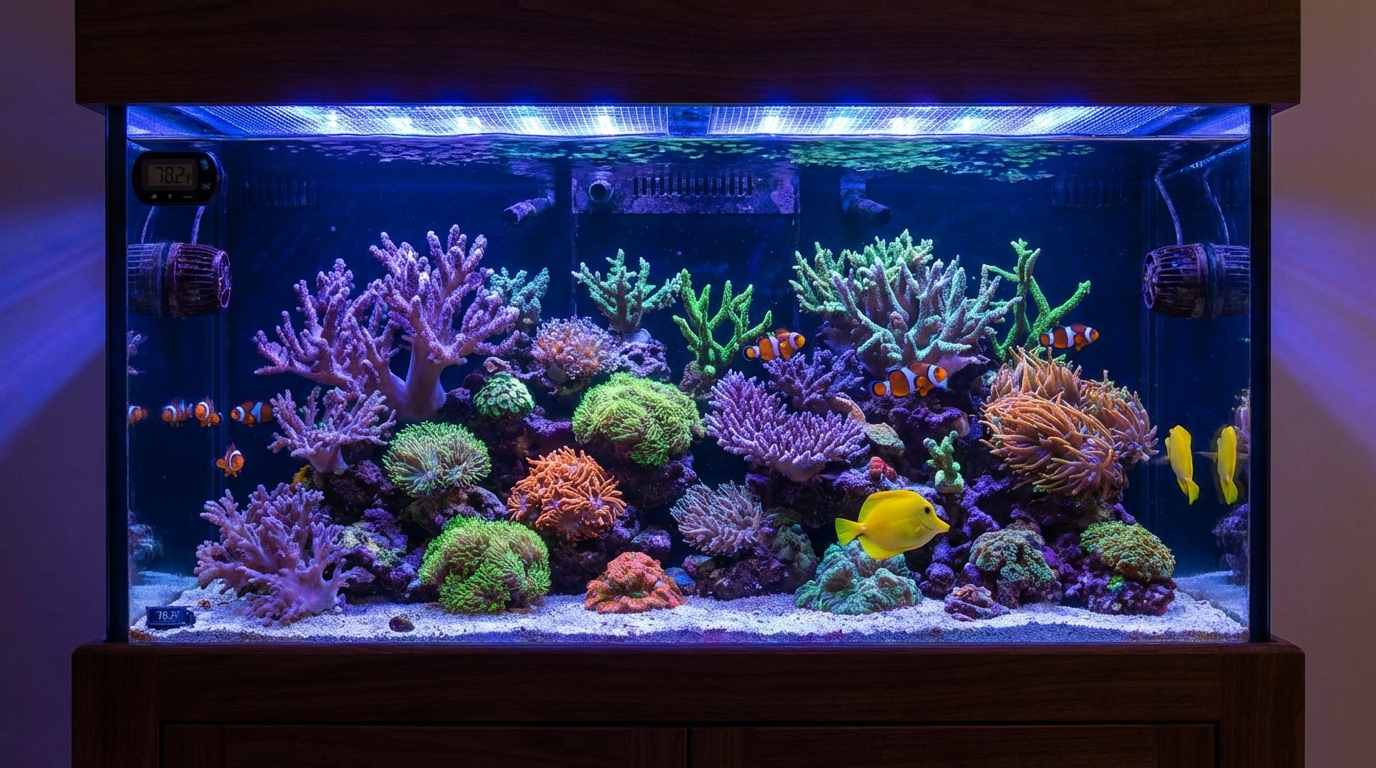
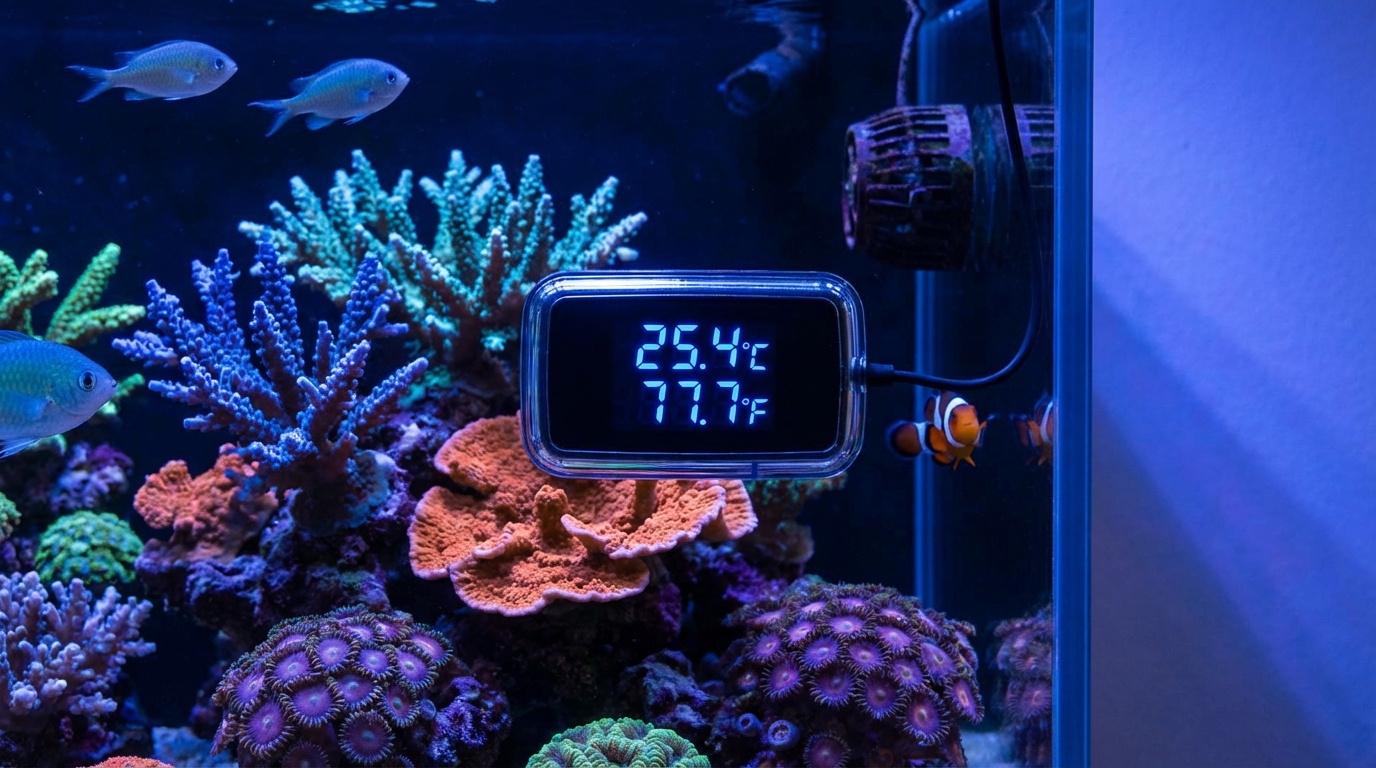
The ideal temperature for most reef tanks is 76-80°F (24-27°C), with 77-78°F being the sweet spot for corals and fish.
Signs of excessive flow include constantly retracted polyps, tissue peeling from skeleton, corals growing away from flow...
Corals turn brown when zooxanthellae algae overgrow due to excess nutrients, insufficient light, or stress - reducing th...
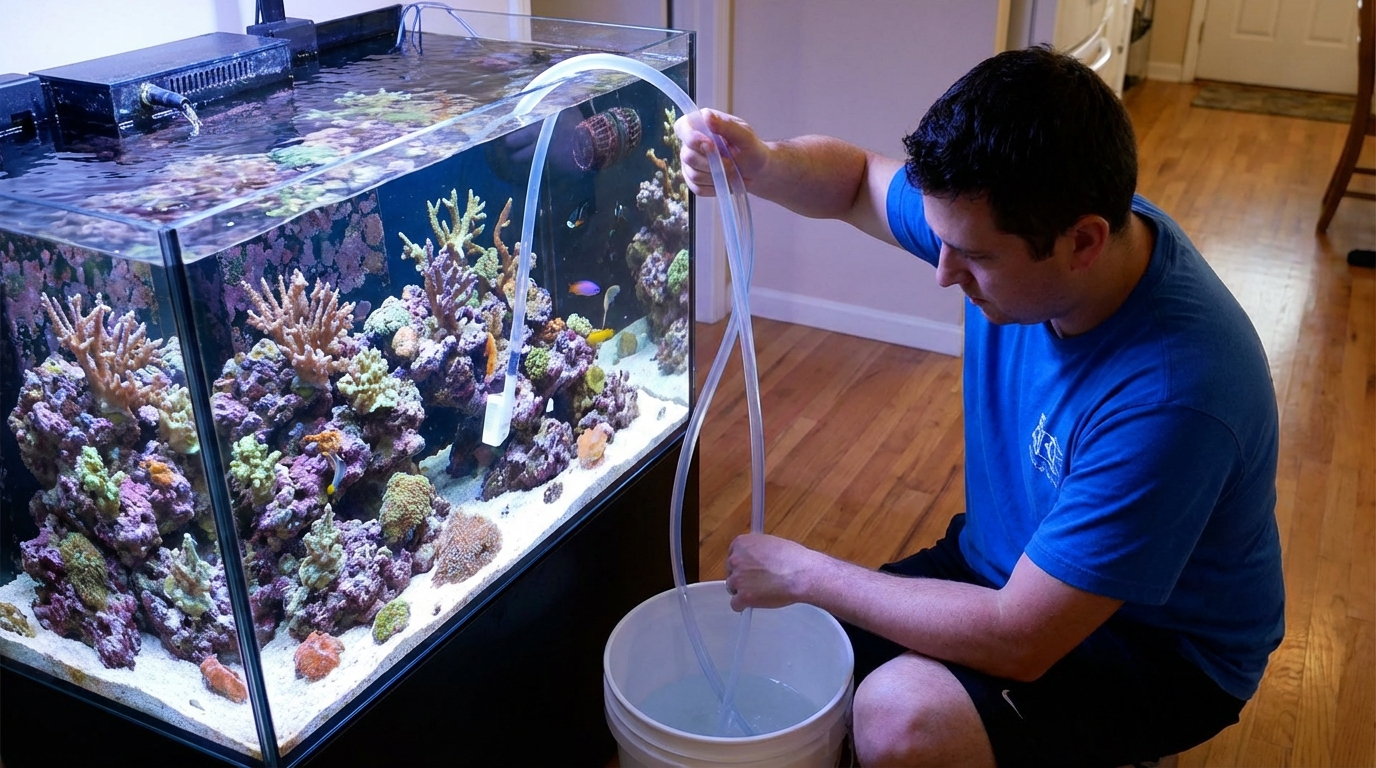
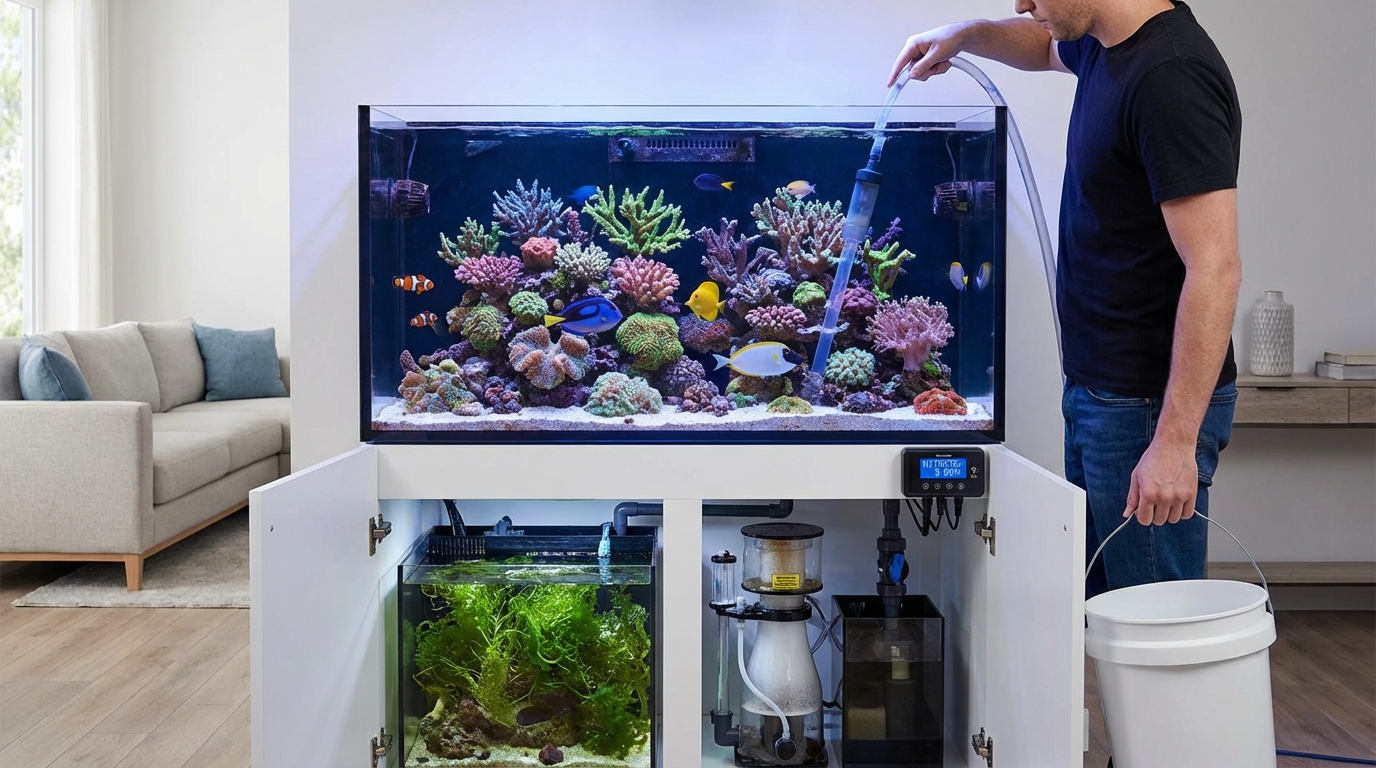
Most reef keepers do 10-20% water changes weekly or bi-weekly. The ideal frequency depends on your bioload, filtration,...
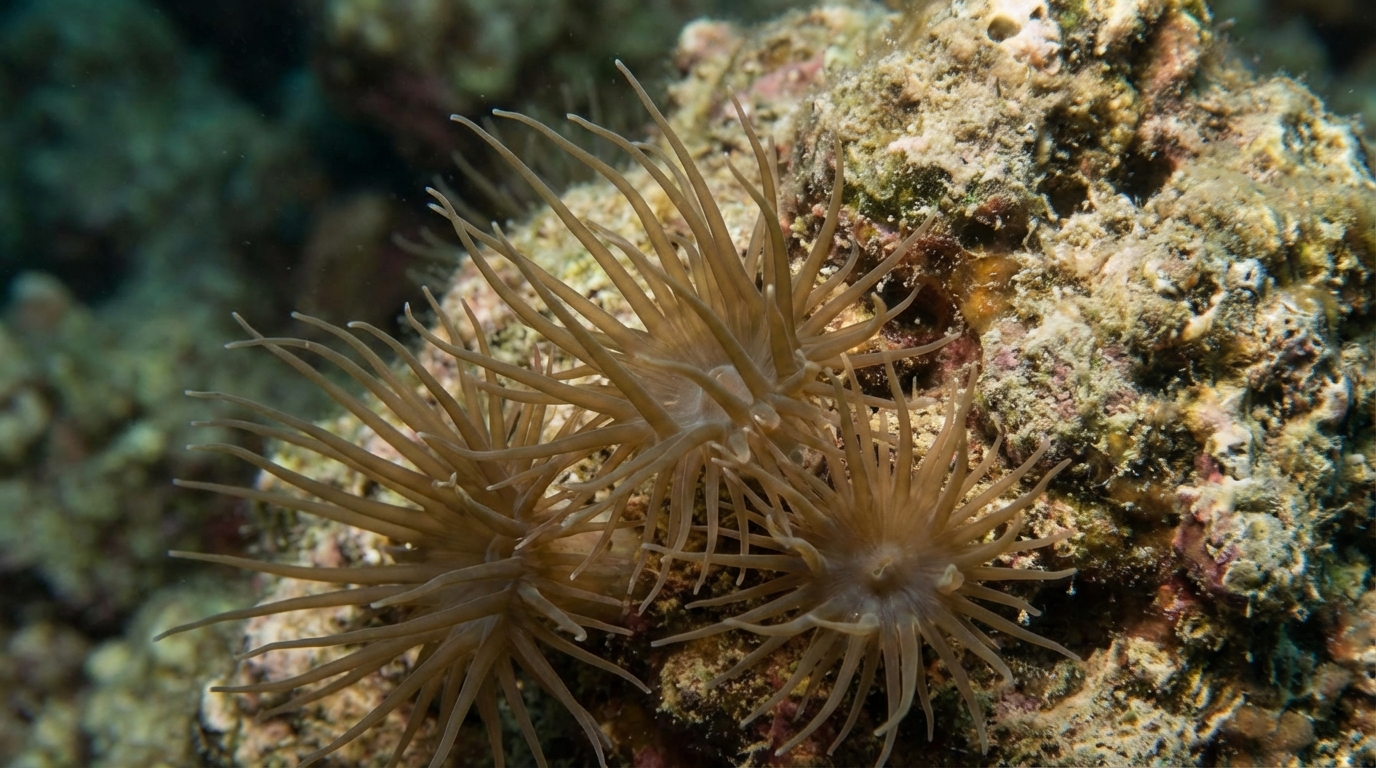
Use peppermint shrimp, filefish, or Aiptasia-X to eliminate these pest anemones. Biological controls work best for ongoi...
LPS (Large Polyp Stony), SPS (Small Polyp Stony), and soft corals differ in their skeletal structure and care requiremen...
Wait at least 6-8 weeks after your tank finishes cycling before adding your first coral. The key milestones are complete...
Brown jelly disease is a fast-moving bacterial infection that appears as brown mucus on coral tissue. Remove affected co...
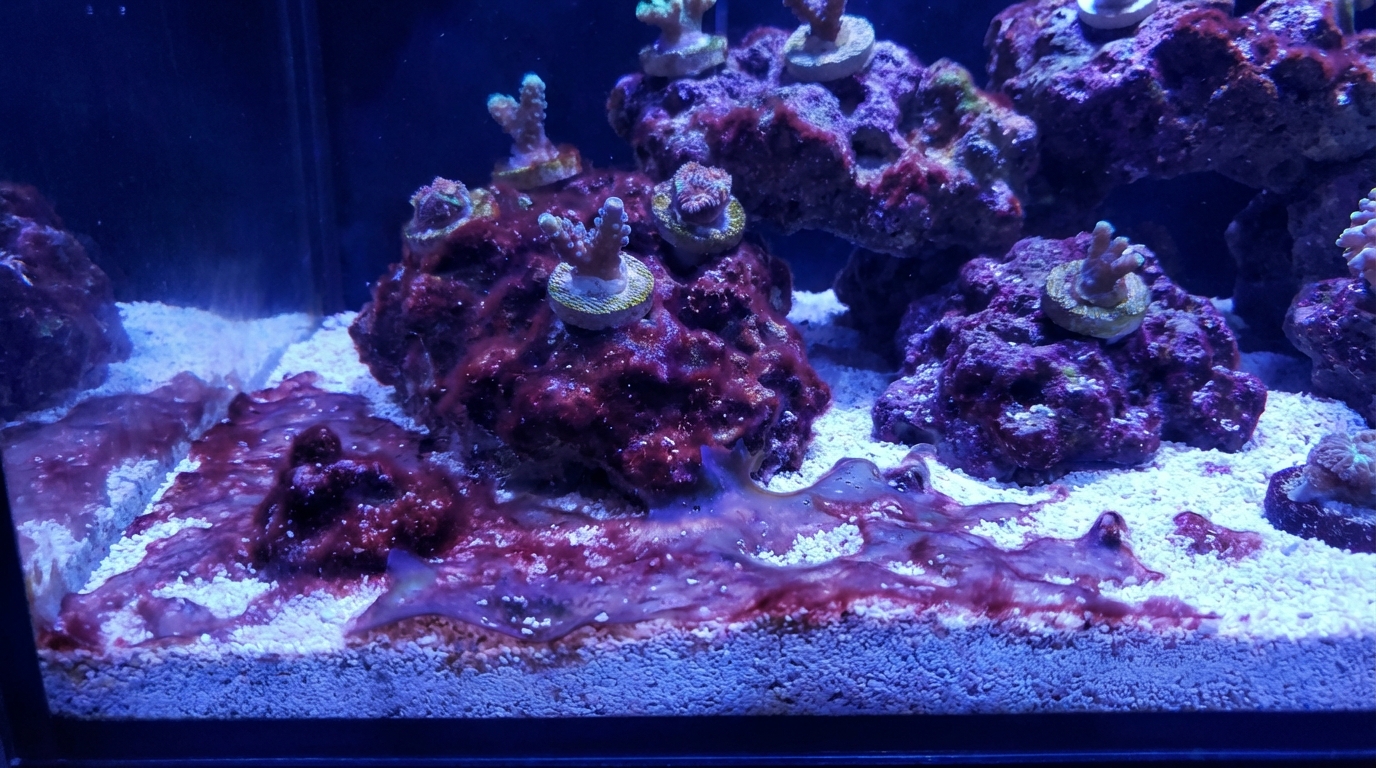
Red cyano is usually caused by excess nutrients and low flow. Fix it by increasing water circulation, reducing feeding,...
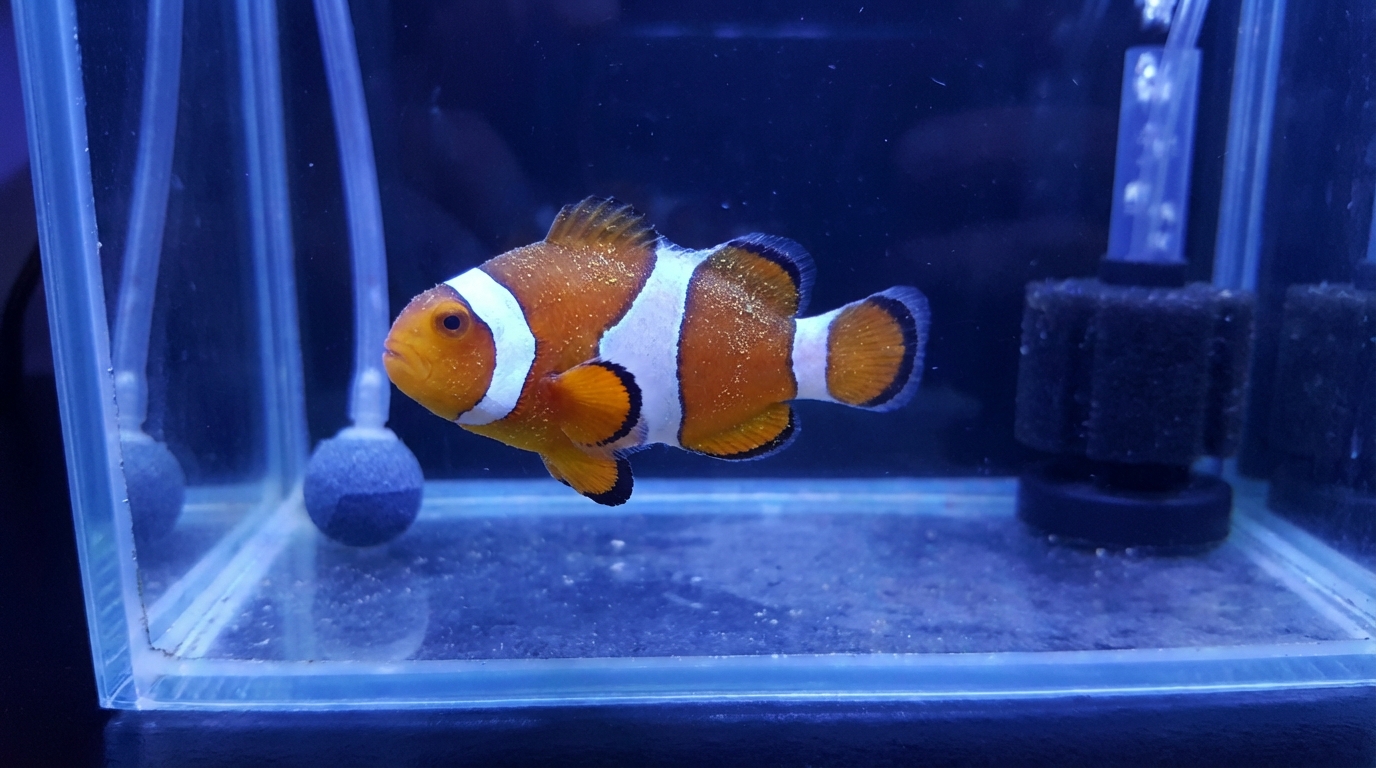
Treating ich in a reef tank is challenging because copper-based medications kill corals and invertebrates. The most effe...
Reef tanks should maintain salinity between 1.024-1.026 specific gravity (or 32-35 ppt). Stability matters more than hit...
Coral not opening is usually caused by water quality issues, improper lighting, flow problems, or recent shipping stress...
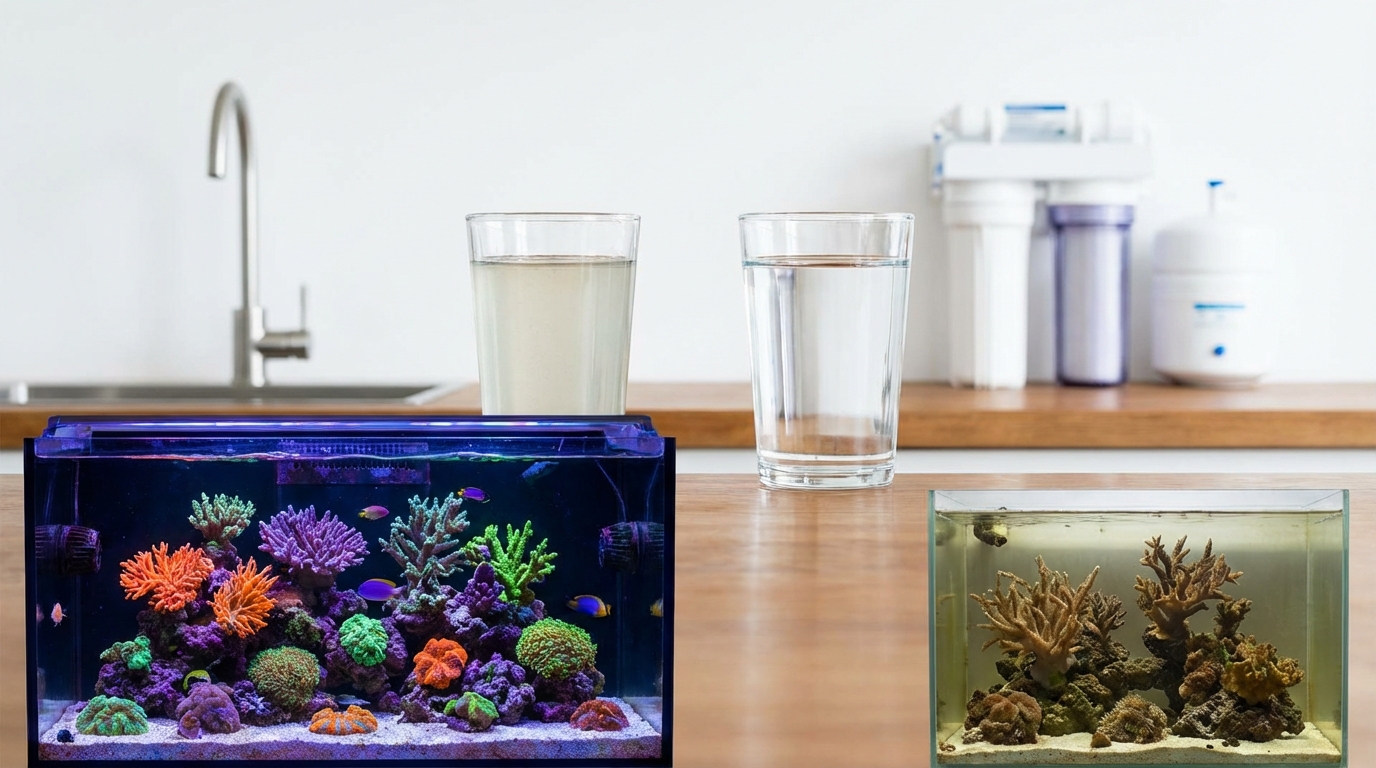
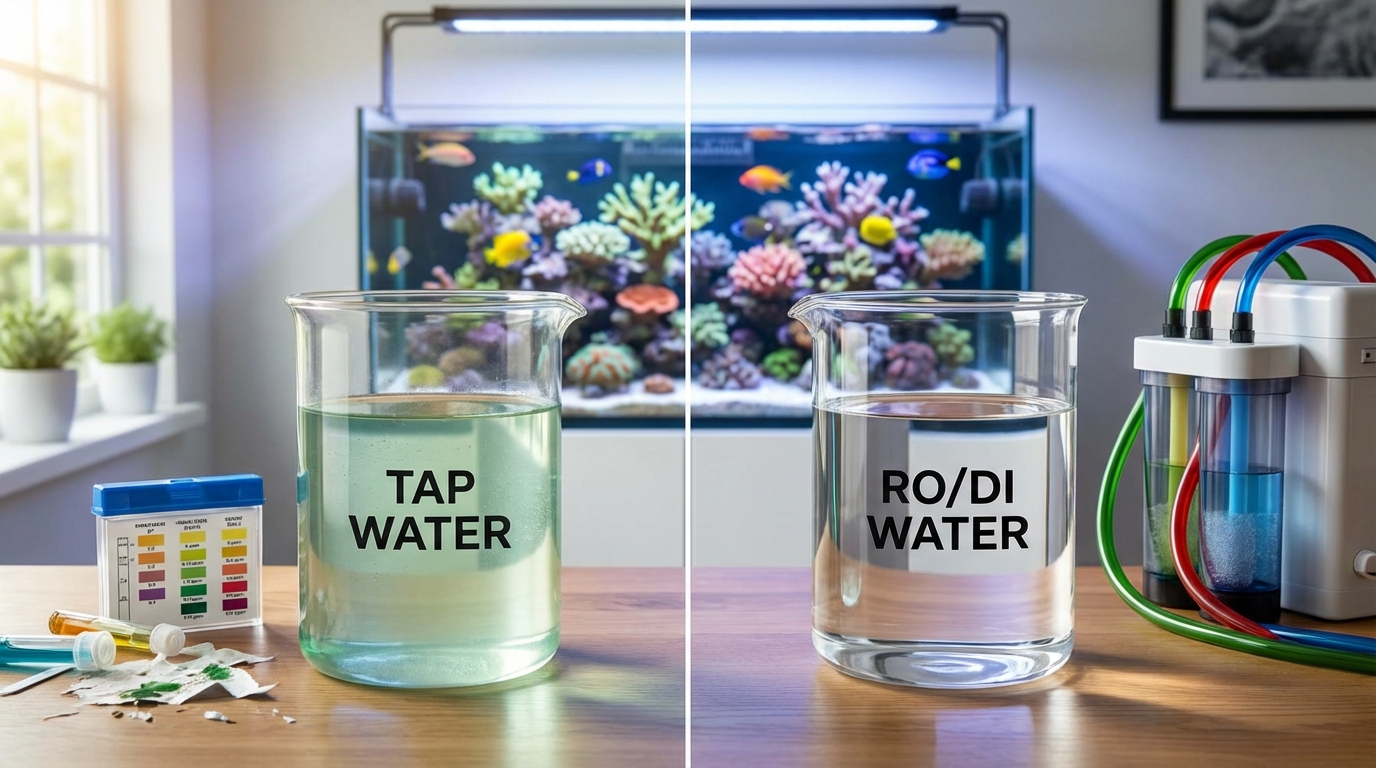
No — tap water contains chlorine, chloramine, heavy metals, nitrates, phosphates, and silicates that harm corals and pro...
Lower nitrates through regular water changes, adding a refugium with macroalgae, using carbon dosing, reducing feeding,...
The ideal reef tank temperature is 76-78°F (24-26°C). Most coral and fish thrive in this range, though stability matters...
Float the bag for 15-20 minutes to temperature acclimate, then dip the coral to remove pests. Place it low in the tank i...
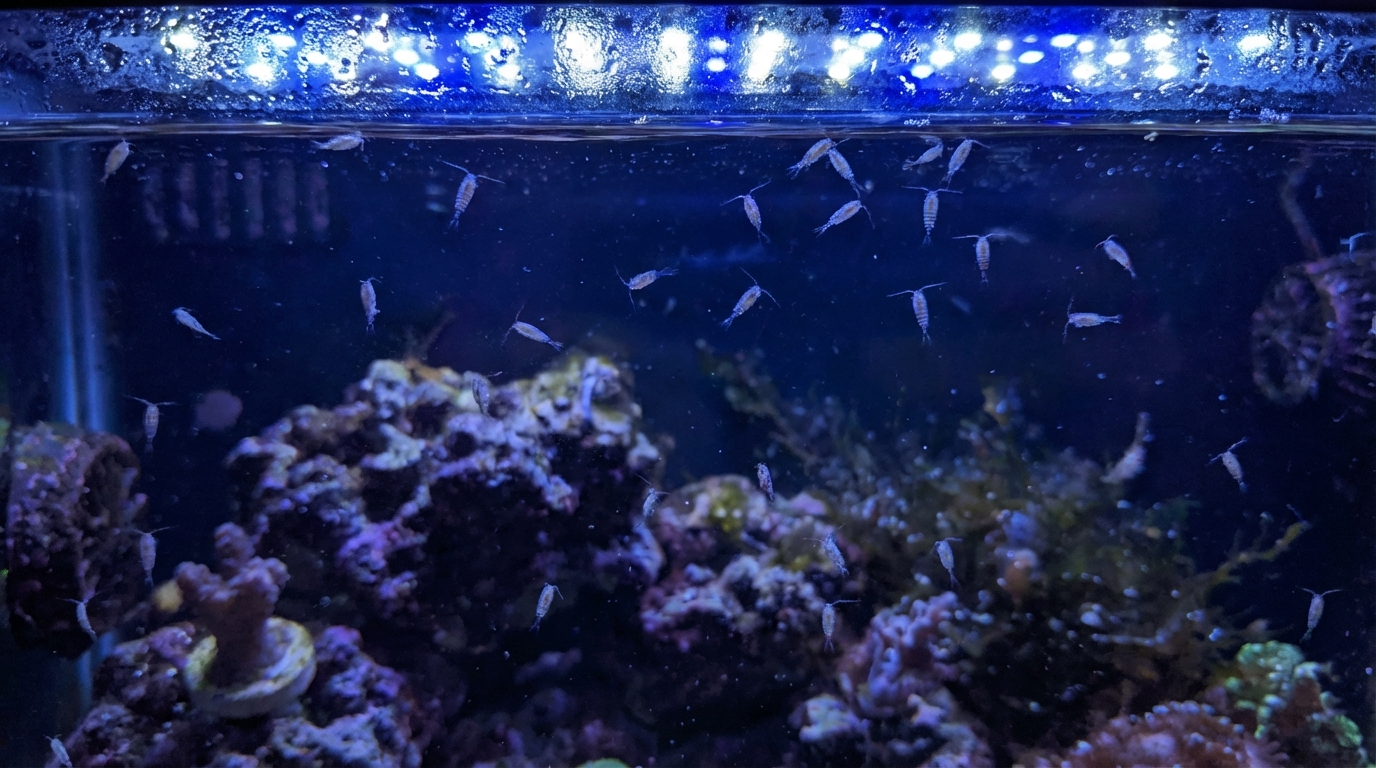
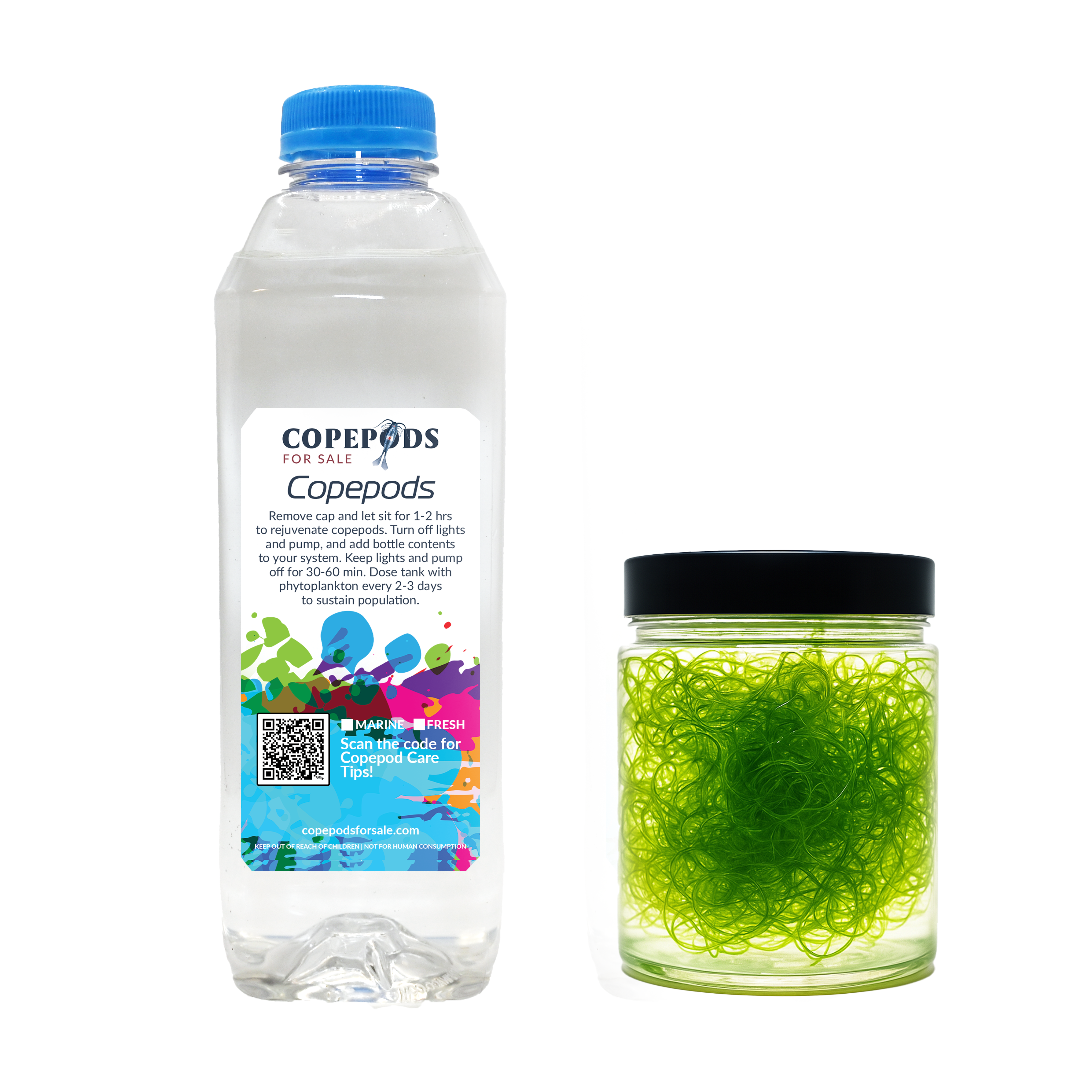
Copepods provide natural food for fish like mandarins and wrasses, eat detritus and algae, feed corals, and create a mor...
Most clownfish, gobies, blennies, cardinalfish, and wrasses are reef-safe. Avoid butterflyfish, large angelfish, trigger...
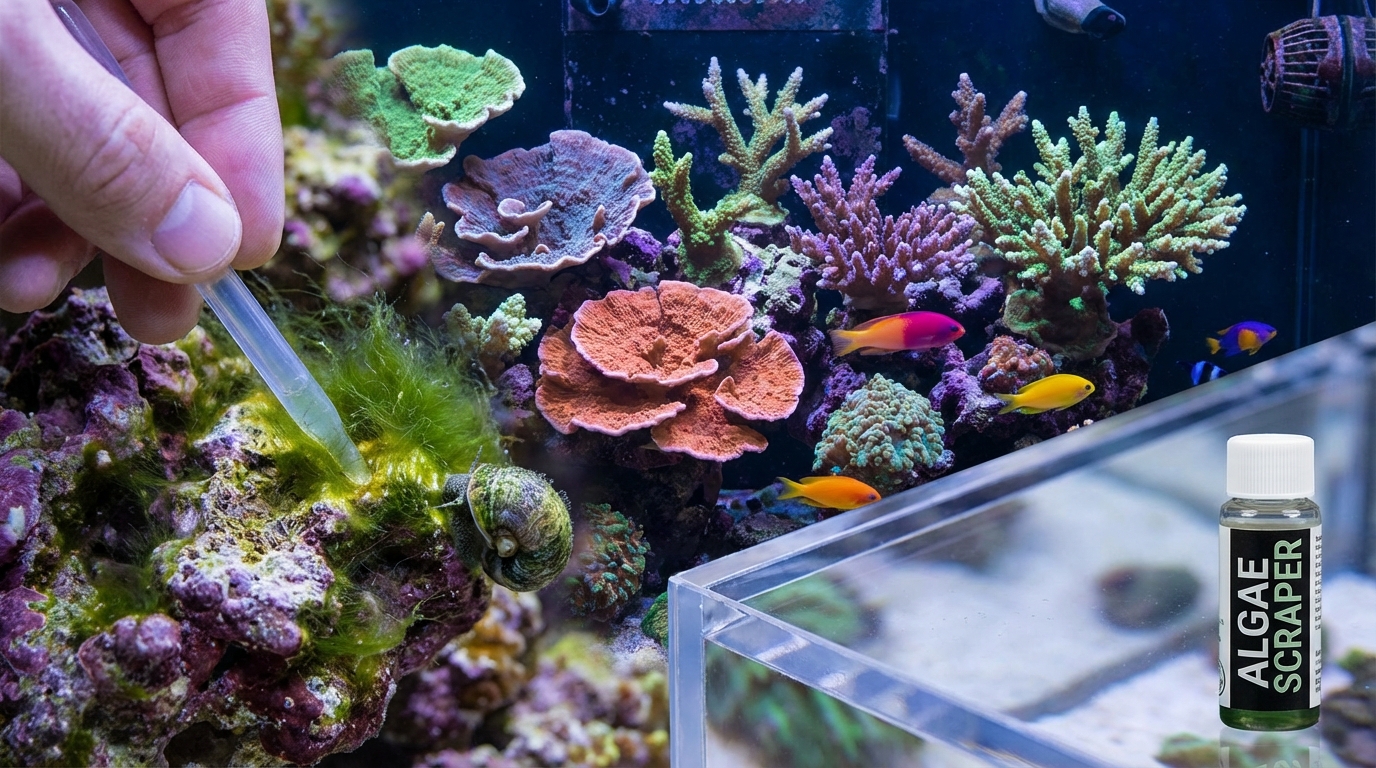
Hair algae is caused by excess nutrients (nitrate/phosphate) and light. Combat it by reducing feeding, increasing water...
Yes, you can keep SPS and LPS corals together in a mixed reef tank. The key is providing varied lighting zones, adequate...
Coral bleaching occurs when corals expel their symbiotic zooxanthellae algae due to stress, typically from temperature s...
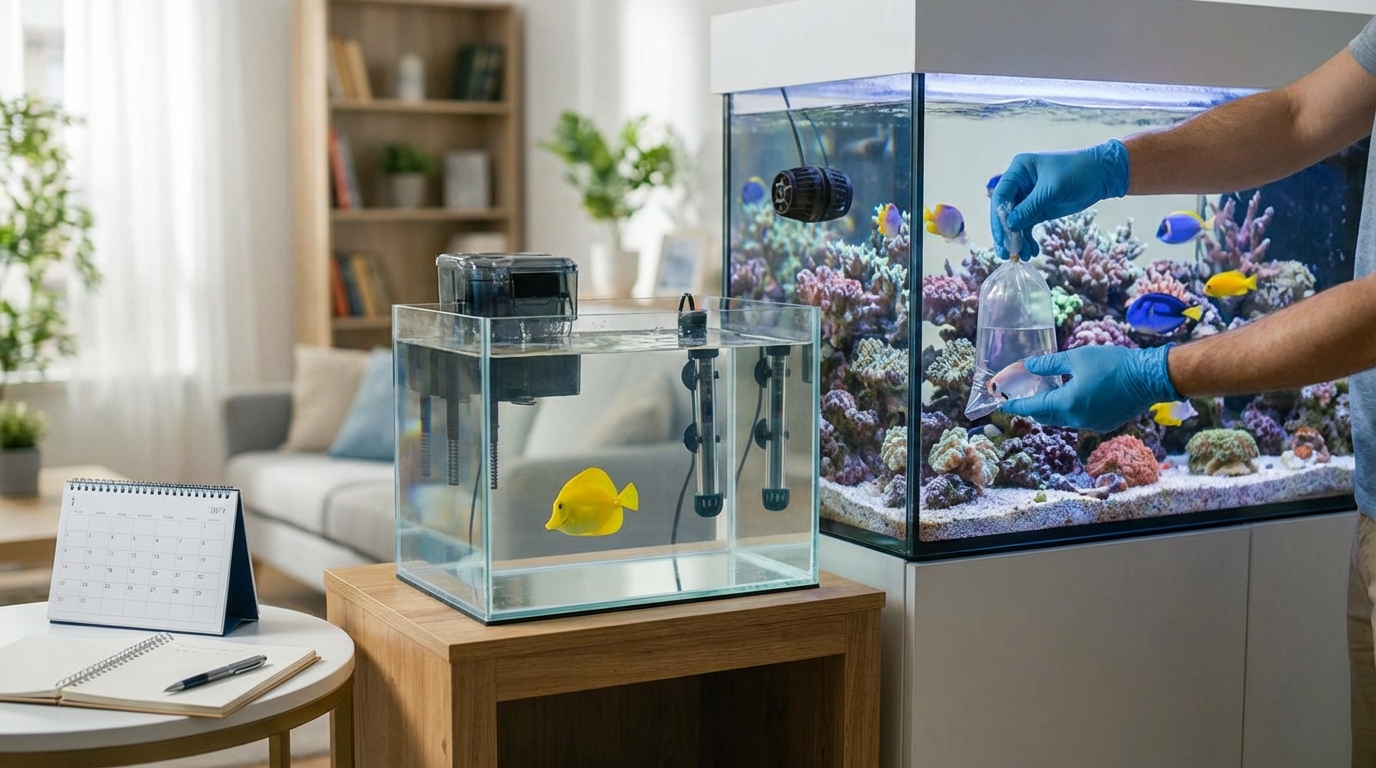
Quarantine new fish for 4-6 weeks minimum. This allows time for diseases like ich and velvet to show symptoms and be tre...
Combat algae by reducing nutrients (overfeeding, lights), adding cleanup crew members like snails and hermits, and maint...
Healthy coral shows vibrant colors, fully extended polyps, consistent growth, and normal feeding response. Watch for war...
Coral dipping removes pests like flatworms, nudibranchs, and red bugs. Use a commercial coral dip mixed with tank water,...
Acclimate new fish slowly over 1-2 hours using the drip method. Float the bag for 15 minutes to match temperature, then...
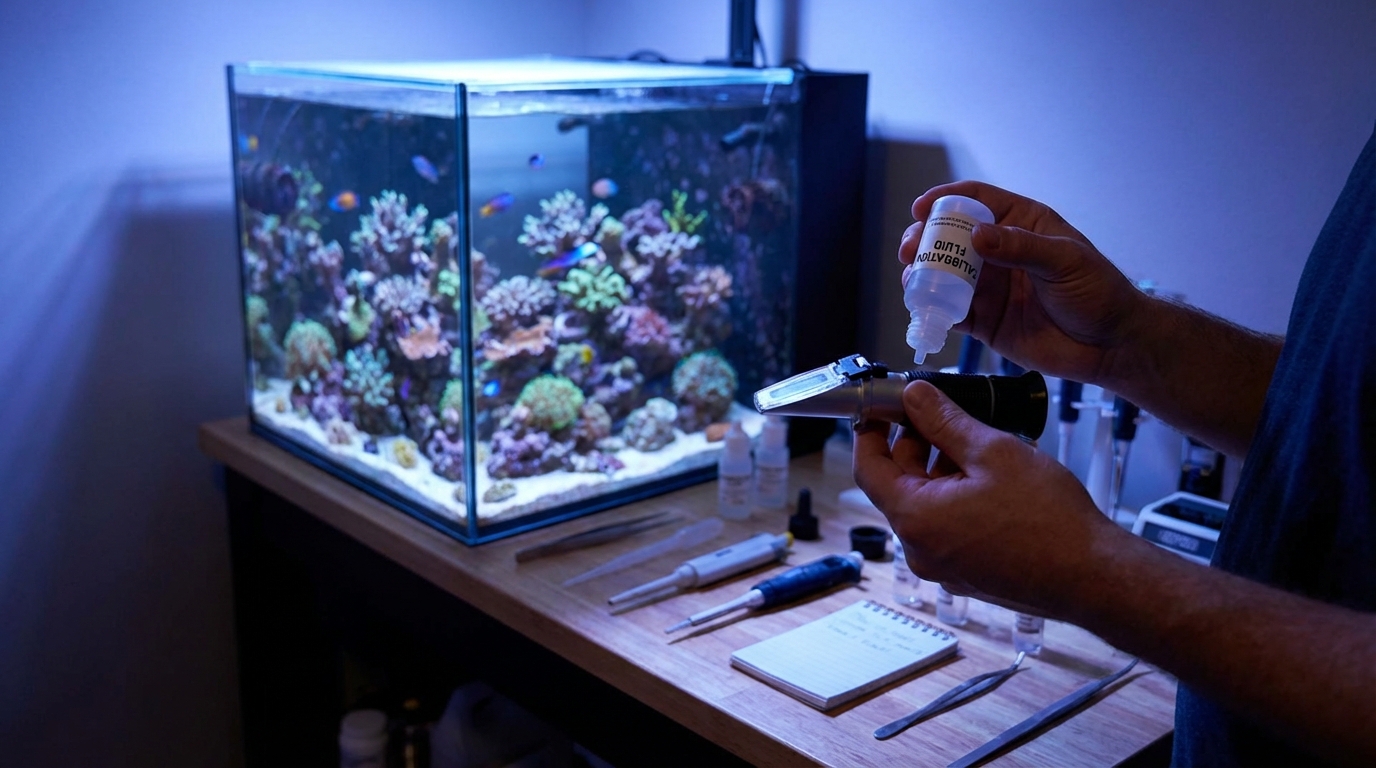
Low ORP can come from dissolved organics, low gas exchange, or probe drift. Clean and calibrate your probe before making...
Yes, but only through a skimmer with ORP monitoring. Start low and keep ORP around 300–350 mV to avoid stressing fish an...
Most reef tanks do best replacing activated carbon every 2-4 weeks, depending on bioload, feeding, and water clarity goa...
For most reef tanks, choose a return pump that can turn over your total system volume 5-10 times per hour after accounti...
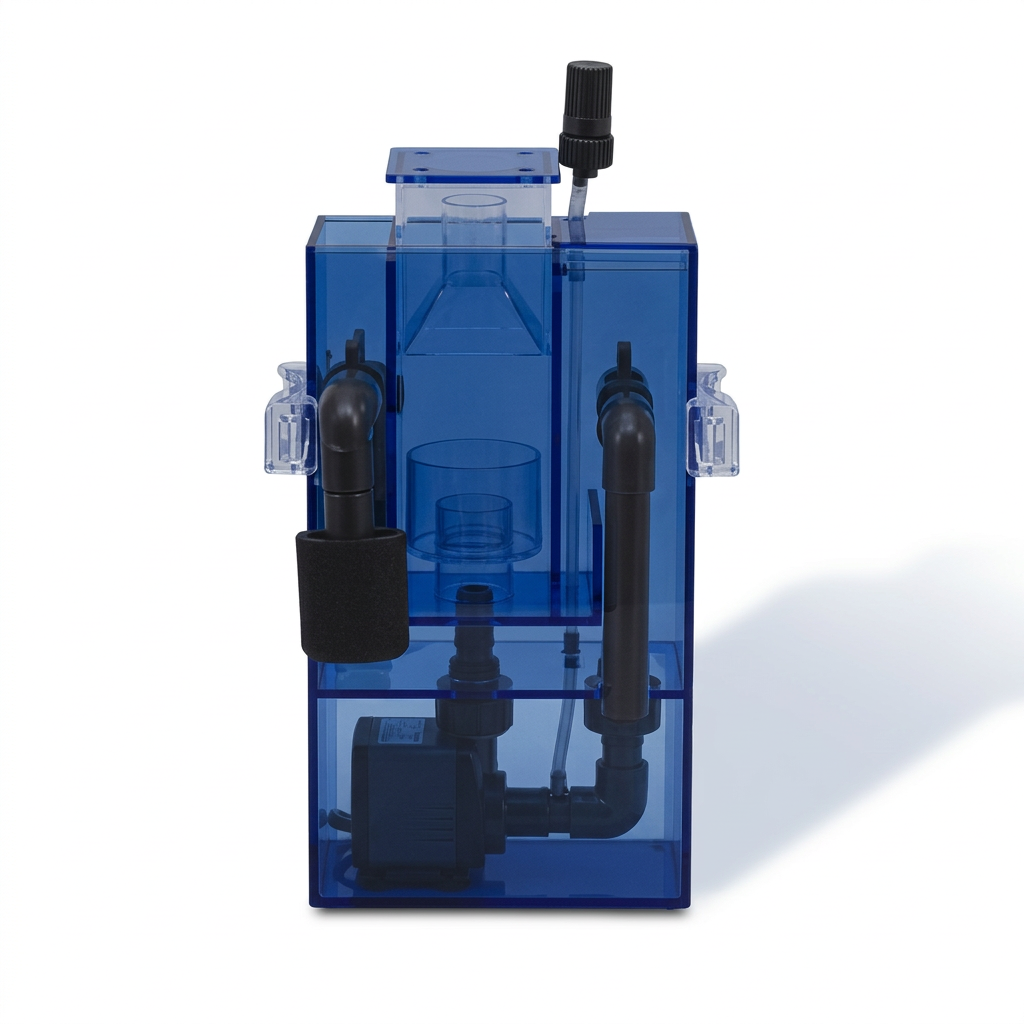
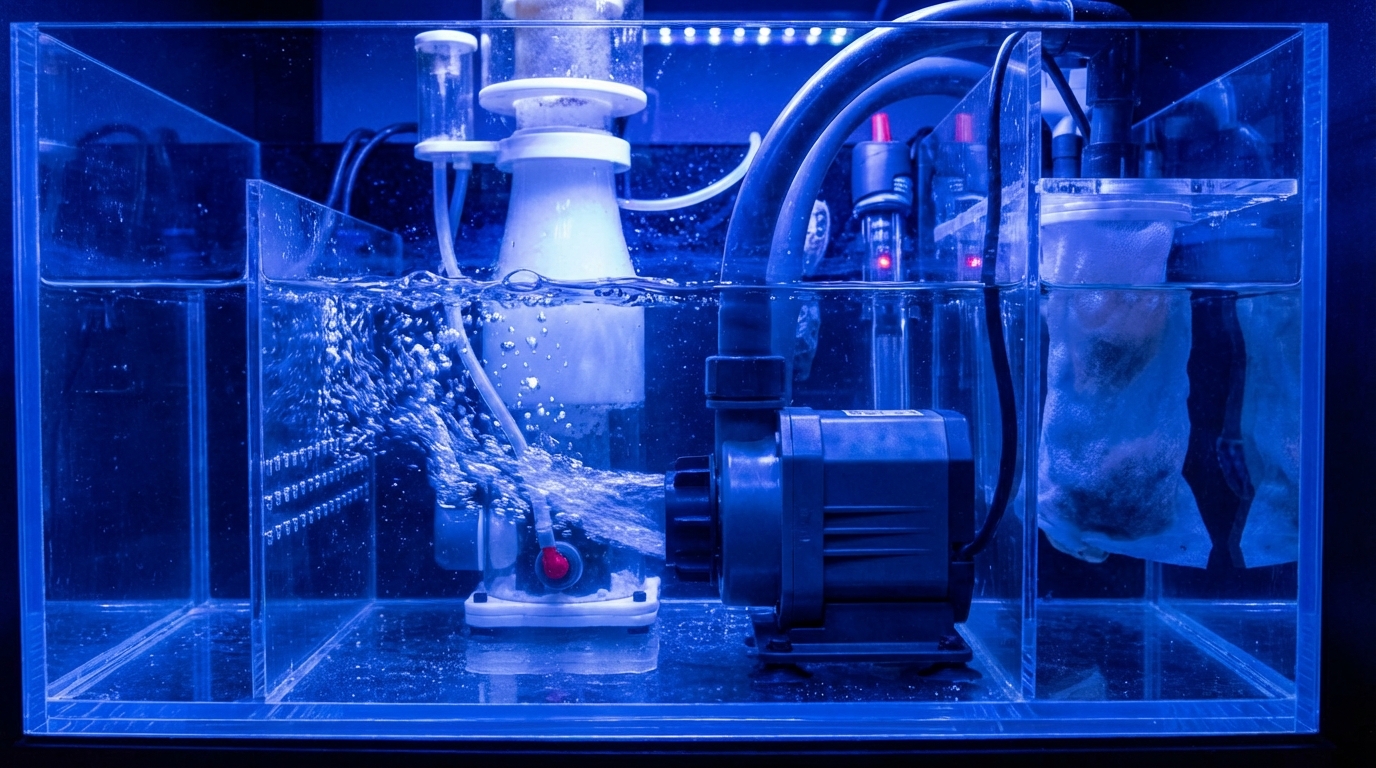
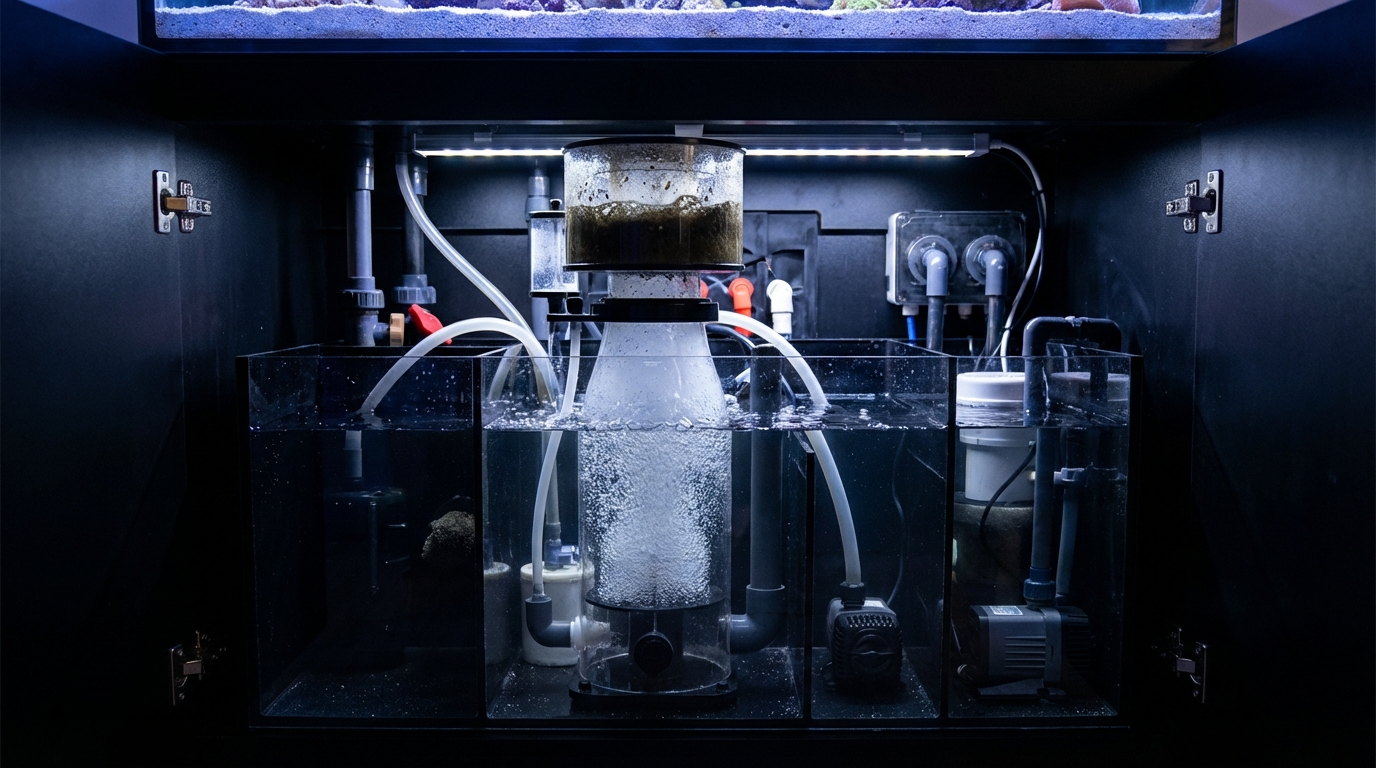
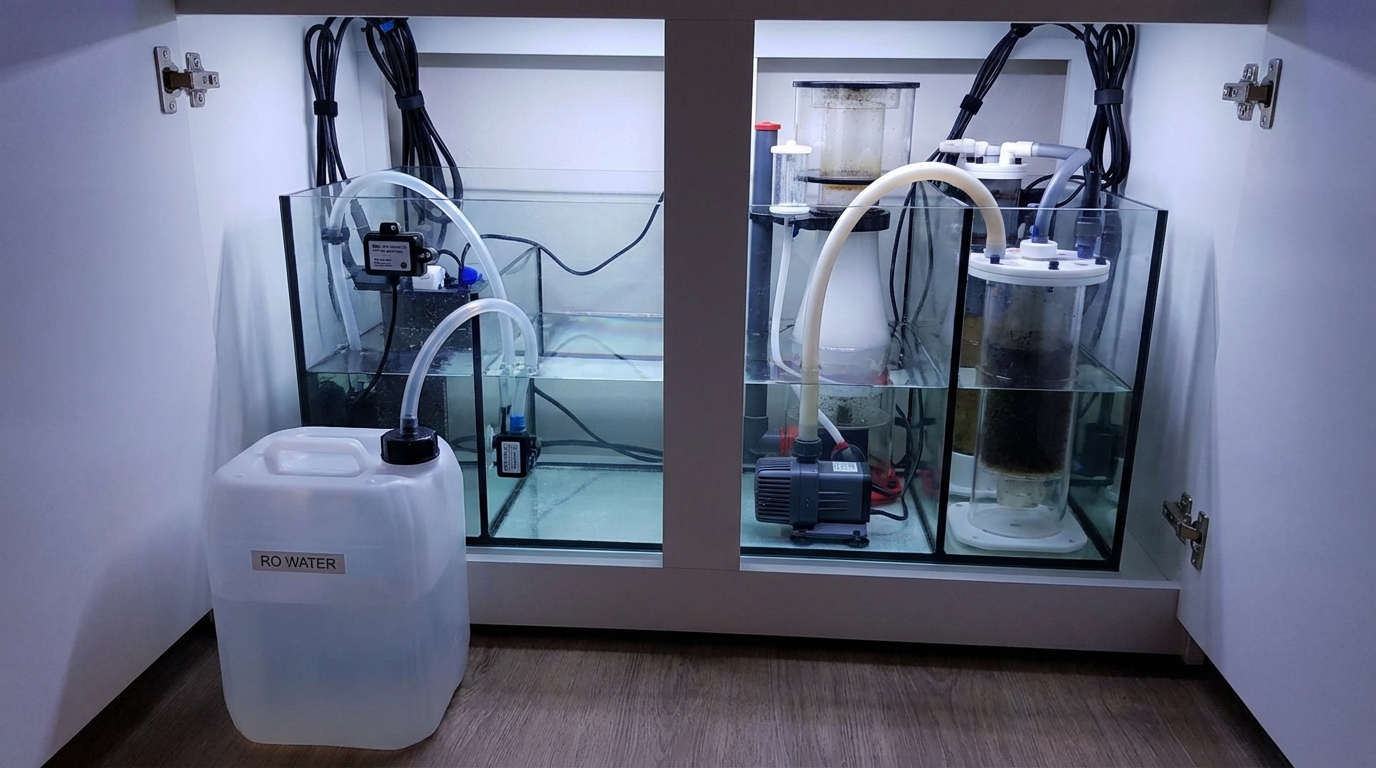
While not absolutely required, a protein skimmer is highly recommended for most reef tanks. It removes organic waste bef...
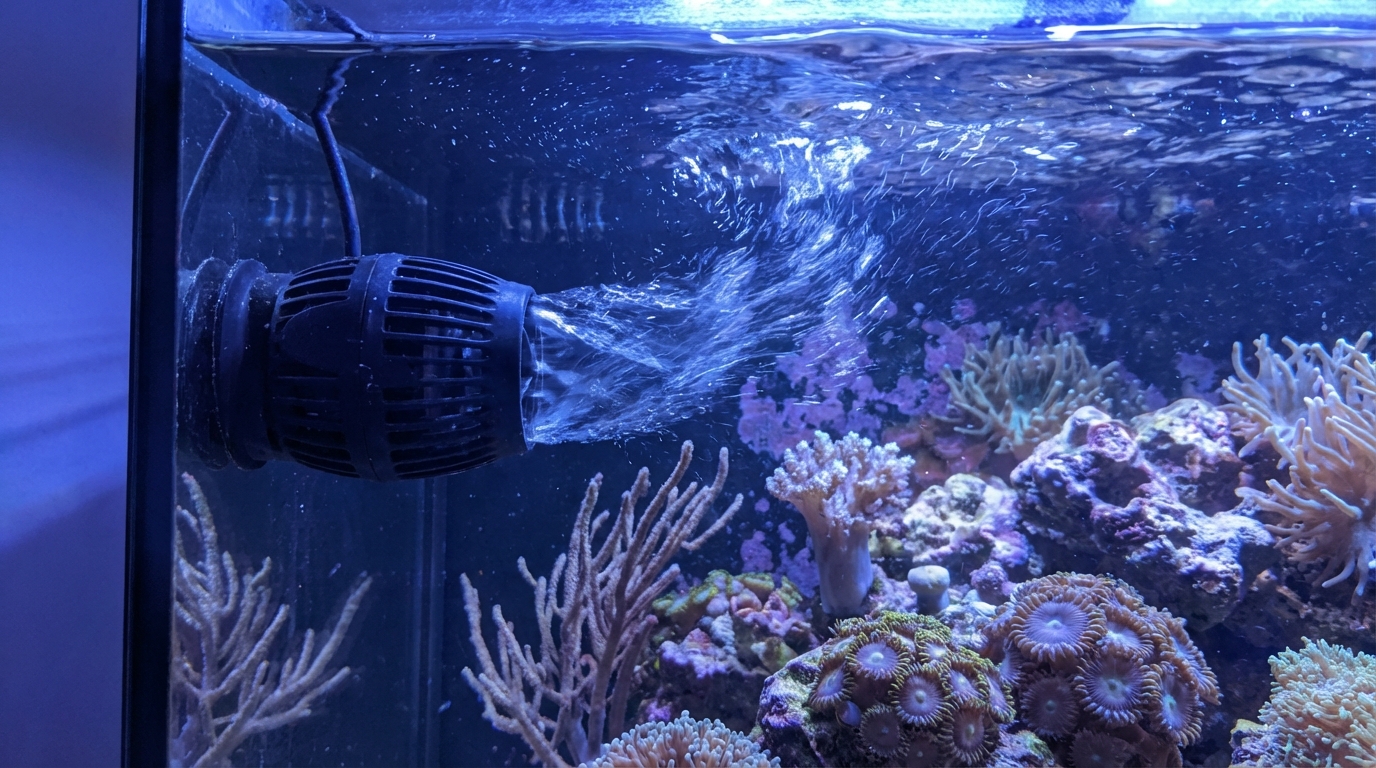
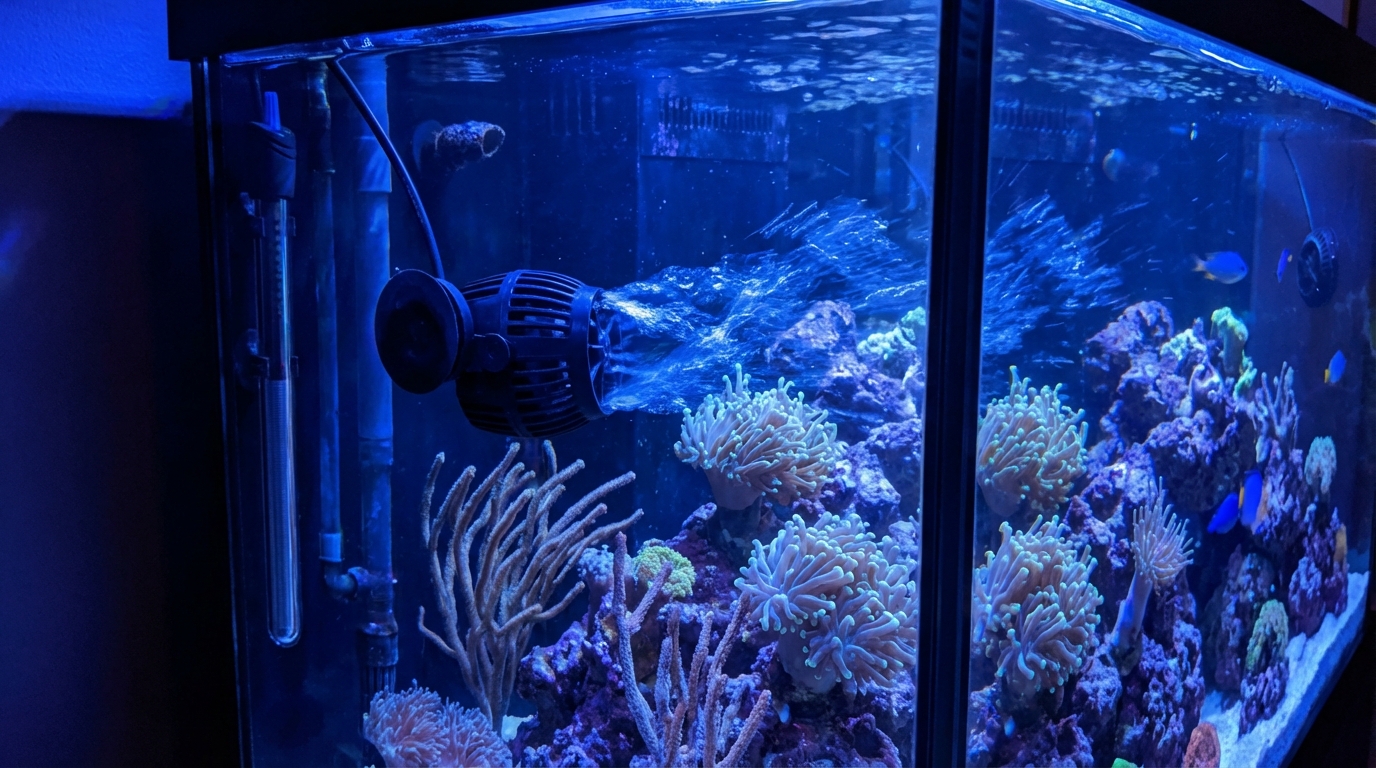
Position powerheads to create random, turbulent flow throughout the tank. Aim at rocks and glass to bounce flow around,...
An ATO system automatically replenishes evaporated water to maintain stable salinity. While not strictly required, it's...
Most reef tanks do best with 8-10 hours of light per day. Start with a gradual ramp-up in the morning, peak intensity fo...
For beginners, a 40-75 gallon tank is ideal. Larger tanks (75+ gallons) are more forgiving of mistakes and provide stabl...
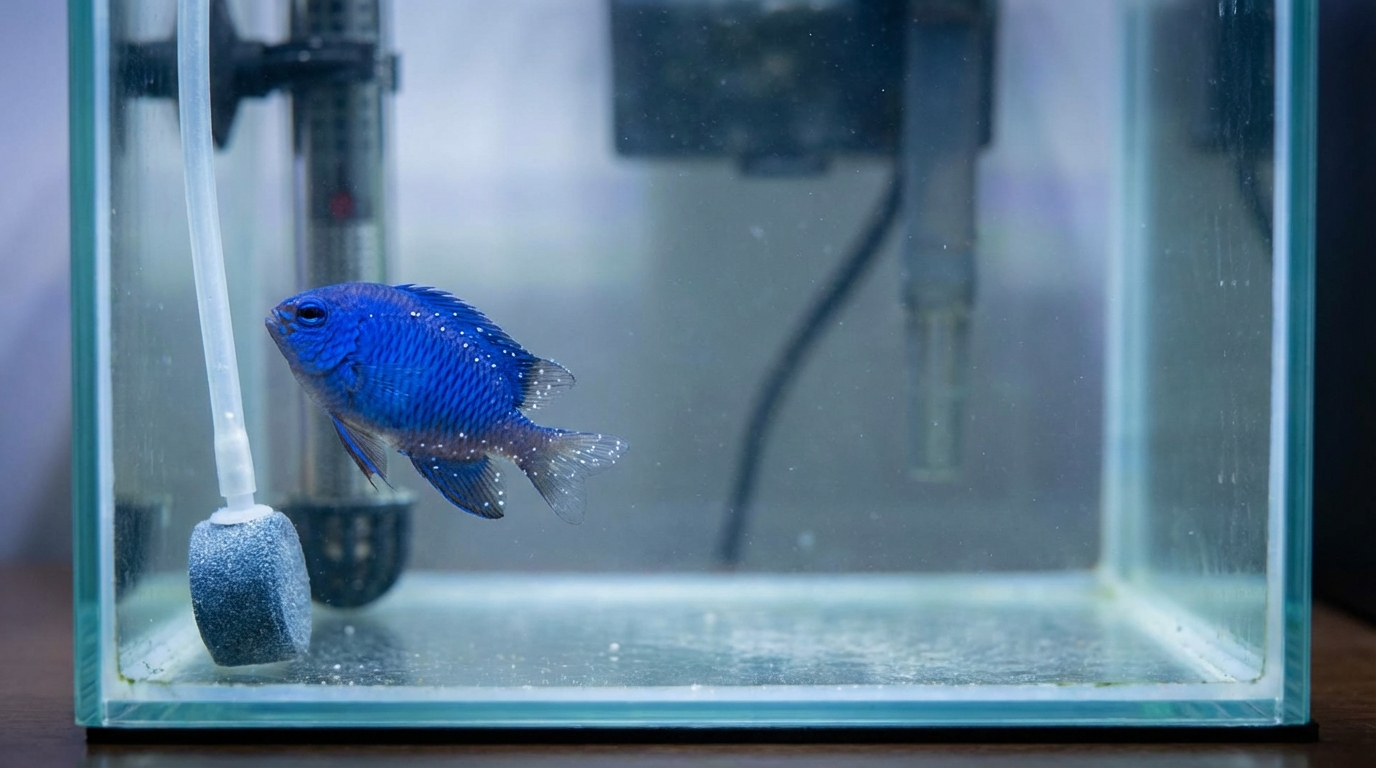
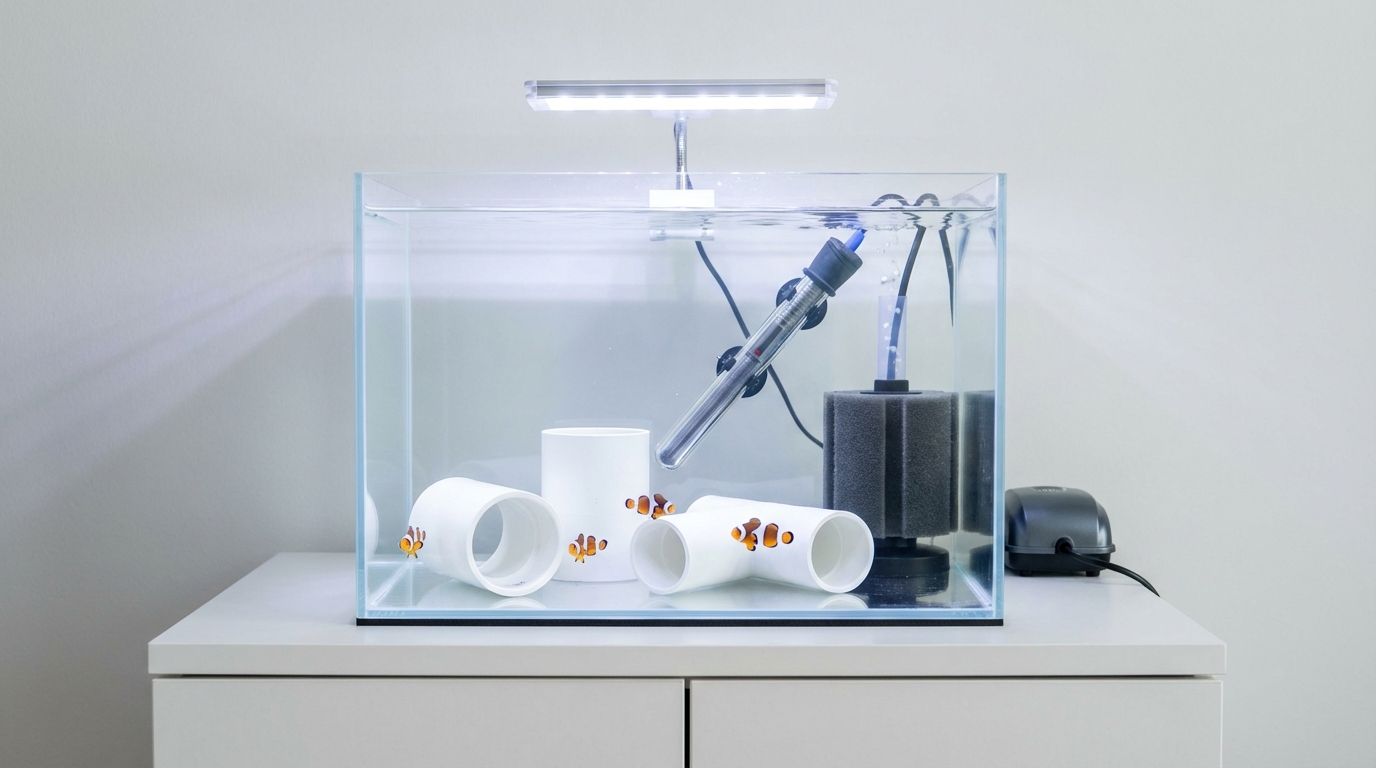
A basic quarantine tank needs a 10-20 gallon tank, heater, small filter or air stone, and PVC fittings for hiding spots....
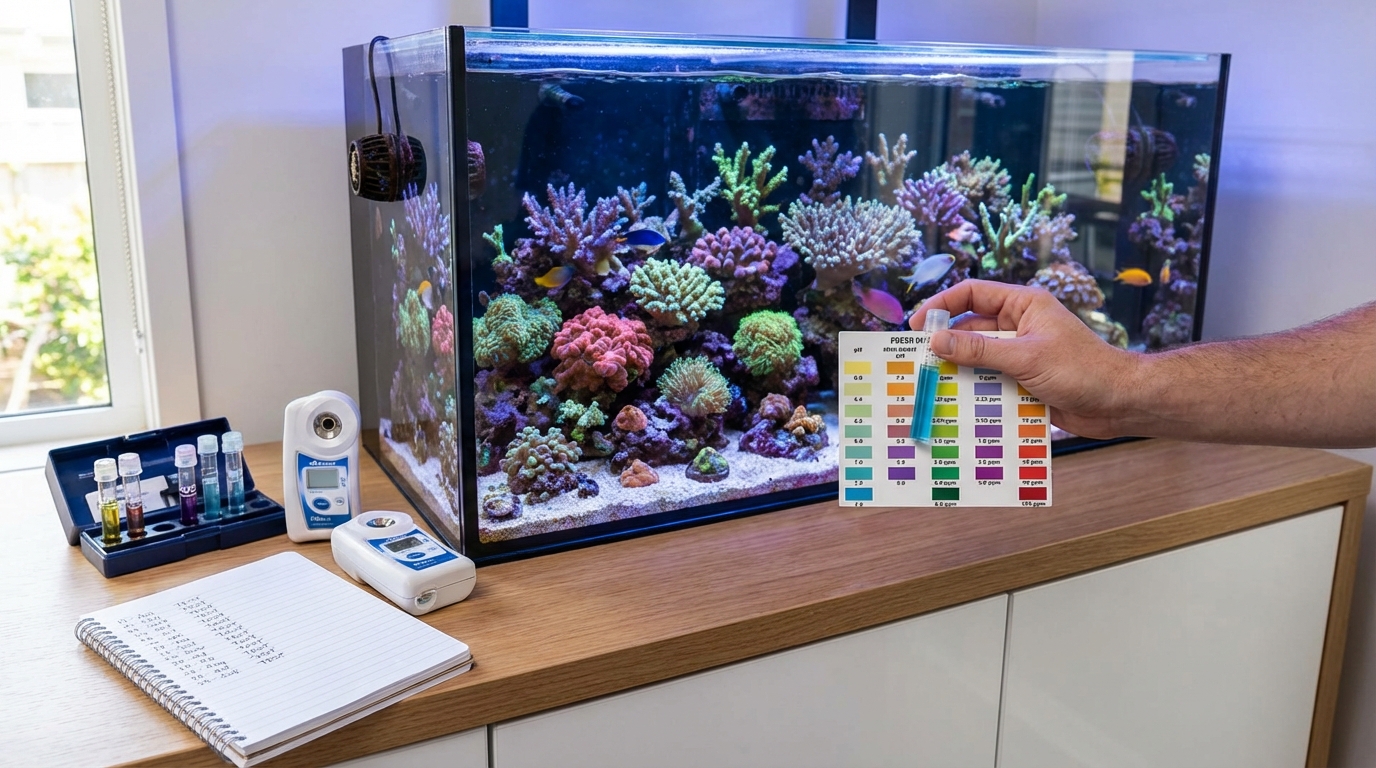
Test your reef tank weekly for salinity, pH, alkalinity, calcium, and magnesium. Test ammonia, nitrite, and nitrate duri...
Yes, an RO/DI system is highly recommended for reef tanks. It removes chlorine, heavy metals, phosphates, and silicates...
Most reef tanks need 20-50x total tank volume turnover per hour. LPS and soft corals prefer lower flow (20-30x), while S...
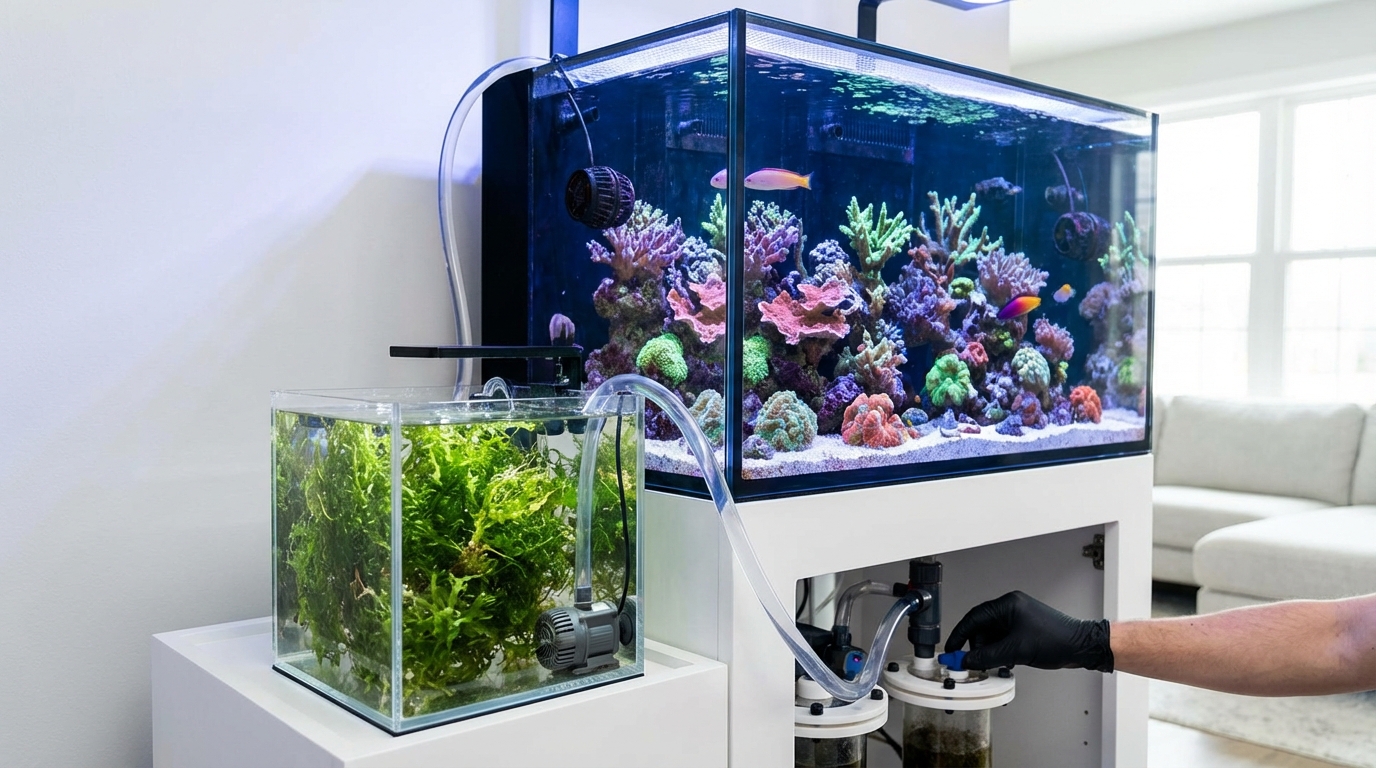
A refugium is a separate compartment in your sump that grows macroalgae and pods for natural filtration. While not essen...
Join the ReefBay community to connect with experienced reefers, share your tank, and get personalized advice.
Download the AppCreate an account to contribute to the community
Scan to download the app
Scan the QR code with your phone to download the app
Available on iOS and Android