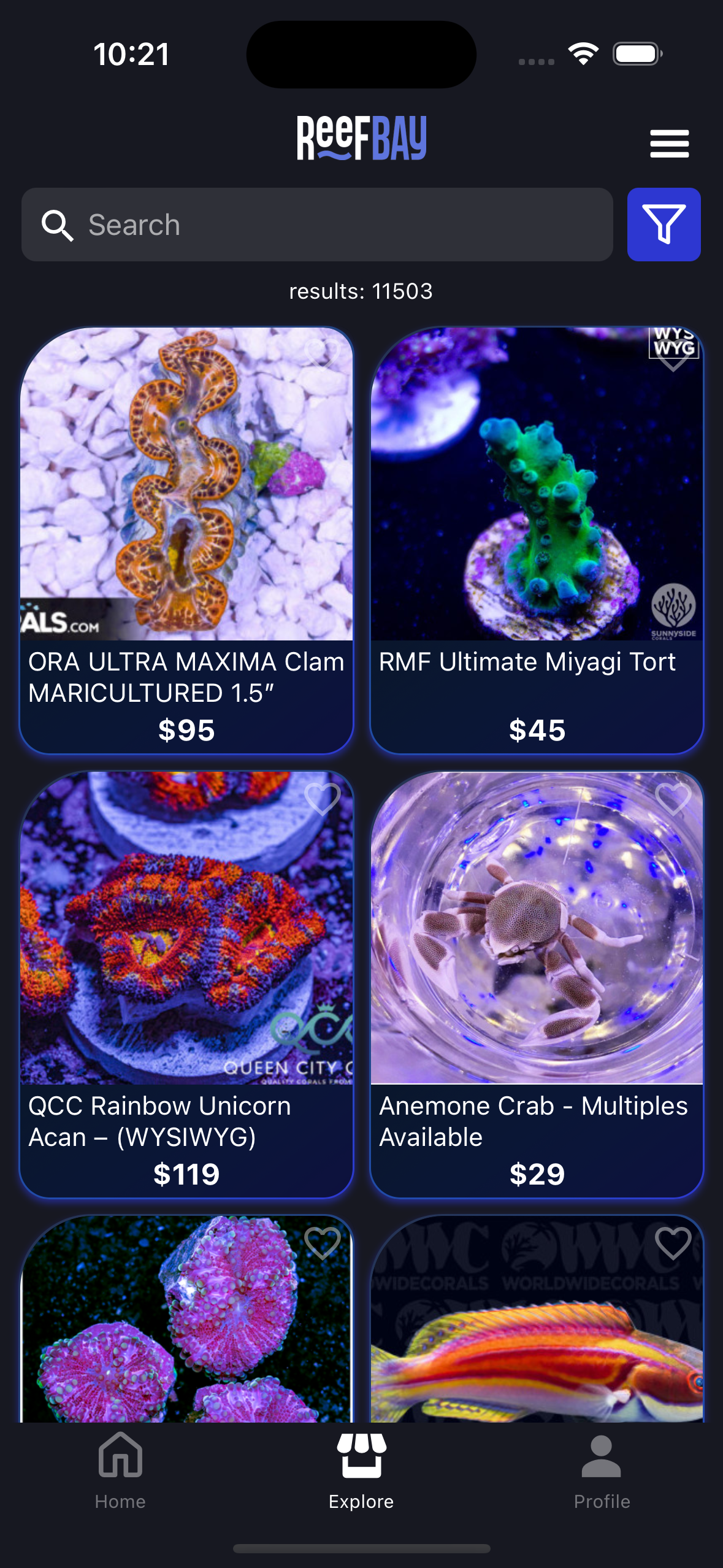
Cycling a reef tank correctly is the foundation of long-term coral and fish success. This complete beginner guide walks through equipment, bacteria seeding, testing cadence, troubleshooting, and the exact decision points to know when your tank is ready for livestock.
What a reef tank cycle actually is
What a reef tank cycle actually is is easier when you stay consistent and avoid rushing. Use one testing routine, log each result, and only make one meaningful change at a time so you can see cause and effect clearly. In practice, this means checking salinity, temperature, and nutrient movement while matching feeding pressure to biological capacity. Reef keepers who move methodically lose fewer animals and spend less money replacing livestock. Action step 1: verify your latest values, compare against your previous week, and make a small correction rather than a dramatic swing.
What a reef tank cycle actually is is easier when you stay consistent and avoid rushing. Use one testing routine, log each result, and only make one meaningful change at a time so you can see cause and effect clearly. In practice, this means checking salinity, temperature, and nutrient movement while matching feeding pressure to biological capacity. Reef keepers who move methodically lose fewer animals and spend less money replacing livestock. Action step 2: verify your latest values, compare against your previous week, and make a small correction rather than a dramatic swing.
What a reef tank cycle actually is is easier when you stay consistent and avoid rushing. Use one testing routine, log each result, and only make one meaningful change at a time so you can see cause and effect clearly. In practice, this means checking salinity, temperature, and nutrient movement while matching feeding pressure to biological capacity. Reef keepers who move methodically lose fewer animals and spend less money replacing livestock. Action step 3: verify your latest values, compare against your previous week, and make a small correction rather than a dramatic swing.
What a reef tank cycle actually is is easier when you stay consistent and avoid rushing. Use one testing routine, log each result, and only make one meaningful change at a time so you can see cause and effect clearly. In practice, this means checking salinity, temperature, and nutrient movement while matching feeding pressure to biological capacity. Reef keepers who move methodically lose fewer animals and spend less money replacing livestock. Action step 4: verify your latest values, compare against your previous week, and make a small correction rather than a dramatic swing.
What a reef tank cycle actually is is easier when you stay consistent and avoid rushing. Use one testing routine, log each result, and only make one meaningful change at a time so you can see cause and effect clearly. In practice, this means checking salinity, temperature, and nutrient movement while matching feeding pressure to biological capacity. Reef keepers who move methodically lose fewer animals and spend less money replacing livestock. Action step 5: verify your latest values, compare against your previous week, and make a small correction rather than a dramatic swing.
What a reef tank cycle actually is is easier when you stay consistent and avoid rushing. Use one testing routine, log each result, and only make one meaningful change at a time so you can see cause and effect clearly. In practice, this means checking salinity, temperature, and nutrient movement while matching feeding pressure to biological capacity. Reef keepers who move methodically lose fewer animals and spend less money replacing livestock. Action step 6: verify your latest values, compare against your previous week, and make a small correction rather than a dramatic swing.
What a reef tank cycle actually is is easier when you stay consistent and avoid rushing. Use one testing routine, log each result, and only make one meaningful change at a time so you can see cause and effect clearly. In practice, this means checking salinity, temperature, and nutrient movement while matching feeding pressure to biological capacity. Reef keepers who move methodically lose fewer animals and spend less money replacing livestock. Action step 7: verify your latest values, compare against your previous week, and make a small correction rather than a dramatic swing.
What a reef tank cycle actually is is easier when you stay consistent and avoid rushing. Use one testing routine, log each result, and only make one meaningful change at a time so you can see cause and effect clearly. In practice, this means checking salinity, temperature, and nutrient movement while matching feeding pressure to biological capacity. Reef keepers who move methodically lose fewer animals and spend less money replacing livestock. Action step 8: verify your latest values, compare against your previous week, and make a small correction rather than a dramatic swing.
Equipment you need before adding water
Equipment you need before adding water is easier when you stay consistent and avoid rushing. Use one testing routine, log each result, and only make one meaningful change at a time so you can see cause and effect clearly. In practice, this means checking salinity, temperature, and nutrient movement while matching feeding pressure to biological capacity. Reef keepers who move methodically lose fewer animals and spend less money replacing livestock. Action step 1: verify your latest values, compare against your previous week, and make a small correction rather than a dramatic swing.
Equipment you need before adding water is easier when you stay consistent and avoid rushing. Use one testing routine, log each result, and only make one meaningful change at a time so you can see cause and effect clearly. In practice, this means checking salinity, temperature, and nutrient movement while matching feeding pressure to biological capacity. Reef keepers who move methodically lose fewer animals and spend less money replacing livestock. Action step 2: verify your latest values, compare against your previous week, and make a small correction rather than a dramatic swing.
Equipment you need before adding water is easier when you stay consistent and avoid rushing. Use one testing routine, log each result, and only make one meaningful change at a time so you can see cause and effect clearly. In practice, this means checking salinity, temperature, and nutrient movement while matching feeding pressure to biological capacity. Reef keepers who move methodically lose fewer animals and spend less money replacing livestock. Action step 3: verify your latest values, compare against your previous week, and make a small correction rather than a dramatic swing.
Equipment you need before adding water is easier when you stay consistent and avoid rushing. Use one testing routine, log each result, and only make one meaningful change at a time so you can see cause and effect clearly. In practice, this means checking salinity, temperature, and nutrient movement while matching feeding pressure to biological capacity. Reef keepers who move methodically lose fewer animals and spend less money replacing livestock. Action step 4: verify your latest values, compare against your previous week, and make a small correction rather than a dramatic swing.
Equipment you need before adding water is easier when you stay consistent and avoid rushing. Use one testing routine, log each result, and only make one meaningful change at a time so you can see cause and effect clearly. In practice, this means checking salinity, temperature, and nutrient movement while matching feeding pressure to biological capacity. Reef keepers who move methodically lose fewer animals and spend less money replacing livestock. Action step 5: verify your latest values, compare against your previous week, and make a small correction rather than a dramatic swing.
Equipment you need before adding water is easier when you stay consistent and avoid rushing. Use one testing routine, log each result, and only make one meaningful change at a time so you can see cause and effect clearly. In practice, this means checking salinity, temperature, and nutrient movement while matching feeding pressure to biological capacity. Reef keepers who move methodically lose fewer animals and spend less money replacing livestock. Action step 6: verify your latest values, compare against your previous week, and make a small correction rather than a dramatic swing.
Equipment you need before adding water is easier when you stay consistent and avoid rushing. Use one testing routine, log each result, and only make one meaningful change at a time so you can see cause and effect clearly. In practice, this means checking salinity, temperature, and nutrient movement while matching feeding pressure to biological capacity. Reef keepers who move methodically lose fewer animals and spend less money replacing livestock. Action step 7: verify your latest values, compare against your previous week, and make a small correction rather than a dramatic swing.
Equipment you need before adding water is easier when you stay consistent and avoid rushing. Use one testing routine, log each result, and only make one meaningful change at a time so you can see cause and effect clearly. In practice, this means checking salinity, temperature, and nutrient movement while matching feeding pressure to biological capacity. Reef keepers who move methodically lose fewer animals and spend less money replacing livestock. Action step 8: verify your latest values, compare against your previous week, and make a small correction rather than a dramatic swing.
Choosing rock, sand, and salt mix
Choosing rock, sand, and salt mix is easier when you stay consistent and avoid rushing. Use one testing routine, log each result, and only make one meaningful change at a time so you can see cause and effect clearly. In practice, this means checking salinity, temperature, and nutrient movement while matching feeding pressure to biological capacity. Reef keepers who move methodically lose fewer animals and spend less money replacing livestock. Action step 1: verify your latest values, compare against your previous week, and make a small correction rather than a dramatic swing.
Choosing rock, sand, and salt mix is easier when you stay consistent and avoid rushing. Use one testing routine, log each result, and only make one meaningful change at a time so you can see cause and effect clearly. In practice, this means checking salinity, temperature, and nutrient movement while matching feeding pressure to biological capacity. Reef keepers who move methodically lose fewer animals and spend less money replacing livestock. Action step 2: verify your latest values, compare against your previous week, and make a small correction rather than a dramatic swing.
Choosing rock, sand, and salt mix is easier when you stay consistent and avoid rushing. Use one testing routine, log each result, and only make one meaningful change at a time so you can see cause and effect clearly. In practice, this means checking salinity, temperature, and nutrient movement while matching feeding pressure to biological capacity. Reef keepers who move methodically lose fewer animals and spend less money replacing livestock. Action step 3: verify your latest values, compare against your previous week, and make a small correction rather than a dramatic swing.
Choosing rock, sand, and salt mix is easier when you stay consistent and avoid rushing. Use one testing routine, log each result, and only make one meaningful change at a time so you can see cause and effect clearly. In practice, this means checking salinity, temperature, and nutrient movement while matching feeding pressure to biological capacity. Reef keepers who move methodically lose fewer animals and spend less money replacing livestock. Action step 4: verify your latest values, compare against your previous week, and make a small correction rather than a dramatic swing.
Choosing rock, sand, and salt mix is easier when you stay consistent and avoid rushing. Use one testing routine, log each result, and only make one meaningful change at a time so you can see cause and effect clearly. In practice, this means checking salinity, temperature, and nutrient movement while matching feeding pressure to biological capacity. Reef keepers who move methodically lose fewer animals and spend less money replacing livestock. Action step 5: verify your latest values, compare against your previous week, and make a small correction rather than a dramatic swing.
Choosing rock, sand, and salt mix is easier when you stay consistent and avoid rushing. Use one testing routine, log each result, and only make one meaningful change at a time so you can see cause and effect clearly. In practice, this means checking salinity, temperature, and nutrient movement while matching feeding pressure to biological capacity. Reef keepers who move methodically lose fewer animals and spend less money replacing livestock. Action step 6: verify your latest values, compare against your previous week, and make a small correction rather than a dramatic swing.
Choosing rock, sand, and salt mix is easier when you stay consistent and avoid rushing. Use one testing routine, log each result, and only make one meaningful change at a time so you can see cause and effect clearly. In practice, this means checking salinity, temperature, and nutrient movement while matching feeding pressure to biological capacity. Reef keepers who move methodically lose fewer animals and spend less money replacing livestock. Action step 7: verify your latest values, compare against your previous week, and make a small correction rather than a dramatic swing.
Choosing rock, sand, and salt mix is easier when you stay consistent and avoid rushing. Use one testing routine, log each result, and only make one meaningful change at a time so you can see cause and effect clearly. In practice, this means checking salinity, temperature, and nutrient movement while matching feeding pressure to biological capacity. Reef keepers who move methodically lose fewer animals and spend less money replacing livestock. Action step 8: verify your latest values, compare against your previous week, and make a small correction rather than a dramatic swing.
Bacteria sources and cycling methods
Bacteria sources and cycling methods is easier when you stay consistent and avoid rushing. Use one testing routine, log each result, and only make one meaningful change at a time so you can see cause and effect clearly. In practice, this means checking salinity, temperature, and nutrient movement while matching feeding pressure to biological capacity. Reef keepers who move methodically lose fewer animals and spend less money replacing livestock. Action step 1: verify your latest values, compare against your previous week, and make a small correction rather than a dramatic swing.
Bacteria sources and cycling methods is easier when you stay consistent and avoid rushing. Use one testing routine, log each result, and only make one meaningful change at a time so you can see cause and effect clearly. In practice, this means checking salinity, temperature, and nutrient movement while matching feeding pressure to biological capacity. Reef keepers who move methodically lose fewer animals and spend less money replacing livestock. Action step 2: verify your latest values, compare against your previous week, and make a small correction rather than a dramatic swing.
Bacteria sources and cycling methods is easier when you stay consistent and avoid rushing. Use one testing routine, log each result, and only make one meaningful change at a time so you can see cause and effect clearly. In practice, this means checking salinity, temperature, and nutrient movement while matching feeding pressure to biological capacity. Reef keepers who move methodically lose fewer animals and spend less money replacing livestock. Action step 3: verify your latest values, compare against your previous week, and make a small correction rather than a dramatic swing.
Bacteria sources and cycling methods is easier when you stay consistent and avoid rushing. Use one testing routine, log each result, and only make one meaningful change at a time so you can see cause and effect clearly. In practice, this means checking salinity, temperature, and nutrient movement while matching feeding pressure to biological capacity. Reef keepers who move methodically lose fewer animals and spend less money replacing livestock. Action step 4: verify your latest values, compare against your previous week, and make a small correction rather than a dramatic swing.
Bacteria sources and cycling methods is easier when you stay consistent and avoid rushing. Use one testing routine, log each result, and only make one meaningful change at a time so you can see cause and effect clearly. In practice, this means checking salinity, temperature, and nutrient movement while matching feeding pressure to biological capacity. Reef keepers who move methodically lose fewer animals and spend less money replacing livestock. Action step 5: verify your latest values, compare against your previous week, and make a small correction rather than a dramatic swing.
Bacteria sources and cycling methods is easier when you stay consistent and avoid rushing. Use one testing routine, log each result, and only make one meaningful change at a time so you can see cause and effect clearly. In practice, this means checking salinity, temperature, and nutrient movement while matching feeding pressure to biological capacity. Reef keepers who move methodically lose fewer animals and spend less money replacing livestock. Action step 6: verify your latest values, compare against your previous week, and make a small correction rather than a dramatic swing.
Bacteria sources and cycling methods is easier when you stay consistent and avoid rushing. Use one testing routine, log each result, and only make one meaningful change at a time so you can see cause and effect clearly. In practice, this means checking salinity, temperature, and nutrient movement while matching feeding pressure to biological capacity. Reef keepers who move methodically lose fewer animals and spend less money replacing livestock. Action step 7: verify your latest values, compare against your previous week, and make a small correction rather than a dramatic swing.
Bacteria sources and cycling methods is easier when you stay consistent and avoid rushing. Use one testing routine, log each result, and only make one meaningful change at a time so you can see cause and effect clearly. In practice, this means checking salinity, temperature, and nutrient movement while matching feeding pressure to biological capacity. Reef keepers who move methodically lose fewer animals and spend less money replacing livestock. Action step 8: verify your latest values, compare against your previous week, and make a small correction rather than a dramatic swing.
Week-by-week testing schedule
Week-by-week testing schedule is easier when you stay consistent and avoid rushing. Use one testing routine, log each result, and only make one meaningful change at a time so you can see cause and effect clearly. In practice, this means checking salinity, temperature, and nutrient movement while matching feeding pressure to biological capacity. Reef keepers who move methodically lose fewer animals and spend less money replacing livestock. Action step 1: verify your latest values, compare against your previous week, and make a small correction rather than a dramatic swing.
Week-by-week testing schedule is easier when you stay consistent and avoid rushing. Use one testing routine, log each result, and only make one meaningful change at a time so you can see cause and effect clearly. In practice, this means checking salinity, temperature, and nutrient movement while matching feeding pressure to biological capacity. Reef keepers who move methodically lose fewer animals and spend less money replacing livestock. Action step 2: verify your latest values, compare against your previous week, and make a small correction rather than a dramatic swing.
Week-by-week testing schedule is easier when you stay consistent and avoid rushing. Use one testing routine, log each result, and only make one meaningful change at a time so you can see cause and effect clearly. In practice, this means checking salinity, temperature, and nutrient movement while matching feeding pressure to biological capacity. Reef keepers who move methodically lose fewer animals and spend less money replacing livestock. Action step 3: verify your latest values, compare against your previous week, and make a small correction rather than a dramatic swing.
Week-by-week testing schedule is easier when you stay consistent and avoid rushing. Use one testing routine, log each result, and only make one meaningful change at a time so you can see cause and effect clearly. In practice, this means checking salinity, temperature, and nutrient movement while matching feeding pressure to biological capacity. Reef keepers who move methodically lose fewer animals and spend less money replacing livestock. Action step 4: verify your latest values, compare against your previous week, and make a small correction rather than a dramatic swing.
Week-by-week testing schedule is easier when you stay consistent and avoid rushing. Use one testing routine, log each result, and only make one meaningful change at a time so you can see cause and effect clearly. In practice, this means checking salinity, temperature, and nutrient movement while matching feeding pressure to biological capacity. Reef keepers who move methodically lose fewer animals and spend less money replacing livestock. Action step 5: verify your latest values, compare against your previous week, and make a small correction rather than a dramatic swing.
Week-by-week testing schedule is easier when you stay consistent and avoid rushing. Use one testing routine, log each result, and only make one meaningful change at a time so you can see cause and effect clearly. In practice, this means checking salinity, temperature, and nutrient movement while matching feeding pressure to biological capacity. Reef keepers who move methodically lose fewer animals and spend less money replacing livestock. Action step 6: verify your latest values, compare against your previous week, and make a small correction rather than a dramatic swing.
Week-by-week testing schedule is easier when you stay consistent and avoid rushing. Use one testing routine, log each result, and only make one meaningful change at a time so you can see cause and effect clearly. In practice, this means checking salinity, temperature, and nutrient movement while matching feeding pressure to biological capacity. Reef keepers who move methodically lose fewer animals and spend less money replacing livestock. Action step 7: verify your latest values, compare against your previous week, and make a small correction rather than a dramatic swing.
Week-by-week testing schedule is easier when you stay consistent and avoid rushing. Use one testing routine, log each result, and only make one meaningful change at a time so you can see cause and effect clearly. In practice, this means checking salinity, temperature, and nutrient movement while matching feeding pressure to biological capacity. Reef keepers who move methodically lose fewer animals and spend less money replacing livestock. Action step 8: verify your latest values, compare against your previous week, and make a small correction rather than a dramatic swing.
How to interpret ammonia, nitrite, and nitrate
How to interpret ammonia, nitrite, and nitrate is easier when you stay consistent and avoid rushing. Use one testing routine, log each result, and only make one meaningful change at a time so you can see cause and effect clearly. In practice, this means checking salinity, temperature, and nutrient movement while matching feeding pressure to biological capacity. Reef keepers who move methodically lose fewer animals and spend less money replacing livestock. Action step 1: verify your latest values, compare against your previous week, and make a small correction rather than a dramatic swing.
How to interpret ammonia, nitrite, and nitrate is easier when you stay consistent and avoid rushing. Use one testing routine, log each result, and only make one meaningful change at a time so you can see cause and effect clearly. In practice, this means checking salinity, temperature, and nutrient movement while matching feeding pressure to biological capacity. Reef keepers who move methodically lose fewer animals and spend less money replacing livestock. Action step 2: verify your latest values, compare against your previous week, and make a small correction rather than a dramatic swing.
How to interpret ammonia, nitrite, and nitrate is easier when you stay consistent and avoid rushing. Use one testing routine, log each result, and only make one meaningful change at a time so you can see cause and effect clearly. In practice, this means checking salinity, temperature, and nutrient movement while matching feeding pressure to biological capacity. Reef keepers who move methodically lose fewer animals and spend less money replacing livestock. Action step 3: verify your latest values, compare against your previous week, and make a small correction rather than a dramatic swing.
How to interpret ammonia, nitrite, and nitrate is easier when you stay consistent and avoid rushing. Use one testing routine, log each result, and only make one meaningful change at a time so you can see cause and effect clearly. In practice, this means checking salinity, temperature, and nutrient movement while matching feeding pressure to biological capacity. Reef keepers who move methodically lose fewer animals and spend less money replacing livestock. Action step 4: verify your latest values, compare against your previous week, and make a small correction rather than a dramatic swing.
How to interpret ammonia, nitrite, and nitrate is easier when you stay consistent and avoid rushing. Use one testing routine, log each result, and only make one meaningful change at a time so you can see cause and effect clearly. In practice, this means checking salinity, temperature, and nutrient movement while matching feeding pressure to biological capacity. Reef keepers who move methodically lose fewer animals and spend less money replacing livestock. Action step 5: verify your latest values, compare against your previous week, and make a small correction rather than a dramatic swing.
How to interpret ammonia, nitrite, and nitrate is easier when you stay consistent and avoid rushing. Use one testing routine, log each result, and only make one meaningful change at a time so you can see cause and effect clearly. In practice, this means checking salinity, temperature, and nutrient movement while matching feeding pressure to biological capacity. Reef keepers who move methodically lose fewer animals and spend less money replacing livestock. Action step 6: verify your latest values, compare against your previous week, and make a small correction rather than a dramatic swing.
How to interpret ammonia, nitrite, and nitrate is easier when you stay consistent and avoid rushing. Use one testing routine, log each result, and only make one meaningful change at a time so you can see cause and effect clearly. In practice, this means checking salinity, temperature, and nutrient movement while matching feeding pressure to biological capacity. Reef keepers who move methodically lose fewer animals and spend less money replacing livestock. Action step 7: verify your latest values, compare against your previous week, and make a small correction rather than a dramatic swing.
How to interpret ammonia, nitrite, and nitrate is easier when you stay consistent and avoid rushing. Use one testing routine, log each result, and only make one meaningful change at a time so you can see cause and effect clearly. In practice, this means checking salinity, temperature, and nutrient movement while matching feeding pressure to biological capacity. Reef keepers who move methodically lose fewer animals and spend less money replacing livestock. Action step 8: verify your latest values, compare against your previous week, and make a small correction rather than a dramatic swing.
Managing ugly stages and algae blooms
Managing ugly stages and algae blooms is easier when you stay consistent and avoid rushing. Use one testing routine, log each result, and only make one meaningful change at a time so you can see cause and effect clearly. In practice, this means checking salinity, temperature, and nutrient movement while matching feeding pressure to biological capacity. Reef keepers who move methodically lose fewer animals and spend less money replacing livestock. Action step 1: verify your latest values, compare against your previous week, and make a small correction rather than a dramatic swing.
Managing ugly stages and algae blooms is easier when you stay consistent and avoid rushing. Use one testing routine, log each result, and only make one meaningful change at a time so you can see cause and effect clearly. In practice, this means checking salinity, temperature, and nutrient movement while matching feeding pressure to biological capacity. Reef keepers who move methodically lose fewer animals and spend less money replacing livestock. Action step 2: verify your latest values, compare against your previous week, and make a small correction rather than a dramatic swing.
Managing ugly stages and algae blooms is easier when you stay consistent and avoid rushing. Use one testing routine, log each result, and only make one meaningful change at a time so you can see cause and effect clearly. In practice, this means checking salinity, temperature, and nutrient movement while matching feeding pressure to biological capacity. Reef keepers who move methodically lose fewer animals and spend less money replacing livestock. Action step 3: verify your latest values, compare against your previous week, and make a small correction rather than a dramatic swing.
Managing ugly stages and algae blooms is easier when you stay consistent and avoid rushing. Use one testing routine, log each result, and only make one meaningful change at a time so you can see cause and effect clearly. In practice, this means checking salinity, temperature, and nutrient movement while matching feeding pressure to biological capacity. Reef keepers who move methodically lose fewer animals and spend less money replacing livestock. Action step 4: verify your latest values, compare against your previous week, and make a small correction rather than a dramatic swing.
Managing ugly stages and algae blooms is easier when you stay consistent and avoid rushing. Use one testing routine, log each result, and only make one meaningful change at a time so you can see cause and effect clearly. In practice, this means checking salinity, temperature, and nutrient movement while matching feeding pressure to biological capacity. Reef keepers who move methodically lose fewer animals and spend less money replacing livestock. Action step 5: verify your latest values, compare against your previous week, and make a small correction rather than a dramatic swing.
Managing ugly stages and algae blooms is easier when you stay consistent and avoid rushing. Use one testing routine, log each result, and only make one meaningful change at a time so you can see cause and effect clearly. In practice, this means checking salinity, temperature, and nutrient movement while matching feeding pressure to biological capacity. Reef keepers who move methodically lose fewer animals and spend less money replacing livestock. Action step 6: verify your latest values, compare against your previous week, and make a small correction rather than a dramatic swing.
Managing ugly stages and algae blooms is easier when you stay consistent and avoid rushing. Use one testing routine, log each result, and only make one meaningful change at a time so you can see cause and effect clearly. In practice, this means checking salinity, temperature, and nutrient movement while matching feeding pressure to biological capacity. Reef keepers who move methodically lose fewer animals and spend less money replacing livestock. Action step 7: verify your latest values, compare against your previous week, and make a small correction rather than a dramatic swing.
Managing ugly stages and algae blooms is easier when you stay consistent and avoid rushing. Use one testing routine, log each result, and only make one meaningful change at a time so you can see cause and effect clearly. In practice, this means checking salinity, temperature, and nutrient movement while matching feeding pressure to biological capacity. Reef keepers who move methodically lose fewer animals and spend less money replacing livestock. Action step 8: verify your latest values, compare against your previous week, and make a small correction rather than a dramatic swing.
When to add cleanup crew safely
When to add cleanup crew safely is easier when you stay consistent and avoid rushing. Use one testing routine, log each result, and only make one meaningful change at a time so you can see cause and effect clearly. In practice, this means checking salinity, temperature, and nutrient movement while matching feeding pressure to biological capacity. Reef keepers who move methodically lose fewer animals and spend less money replacing livestock. Action step 1: verify your latest values, compare against your previous week, and make a small correction rather than a dramatic swing.
When to add cleanup crew safely is easier when you stay consistent and avoid rushing. Use one testing routine, log each result, and only make one meaningful change at a time so you can see cause and effect clearly. In practice, this means checking salinity, temperature, and nutrient movement while matching feeding pressure to biological capacity. Reef keepers who move methodically lose fewer animals and spend less money replacing livestock. Action step 2: verify your latest values, compare against your previous week, and make a small correction rather than a dramatic swing.
When to add cleanup crew safely is easier when you stay consistent and avoid rushing. Use one testing routine, log each result, and only make one meaningful change at a time so you can see cause and effect clearly. In practice, this means checking salinity, temperature, and nutrient movement while matching feeding pressure to biological capacity. Reef keepers who move methodically lose fewer animals and spend less money replacing livestock. Action step 3: verify your latest values, compare against your previous week, and make a small correction rather than a dramatic swing.
When to add cleanup crew safely is easier when you stay consistent and avoid rushing. Use one testing routine, log each result, and only make one meaningful change at a time so you can see cause and effect clearly. In practice, this means checking salinity, temperature, and nutrient movement while matching feeding pressure to biological capacity. Reef keepers who move methodically lose fewer animals and spend less money replacing livestock. Action step 4: verify your latest values, compare against your previous week, and make a small correction rather than a dramatic swing.
When to add cleanup crew safely is easier when you stay consistent and avoid rushing. Use one testing routine, log each result, and only make one meaningful change at a time so you can see cause and effect clearly. In practice, this means checking salinity, temperature, and nutrient movement while matching feeding pressure to biological capacity. Reef keepers who move methodically lose fewer animals and spend less money replacing livestock. Action step 5: verify your latest values, compare against your previous week, and make a small correction rather than a dramatic swing.
When to add cleanup crew safely is easier when you stay consistent and avoid rushing. Use one testing routine, log each result, and only make one meaningful change at a time so you can see cause and effect clearly. In practice, this means checking salinity, temperature, and nutrient movement while matching feeding pressure to biological capacity. Reef keepers who move methodically lose fewer animals and spend less money replacing livestock. Action step 6: verify your latest values, compare against your previous week, and make a small correction rather than a dramatic swing.
When to add cleanup crew safely is easier when you stay consistent and avoid rushing. Use one testing routine, log each result, and only make one meaningful change at a time so you can see cause and effect clearly. In practice, this means checking salinity, temperature, and nutrient movement while matching feeding pressure to biological capacity. Reef keepers who move methodically lose fewer animals and spend less money replacing livestock. Action step 7: verify your latest values, compare against your previous week, and make a small correction rather than a dramatic swing.
When to add cleanup crew safely is easier when you stay consistent and avoid rushing. Use one testing routine, log each result, and only make one meaningful change at a time so you can see cause and effect clearly. In practice, this means checking salinity, temperature, and nutrient movement while matching feeding pressure to biological capacity. Reef keepers who move methodically lose fewer animals and spend less money replacing livestock. Action step 8: verify your latest values, compare against your previous week, and make a small correction rather than a dramatic swing.
First fish stocking order for stability
First fish stocking order for stability is easier when you stay consistent and avoid rushing. Use one testing routine, log each result, and only make one meaningful change at a time so you can see cause and effect clearly. In practice, this means checking salinity, temperature, and nutrient movement while matching feeding pressure to biological capacity. Reef keepers who move methodically lose fewer animals and spend less money replacing livestock. Action step 1: verify your latest values, compare against your previous week, and make a small correction rather than a dramatic swing.
First fish stocking order for stability is easier when you stay consistent and avoid rushing. Use one testing routine, log each result, and only make one meaningful change at a time so you can see cause and effect clearly. In practice, this means checking salinity, temperature, and nutrient movement while matching feeding pressure to biological capacity. Reef keepers who move methodically lose fewer animals and spend less money replacing livestock. Action step 2: verify your latest values, compare against your previous week, and make a small correction rather than a dramatic swing.
First fish stocking order for stability is easier when you stay consistent and avoid rushing. Use one testing routine, log each result, and only make one meaningful change at a time so you can see cause and effect clearly. In practice, this means checking salinity, temperature, and nutrient movement while matching feeding pressure to biological capacity. Reef keepers who move methodically lose fewer animals and spend less money replacing livestock. Action step 3: verify your latest values, compare against your previous week, and make a small correction rather than a dramatic swing.
First fish stocking order for stability is easier when you stay consistent and avoid rushing. Use one testing routine, log each result, and only make one meaningful change at a time so you can see cause and effect clearly. In practice, this means checking salinity, temperature, and nutrient movement while matching feeding pressure to biological capacity. Reef keepers who move methodically lose fewer animals and spend less money replacing livestock. Action step 4: verify your latest values, compare against your previous week, and make a small correction rather than a dramatic swing.
First fish stocking order for stability is easier when you stay consistent and avoid rushing. Use one testing routine, log each result, and only make one meaningful change at a time so you can see cause and effect clearly. In practice, this means checking salinity, temperature, and nutrient movement while matching feeding pressure to biological capacity. Reef keepers who move methodically lose fewer animals and spend less money replacing livestock. Action step 5: verify your latest values, compare against your previous week, and make a small correction rather than a dramatic swing.
First fish stocking order for stability is easier when you stay consistent and avoid rushing. Use one testing routine, log each result, and only make one meaningful change at a time so you can see cause and effect clearly. In practice, this means checking salinity, temperature, and nutrient movement while matching feeding pressure to biological capacity. Reef keepers who move methodically lose fewer animals and spend less money replacing livestock. Action step 6: verify your latest values, compare against your previous week, and make a small correction rather than a dramatic swing.
First fish stocking order for stability is easier when you stay consistent and avoid rushing. Use one testing routine, log each result, and only make one meaningful change at a time so you can see cause and effect clearly. In practice, this means checking salinity, temperature, and nutrient movement while matching feeding pressure to biological capacity. Reef keepers who move methodically lose fewer animals and spend less money replacing livestock. Action step 7: verify your latest values, compare against your previous week, and make a small correction rather than a dramatic swing.
First fish stocking order for stability is easier when you stay consistent and avoid rushing. Use one testing routine, log each result, and only make one meaningful change at a time so you can see cause and effect clearly. In practice, this means checking salinity, temperature, and nutrient movement while matching feeding pressure to biological capacity. Reef keepers who move methodically lose fewer animals and spend less money replacing livestock. Action step 8: verify your latest values, compare against your previous week, and make a small correction rather than a dramatic swing.
Coral timing and beginner coral picks
Coral timing and beginner coral picks is easier when you stay consistent and avoid rushing. Use one testing routine, log each result, and only make one meaningful change at a time so you can see cause and effect clearly. In practice, this means checking salinity, temperature, and nutrient movement while matching feeding pressure to biological capacity. Reef keepers who move methodically lose fewer animals and spend less money replacing livestock. Action step 1: verify your latest values, compare against your previous week, and make a small correction rather than a dramatic swing.
Coral timing and beginner coral picks is easier when you stay consistent and avoid rushing. Use one testing routine, log each result, and only make one meaningful change at a time so you can see cause and effect clearly. In practice, this means checking salinity, temperature, and nutrient movement while matching feeding pressure to biological capacity. Reef keepers who move methodically lose fewer animals and spend less money replacing livestock. Action step 2: verify your latest values, compare against your previous week, and make a small correction rather than a dramatic swing.
Coral timing and beginner coral picks is easier when you stay consistent and avoid rushing. Use one testing routine, log each result, and only make one meaningful change at a time so you can see cause and effect clearly. In practice, this means checking salinity, temperature, and nutrient movement while matching feeding pressure to biological capacity. Reef keepers who move methodically lose fewer animals and spend less money replacing livestock. Action step 3: verify your latest values, compare against your previous week, and make a small correction rather than a dramatic swing.
Coral timing and beginner coral picks is easier when you stay consistent and avoid rushing. Use one testing routine, log each result, and only make one meaningful change at a time so you can see cause and effect clearly. In practice, this means checking salinity, temperature, and nutrient movement while matching feeding pressure to biological capacity. Reef keepers who move methodically lose fewer animals and spend less money replacing livestock. Action step 4: verify your latest values, compare against your previous week, and make a small correction rather than a dramatic swing.
Coral timing and beginner coral picks is easier when you stay consistent and avoid rushing. Use one testing routine, log each result, and only make one meaningful change at a time so you can see cause and effect clearly. In practice, this means checking salinity, temperature, and nutrient movement while matching feeding pressure to biological capacity. Reef keepers who move methodically lose fewer animals and spend less money replacing livestock. Action step 5: verify your latest values, compare against your previous week, and make a small correction rather than a dramatic swing.
Coral timing and beginner coral picks is easier when you stay consistent and avoid rushing. Use one testing routine, log each result, and only make one meaningful change at a time so you can see cause and effect clearly. In practice, this means checking salinity, temperature, and nutrient movement while matching feeding pressure to biological capacity. Reef keepers who move methodically lose fewer animals and spend less money replacing livestock. Action step 6: verify your latest values, compare against your previous week, and make a small correction rather than a dramatic swing.
Coral timing and beginner coral picks is easier when you stay consistent and avoid rushing. Use one testing routine, log each result, and only make one meaningful change at a time so you can see cause and effect clearly. In practice, this means checking salinity, temperature, and nutrient movement while matching feeding pressure to biological capacity. Reef keepers who move methodically lose fewer animals and spend less money replacing livestock. Action step 7: verify your latest values, compare against your previous week, and make a small correction rather than a dramatic swing.
Coral timing and beginner coral picks is easier when you stay consistent and avoid rushing. Use one testing routine, log each result, and only make one meaningful change at a time so you can see cause and effect clearly. In practice, this means checking salinity, temperature, and nutrient movement while matching feeding pressure to biological capacity. Reef keepers who move methodically lose fewer animals and spend less money replacing livestock. Action step 8: verify your latest values, compare against your previous week, and make a small correction rather than a dramatic swing.
Maintenance rhythm in the first 90 days
Maintenance rhythm in the first 90 days is easier when you stay consistent and avoid rushing. Use one testing routine, log each result, and only make one meaningful change at a time so you can see cause and effect clearly. In practice, this means checking salinity, temperature, and nutrient movement while matching feeding pressure to biological capacity. Reef keepers who move methodically lose fewer animals and spend less money replacing livestock. Action step 1: verify your latest values, compare against your previous week, and make a small correction rather than a dramatic swing.
Maintenance rhythm in the first 90 days is easier when you stay consistent and avoid rushing. Use one testing routine, log each result, and only make one meaningful change at a time so you can see cause and effect clearly. In practice, this means checking salinity, temperature, and nutrient movement while matching feeding pressure to biological capacity. Reef keepers who move methodically lose fewer animals and spend less money replacing livestock. Action step 2: verify your latest values, compare against your previous week, and make a small correction rather than a dramatic swing.
Maintenance rhythm in the first 90 days is easier when you stay consistent and avoid rushing. Use one testing routine, log each result, and only make one meaningful change at a time so you can see cause and effect clearly. In practice, this means checking salinity, temperature, and nutrient movement while matching feeding pressure to biological capacity. Reef keepers who move methodically lose fewer animals and spend less money replacing livestock. Action step 3: verify your latest values, compare against your previous week, and make a small correction rather than a dramatic swing.
Maintenance rhythm in the first 90 days is easier when you stay consistent and avoid rushing. Use one testing routine, log each result, and only make one meaningful change at a time so you can see cause and effect clearly. In practice, this means checking salinity, temperature, and nutrient movement while matching feeding pressure to biological capacity. Reef keepers who move methodically lose fewer animals and spend less money replacing livestock. Action step 4: verify your latest values, compare against your previous week, and make a small correction rather than a dramatic swing.
Maintenance rhythm in the first 90 days is easier when you stay consistent and avoid rushing. Use one testing routine, log each result, and only make one meaningful change at a time so you can see cause and effect clearly. In practice, this means checking salinity, temperature, and nutrient movement while matching feeding pressure to biological capacity. Reef keepers who move methodically lose fewer animals and spend less money replacing livestock. Action step 5: verify your latest values, compare against your previous week, and make a small correction rather than a dramatic swing.
Maintenance rhythm in the first 90 days is easier when you stay consistent and avoid rushing. Use one testing routine, log each result, and only make one meaningful change at a time so you can see cause and effect clearly. In practice, this means checking salinity, temperature, and nutrient movement while matching feeding pressure to biological capacity. Reef keepers who move methodically lose fewer animals and spend less money replacing livestock. Action step 6: verify your latest values, compare against your previous week, and make a small correction rather than a dramatic swing.
Maintenance rhythm in the first 90 days is easier when you stay consistent and avoid rushing. Use one testing routine, log each result, and only make one meaningful change at a time so you can see cause and effect clearly. In practice, this means checking salinity, temperature, and nutrient movement while matching feeding pressure to biological capacity. Reef keepers who move methodically lose fewer animals and spend less money replacing livestock. Action step 7: verify your latest values, compare against your previous week, and make a small correction rather than a dramatic swing.
Maintenance rhythm in the first 90 days is easier when you stay consistent and avoid rushing. Use one testing routine, log each result, and only make one meaningful change at a time so you can see cause and effect clearly. In practice, this means checking salinity, temperature, and nutrient movement while matching feeding pressure to biological capacity. Reef keepers who move methodically lose fewer animals and spend less money replacing livestock. Action step 8: verify your latest values, compare against your previous week, and make a small correction rather than a dramatic swing.
Common cycle mistakes and fast fixes
Common cycle mistakes and fast fixes is easier when you stay consistent and avoid rushing. Use one testing routine, log each result, and only make one meaningful change at a time so you can see cause and effect clearly. In practice, this means checking salinity, temperature, and nutrient movement while matching feeding pressure to biological capacity. Reef keepers who move methodically lose fewer animals and spend less money replacing livestock. Action step 1: verify your latest values, compare against your previous week, and make a small correction rather than a dramatic swing.
Common cycle mistakes and fast fixes is easier when you stay consistent and avoid rushing. Use one testing routine, log each result, and only make one meaningful change at a time so you can see cause and effect clearly. In practice, this means checking salinity, temperature, and nutrient movement while matching feeding pressure to biological capacity. Reef keepers who move methodically lose fewer animals and spend less money replacing livestock. Action step 2: verify your latest values, compare against your previous week, and make a small correction rather than a dramatic swing.
Common cycle mistakes and fast fixes is easier when you stay consistent and avoid rushing. Use one testing routine, log each result, and only make one meaningful change at a time so you can see cause and effect clearly. In practice, this means checking salinity, temperature, and nutrient movement while matching feeding pressure to biological capacity. Reef keepers who move methodically lose fewer animals and spend less money replacing livestock. Action step 3: verify your latest values, compare against your previous week, and make a small correction rather than a dramatic swing.
Common cycle mistakes and fast fixes is easier when you stay consistent and avoid rushing. Use one testing routine, log each result, and only make one meaningful change at a time so you can see cause and effect clearly. In practice, this means checking salinity, temperature, and nutrient movement while matching feeding pressure to biological capacity. Reef keepers who move methodically lose fewer animals and spend less money replacing livestock. Action step 4: verify your latest values, compare against your previous week, and make a small correction rather than a dramatic swing.
Common cycle mistakes and fast fixes is easier when you stay consistent and avoid rushing. Use one testing routine, log each result, and only make one meaningful change at a time so you can see cause and effect clearly. In practice, this means checking salinity, temperature, and nutrient movement while matching feeding pressure to biological capacity. Reef keepers who move methodically lose fewer animals and spend less money replacing livestock. Action step 5: verify your latest values, compare against your previous week, and make a small correction rather than a dramatic swing.
Common cycle mistakes and fast fixes is easier when you stay consistent and avoid rushing. Use one testing routine, log each result, and only make one meaningful change at a time so you can see cause and effect clearly. In practice, this means checking salinity, temperature, and nutrient movement while matching feeding pressure to biological capacity. Reef keepers who move methodically lose fewer animals and spend less money replacing livestock. Action step 6: verify your latest values, compare against your previous week, and make a small correction rather than a dramatic swing.
Common cycle mistakes and fast fixes is easier when you stay consistent and avoid rushing. Use one testing routine, log each result, and only make one meaningful change at a time so you can see cause and effect clearly. In practice, this means checking salinity, temperature, and nutrient movement while matching feeding pressure to biological capacity. Reef keepers who move methodically lose fewer animals and spend less money replacing livestock. Action step 7: verify your latest values, compare against your previous week, and make a small correction rather than a dramatic swing.
Common cycle mistakes and fast fixes is easier when you stay consistent and avoid rushing. Use one testing routine, log each result, and only make one meaningful change at a time so you can see cause and effect clearly. In practice, this means checking salinity, temperature, and nutrient movement while matching feeding pressure to biological capacity. Reef keepers who move methodically lose fewer animals and spend less money replacing livestock. Action step 8: verify your latest values, compare against your previous week, and make a small correction rather than a dramatic swing.
Internal resources and next steps
- Shop live rock options
- Browse beginner fish
- Find cleanup crew snails
- Download the ReefBay app to log parameters and maintenance
Use this guide as your operating playbook for the first 90 days. If you stay patient, test consistently, and stock gradually, your reef will be dramatically more stable. When you are ready, browse the ReefBay shop for healthy livestock and use the app to keep your husbandry repeatable.