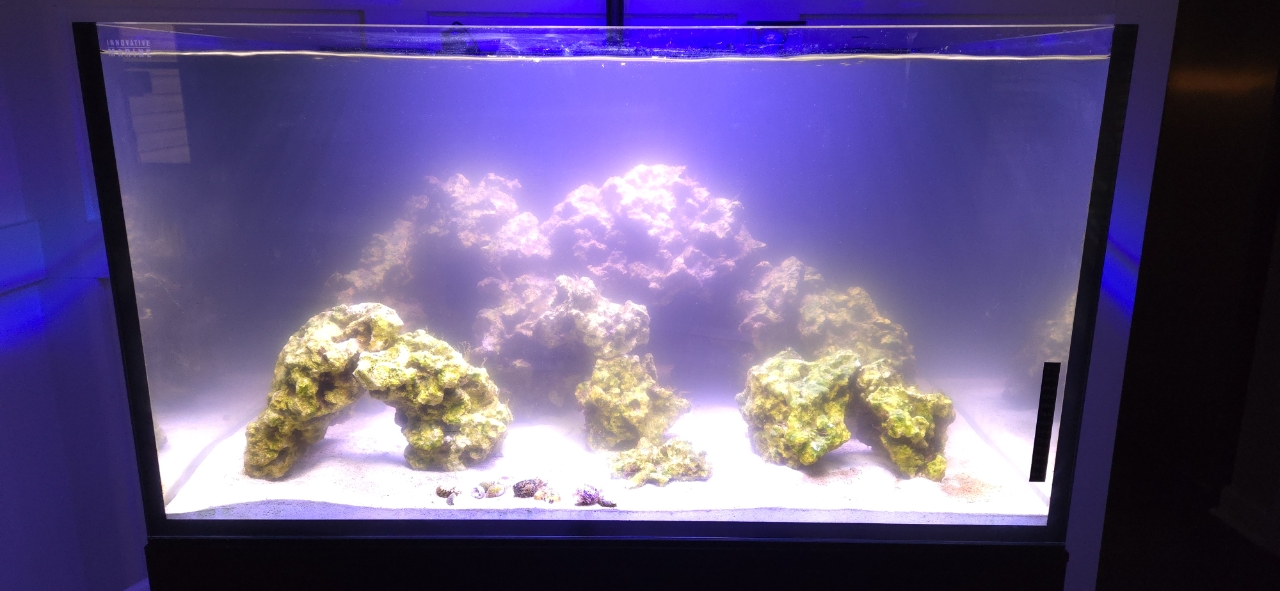
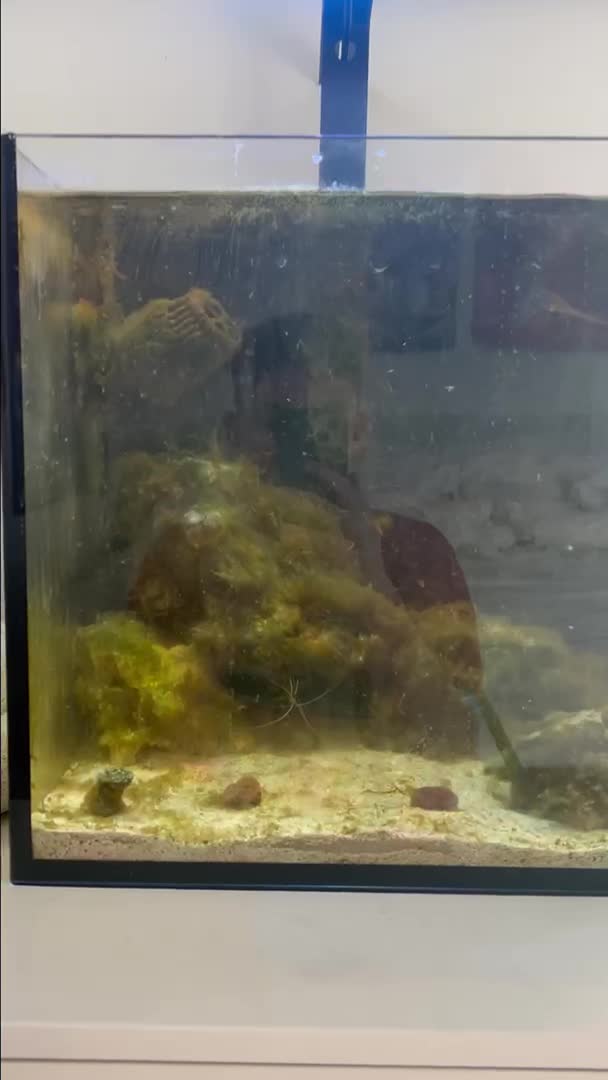
Advice? I’ve been battling what I’ve assumed to be dinoflagellates up until this point for a few weeks. I’ve had them once before but those looked and acted different than what I have now. And those easier to deal with. I just assumed this was a different strand. I should have taken a picture but I’ll add one tonight. I’m starting to think I have something else. They are brown, stringy and clumpy and long/wavy in the waves. But the weird part is that they don’t really have many bubbles and they are ONLY on my rocks. They won’t touch the substrate. I’ve done a 3 day total blackout three times. They look gone or near gone then in about two days come right back. They multiply very fast. They are soft and scrub right off the rocks. Thoughts?
Comments
Sign in to leave a comment
No comments yet
Be the first to start the conversation.
@MalEficent
1y
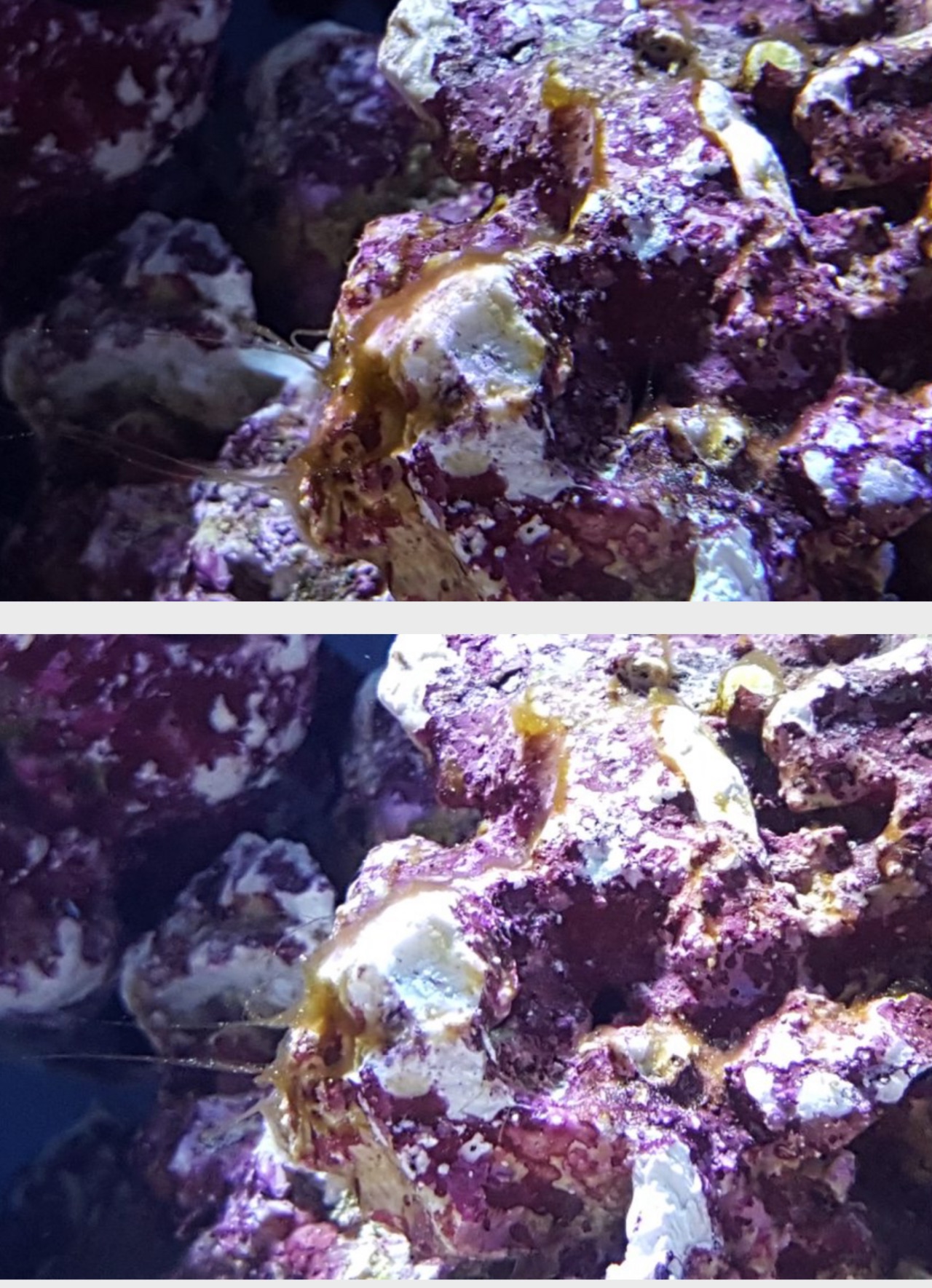
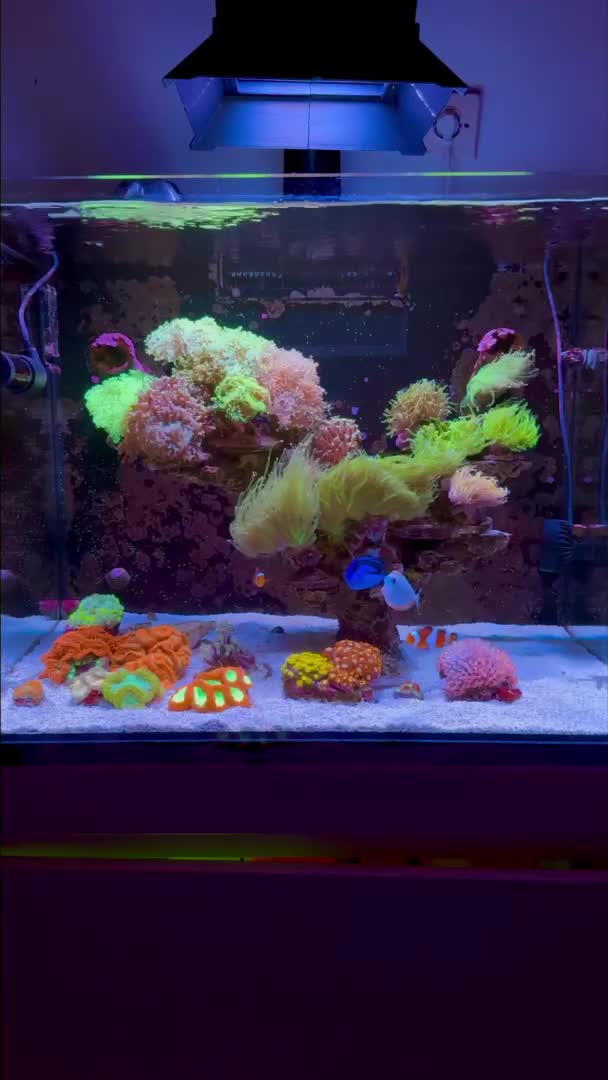
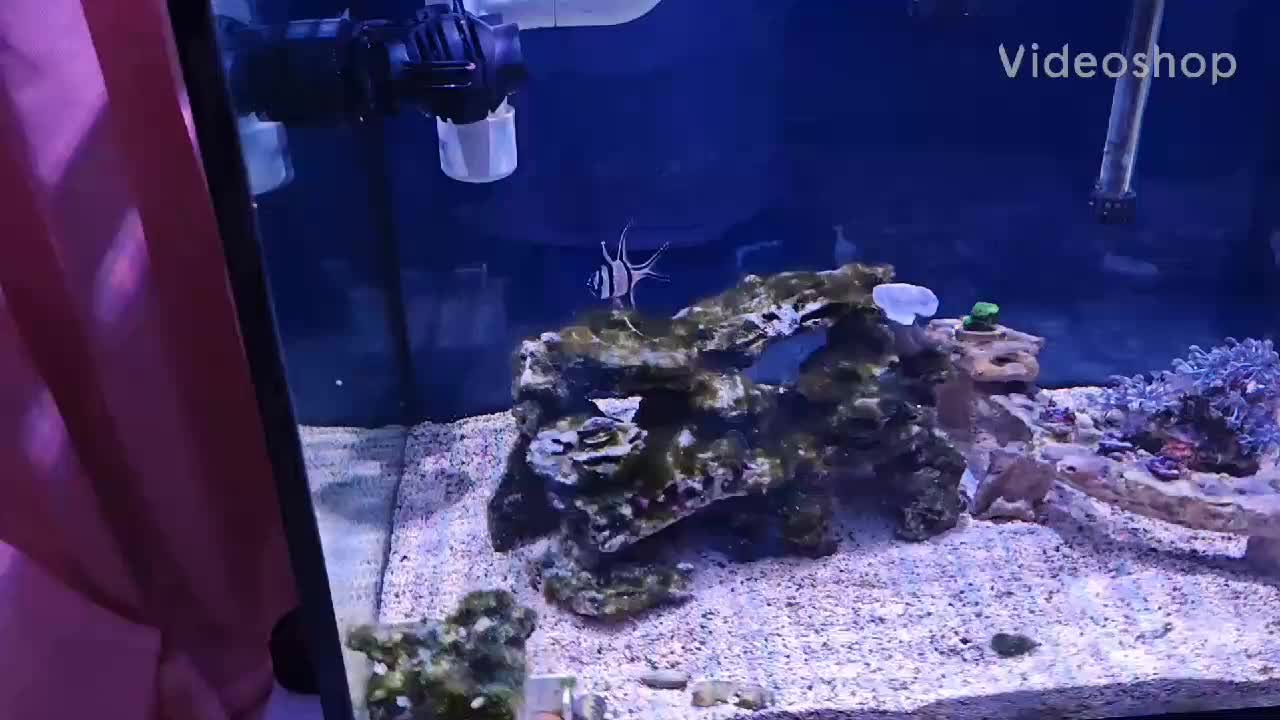
This is NOT my tank but this is the closest picture to what I have. But this thread he has them on his substrate but mine isn’t.
 @BradMac5618
1y
@BradMac5618
1y
Dinos suck so I get it. Myself personally I have a series of steps I take when trying to treat for dinos First is nutrients. Dinos thrive in low nutrient low biodiversity tanks. There's nothing outcompeting them. Step one is raise your Nitrates and Phosphates some to see if the more natural diversity will begin to out compete. Step two is attempt predation and removal. Copepods and amphipods are capable of some species of Dino but not all. Add some and see if it helps. At the same time take a filter sock or pad and siphon the sand or rocks into that mechanical filtration. I clip a sock to the sump so I'm not actually changing the water but I am removing the nasties.
@BradMac5618
1y
If these fail that's when I resort to blackout. 3 day black out is almost never enough to kill or even dent most types of Dino. 1 strain I know lasts longer then 9 days. In extreme cases I have removed corals to a qt tank. Blacked out the display for at least 1 entire week if not 2. Just because they may be visually gone throughout that process doesn't mean they are. Any corals going back into the display will have been dipped 2 - 4 times over the course of the blackout and once again right before returning. This has offered me the highest long term success with not having dinos return within the months following a black out. Key things post treatment. Do not let your nutrients get too low. (My opinion is less then 5 nitrates and less then 0.05 phospate is kind of the danger zone) (opinion in practice not science) And any new addtions to the tank should be dipped. This helps with far more then Dinos but often dinos or flatworms is what starts reefers In the dipping direction. Hope this helps if anyone has other practices or has any issues with my responses let me know.
@MalEficent
1y
Thank you! I have my nitrates and phosphates elevated to try to combat them and I have a fair amount of fish, corals and inverts and a robust population of pods for my mandarin. When I had dinos before, that combined with a blackout got rid of them fairly easily. I might have to go with an extended blackout like you suggested or look into it not being dinos at all. They aren’t on the sand which is weird to me. Not sure what else it could be though.
@BradMac5618
1y
There are some strains that are more comfortable on the rocks but also looking at your stock List you have alot of things turning your sand over which help prevent it settling there
 @Zak50748
1y
@Zak50748
1y
Black outs don’t work. All they do is make them go into hibernation. Everything else he said was on point. The only way true fast way to beat them is to know what species you have. You really need a microscope. Or to borrow from a friend. Because what if it’s not Dino. And even if it is diff species need diff treatments. For instance. Ostreopsis can be handled with a uv light sterilizer pump. Others it won’t help. Moe Kayed from 3d reefing created a UV wand that works on the other species of Dino that doesn’t migrate into water colum. You simply hold the wand an inch above the Dino and it cooks them. A 3rd option is raising your nutrients and dosing bacteria and silicates to spur diatoms to grow and they will outcompete the Dino. The last option is Dino x. The chemical treatment. It works but will often hurt the coral. Usually hurts sps coral more. Soft corals actually fare well with Dino x.

Won against dinos using a UV sterilizer, no water changes, and increased feedings. That allowed my nutrients to go back up and algae to fight back against the dinos
@MalEficent
1y
Been doing that already for a few weeks with no improvement. Whatever it is my blue hermits eat it but it just grows so quickly that they can barely make a dent
Blue hermits shouldn’t be able to eat dinos unless you got the really tiny ones. I recommend those cheap microscopes for kids (200x) I think and u can get an accurate identification for the dinos. From there reef2reef has a whole guide for each one
Normally lots of CUC die cause they eat the toxic dinos. Are you running carbon or no?
Sign in to join the conversation.
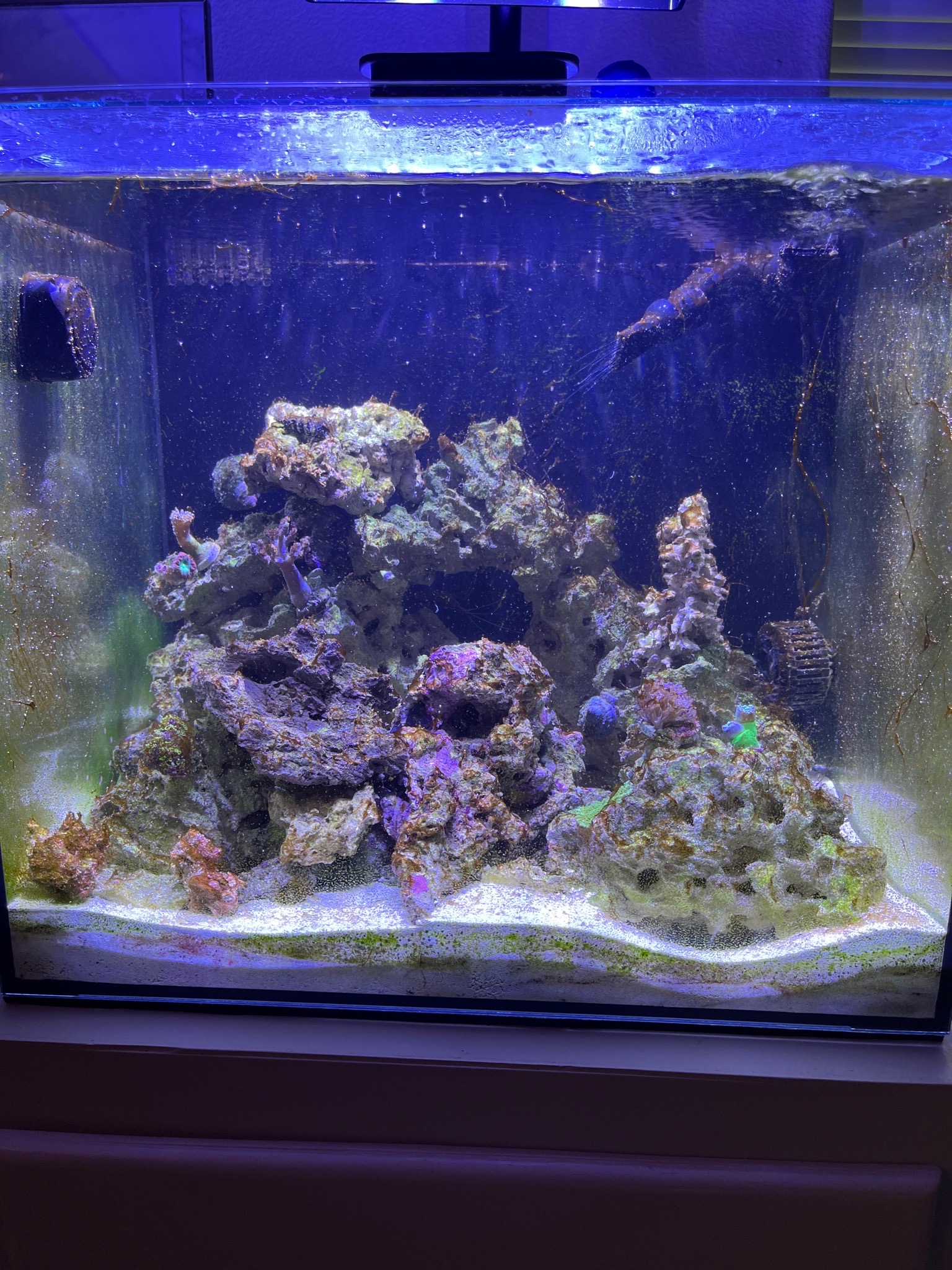
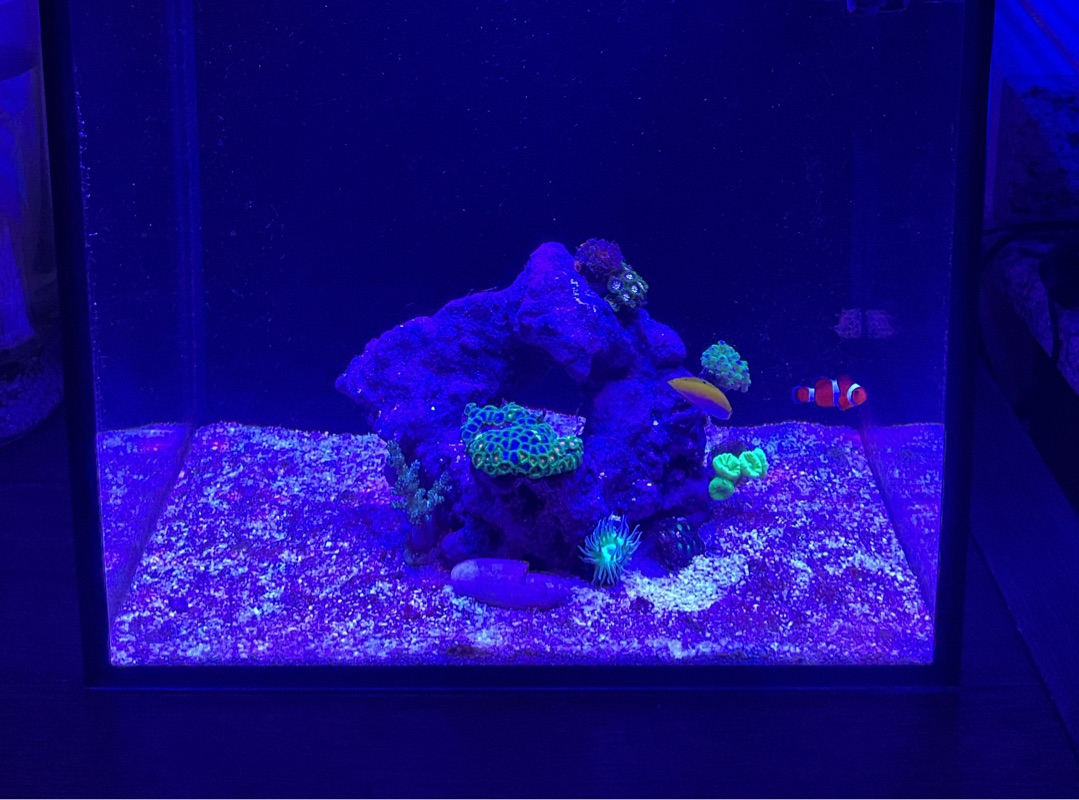



Also, I run UV 24/7 and have been intermittently dosing microbacter 7 and just dosed clean this morning. These brown snot boogies are really getting annoying! Haha