30-Day Saltwater Fish Quarantine Protocol to Prevent Ich and Velvet
A step-by-step 30-day quarantine protocol for new marine fish, including setup, observation, treatment timing, and transfer best practices for reef safety.
Quick answer
A 30-day quarantine protocol starts with a bare-bottom tank, heater, lid, sponge filter, PVC hiding pieces, and an ammonia alert badge, then keeps the fish at 77 to 79F with stable salinity and zero ammonia. Observe appetite, respiration, and behavior daily, control nitrate with water changes, and only transfer once the fish has been stable throughout quarantine.
Quarantining new saltwater fish is the single most reliable way to protect your display reef from parasites like ich and velvet. This guide gives you a practical 30-day protocol that works for beginners and experienced reefers.
Why quarantine matters in every reef tank
Every fish can carry pathogens even when it looks healthy at purchase. A simple quarantine system gives you a safe place to observe behavior, stabilize feeding, and treat preventable issues before the fish enters your display. Practical tip 1: use your ReefBay notes and parameter history to document appetite, respiration, and behavior changes each day so decisions are based on trends, not guesses.
Every fish can carry pathogens even when it looks healthy at purchase. A simple quarantine system gives you a safe place to observe behavior, stabilize feeding, and treat preventable issues before the fish enters your display. Practical tip 2: use your ReefBay notes and parameter history to document appetite, respiration, and behavior changes each day so decisions are based on trends, not guesses.
Every fish can carry pathogens even when it looks healthy at purchase. A simple quarantine system gives you a safe place to observe behavior, stabilize feeding, and treat preventable issues before the fish enters your display. Practical tip 3: use your ReefBay notes and parameter history to document appetite, respiration, and behavior changes each day so decisions are based on trends, not guesses.
Every fish can carry pathogens even when it looks healthy at purchase. A simple quarantine system gives you a safe place to observe behavior, stabilize feeding, and treat preventable issues before the fish enters your display. Practical tip 4: use your ReefBay notes and parameter history to document appetite, respiration, and behavior changes each day so decisions are based on trends, not guesses.
Every fish can carry pathogens even when it looks healthy at purchase. A simple quarantine system gives you a safe place to observe behavior, stabilize feeding, and treat preventable issues before the fish enters your display. Practical tip 5: use your ReefBay notes and parameter history to document appetite, respiration, and behavior changes each day so decisions are based on trends, not guesses.
Every fish can carry pathogens even when it looks healthy at purchase. A simple quarantine system gives you a safe place to observe behavior, stabilize feeding, and treat preventable issues before the fish enters your display. Practical tip 6: use your ReefBay notes and parameter history to document appetite, respiration, and behavior changes each day so decisions are based on trends, not guesses.
QT tank setup checklist
Use a bare-bottom tank, heater, lid, sponge filter, PVC hiding pieces, and a reliable ammonia alert badge. Keep salinity and temperature close to the source water, then match your display over several days. Practical tip 1: use your ReefBay notes and parameter history to document appetite, respiration, and behavior changes each day so decisions are based on trends, not guesses.
Use a bare-bottom tank, heater, lid, sponge filter, PVC hiding pieces, and a reliable ammonia alert badge. Keep salinity and temperature close to the source water, then match your display over several days. Practical tip 2: use your ReefBay notes and parameter history to document appetite, respiration, and behavior changes each day so decisions are based on trends, not guesses.
Use a bare-bottom tank, heater, lid, sponge filter, PVC hiding pieces, and a reliable ammonia alert badge. Keep salinity and temperature close to the source water, then match your display over several days. Practical tip 3: use your ReefBay notes and parameter history to document appetite, respiration, and behavior changes each day so decisions are based on trends, not guesses.
Use a bare-bottom tank, heater, lid, sponge filter, PVC hiding pieces, and a reliable ammonia alert badge. Keep salinity and temperature close to the source water, then match your display over several days. Practical tip 4: use your ReefBay notes and parameter history to document appetite, respiration, and behavior changes each day so decisions are based on trends, not guesses.
Use a bare-bottom tank, heater, lid, sponge filter, PVC hiding pieces, and a reliable ammonia alert badge. Keep salinity and temperature close to the source water, then match your display over several days. Practical tip 5: use your ReefBay notes and parameter history to document appetite, respiration, and behavior changes each day so decisions are based on trends, not guesses.
Use a bare-bottom tank, heater, lid, sponge filter, PVC hiding pieces, and a reliable ammonia alert badge. Keep salinity and temperature close to the source water, then match your display over several days. Practical tip 6: use your ReefBay notes and parameter history to document appetite, respiration, and behavior changes each day so decisions are based on trends, not guesses.
Water quality targets during quarantine
Keep temperature 77 to 79F, salinity stable, ammonia at zero, nitrite near zero, and nitrate controlled with water changes. Stable parameters reduce stress and improve immune response. Practical tip 1: use your ReefBay notes and parameter history to document appetite, respiration, and behavior changes each day so decisions are based on trends, not guesses.
Keep temperature 77 to 79F, salinity stable, ammonia at zero, nitrite near zero, and nitrate controlled with water changes. Stable parameters reduce stress and improve immune response. Practical tip 2: use your ReefBay notes and parameter history to document appetite, respiration, and behavior changes each day so decisions are based on trends, not guesses.
Keep temperature 77 to 79F, salinity stable, ammonia at zero, nitrite near zero, and nitrate controlled with water changes. Stable parameters reduce stress and improve immune response. Practical tip 3: use your ReefBay notes and parameter history to document appetite, respiration, and behavior changes each day so decisions are based on trends, not guesses.
Keep temperature 77 to 79F, salinity stable, ammonia at zero, nitrite near zero, and nitrate controlled with water changes. Stable parameters reduce stress and improve immune response. Practical tip 4: use your ReefBay notes and parameter history to document appetite, respiration, and behavior changes each day so decisions are based on trends, not guesses.
Keep temperature 77 to 79F, salinity stable, ammonia at zero, nitrite near zero, and nitrate controlled with water changes. Stable parameters reduce stress and improve immune response. Practical tip 5: use your ReefBay notes and parameter history to document appetite, respiration, and behavior changes each day so decisions are based on trends, not guesses.
Keep temperature 77 to 79F, salinity stable, ammonia at zero, nitrite near zero, and nitrate controlled with water changes. Stable parameters reduce stress and improve immune response. Practical tip 6: use your ReefBay notes and parameter history to document appetite, respiration, and behavior changes each day so decisions are based on trends, not guesses.
Day 1 to 3: Acclimation and feeding
Prioritize calm acclimation, dim light, and easy foods like frozen mysis or enriched brine. Track appetite and breathing rate. Fish that eat early generally quarantine more successfully. Practical tip 1: use your ReefBay notes and parameter history to document appetite, respiration, and behavior changes each day so decisions are based on trends, not guesses.
Prioritize calm acclimation, dim light, and easy foods like frozen mysis or enriched brine. Track appetite and breathing rate. Fish that eat early generally quarantine more successfully. Practical tip 2: use your ReefBay notes and parameter history to document appetite, respiration, and behavior changes each day so decisions are based on trends, not guesses.
Prioritize calm acclimation, dim light, and easy foods like frozen mysis or enriched brine. Track appetite and breathing rate. Fish that eat early generally quarantine more successfully. Practical tip 3: use your ReefBay notes and parameter history to document appetite, respiration, and behavior changes each day so decisions are based on trends, not guesses.
Prioritize calm acclimation, dim light, and easy foods like frozen mysis or enriched brine. Track appetite and breathing rate. Fish that eat early generally quarantine more successfully. Practical tip 4: use your ReefBay notes and parameter history to document appetite, respiration, and behavior changes each day so decisions are based on trends, not guesses.
Prioritize calm acclimation, dim light, and easy foods like frozen mysis or enriched brine. Track appetite and breathing rate. Fish that eat early generally quarantine more successfully. Practical tip 5: use your ReefBay notes and parameter history to document appetite, respiration, and behavior changes each day so decisions are based on trends, not guesses.
Prioritize calm acclimation, dim light, and easy foods like frozen mysis or enriched brine. Track appetite and breathing rate. Fish that eat early generally quarantine more successfully. Practical tip 6: use your ReefBay notes and parameter history to document appetite, respiration, and behavior changes each day so decisions are based on trends, not guesses.
Day 4 to 14: Observation and early intervention
Look for flashing, spots, frayed fins, excess mucus, heavy breathing, and white film. Isolate symptoms early. If issues appear, start treatment in QT instead of risking your reef display. Practical tip 1: use your ReefBay notes and parameter history to document appetite, respiration, and behavior changes each day so decisions are based on trends, not guesses.
Look for flashing, spots, frayed fins, excess mucus, heavy breathing, and white film. Isolate symptoms early. If issues appear, start treatment in QT instead of risking your reef display. Practical tip 2: use your ReefBay notes and parameter history to document appetite, respiration, and behavior changes each day so decisions are based on trends, not guesses.
Look for flashing, spots, frayed fins, excess mucus, heavy breathing, and white film. Isolate symptoms early. If issues appear, start treatment in QT instead of risking your reef display. Practical tip 3: use your ReefBay notes and parameter history to document appetite, respiration, and behavior changes each day so decisions are based on trends, not guesses.
Look for flashing, spots, frayed fins, excess mucus, heavy breathing, and white film. Isolate symptoms early. If issues appear, start treatment in QT instead of risking your reef display. Practical tip 4: use your ReefBay notes and parameter history to document appetite, respiration, and behavior changes each day so decisions are based on trends, not guesses.
Look for flashing, spots, frayed fins, excess mucus, heavy breathing, and white film. Isolate symptoms early. If issues appear, start treatment in QT instead of risking your reef display. Practical tip 5: use your ReefBay notes and parameter history to document appetite, respiration, and behavior changes each day so decisions are based on trends, not guesses.
Look for flashing, spots, frayed fins, excess mucus, heavy breathing, and white film. Isolate symptoms early. If issues appear, start treatment in QT instead of risking your reef display. Practical tip 6: use your ReefBay notes and parameter history to document appetite, respiration, and behavior changes each day so decisions are based on trends, not guesses.
Day 15 to 24: Proactive disease management
Follow a structured treatment plan when indicated, then monitor for side effects and appetite. Keep oxygen high with extra surface agitation and avoid sudden parameter swings. Practical tip 1: use your ReefBay notes and parameter history to document appetite, respiration, and behavior changes each day so decisions are based on trends, not guesses.
Follow a structured treatment plan when indicated, then monitor for side effects and appetite. Keep oxygen high with extra surface agitation and avoid sudden parameter swings. Practical tip 2: use your ReefBay notes and parameter history to document appetite, respiration, and behavior changes each day so decisions are based on trends, not guesses.
Follow a structured treatment plan when indicated, then monitor for side effects and appetite. Keep oxygen high with extra surface agitation and avoid sudden parameter swings. Practical tip 3: use your ReefBay notes and parameter history to document appetite, respiration, and behavior changes each day so decisions are based on trends, not guesses.
Follow a structured treatment plan when indicated, then monitor for side effects and appetite. Keep oxygen high with extra surface agitation and avoid sudden parameter swings. Practical tip 4: use your ReefBay notes and parameter history to document appetite, respiration, and behavior changes each day so decisions are based on trends, not guesses.
Follow a structured treatment plan when indicated, then monitor for side effects and appetite. Keep oxygen high with extra surface agitation and avoid sudden parameter swings. Practical tip 5: use your ReefBay notes and parameter history to document appetite, respiration, and behavior changes each day so decisions are based on trends, not guesses.
Follow a structured treatment plan when indicated, then monitor for side effects and appetite. Keep oxygen high with extra surface agitation and avoid sudden parameter swings. Practical tip 6: use your ReefBay notes and parameter history to document appetite, respiration, and behavior changes each day so decisions are based on trends, not guesses.
Day 25 to 30: Final stabilization before transfer
Ensure fish are active, eating consistently, and symptom-free. Match salinity and temperature to display tank over 48 to 72 hours to reduce transfer stress. Practical tip 1: use your ReefBay notes and parameter history to document appetite, respiration, and behavior changes each day so decisions are based on trends, not guesses.
Ensure fish are active, eating consistently, and symptom-free. Match salinity and temperature to display tank over 48 to 72 hours to reduce transfer stress. Practical tip 2: use your ReefBay notes and parameter history to document appetite, respiration, and behavior changes each day so decisions are based on trends, not guesses.
Ensure fish are active, eating consistently, and symptom-free. Match salinity and temperature to display tank over 48 to 72 hours to reduce transfer stress. Practical tip 3: use your ReefBay notes and parameter history to document appetite, respiration, and behavior changes each day so decisions are based on trends, not guesses.
Ensure fish are active, eating consistently, and symptom-free. Match salinity and temperature to display tank over 48 to 72 hours to reduce transfer stress. Practical tip 4: use your ReefBay notes and parameter history to document appetite, respiration, and behavior changes each day so decisions are based on trends, not guesses.
Ensure fish are active, eating consistently, and symptom-free. Match salinity and temperature to display tank over 48 to 72 hours to reduce transfer stress. Practical tip 5: use your ReefBay notes and parameter history to document appetite, respiration, and behavior changes each day so decisions are based on trends, not guesses.
Ensure fish are active, eating consistently, and symptom-free. Match salinity and temperature to display tank over 48 to 72 hours to reduce transfer stress. Practical tip 6: use your ReefBay notes and parameter history to document appetite, respiration, and behavior changes each day so decisions are based on trends, not guesses.
Internal links that help you build a better reef
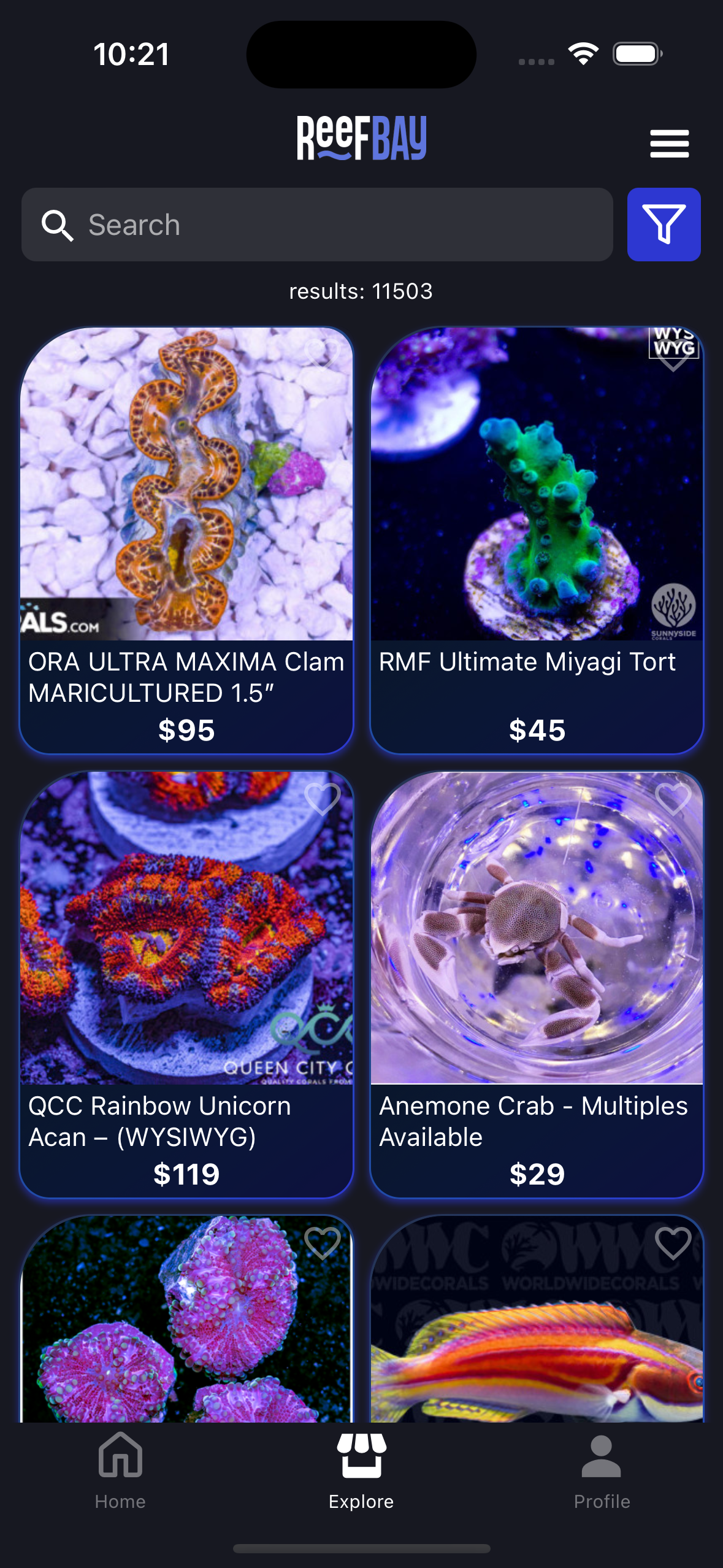
When planning stocking, browse available fish and cleanup crew options in the ReefBay marketplace. You can compare sources, read descriptions, and shop with confidence. Practical tip 1: use your ReefBay notes and parameter history to document appetite, respiration, and behavior changes each day so decisions are based on trends, not guesses.
When planning stocking, browse available fish and cleanup crew options in the ReefBay marketplace. You can compare sources, read descriptions, and shop with confidence. Practical tip 2: use your ReefBay notes and parameter history to document appetite, respiration, and behavior changes each day so decisions are based on trends, not guesses.
When planning stocking, browse available fish and cleanup crew options in the ReefBay marketplace. You can compare sources, read descriptions, and shop with confidence. Practical tip 3: use your ReefBay notes and parameter history to document appetite, respiration, and behavior changes each day so decisions are based on trends, not guesses.
When planning stocking, browse available fish and cleanup crew options in the ReefBay marketplace. You can compare sources, read descriptions, and shop with confidence. Practical tip 4: use your ReefBay notes and parameter history to document appetite, respiration, and behavior changes each day so decisions are based on trends, not guesses.
When planning stocking, browse available fish and cleanup crew options in the ReefBay marketplace. You can compare sources, read descriptions, and shop with confidence. Practical tip 5: use your ReefBay notes and parameter history to document appetite, respiration, and behavior changes each day so decisions are based on trends, not guesses.
When planning stocking, browse available fish and cleanup crew options in the ReefBay marketplace. You can compare sources, read descriptions, and shop with confidence. Practical tip 6: use your ReefBay notes and parameter history to document appetite, respiration, and behavior changes each day so decisions are based on trends, not guesses.
Common quarantine mistakes to avoid
Overcrowding QT tanks, skipping test kits, overfeeding, and rushing transfers are the most common causes of failure. Slow, consistent process beats shortcuts every time. Practical tip 1: use your ReefBay notes and parameter history to document appetite, respiration, and behavior changes each day so decisions are based on trends, not guesses.
Overcrowding QT tanks, skipping test kits, overfeeding, and rushing transfers are the most common causes of failure. Slow, consistent process beats shortcuts every time. Practical tip 2: use your ReefBay notes and parameter history to document appetite, respiration, and behavior changes each day so decisions are based on trends, not guesses.
Overcrowding QT tanks, skipping test kits, overfeeding, and rushing transfers are the most common causes of failure. Slow, consistent process beats shortcuts every time. Practical tip 3: use your ReefBay notes and parameter history to document appetite, respiration, and behavior changes each day so decisions are based on trends, not guesses.
Overcrowding QT tanks, skipping test kits, overfeeding, and rushing transfers are the most common causes of failure. Slow, consistent process beats shortcuts every time. Practical tip 4: use your ReefBay notes and parameter history to document appetite, respiration, and behavior changes each day so decisions are based on trends, not guesses.
Overcrowding QT tanks, skipping test kits, overfeeding, and rushing transfers are the most common causes of failure. Slow, consistent process beats shortcuts every time. Practical tip 5: use your ReefBay notes and parameter history to document appetite, respiration, and behavior changes each day so decisions are based on trends, not guesses.
Overcrowding QT tanks, skipping test kits, overfeeding, and rushing transfers are the most common causes of failure. Slow, consistent process beats shortcuts every time. Practical tip 6: use your ReefBay notes and parameter history to document appetite, respiration, and behavior changes each day so decisions are based on trends, not guesses.
What to do after quarantine
Add fish with lights dimmed, observe social behavior, and feed lightly at first. Keep a simple log for the first week in display to catch stress signs early. Practical tip 1: use your ReefBay notes and parameter history to document appetite, respiration, and behavior changes each day so decisions are based on trends, not guesses.
Add fish with lights dimmed, observe social behavior, and feed lightly at first. Keep a simple log for the first week in display to catch stress signs early. Practical tip 2: use your ReefBay notes and parameter history to document appetite, respiration, and behavior changes each day so decisions are based on trends, not guesses.
Add fish with lights dimmed, observe social behavior, and feed lightly at first. Keep a simple log for the first week in display to catch stress signs early. Practical tip 3: use your ReefBay notes and parameter history to document appetite, respiration, and behavior changes each day so decisions are based on trends, not guesses.
Add fish with lights dimmed, observe social behavior, and feed lightly at first. Keep a simple log for the first week in display to catch stress signs early. Practical tip 4: use your ReefBay notes and parameter history to document appetite, respiration, and behavior changes each day so decisions are based on trends, not guesses.
Add fish with lights dimmed, observe social behavior, and feed lightly at first. Keep a simple log for the first week in display to catch stress signs early. Practical tip 5: use your ReefBay notes and parameter history to document appetite, respiration, and behavior changes each day so decisions are based on trends, not guesses.
Add fish with lights dimmed, observe social behavior, and feed lightly at first. Keep a simple log for the first week in display to catch stress signs early. Practical tip 6: use your ReefBay notes and parameter history to document appetite, respiration, and behavior changes each day so decisions are based on trends, not guesses.
Helpful resources for your next steps
- Browse clownfish in the marketplace
- Browse gobies for peaceful community tanks
- Download the ReefBay app to track quarantine observations
If you want fewer losses and fewer disease surprises, quarantine every fish. A consistent 30-day workflow protects your livestock investment and makes your reef more stable long-term. Browse the shop for healthy additions and use the app to keep your protocol repeatable.