Midas Blenny Care Guide: Tank Size, Diet, Midwater Behavior & Jump Risk
Learn Midas Blenny (Ecsenius midas) care: 30+ gallon setups, midwater swimming habits, omnivore diet, jump-proof lids, reef-safe-with-caution notes, solitary stocking, and what to check before you buy on ReefBay.
Quick answer
The Midas Blenny is a 5-inch, generally peaceful reef fish that does best in a mature 30+ gallon tank with caves, open midwater swim space, and a tight lid. Feed an omnivore mix of mysis, enriched brine, small pellets, nori, and similar foods 2 to 3 times daily, and keep only one in most home tanks.
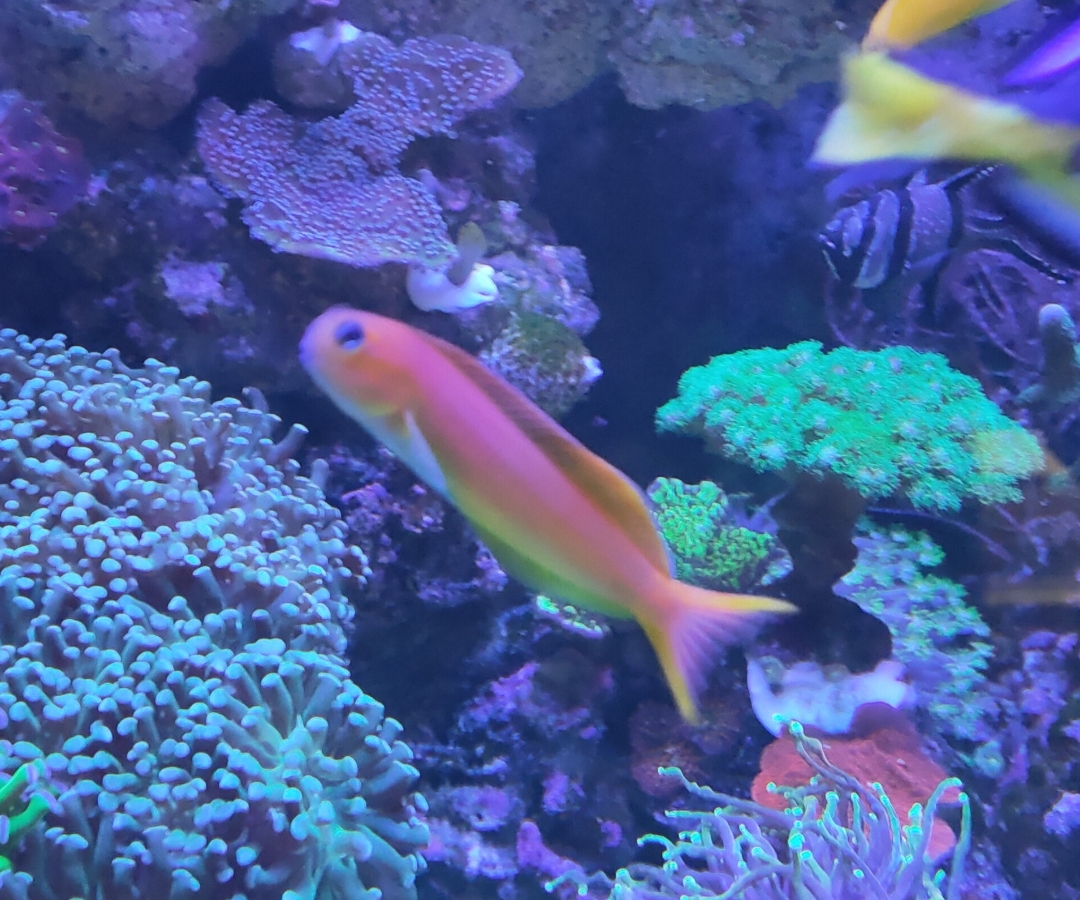
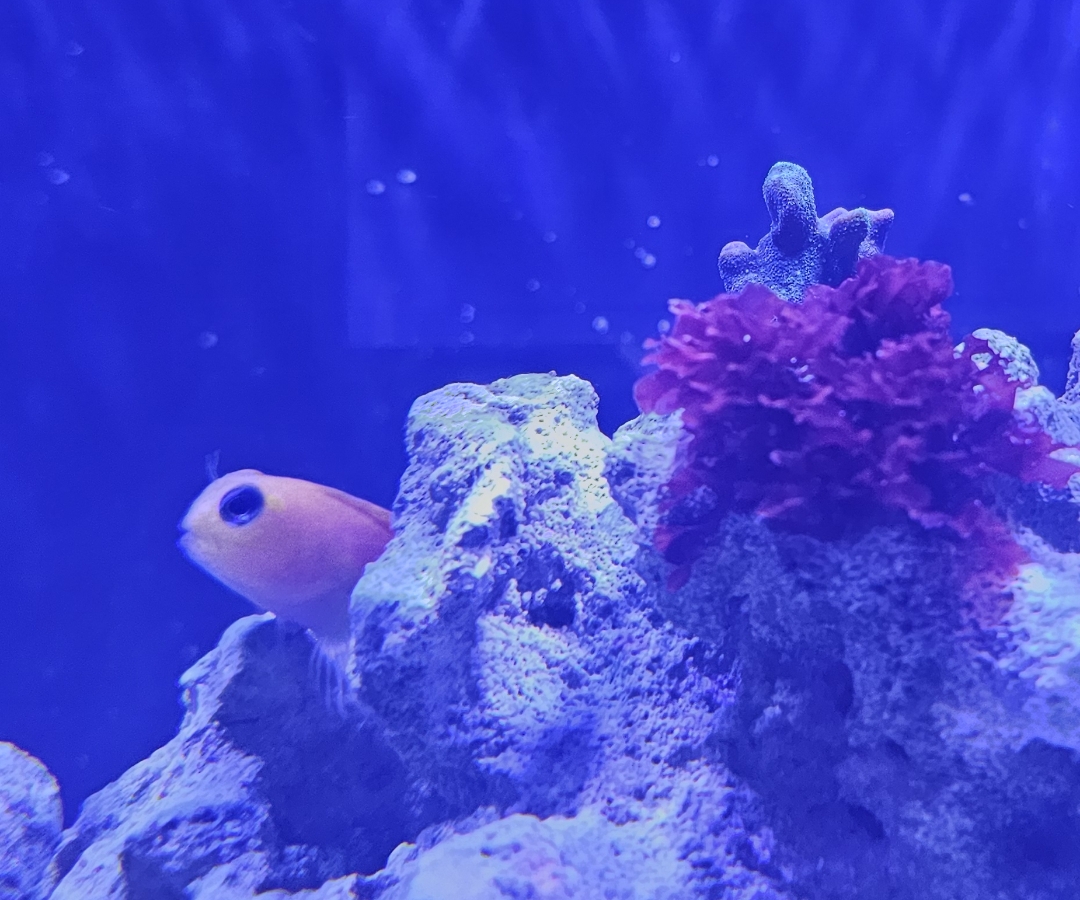
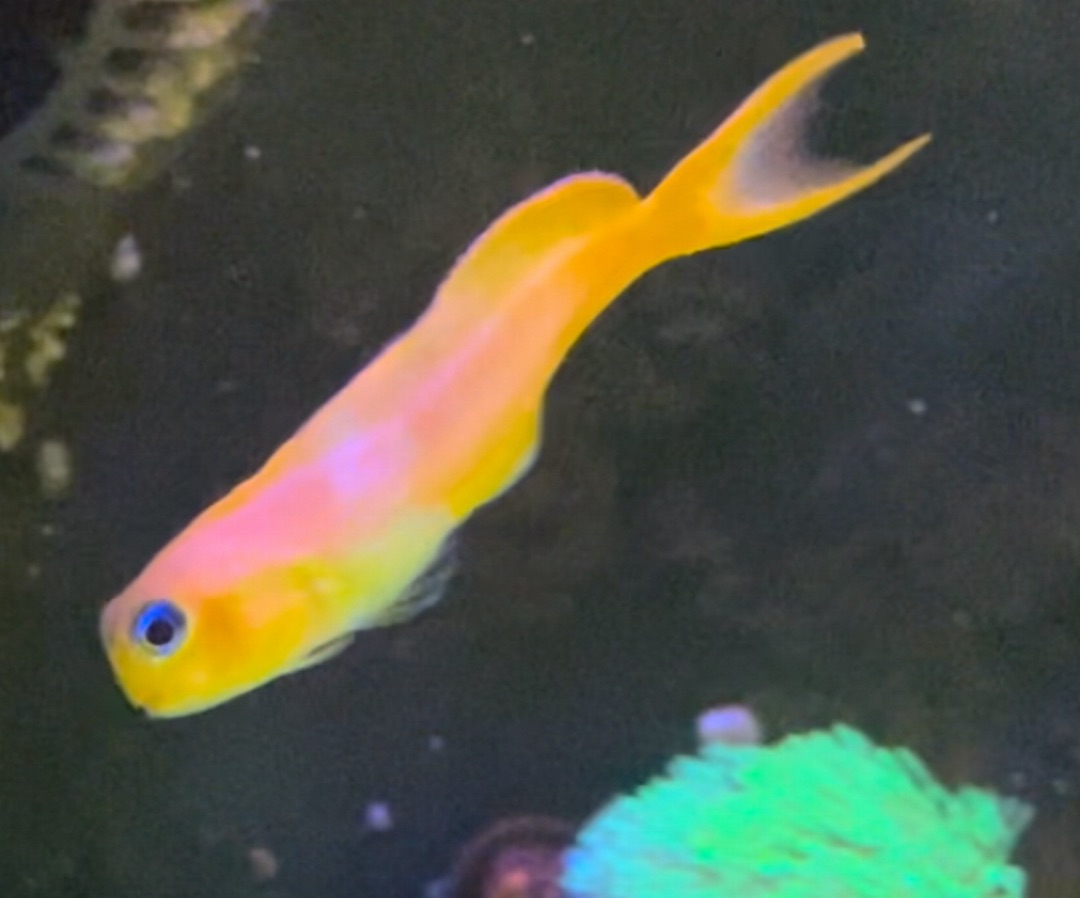
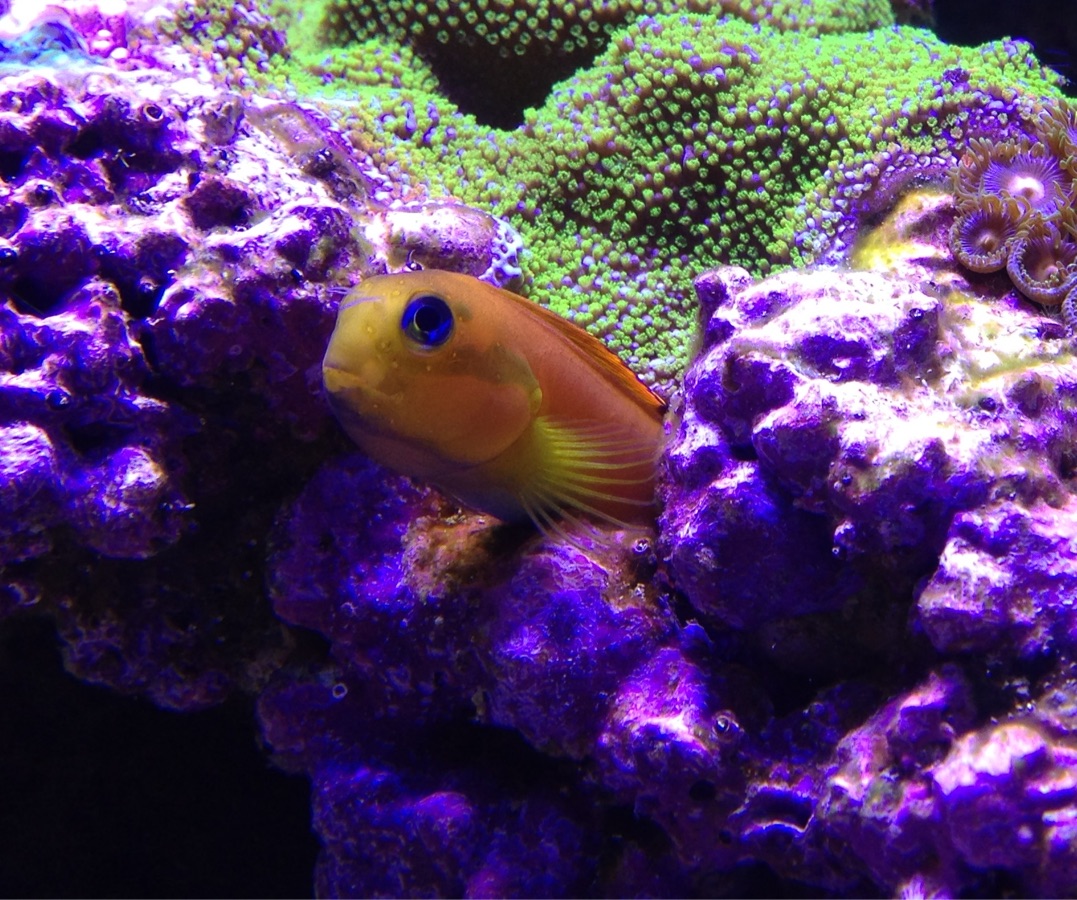
The Midas Blenny (Ecsenius midas) is a bright golden combtooth blenny that spends more time in the water column than most of its rock-perching cousins. Adults show a rich yellow-gold body, darker facial tones, and a flowing lyretail that flashes as they cruise midwater—behavior that often gets them compared to small anthias. They reach about 5 inches, stay reef-oriented with a few soft-coral caveats, and are a favorite “personality fish” for mixed reefs that already have mature live rock.
This guide covers tank size, diet, midwater swimming habits, jump risk, stocking tips, and what to verify before you buy on ReefBay.

Quick care snapshot
- Scientific name: Ecsenius midas
- Also called: Lyretail Blenny, Golden Blenny, Midas Lyretail Blenny
- Category: Blenny
- Origin: Indo-Pacific (Red Sea and East Africa through the Central Pacific)
- Care level: moderate
- Temperament: generally peaceful with dissimilar fish; can be semi-aggressive toward other blennies and look-alikes
- Reef-safe: yes with caution (occasional nipping of SPS/soft polyps reported when hungry)
- Suggested tank: mature 30+ gallons
- Max size: about 5 inches
- Social: solitary in most home tanks
- Diet: omnivore — zooplankton, mysis, enriched brine, small pellets, plus some algae/nori
- Jump risk: yes — use a tight lid
Tank size, aquascape, and jump risk
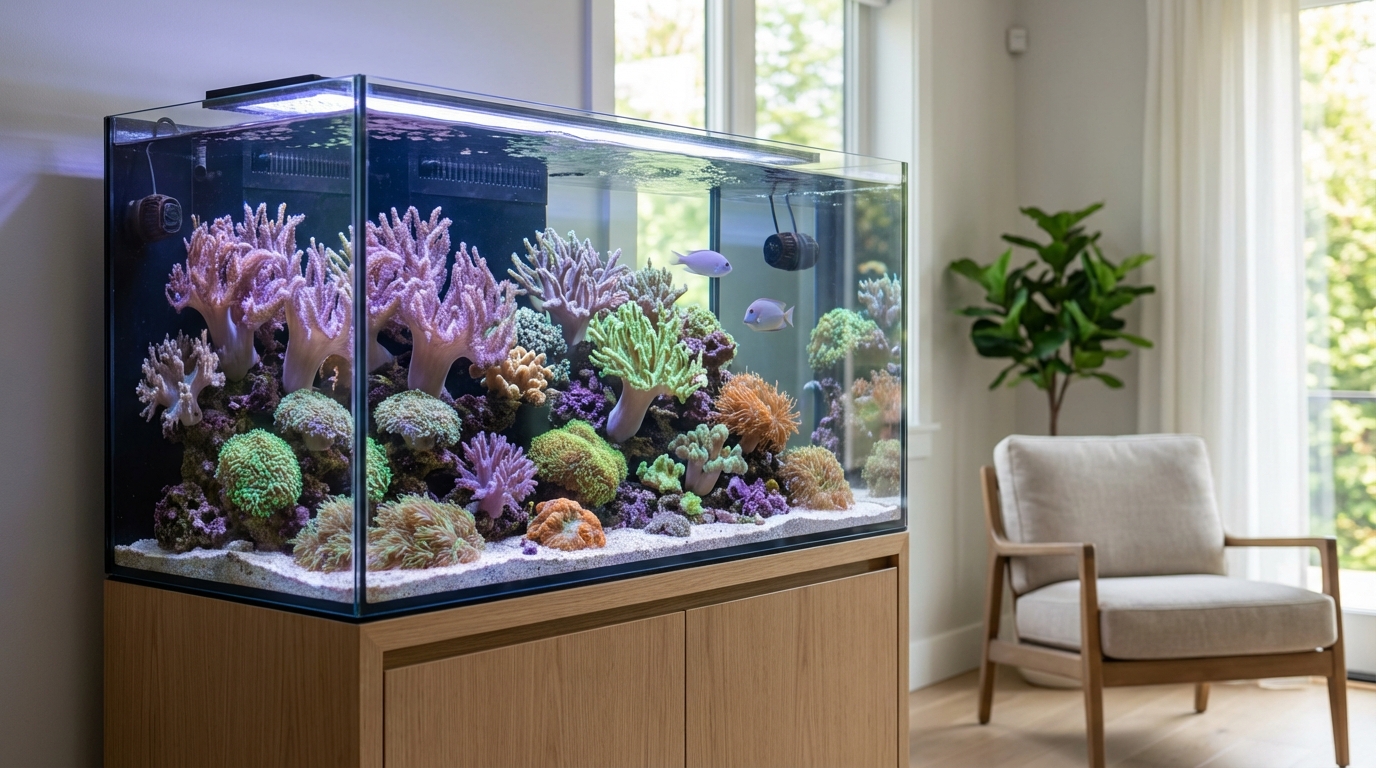
Plan for a mature 30+ gallon system with open swim lanes and plenty of live-rock caves. Unlike lawnmower-type blennies that rarely leave the rock face, Midas Blennies hover and dart through midwater, then retreat to a preferred crevice at night or when startled.
- Build caves and ledges so the fish can claim a “home rock”
- Leave clear swimming space in the middle third of the tank; heavy top-to-bottom rockwork frustrates their cruise pattern
- Jump risk is real — blennies launch through open tops and overflow gaps; use a full canopy or tight mesh lid
- Add them after the tank is cycled and microfauna is present, not into a sterile new setup
In nanos under 30 gallons, a single specimen can work if flow is moderate and tankmates are peaceful. Larger tanks give more midwater room and reduce territorial friction.
Diet and feeding schedule
Midas Blennies are omnivores that do best on a meaty, frequent feed with some plant matter: mysis, enriched brine, copepod-style foods, small pellets, and occasional nori. Midwater swimmers need food that reaches them before faster wrasses and anthias steal every bite.
- Offer small portions 2–3 times daily rather than one heavy feed
- Target midwater with a feeding stick or slow-sinking frozen foods
- Keep a nori clip in rotation so grazing supplements plankton feeding
- If tankmates are fast (wrasses, chromis), feed in two spots so the blenny gets a share
Thin fish, faded gold color, or sudden polyp nipping usually mean food competition or not enough feed frequency—not “mystery disease” first.
Compatibility and stocking tips
Midas Blennies are usually peaceful with dissimilar fish and reef-safe with corals when well fed. Friction is most common with other Ecsenius blennies, look-alike combtooths, and sometimes small hawkfish that share the same rock ledges.
- Good neighbors: clownfish, firefish, gobies, chromis, peaceful wrasses, most LPS/soft coral tanks
- Watch closely: other blennies in small tanks; very aggressive dottybacks; tiny ornamental shrimp
- Stocking order: add the Midas before more assertive midwater fish when possible, or feed heavily during introduction
- Quarantine: still QT new fish—peaceful does not mean disease-proof
Buying checklist on ReefBay
When you are ready to buy, cross-check marketplace listings against the care targets above and ask sellers for recent feeding and swimming video.
- Confirm the fish is eating frozen or prepared foods, not only “picking at rock”
- Look for full midsection, clear eyes, and an intact lyretail—no clamped fins or rapid breathing
- Ask about quarantine history and whether the specimen has been housed with other blennies
- Prefer captive-bred or tank-raised labels when available; still QT either way
Key takeaways
- Mature 30+ gallons, caves plus open midwater swim space, and a tight lid
- Feed an omnivore mix 2–3 times daily; do not rely on rock picking alone
- Keep one per typical home tank; watch other blennies and food competition
- Reef-safe with caution—well-fed fish are far less likely to bother polyps
- Shop ReefBay listings with feeding video, QT notes, and body condition in mind