The Complete Guide to Stocking Order for New Reef Tanks
Wondering what order to add fish to your new reef tank? This guide covers the ideal stocking sequence, timing between additions, and which fish to add first for a peaceful, thriving reef.
Quick answer
For a new reef tank, add inverts first, then small peaceful fish like clownfish, firefish, royal gramma, or tailspot blenny, followed by gobies, cardinalfish, and chromis, with semi-aggressive species later and tangs or other aggressive fish last. Wait at least 2 weeks between additions and only start after the nitrogen cycle is complete.
One of the most common mistakes new reefers make is adding fish in the wrong order—or adding too many too fast. The result? Aggression, territorial disputes, and stress that can lead to disease outbreaks. Getting your stocking order right from the start sets the foundation for a peaceful, thriving reef tank.
Why Stocking Order Matters
Fish establish territories when they arrive in your tank. Add a docile fish after an aggressive one, and the newcomer may be bullied relentlessly. Add territorial fish last, and they won't have a chance to claim the entire tank as their domain.
Beyond behavior, stocking order also affects your tank's biological capacity. Adding too many fish too quickly can overwhelm your biological filtration, leading to ammonia spikes and potential fish loss.
The Ideal Stocking Timeline
Week 1-2: Complete the Nitrogen Cycle
Before any fish, make sure your tank has completed the nitrogen cycle. You should see ammonia and nitrite at 0 ppm before adding any livestock.
Week 3-4: Clean-Up Crew First
Your first additions should be invertebrates, not fish. A good clean-up crew establishes the foundation:
These invertebrates help control algae and clean up detritus, preparing the tank for fish.
Week 5-6: First Fish – Small and Peaceful
Start with small, peaceful, hardy fish that won't claim large territories:
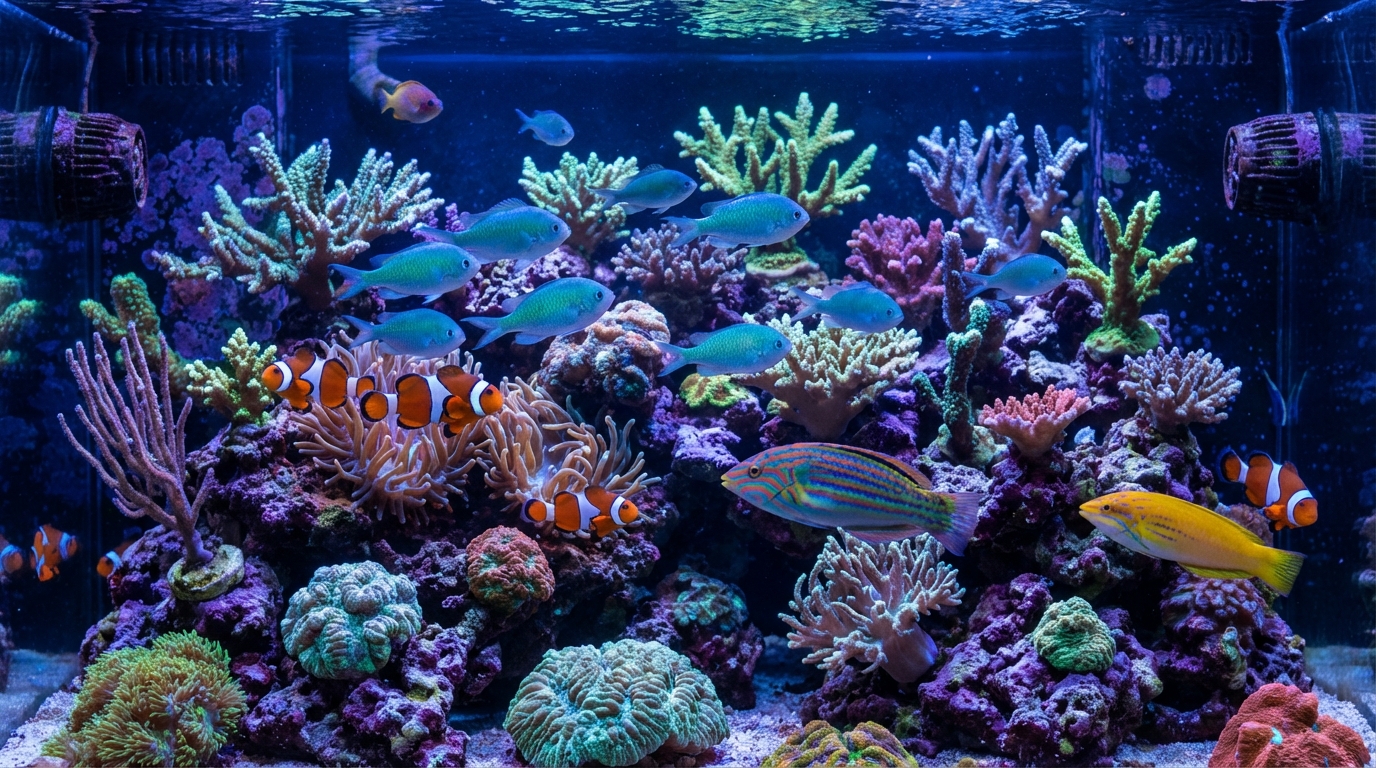
- Clownfish – Hardy, reef-safe, and available captive-bred
- Firefish – Beautiful and peaceful, great starter fish
- Royal Gramma – Colorful and generally docile
- Tailspot Blenny – Personality plus, algae eater
Week 8-10: Second Wave
After your first fish are settled (at least 2 weeks), add your next fish:
- Small wrasses – Six-line, flasher wrasses
- Gobies – Watchman goby, diamond goby
- Cardinalfish – Peaceful schoolers
- Chromis – Active swimmers that school
Week 12+: Semi-Aggressive and Territorial Fish
Once your tank is established and peaceful fish have claimed their spots, add more territorial species:
- Dwarf angels – Flame, coral beauty (with caution around corals)
- Larger wrasses – Fairy wrasses, leopard wrasses
- Dottybacks – Beautiful but feisty
Last: The Most Aggressive Fish
If you're adding any aggressive species, they go in last:
- Tangs – Yellow tang, hippo tang (need larger tanks)
- Triggerfish – Only in fish-only or FOWLR tanks
- Large angels – For experienced keepers with big tanks
The Two-Week Rule
A good rule of thumb: wait at least 2 weeks between fish additions. This allows:
- New fish to establish territory
- Biological filtration to catch up
- You to observe for any disease
- Stress levels to return to baseline
Fish to Add First (Best Starters)
These species are ideal first fish for new reef tanks:
| Fish | Why First? | Notes |
|---|---|---|
| Clownfish | Hardy, peaceful, small territory | Captive-bred recommended |
| Firefish | Extremely peaceful, stays near cover | May jump—need tight lid |
| Royal Gramma | Colorful, stays near caves | Territorial with same species |
| Tailspot Blenny | Personality, algae control | May nip at SPS in some cases |
| Chromis | Active schoolers, peaceful | Add in odd numbers (3, 5) |
Fish to Add Last (Or Avoid in Small Tanks)
These species should be added after your tank is fully established:
- Tangs – Territorial, need swimming room, can bully newcomers
- Dwarf Angels – May nip corals, territorial
- Dottybacks – Beautiful but can terrorize tank
- Hawkfish – May eat small shrimp and crabs
When to Add Corals
Many reefers wonder about coral timing. Here's a general guide:
- Soft corals – Can add after cycle is complete and parameters are stable (4-6 weeks)
- LPS corals – Best to wait until tank is 2-3 months old
- SPS corals – Wait at least 6 months for stable, mature systems
Browse corals for sale when you're ready to add to your tank.
Signs You're Stocking Too Fast
Watch for these warning signs:
- Ammonia or nitrite readings above 0
- Fish gasping at the surface
- Increased aggression between fish
- Fish hiding constantly
- Loss of appetite
- Disease outbreaks
Track Your Tank's Progress
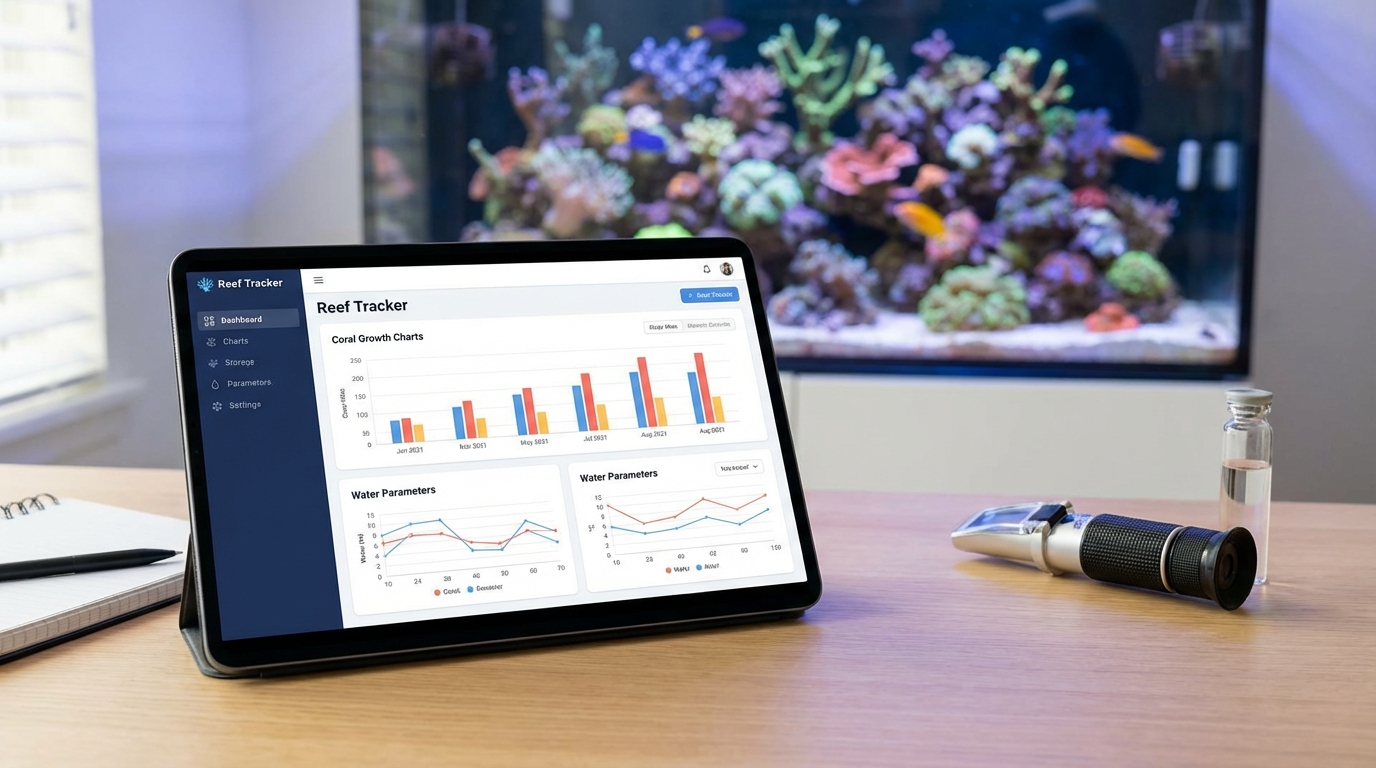
Use the ReefBay app to log each fish addition, track water parameters, and monitor your tank's development over time. Keeping records helps you spot patterns and make better stocking decisions.
Conclusion
Patience is the key to successful reef stocking. Start with hardy, peaceful fish, wait between additions, and save territorial species for last. Your reward will be a peaceful, thriving reef tank where every fish has its place.
Ready to start stocking? Browse our marketplace for reef-safe fish from trusted sellers, and find the perfect additions for your tank.