Tomini Tang Care Guide: Tank Size, Diet, Reef Safety & Tankmates
Tomini Tang care made simple: the right tank size, what to feed this algae grazer, which tankmates get along, and how to pick a healthy fish to buy.
The Tomini Tang (Ctenochaetus tominiensis) is a small, peaceful-for-a-tang algae grazer with bright yellow-tipped fins. It is one of the best tang choices for mid-size reef tanks.
Quick facts
- Tank size: 70 gallons or more (75+ is better)
- Adult size: about 6 inches
- Diet: herbivore; film algae, nori, and herbivore pellets or frozen foods
- Reef safe: yes; leaves corals, shrimp, and snails alone
- Difficulty: moderate
- Temperament: semi-aggressive toward other tangs, calm with most fish
What makes it special
It is also called the Bristletooth, Flame Fin, or Combtooth Tang. Its body is tan to dark brown, with gold flecks near the eye, yellow-edged fins, and a pale blue-white tail.
Its comb-like teeth scrape the thin film of algae and detritus off rocks and glass. That makes it a helpful, all-day cleaner that keeps rocks looking fresh.

Tank setup
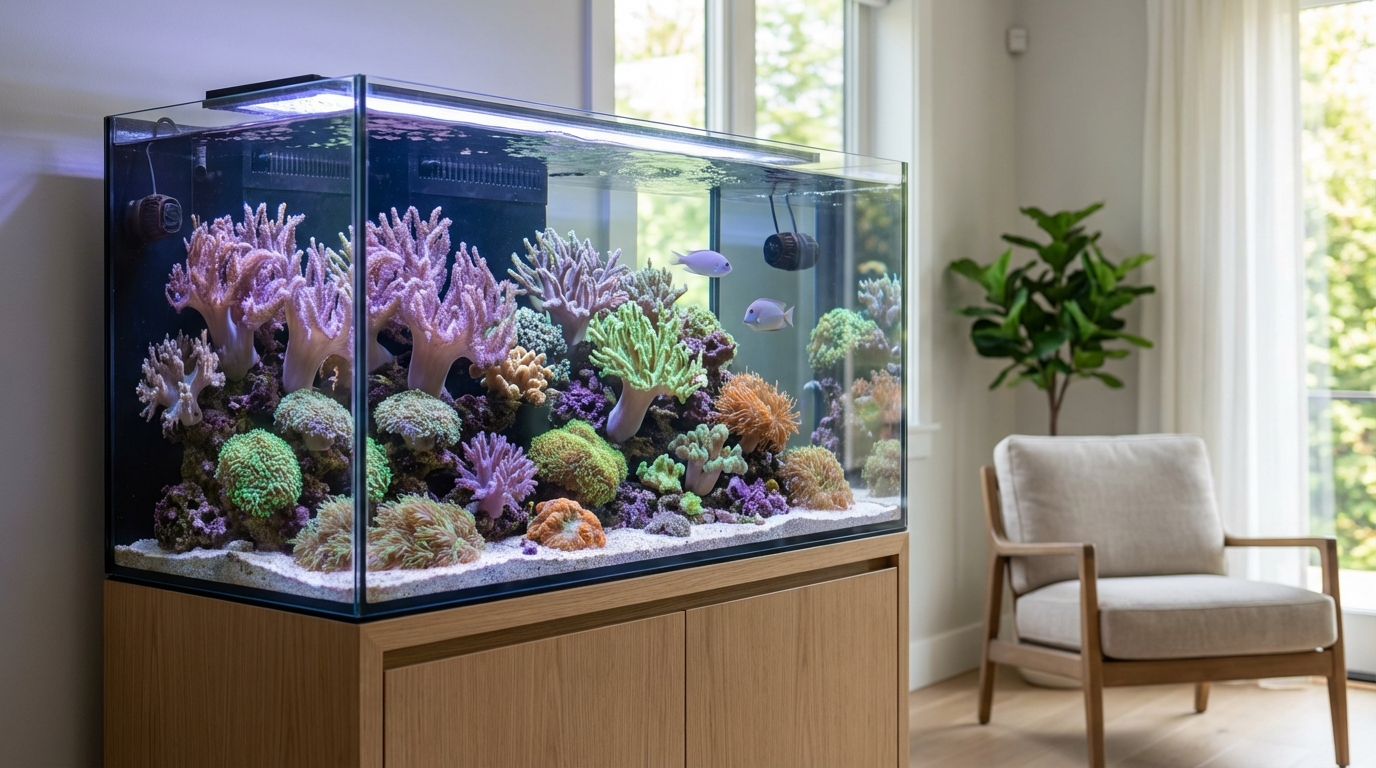
Tomini Tangs stay smaller than most tangs, but they still like to swim. Give them open water and plenty of rock to graze.
- Size: 70 gallons minimum; a 4-foot tank is ideal
- Rock: mature live rock with natural film algae
- Flow: moderate to strong, with good oxygen
- Lid: use a mesh lid; tangs can jump when scared
- Water: 75-80°F, salinity 1.025-1.026, stable nitrate and phosphate
Add it to a tank that has run for at least 6 months. A brand new tank has little for it to graze.
Feeding
This fish needs to graze all day, so feed small amounts often. A hungry tang loses color and gets sick more easily.
- Clip dried seaweed (nori) to the glass daily
- Offer herbivore pellets or flakes 2-3 times a day
- Add frozen mysis or brine shrimp a few times a week
- Soak food in a vitamin supplement now and then
Watch the belly. A rounded belly means it is eating well; a pinched belly means it needs more food.
Tankmates
Tomini Tangs get along with most peaceful and semi-aggressive reef fish. The main fights happen with other tangs, especially ones with a similar shape.
- Good mates: clownfish, gobies, blennies, chromis, cardinalfish, small wrasses
- Use care: other bristletooth tangs like Kole or Chevron Tangs
- Avoid: big, bullying tangs in small tanks
If you want more than one tang, add them at the same time in a large tank. This spreads out the aggression.

Health tips
Like all tangs, this fish can catch ich (white spot) and other parasites. Quarantine is the best way to avoid trouble.
- Quarantine new fish for 4-6 weeks before adding them
- Keep the water stable; sudden swings cause stress
- Look for white dots, fast breathing, or hiding all day
Buying a healthy Tomini Tang
Pick a fish that swims openly and picks at rocks. Ask the seller to show it eating before you buy.
- Clear eyes and clean fins with no red marks
- Full belly, not hollow behind the head
- Bright yellow fin edges and even body color
- Smaller juveniles adjust to new tanks faster
- Ask how long the store has had it; a week or more is a good sign
FAQs
Is the Tomini Tang reef safe?
Yes. It grazes algae and ignores corals, clams, and cleanup crew animals.
Can a Tomini Tang live in a 40-gallon tank?
No. It needs about 70 gallons or more to swim and stay calm as an adult.
Will a Tomini Tang eat hair algae?
Not much. It prefers thin film algae and detritus, so it will not clear a heavy hair algae outbreak.
Find your next tang
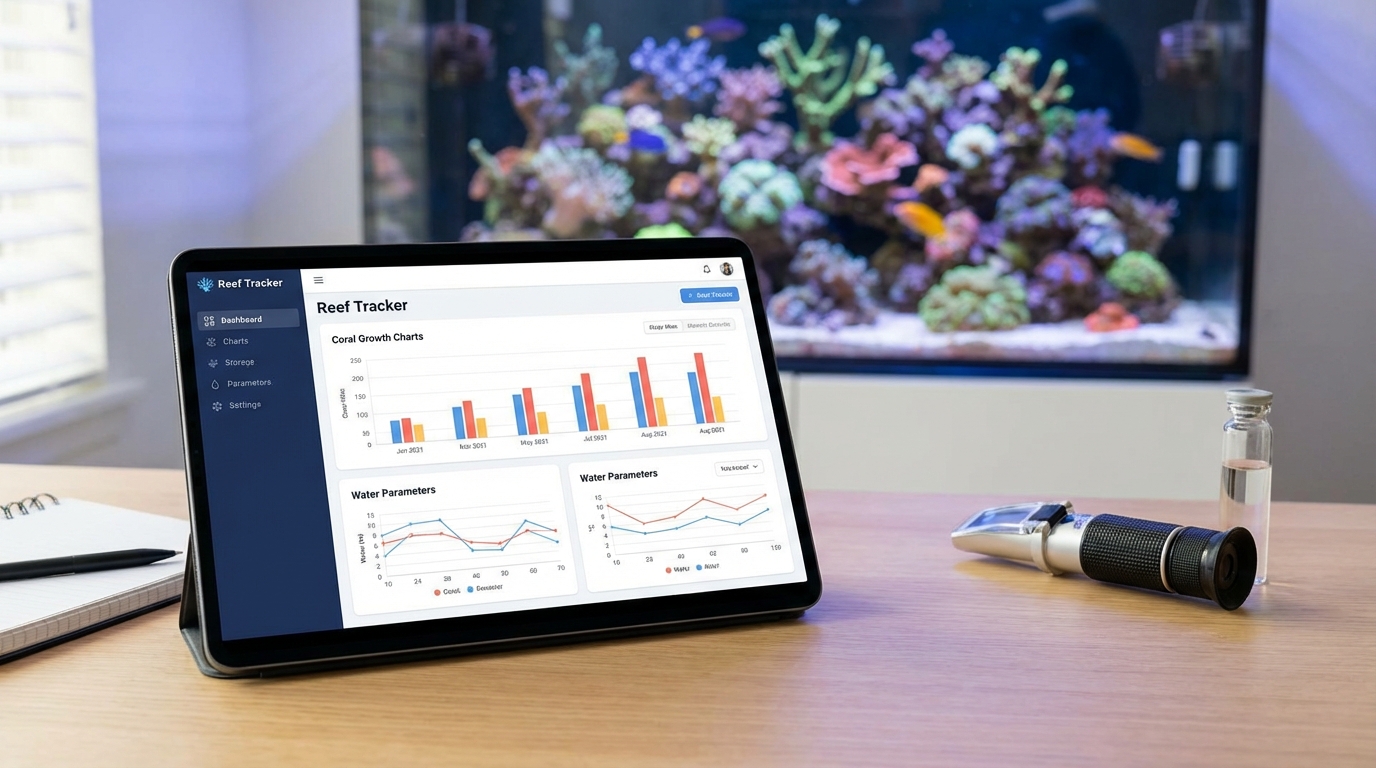
Ready to add a Tomini Tang? Browse healthy livestock from local reefers and stores in the ReefBay shop, then track feedings, water tests, and your tank progress in the ReefBay app.