Top Reef Tank Beginner Mistakes: What This 20-Point Guide Gets Right (and What to Add)
An evidence-based breakdown of a popular beginner mistakes video—what it nails, what’s missing, and a practical checklist for first-year reef success.
Quick answer
The guide gets the big beginner risks right: plan the tank first, budget for ongoing costs, choose stability over looks, avoid rushing stocking, keep salinity steady, quarantine new livestock, and use small chemistry corrections. What to add is a written weekly routine for testing, maintenance, and livestock tracking so trends are caught early.
If you’re building your first reef tank, mistakes are normal—but expensive mistakes are optional. Below is a full, reader-friendly breakdown of all 20 beginner mistakes covered in BRStv’s video, with practical ReefBay commentary so you can act on each one immediately.
Source analyzed: BRStv – Saltwater Aquariums & Reef Tanks, “Top 20 Saltwater Aquarium Beginner Mistakes To Avoid. If Only We Had Known!” (YouTube ID: bEmMpcd8nAM).
The full 20 beginner mistakes (with what to do instead)
- Starting without a clear tank goal.
Decide upfront whether this is a short learning build or a long-term display tank. Your budget, equipment, and stocking plan all depend on this. - Underestimating total cost of ownership.
Beginners budget for the tank but forget recurring costs (salt, test kits, media, food, replacements). Build a monthly reef budget before buying livestock. - Choosing tank size for looks, not stability.
Very small tanks swing faster and punish new keepers. If possible, choose enough water volume to give yourself stability margin. - Buying equipment twice (upgrade trap).
Cheap first buys often become expensive replacements. Prioritize reliability on critical gear (heater, return flow, ATO, backup power). - Not planning for power outages.
No flow and oxygen crashes tanks quickly. Keep a basic outage plan: battery air, backup flow, and temperature protection. - Skipping quarantine or disease prep.
“I’ll deal with disease later” is a common first-year setback. Have a quarantine/observation strategy and emergency response plan before fish purchases. - Rushing the cycle and first stocking.
A biologically immature system can look ready before it is resilient. Add fish in stages and allow the biofilter to catch up. - Adding too many fish too quickly.
Bioload spikes destabilize young tanks. Stock in small waves, then observe 1–2 weeks before the next addition. - Ignoring compatibility and temperament.
Reef conflict (aggression, food competition, coral nipping) creates chronic stress. Research fish behavior and long-term compatibility before purchase. - Overfeeding in a young tank.
Extra food becomes nutrient and algae pressure. Feed measured amounts, watch consumption, and adjust instead of guessing. - Treating salinity as “set once and forget.”
Evaporation changes salinity daily. Use a reliable ATO and verify salinity routinely with calibrated tools. - Making large chemistry corrections too fast.
Big swings often do more harm than the original number. Favor small, consistent adjustments over dramatic one-time fixes. - Not testing on a consistent schedule.
Random testing misses trends. Run a repeatable schedule and log results so you can see drift early. - Chasing single test results.
One-off numbers can be noisy. Make decisions using trends over time, not panic reactions to one reading. - Skipping routine maintenance until there’s a problem.
Reactive reefing is expensive reefing. Do simple recurring tasks (water changes, pump checks, ATO checks) before issues compound. - Overcomplicating the system too early.
Too many variables at once makes troubleshooting impossible. Keep the setup simple, stable, and repeatable during year one. - Buying difficult coral too soon.
Begin with hardy, forgiving coral while you stabilize fundamentals. Build success momentum before moving into sensitive species. - Neglecting pest prevention.
Pests and nuisance algae are easier to prevent than remove. Inspect, dip, and quarantine new additions whenever possible. - Expecting fast visual perfection.
Reef maturity takes time; ugly phases are normal. Success comes from consistency, not constant redesign. - Trying to solve everything alone.
Community advice shortens the learning curve. Use trusted resources, compare patterns, and ask for help before problems snowball.
How to use this 20-point list in real life
Turn this into a weekly operating checklist: plan purchases, verify stability, and avoid “impulse complexity.” In practice, first-year success is less about buying perfect gear and more about running a repeatable routine.
- Track core parameters and maintenance in the ReefBay app
- Shop additions deliberately on ReefBay Shop instead of impulse buying
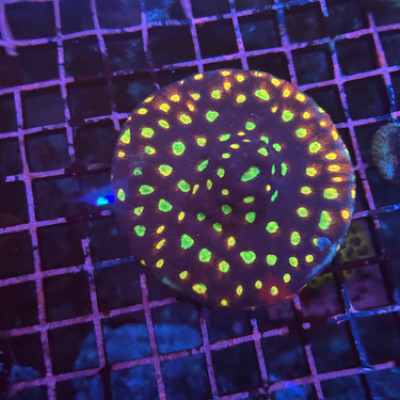
- Prioritize hardy options like clownfish, goby, and mushroom corals while your tank matures
Source attribution
This article is an original ReefBay analysis based on publicly available spoken content from BRStv’s YouTube video “Top 20 Saltwater Aquarium Beginner Mistakes To Avoid. If Only We Had Known!” (https://www.youtube.com/watch?v=bEmMpcd8nAM). Credit for the underlying video guidance belongs to BRStv and its hosts.
Want to avoid costly beginner resets? Build your weekly reef routine in the ReefBay app, then browse verified listings on ReefBay Shop when you’re ready to add livestock.