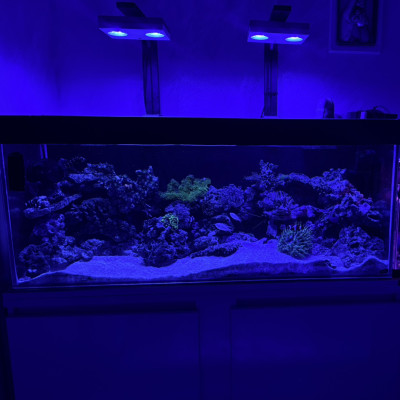
Necesito ayuda con mi coral cuero Sarcophyton
¡Hola a todos! Estoy buscando algún consejo sobre mi coral cuero Sarcophyton.
No ha abierto ni extendido sus pólipos desde hace aproximadamente un mes. El coral sigue siendo suave al tacto y se mueve de forma natural con la corriente del agua, pero están empezando a crecer manchas verdes que parecen algas en su superficie.
Me he dado cuenta de que se forma una capa en la parte superior del coral. La quité con cuidado una vez, pero parece que se está formando otra vez.
Todos mis otros corales cercanos están bien, pero este Sarcophyton todavía no se abre.
¿A alguien le ha pasado algo similar? ¿Qué podría estar causándolo y qué me recomiendan hacer para ayudarlo a recuperarse?
Cualquier consejo sería muy apreciado. ¡Gracias!
Need help with my Sarcophyton leather coral
Hi everyone! I’m looking for some advice about my Sarcophyton leather coral.
It hasn’t opened or extended its polyps for about a month. The coral is still soft to the touch and moves naturally with the water flow, but green patches that look like algae are starting to grow on its surface.
I’ve noticed that a film forms on the top of the coral. I gently removed it once, but it seems to be forming again.
All my other corals nearby are doing well, but this Sarcophyton still hasn’t opened.
Has anyone experienced something similar? What could be causing this, and what would you recommend I do to help it recover?
Any advice would be greatly appreciated. Thank you!
Comentarios
Inicia sesión para dejar un comentario
Todavía no hay comentarios
Sé el primero en iniciar la conversación.
Inicia sesión para unirte a la conversación.
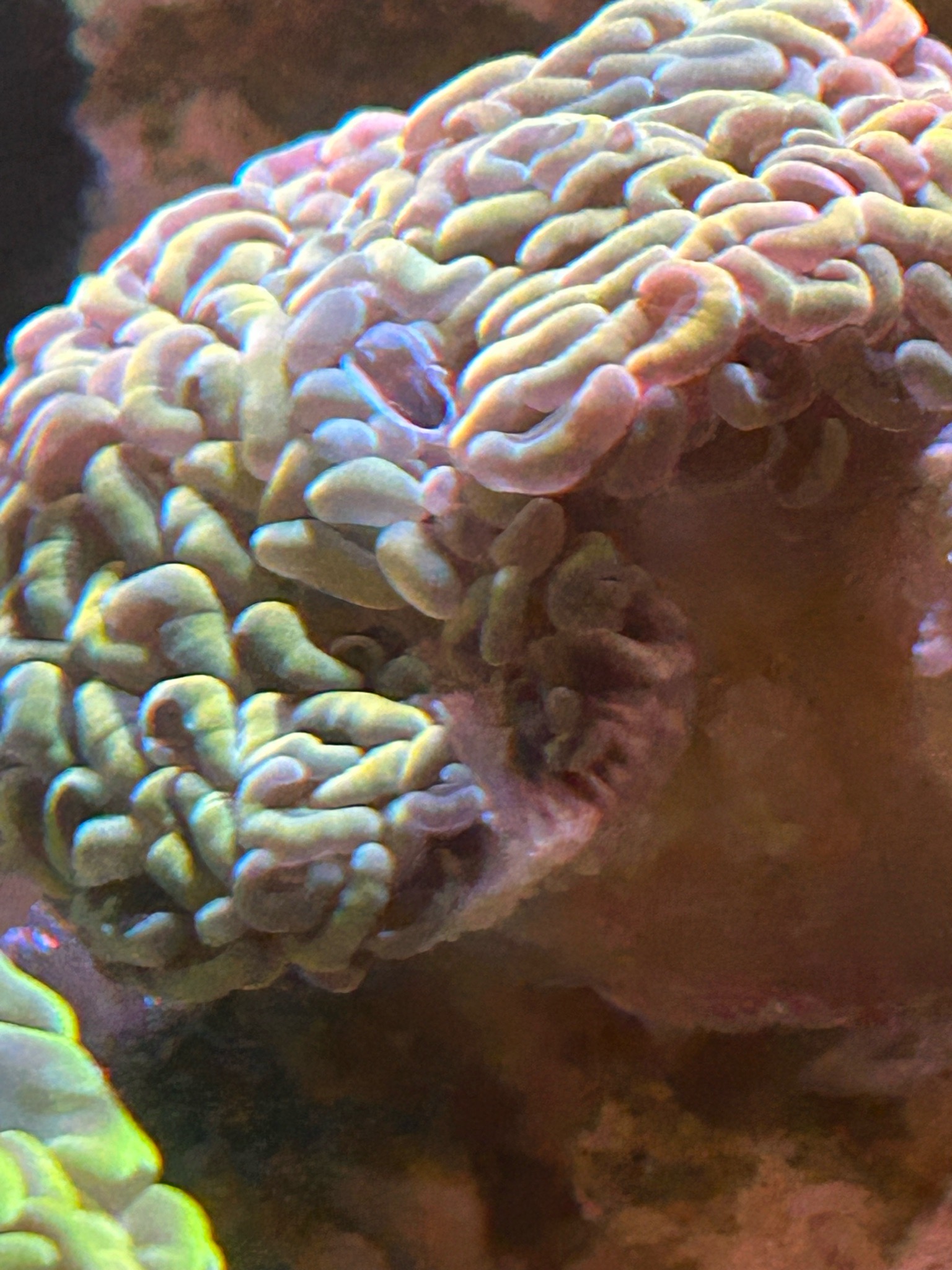
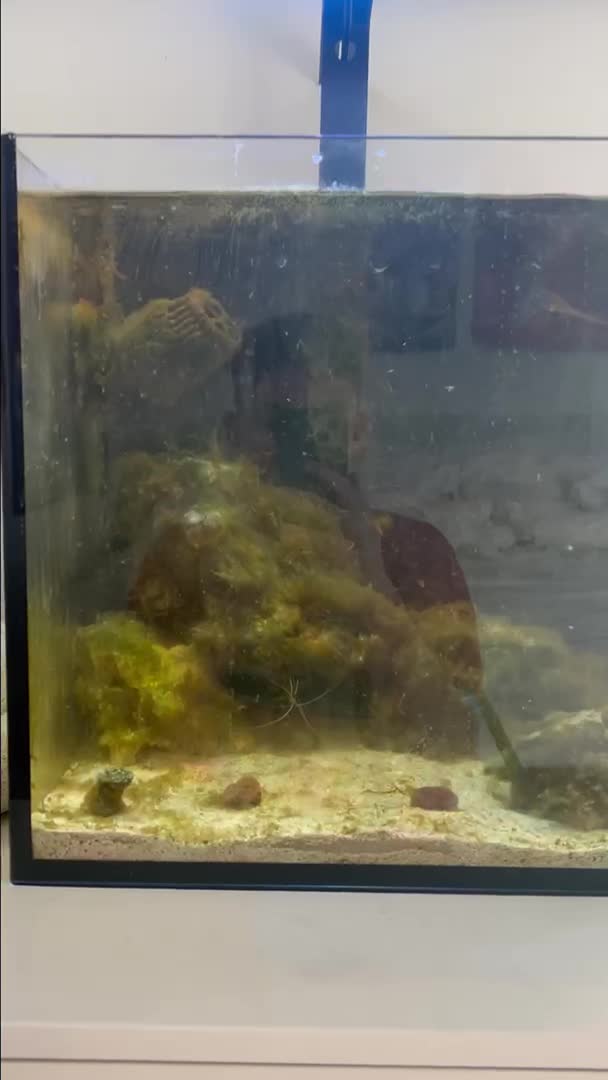
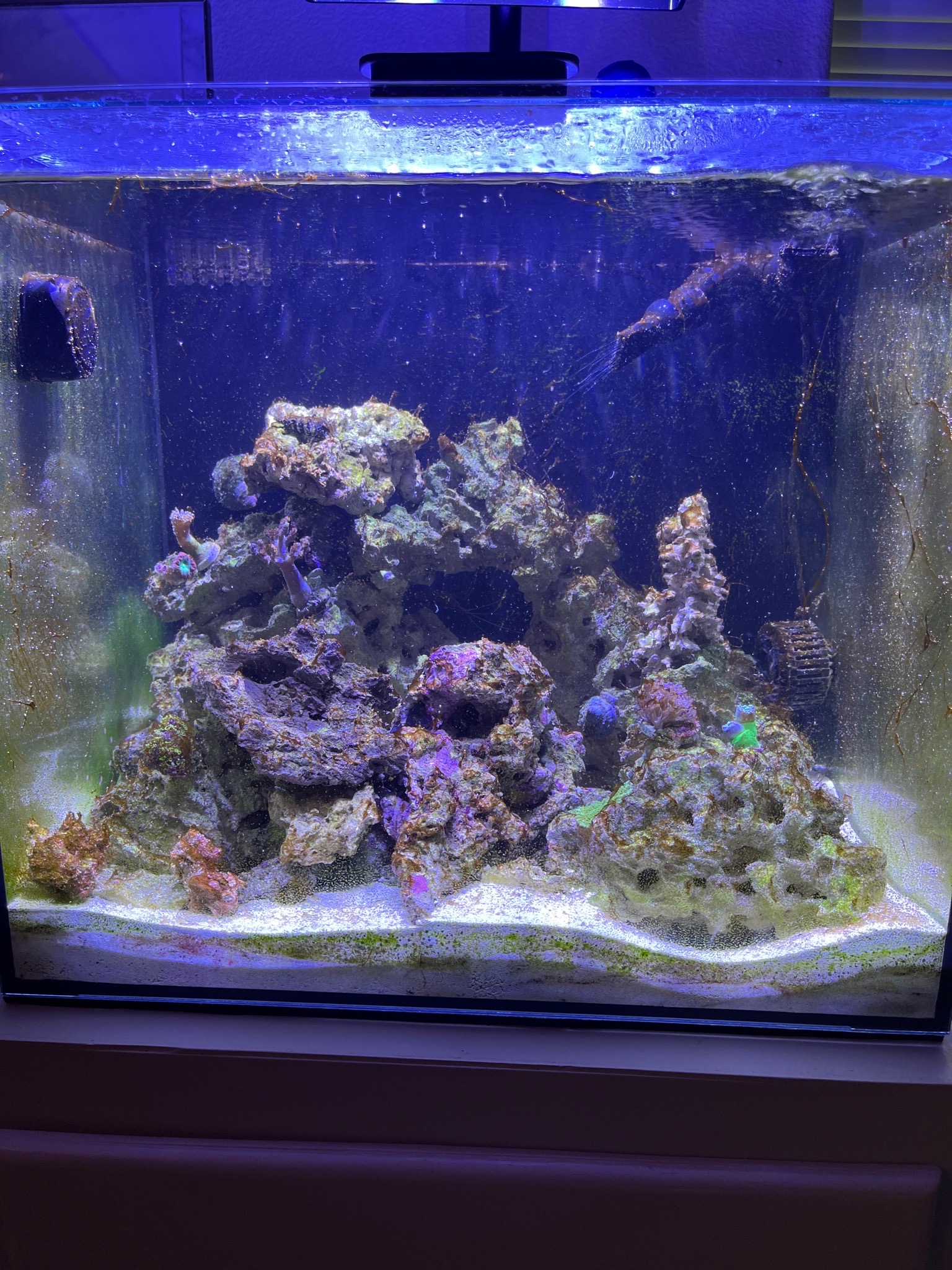
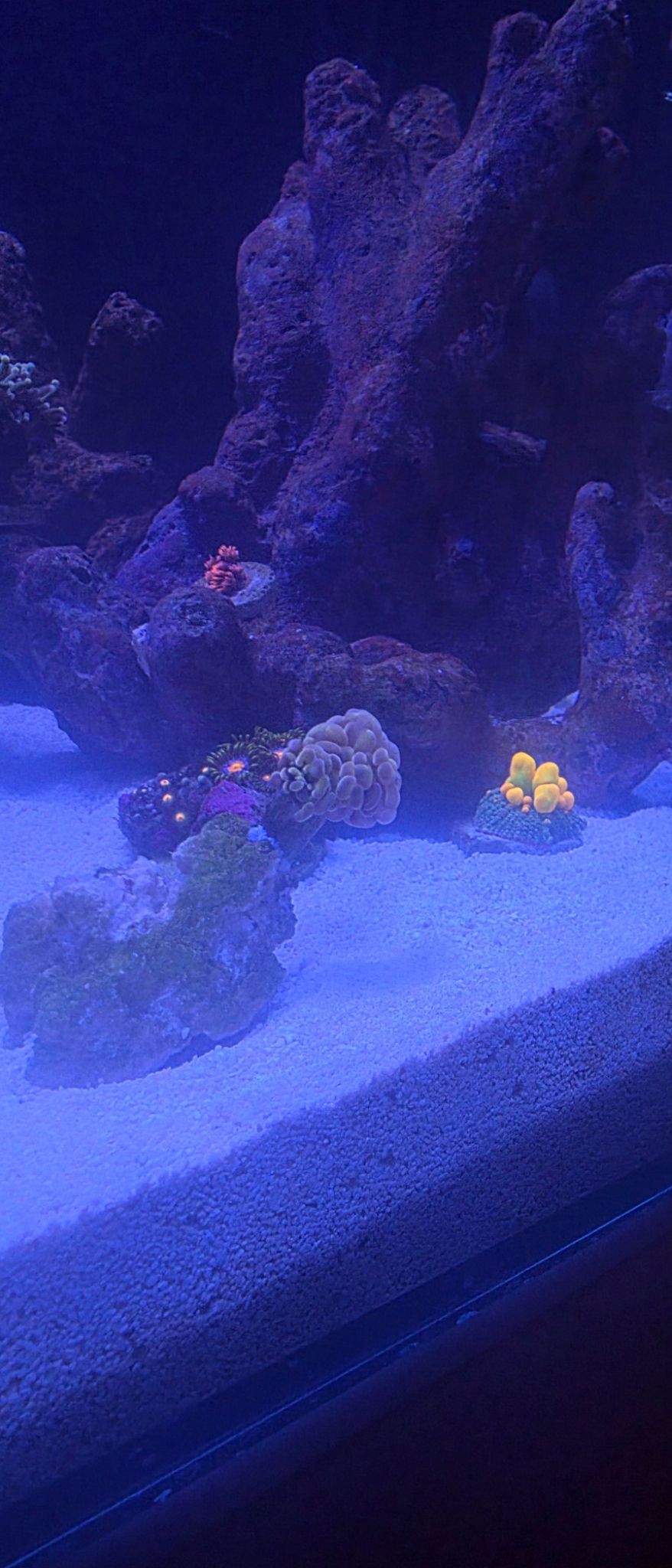



Mucus de muda atrapado (brillo ceroso y acumulación de algas): El mecanismo: Los corales cuero se contraen regularmente y producen una capa mucosa cerosa y brillante para desprenderse de desechos acumulados, algas epífitas y detritos. El problema: Si el movimiento del agua sobre la corona es demasiado débil, el coral no puede desprender esta capa. Se queda pegada al tejido, asfixiando la superficie y permitiendo que microalgas oportunistas (las manchas verdes visibles) se establezcan. Mientras está atorado en un ciclo de muda, el coral no puede extender los pólipos para alimentarse ni fotosintetizar de forma eficiente, deteniendo el crecimiento. Alelopatía y contacto con tentáculos barrenderos: La cercanía de los tentáculos de Euphyllia vecina desencadena retracción defensiva. Los corales cuero se negarán a expandirse cuando estén irritados por nematocistos o por tentáculos barrenderos invasores. Demanda de nutrientes / yodo: Los corales blandos como Sarcophyton consumen elementos traza (particularmente orgánicos disueltos y yodo) durante la muda y la expansión del tejido. Los sistemas con nutrientes cero (nutrientes ultra bajos) a menudo llevan a un letargo prolongado. Pasos de acción inmediata 1. Sopla la superficie: Usa una perilla de pavo para echar suavemente agua directamente sobre la corona para ayudar a levantar la película que se está pelando y la capa de algas verdes sin rasgar el tejido vivo. 2. Aumenta el flujo de inmediato: Ajusta la powerhead más cercana o reubica el coral en un área con un flujo más fuerte y multidireccional para que el tejido de la superficie se vea ondulante. 3. Asegura 6" de separación: Aleja el coral de la Euphyllia para eliminar la picadura y el estrés químico. 4. Revisa la química del agua: Confirma que la gravedad específica esté estable en 1.025–1.026 y que los nitratos estén cómodamente entre 5–15 ppm para apoyar la expansión del tejido del coral blando.
Trapped Shedding Mucus (Wax Sheen & Algae Build-Up): The Mechanism: Leather corals regularly contract and produce a waxy, glossy layer of mucus to slough off built-up waste, epiphytic algae, and detritus. The Issue: If water movement across the crown is too weak, the coral cannot cast this layer off. It remains glued to the tissue, suffocating the surface and allowing opportunistic microalgae (the visible green patches) to take hold. While locked in a shed cycle, the coral cannot extend polyps to feed or photosynthesize efficiently, halting growth. Allelopathy and Sweeper Contact: The proximity of the neighboring Euphyllia tentacles triggers defensive retraction. Leather corals will refuse to expand when irritated by nematocysts or encroaching sweeper tentacles. Nutrient / Iodine Demand: Soft corals like Sarcophyton consume trace elements (particularly dissolved organics and iodine) during shedding and tissue expansion. Zero-nutrient (ultra-low nutrient) systems often lead to extended sulking. Immediate Action Steps 1. Baste the Surface: Use a turkey baster to gently puff water directly across the crown to help lift the peeling film and green algae layer without tearing live tissue. 2. Increase Flow Immediately: Adjust the nearest powerhead or relocate the coral into an area with stronger, multi-directional flow so the surface tissue visibly ripples. 3. Ensure 6" Clearance: Move the coral away from the Euphyllia to eliminate stinging and chemical stress. 4. Inspect Water Chemistry: Confirm specific gravity is stable at 1.025–1.026 and nitrates sit comfortably between 5–15 ppm to support soft coral tissue expansion.
100%!!!!
¡Muchísimas gracias!! ¡Seguiré tu consejo!! 🙂↕️✌️
Thank you so much!! I’ll follow your advice!! 🙂↕️✌️