
Consigli? Da qualche settimana sto combattendo quella che ho sempre pensato fossero dinoflagellati, almeno fino a questo punto. Li avevo già avuti una volta prima, ma quelli sembravano e si comportavano in modo diverso da quelli che ho adesso. E quelli erano più facili da gestire. Ho sempre pensato fosse un ceppo diverso. Avrei dovuto fare una foto, ma ne aggiungerò una stasera. Sto iniziando a pensare che sia qualcos'altro. Sono marroni, filamentosi, grumosi e lunghi/ondulati nelle correnti. Ma la cosa strana è che non fanno quasi bolle e sono SOLO sulle rocce. Non toccano il substrato. Ho fatto tre blackout totali di 3 giorni. Sembrano spariti o quasi, poi in circa due giorni tornano subito. Si moltiplicano molto velocemente. Sono morbidi e vengono via subito dalle rocce con una spazzolata. Idee?
Advice? I’ve been battling what I’ve assumed to be dinoflagellates up until this point for a few weeks. I’ve had them once before but those looked and acted different than what I have now. And those easier to deal with. I just assumed this was a different strand. I should have taken a picture but I’ll add one tonight. I’m starting to think I have something else. They are brown, stringy and clumpy and long/wavy in the waves. But the weird part is that they don’t really have many bubbles and they are ONLY on my rocks. They won’t touch the substrate. I’ve done a 3 day total blackout three times. They look gone or near gone then in about two days come right back. They multiply very fast. They are soft and scrub right off the rocks. Thoughts?
Commenti
Accedi per lasciare un commento
Ancora nessun commento
Inizia tu la conversazione.
@MalEficent
1y
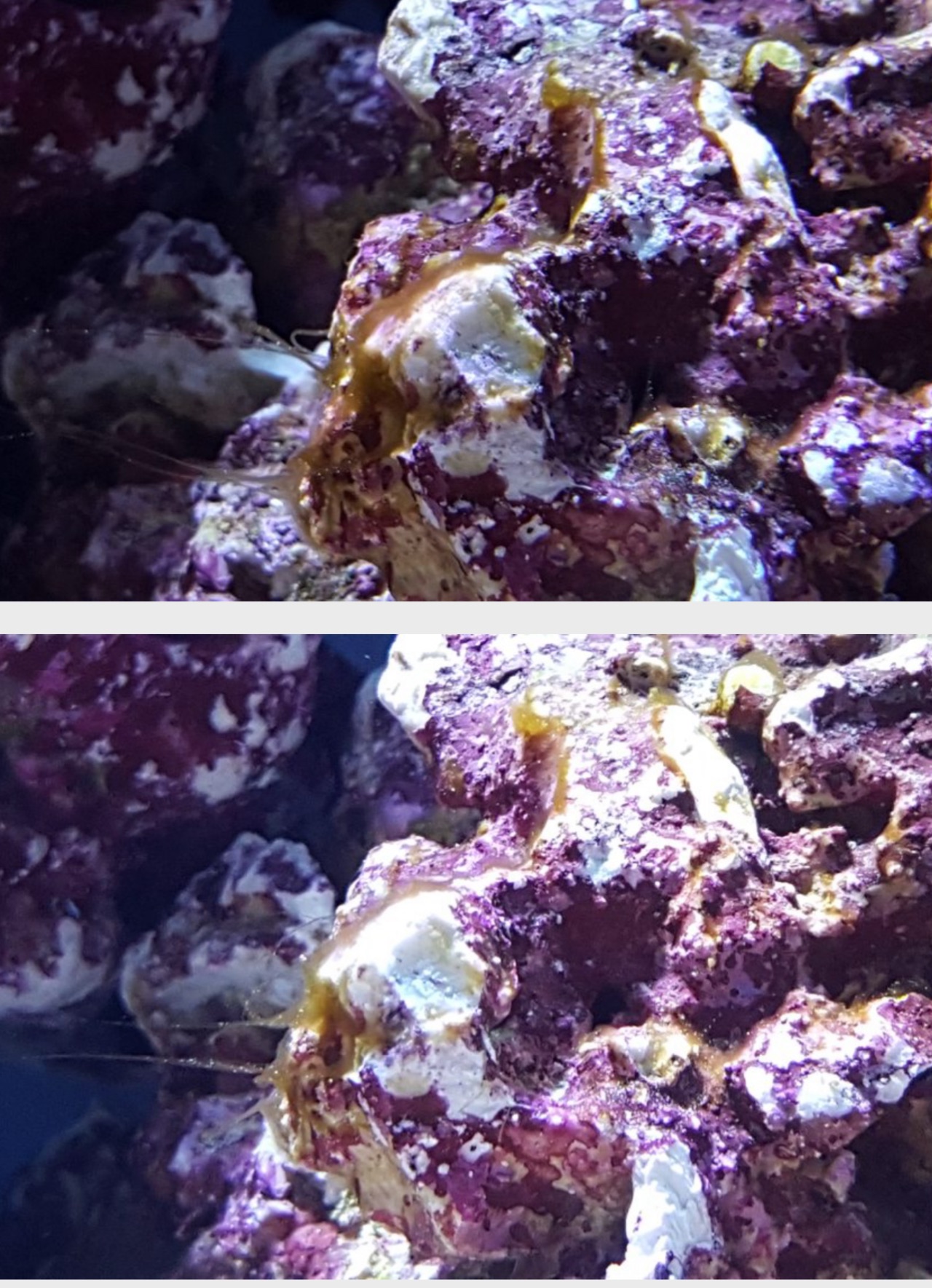
Questa NON è la mia vasca, ma è l'immagine più simile a quello che ho io. Però in questo thread lui li ha sul substrato, mentre i miei no.
This is NOT my tank but this is the closest picture to what I have. But this thread he has them on his substrate but mine isn’t.
 @BradMac5618
1y
I dinos fanno schifo, quindi ti capisco. Personalmente io ho una serie di passaggi che seguo quando provo a trattare i dinos Il primo sono i nutrienti. I dinos prosperano in vasche con pochi nutrienti e poca biodiversità. Non c'è niente che li tenga sotto controllo. Il primo passo è alzare un po' nitrati e fosfati per vedere se una diversità più naturale inizia a superarli. Il secondo passo è provare predazione e rimozione. I copepodi e gli anfipodi possono contrastare alcune specie di Dino ma non tutte. Aggiungine un po' e vedi se aiuta. Allo stesso tempo prendi una filter sock o un pad e sifona la sabbia o le rocce dentro quel filtraggio meccanico. Io fisso una sock alla sump così non sto davvero facendo un cambio d'acqua, ma sto rimuovendo le schifezze.
Dinos suck so I get it. Myself personally I have a series of steps I take when trying to treat for dinos First is nutrients. Dinos thrive in low nutrient low biodiversity tanks. There's nothing outcompeting them. Step one is raise your Nitrates and Phosphates some to see if the more natural diversity will begin to out compete. Step two is attempt predation and removal. Copepods and amphipods are capable of some species of Dino but not all. Add some and see if it helps. At the same time take a filter sock or pad and siphon the sand or rocks into that mechanical filtration. I clip a sock to the sump so I'm not actually changing the water but I am removing the nasties.
@BradMac5618
1y
Se questi falliscono, è lì che ricorro al blackout. Un blackout di 3 giorni quasi mai basta per uccidere o anche solo intaccare la maggior parte dei tipi di Dino. Un ceppo che conosco dura più di 9 giorni. Nei casi estremi ho rimosso i coralli in una vasca di qt. Ho tenuto la vasca in blackout per almeno 1 settimana intera, se non 2. Solo perché magari sembrano spariti visivamente durante quel processo non significa che lo siano davvero. Tutti i coralli che tornano nella vasca saranno stati immersi 2 - 4 volte nel corso del blackout e ancora una volta subito prima di rimetterli. Questo mi ha dato il miglior successo a lungo termine nel non far tornare i dinos nei mesi successivi a un blackout. Cose chiave dopo il trattamento. Non lasciare che i nutrienti scendano troppo. (Secondo me meno di 5 nitrati e meno di 0.05 fosfato è una sorta di zona pericolosa) (opinione pratica, non scientifica) E qualsiasi nuova aggiunta alla vasca dovrebbe essere immersa. Questo aiuta con molto più che i dinos, ma spesso sono dinos o vermi piatti ciò che spinge i reefers a iniziare con i bagni. Spero che questo aiuti; se qualcuno ha altre pratiche o ha problemi con le mie risposte, fatemelo sapere.
If these fail that's when I resort to blackout. 3 day black out is almost never enough to kill or even dent most types of Dino. 1 strain I know lasts longer then 9 days. In extreme cases I have removed corals to a qt tank. Blacked out the display for at least 1 entire week if not 2. Just because they may be visually gone throughout that process doesn't mean they are. Any corals going back into the display will have been dipped 2 - 4 times over the course of the blackout and once again right before returning. This has offered me the highest long term success with not having dinos return within the months following a black out. Key things post treatment. Do not let your nutrients get too low. (My opinion is less then 5 nitrates and less then 0.05 phospate is kind of the danger zone) (opinion in practice not science) And any new addtions to the tank should be dipped. This helps with far more then Dinos but often dinos or flatworms is what starts reefers In the dipping direction. Hope this helps if anyone has other practices or has any issues with my responses let me know.
@MalEficent
1y
Grazie! Ho nitrati e fosfati alti per cercare di contrastarli e ho un buon numero di pesci, coralli e invertebrati e una popolazione robusta di pods per il mio mandarin. Quando avevo i dinos prima, quello combinato con un blackout li ha eliminati abbastanza facilmente. Potrei dover fare un blackout prolungato come hai suggerito tu o considerare che non siano dinos per niente. Non sono sulla sabbia, il che per me è strano. Non sono sicuro di cosa altro possa essere però.
Thank you! I have my nitrates and phosphates elevated to try to combat them and I have a fair amount of fish, corals and inverts and a robust population of pods for my mandarin. When I had dinos before, that combined with a blackout got rid of them fairly easily. I might have to go with an extended blackout like you suggested or look into it not being dinos at all. They aren’t on the sand which is weird to me. Not sure what else it could be though.
@BradMac5618
1y
Ci sono alcuni ceppi che stanno più a loro agio sulle rocce, ma guardando anche la tua stock list hai un sacco di cose che smuovono la sabbia, il che aiuta a impedire che si insedino lì
There are some strains that are more comfortable on the rocks but also looking at your stock List you have alot of things turning your sand over which help prevent it settling there
 @Zak50748
1y
I blackout non funzionano. Tutto quello che fanno è mandarli in ibernazione. Tutto il resto che ha detto è corretto. L'unico vero modo veloce per batterli è sapere che specie hai. Ti serve davvero un microscopio. O prenderne in prestito uno da un amico. Perché se non fosse Dino? E anche se lo è, specie diverse richiedono trattamenti diversi. Per esempio, Ostreopsis può essere gestito con una pompa sterilizzatrice UV. Per altri non aiuta. Moe Kayed di 3d reefing ha creato una bacchetta UV che funziona sulle altre specie di Dino che non migrano nella colonna d'acqua. Basta tenere la bacchetta a un pollice sopra il Dino e li cuoce. Una terza opzione è alzare i nutrienti e dosare batteri e silicati per favorire la crescita delle diatomee, che supereranno i Dino. L'ultima opzione è Dino x. Il trattamento chimico. Funziona ma spesso danneggia i coralli. Di solito danneggia più gli SPS. I coralli molli in realtà sopportano bene Dino x.
Black outs don’t work. All they do is make them go into hibernation. Everything else he said was on point. The only way true fast way to beat them is to know what species you have. You really need a microscope. Or to borrow from a friend. Because what if it’s not Dino. And even if it is diff species need diff treatments. For instance. Ostreopsis can be handled with a uv light sterilizer pump. Others it won’t help. Moe Kayed from 3d reefing created a UV wand that works on the other species of Dino that doesn’t migrate into water colum. You simply hold the wand an inch above the Dino and it cooks them. A 3rd option is raising your nutrients and dosing bacteria and silicates to spur diatoms to grow and they will outcompete the Dino. The last option is Dino x. The chemical treatment. It works but will often hurt the coral. Usually hurts sps coral more. Soft corals actually fare well with Dino x.

Ho battuto i dinos usando uno sterilizzatore UV, niente cambi d'acqua e aumentando le somministrazioni di cibo. Questo ha permesso ai miei nutrienti di risalire e alle alghe di reagire contro i dinos
Won against dinos using a UV sterilizer, no water changes, and increased feedings. That allowed my nutrients to go back up and algae to fight back against the dinos
@MalEficent
1y
Lo sto già facendo da qualche settimana senza miglioramenti. Qualunque cosa sia, i miei blue hermits la mangiano, ma cresce così in fretta che riescono a malapena a scalfirla
Been doing that already for a few weeks with no improvement. Whatever it is my blue hermits eat it but it just grows so quickly that they can barely make a dent
I blue hermits non dovrebbero riuscire a mangiare i dinos a meno che tu non abbia quelli davvero piccoli. Ti consiglio quei microscopi economici per bambini (200x) credo, e puoi ottenere un'identificazione accurata dei dinos. Da lì reef2reef ha una guida completa per ciascuno
Blue hermits shouldn’t be able to eat dinos unless you got the really tiny ones. I recommend those cheap microscopes for kids (200x) I think and u can get an accurate identification for the dinos. From there reef2reef has a whole guide for each one
Di solito muore un sacco di CUC perché mangiano i dinos tossici. Usi carbone o no?
Normally lots of CUC die cause they eat the toxic dinos. Are you running carbon or no?
Accedi per partecipare alla conversazione.
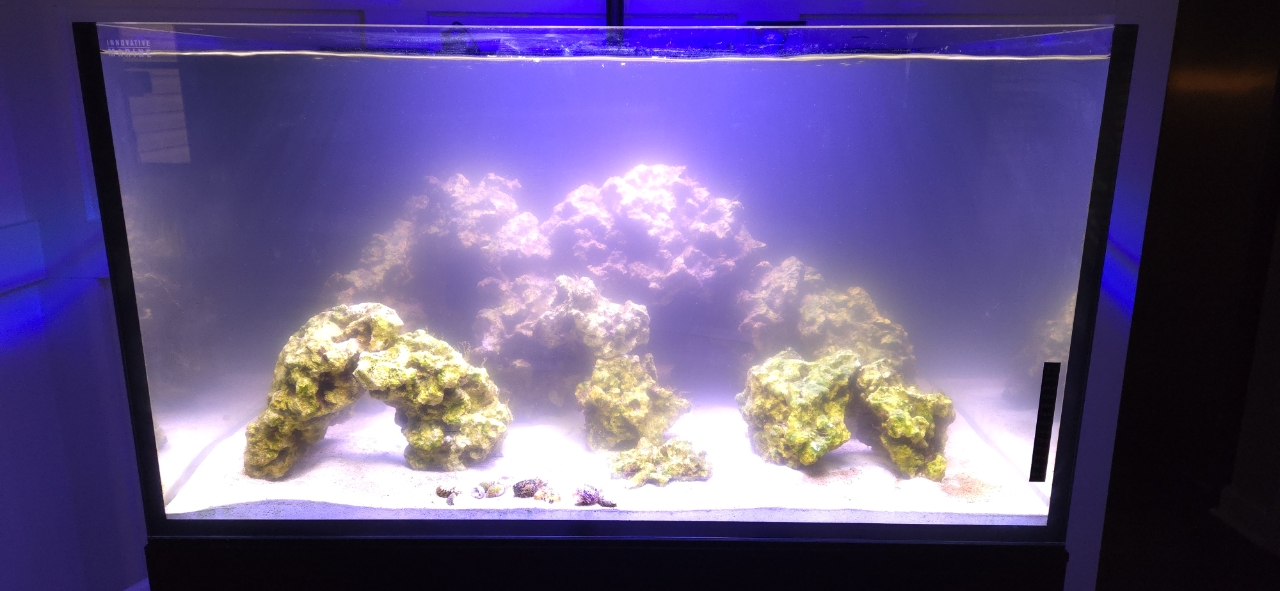
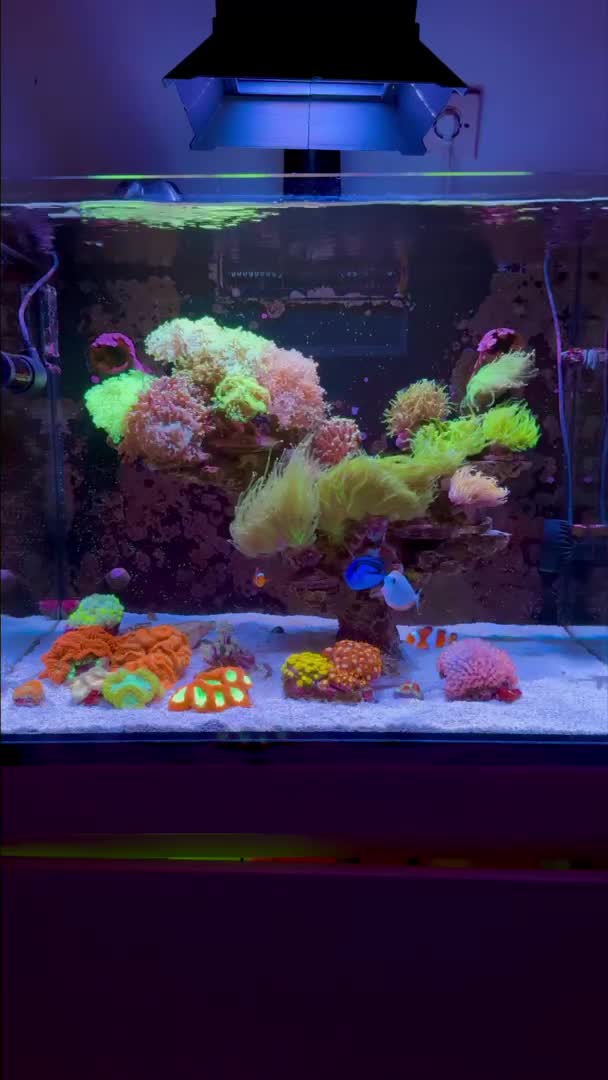
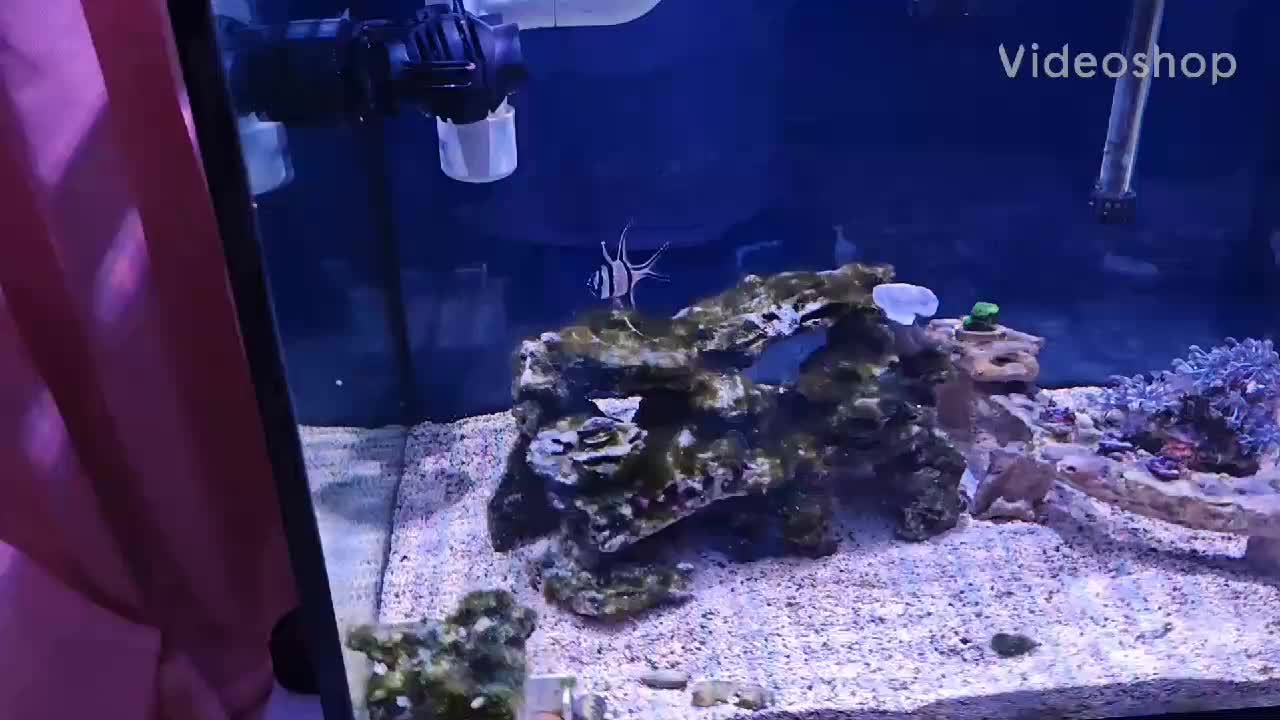
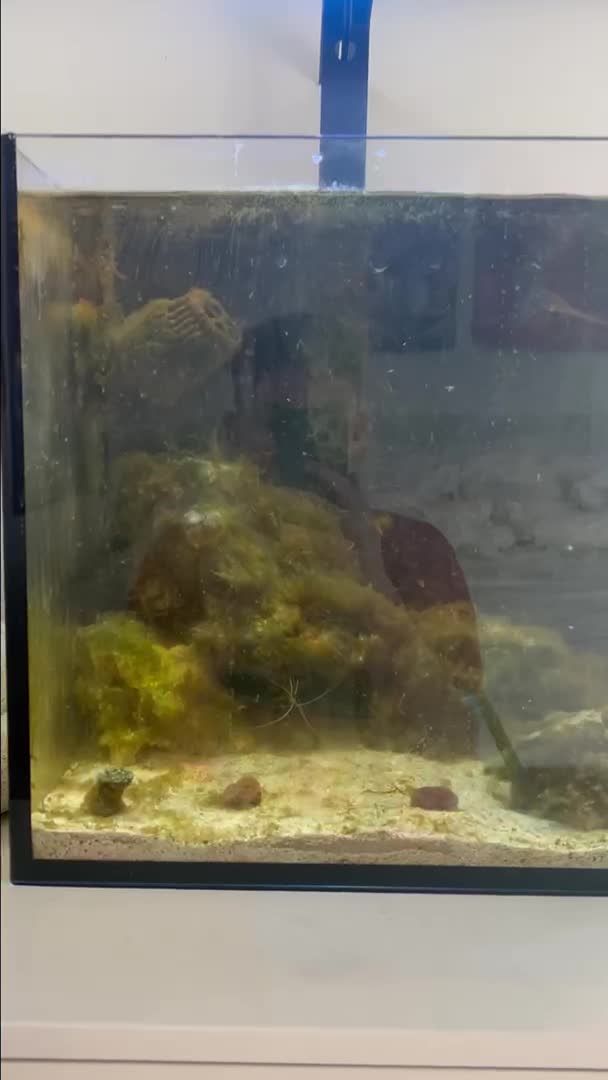
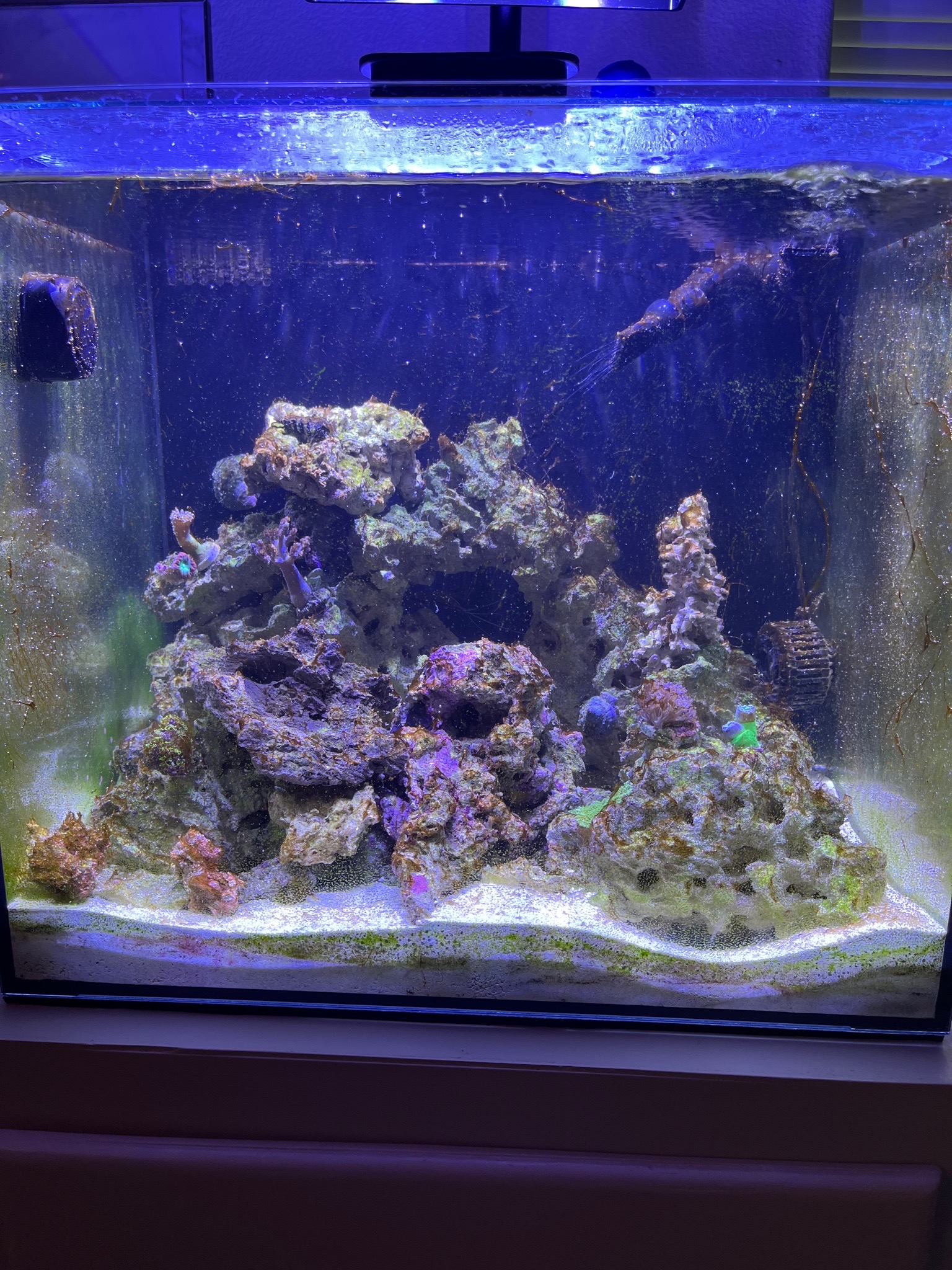
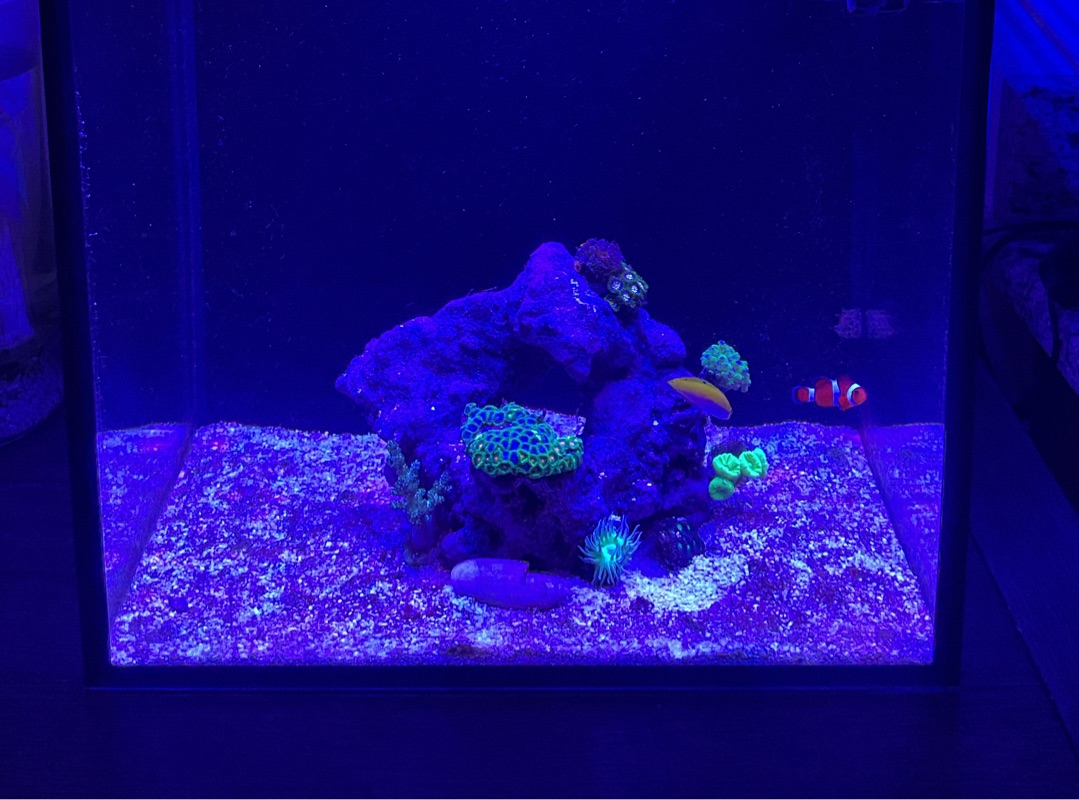



In più, tengo gli UV accesi 24/7 e ogni tanto doso microbacter 7 e stamattina ho dosato clean. Queste caccole marroni di muco mi stanno davvero dando fastidio! Haha
Also, I run UV 24/7 and have been intermittently dosing microbacter 7 and just dosed clean this morning. These brown snot boogies are really getting annoying! Haha