
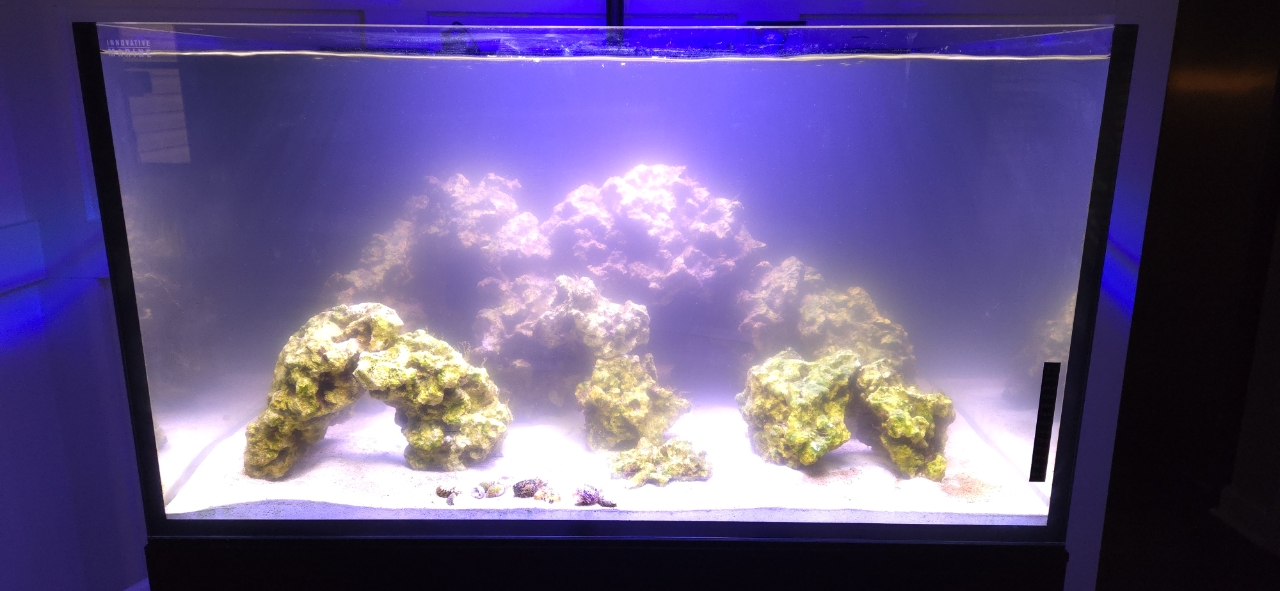
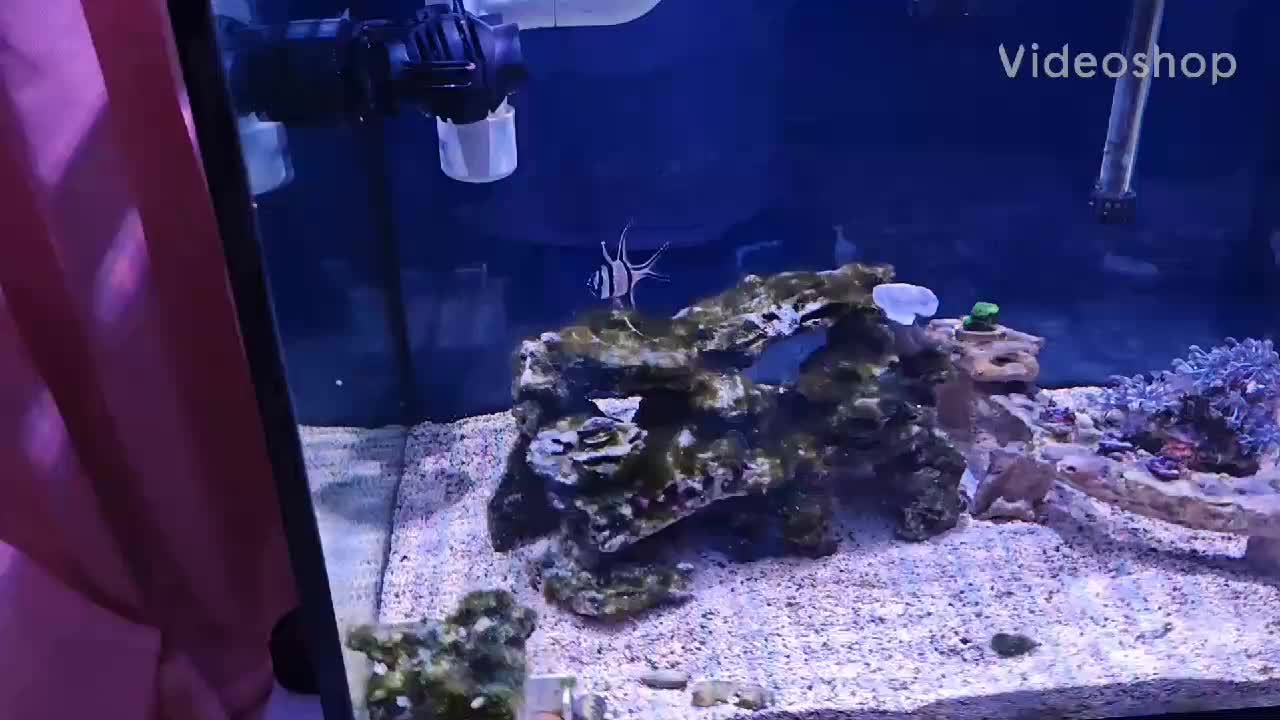
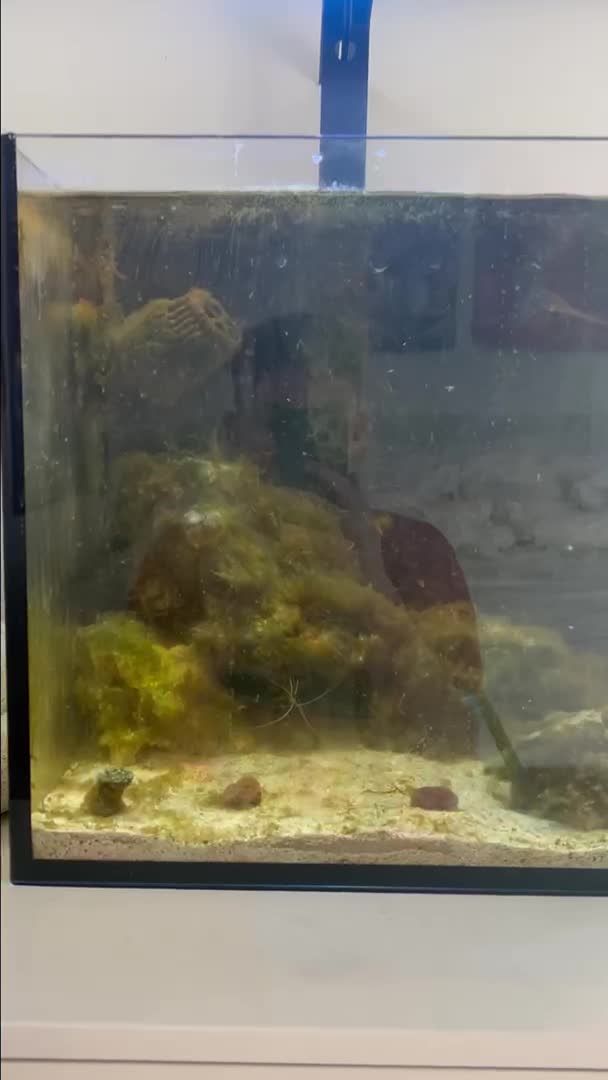
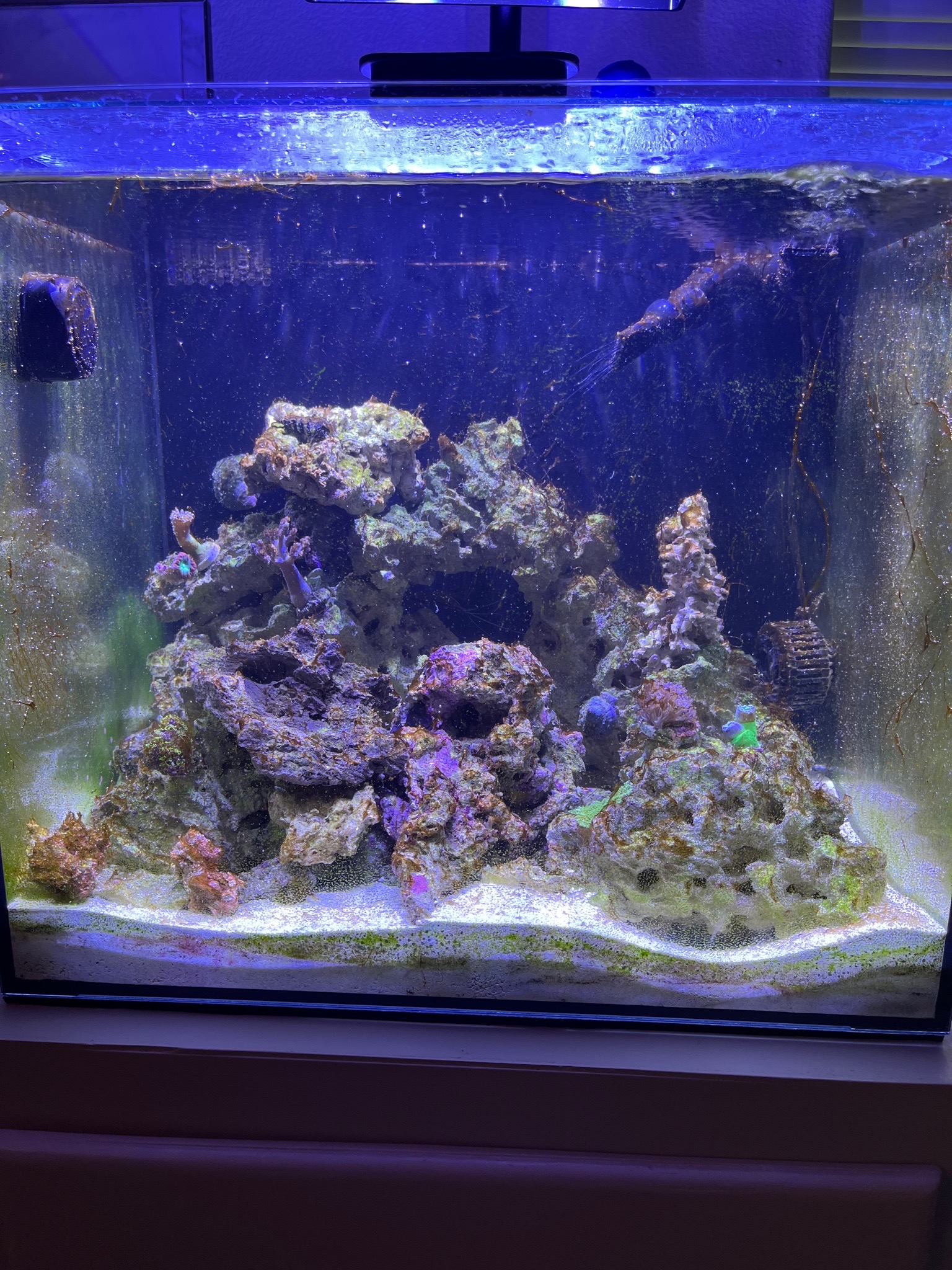
Ive got this green algae that I cant seem to get under control. Parameters are normal except high Magnesium. Doing weekly 20% water changes to lower it but the algae still kicks in hard. Any suggestions?
Comments
Sign in to leave a comment
No comments yet
Be the first to start the conversation.
 @RunswithTrtles
20d
When I had it, it was from excess nitrate and normal phos. Parameters look normal because the algae is soaking up the excess, so it's not in the water column. Feeding less if you can, and Macroalgae in the sump is the best remedy in my opinion.


 @Proofy
20d
Physical Removal (Manual Export) Issue: Once hair algae establishes a thick turf, grazers often avoid the long, fibrous strands. Fix: Manually pluck and siphon the bulk growth during water changes before targeting it biologically. Scrubbing rockwork outside the tank or right next to a siphon tube prevents loose filaments from settling and reseeding. 3. Biological Cleanup Crew (Targeted Herbivory) Heavy Grazers: Tuxedo Urchins (Mespilia globulus) are the most relentless, indiscriminate consumers of short hair algae and turf. Specialized Cleaners: Emerald Crabs (Mithraculus sculptus) tear through thick mats, while herbivorous snails like Trochus, Turbo, and large Cerith snails handle the rock surfaces once the turf is trimmed short. Nudibranchs/Slugs: A sea hare (Dolabella auricularia) will mow down a hair algae forest rapidly, though it must be rehomed or supplemental nori fed once the crop is cleared to avoid starvation. 4. Photoperiod & Spectrum Adjustment Issue: High white, red, and green spectrums alongside long photoperiods supercharge green filamentous algae. Fix: Dial back the overall photoperiod by 1–2 hours, drop the warm/white channels down (favoring blue/actinic spectrums for coral vitality), and consider a 3-day blackout if corals aren't overly stressed. 5. Chemical / Enzymatic Knockout (If Persistent) If manual export and clean-up crew additions do not turn the tide, an active treatment of Fluconazole (Reef Flux) or algaecides (like Vibrant or MicroBacter Clean) will break down the cell walls of filamentous green algae without harming SPS/LPS corals or biological filtration.
@Proofy
20d
Spectrum Channels White / Warm / Red / Green Channels: Cut drastically to 8% – 12% (or completely off if the outbreak is aggressive). Removing red and green diodes cuts off the primary photosynthetic drivers that hair algae exploits over corals. Royal Blue / Deep Blue Channels: Maintain at 55% – 65%. This preserves enough PAR (Photosynthetically Active Radiation) for coral tissue and zooxanthellae while starving the algae of full-spectrum light. Violet / UV Channels: Set between 20% – 30% to sustain coral fluorescence and core photosynthetic pathways without promoting terrestrial-style vegetative growth. 2. Photoperiod Timing Total Photoperiod: Reduce from standard 10–12 hour schedules down to 7.5 – 8 hours total. Ramp Times: 1.5 to 2 hours ramp-up (blues only), a condensed 3.5 to 4-hour peak window, and a 1.5 to 2 hours ramp-down. Example Schedule Profile: 11:30 – 13:30 (Ramp-Up): Blue channels ramp from 0% to 50%; White/Full-spectrum remains at 0%. 13:30 – 17:30 (Peak Window): Blues at 60–65%, Whites capped at 10–12%. 17:30 – 19:30 (Ramp-Down): Whites shut off completely (0%); Blues ramp down from 50% to 0%.


Try some pitho crabs they love it
@Cdunn352
19d
Have 2 in there. I may need to bump it up to a total of 4. But them and the emerald crabs are always on it, just seems like too much for what's in there. (2 pitho & 5 emerald)
 @Petey
14d
Had this issue and used an electric scrub brush. Got it off fast and was able to make sure nothing new grew back with parameter control.

May suggestion is a multi-prong attack. 1. Get a Lawnmower Benny, it will begin to eat it away. 2. Reduce the amount you feed and the frequency slowly, if possible. I don't know if you have a fish that needs frequent feeding or not. 3. Get some turbo snails and hermit crabs ref or blue legged. 4. Reduce the time the tank is light with white light.
Sign in to join the conversation.



🤔🤔🤔