Carpenter's Flasher Wrasse Care Guide: Tank Size, Diet & Flashing Behavior
Learn Carpenter's Flasher Wrasse (Paracheilinus carpenteri) care: 55+ gallon tanks, planktivore diet, male flashing displays, harem stocking, jump-risk lids, and what to check before you buy on ReefBay.
Quick answer
Carpenter’s Flasher Wrasse is a peaceful, reef-safe planktivore that grows to about 3.5 inches and does best in a mature 55+ gallon tank with open swim space, rock refuge, a tight lid, and small meaty feedings 2 to 3 times daily. A classic setup is one male with two or more females.
Your article content here...
Your article content here...
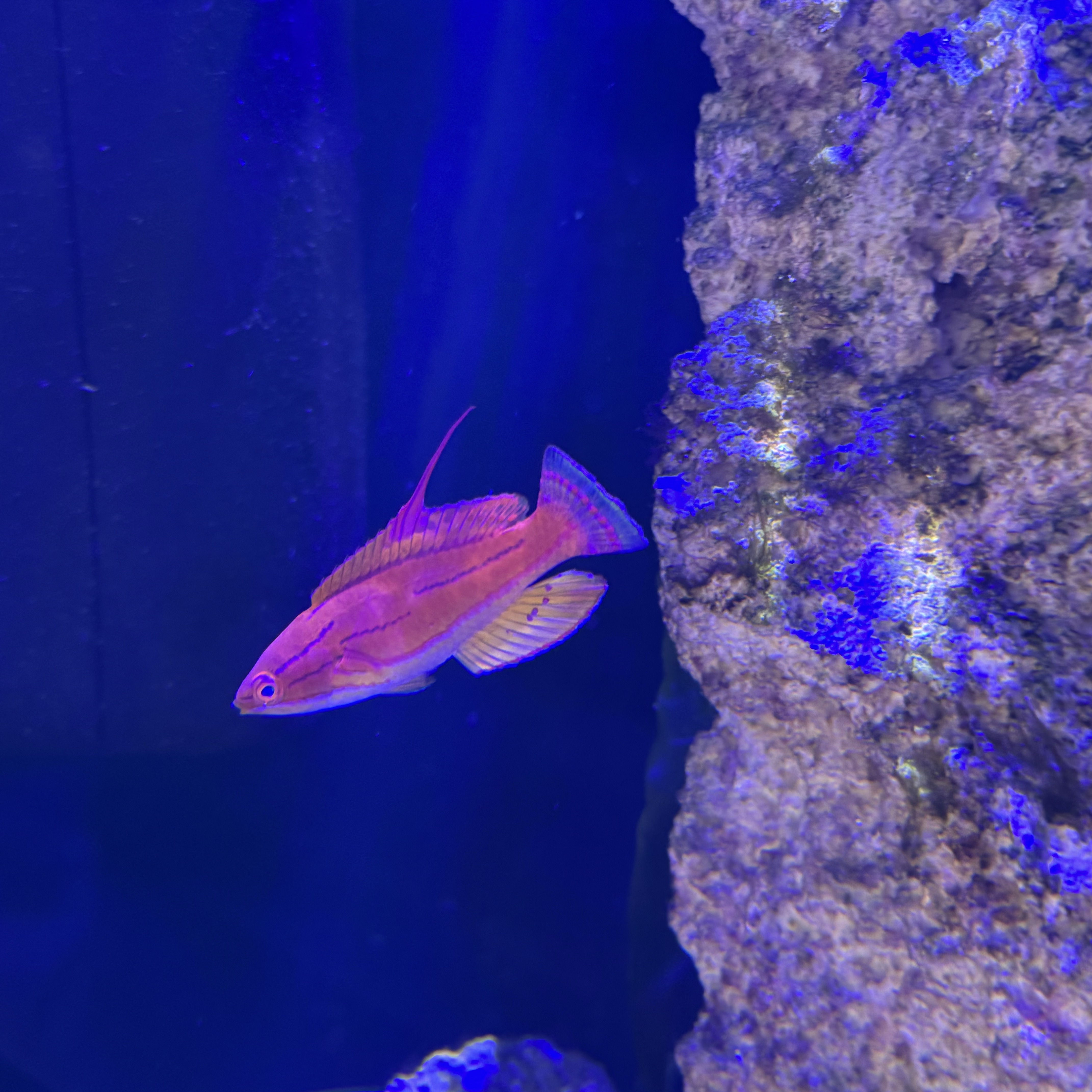
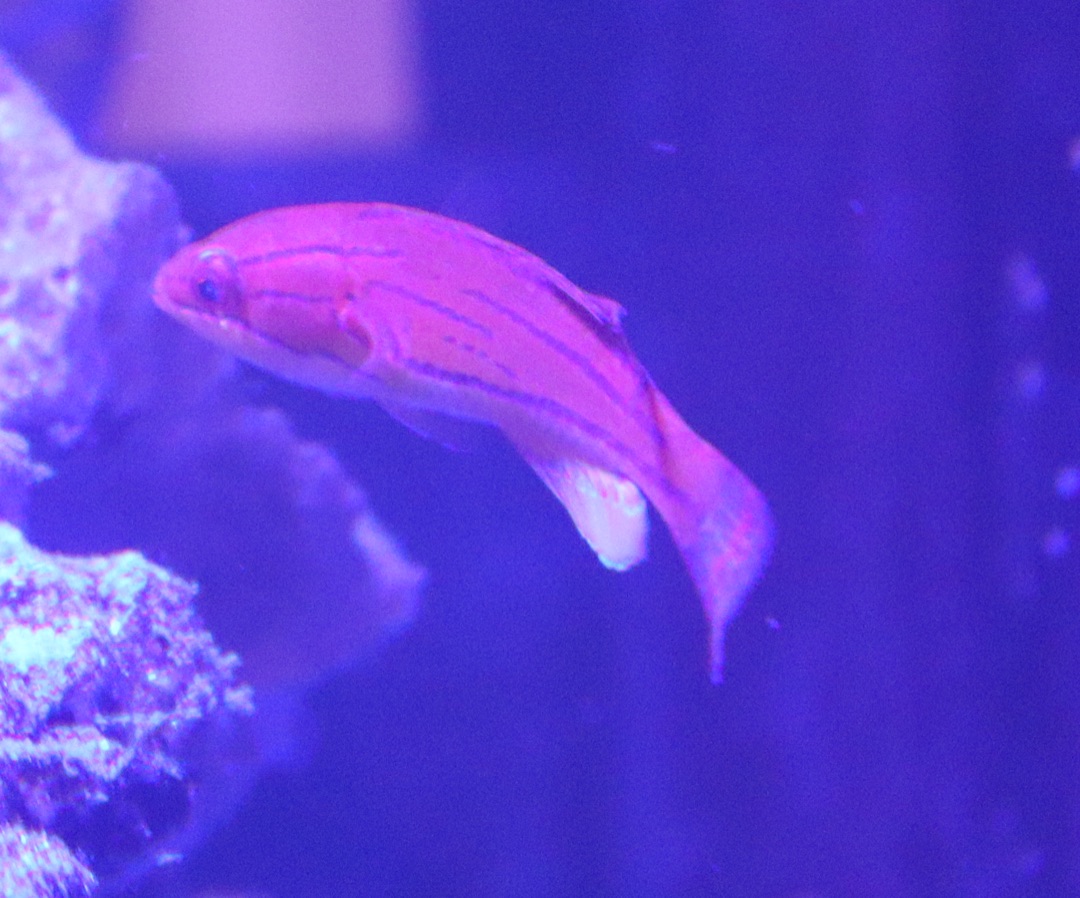
The Carpenter's Flasher Wrasse (Paracheilinus carpenteri) is a small, brilliantly colored planktivore that turns daily feeding into a show. Males run orange-red to pink with broken electric-blue horizontal lines and three elongated dorsal-ray filaments they flare during flashing displays; females stay smaller and plainer orange with less fin development. Adults top out around 3.5 inches, stay reef-safe with corals and most inverts, and reward a mature tank with constant mid-water activity.
This guide covers tank size, diet, harem stocking, jump risk, and a practical buying checklist. When you are ready to purchase, compare live listings in the ReefBay marketplace against the care targets below.
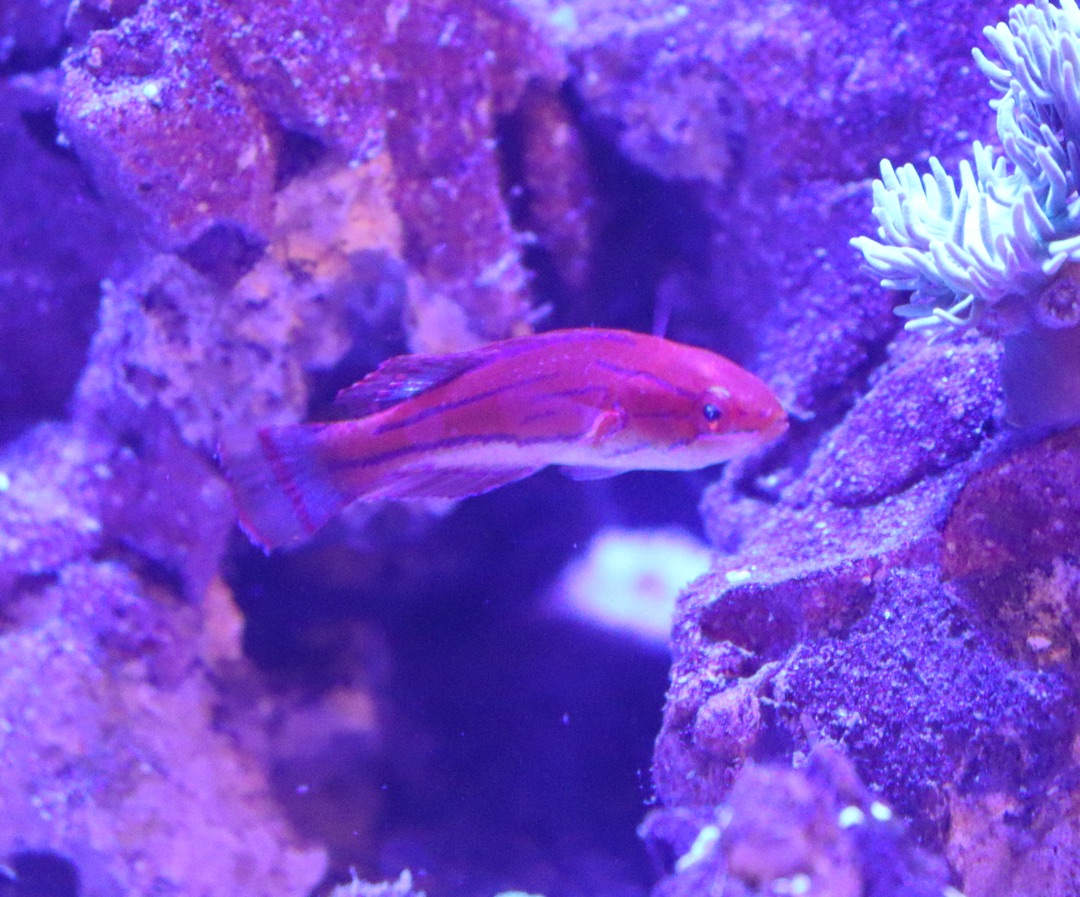
Quick care snapshot
- Scientific name: Paracheilinus carpenteri
- Also called: Carpenter's Wrasse, Carpenter Flasher, Redfin Flasher Wrasse, Pink Flasher Wrasse, Pink Flasher
- Category: Wrasse
- Origin: Western Pacific — Philippines, Indonesia, Taiwan
- Care level: easy
- Temperament: peaceful
- Reef-safe: yes with corals; invert-safe yes for most ornamental shrimp and snails
- Suggested tank: mature 55+ gallons with open swim space and rock refuge
- Max size: about 3.5 inches
- Social: small group — ideally one male with two or more females
- Diet: carnivore — mysis, brine, copepods, pellets
- Jump risk: yes — use a tight-fitting lid
- Dimorphic: yes — males show filaments and brighter flashing color
Tank size, aquascape, and flow
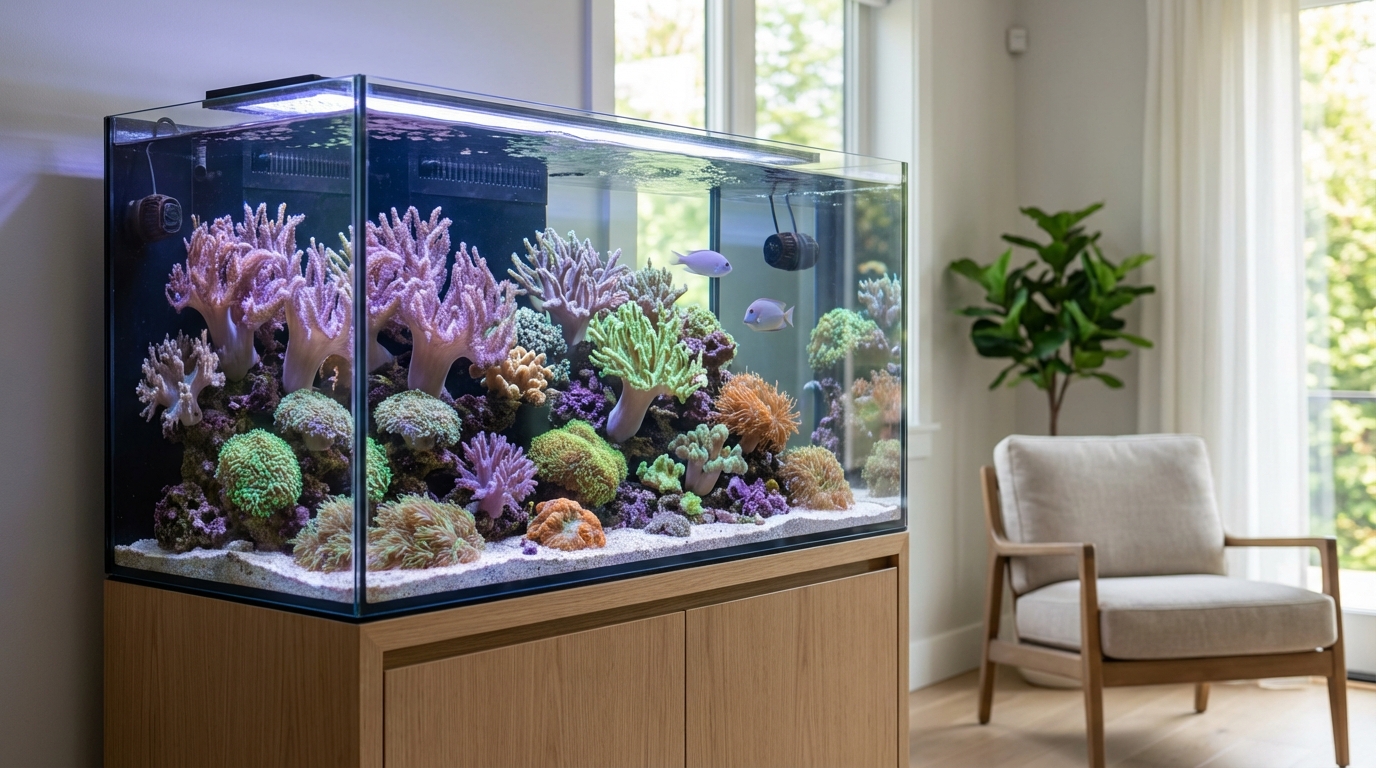
Plan for a mature system of about 55 gallons or larger. Carpenter's Flashers are open-water planktivores, not sand-sifting wrasses. They want mid-water lanes to cruise, rockwork to duck into when startled, and calm neighbors that will not steal every bite at feeding time.
- Leave clear swim space above and in front of the rockwork for flashing displays
- Provide caves and overhangs so a new fish can settle after lights-on
- Keep flow moderate to strong enough for planktonic foods to drift, without blasting their hangouts
- Add them only after the tank is cycled and parameters are boringly stable
In a smaller footprint, a single male is safer than forcing a full harem. In larger mixed reefs, a male with two or more females is the classic, visually rewarding setup when you introduce them together and watch early dominance.
Diet and feeding schedule
Treat this species as a true planktivore carnivore: mysis, brine shrimp, copepods, and quality pellets. Offer small portions several times a day rather than one heavy feed so the male and females all get a share.
- Feed small meaty foods 2–3 times daily
- Target mid-water so shy females are not outcompeted by faster anthias or chromis
- Keep copepods and finely chopped frozen foods in rotation for condition and color
- Ask sellers for recent feeding video — fish already hitting mysis or pellets settle faster
Thin bodies and faded orange usually mean food competition or too few feedings, not “mystery disease” first. Captive-acclimated fish that already eat prepared foods on ReefBay listings are worth prioritizing.
Flashing behavior, harems, and compatibility
The “flasher” name is earned. Dominant males flare elongated dorsal filaments and intensify color during courtship and territorial displays — one of the best daily behaviors in a peaceful reef. Sexes are dimorphic, so plan stocking around a harem rather than a crowd of adult males.
- Best social setup: one male with two or more females in 55+ gallons
- Often works: clownfish, peaceful gobies and blennies, chromis, fairy/flasher wrasses with enough space, most LPS/soft and mixed reefs
- Watch closely: aggressive dottybacks, large predatory wrasses, or multiple adult male flashers in a tight tank
- Inverts and corals: reef-safe and invert-safe for typical ornamental shrimp and snails when fed well
- Quarantine: still QT — peaceful does not mean parasite-proof
Jump risk — lid required
Flasher wrasses are notorious jumpers. A tight-fitting lid or mesh cover is not optional, especially during acclimation, after lights-out startle events, and when chasing food near the surface.
- Cover every rim gap, overflow notch, and cable cutout
- Dim lights for the first evenings after introduce
- Avoid sudden shadows and aggressive surface netting
Buying checklist on ReefBay
Before you tap Buy on a Carpenter's Flasher Wrasse listing, verify:
- Clear, recent photos or video showing body thickness, alert swimming, and (for males) intact dorsal filaments
- Seller notes on diet (mysis / pellets) and quarantine history
- Your tank is 55+ gallons with open mid-water space and a tight lid
- You have a stocking plan: solitary male, or one male with multiple females
- Compare active listings and seller reputation in ReefBay before you commit
Ready to shop? Open the Carpenter's Flasher Wrasse taxon page in ReefBay, compare seller photos next to care notes, and browse the marketplace for healthy stock.