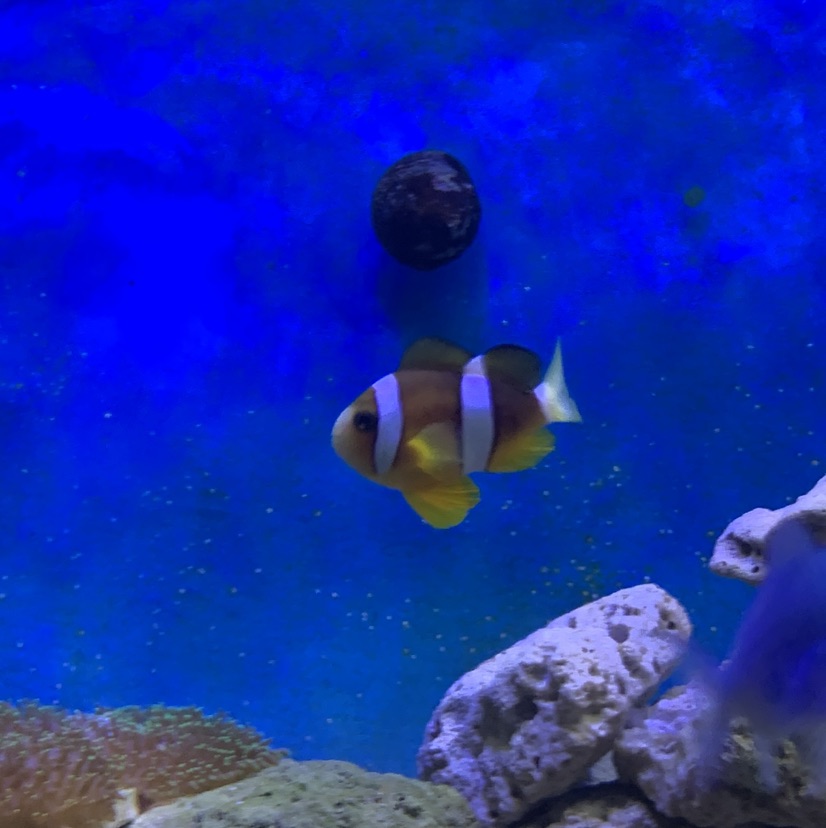
Clarkii Clownfish Care Guide: Tank Size, Diet, Anemones & Tankmates
Clarkii Clownfish care made simple: tank size, easy diet, which anemones it hosts, best tankmates, and tips for buying a hardy captive-bred Clark's clownfish.
The Clarkii Clownfish (Amphiprion clarkii) is a tough, bold clownfish with thick white bars and a yellow tail. It is one of the easiest saltwater fish to keep, and it will host in almost any anemone.
Quick facts
- Tank size: 30 gallons for one, 40 gallons or more for a pair
- Adult size: up to about 6 inches
- Diet: omnivore; pellets, mysis, and some algae foods
- Reef safe: yes
- Difficulty: easy
- Temperament: semi-aggressive, especially near its home spot
What makes it special
Clarkii (also called Clark's or Yellowtail Clownfish) comes in many shades, from bright orange to almost black. Most have two or three white bars and a pale yellow tail.
In the wild it lives across the Indian and Pacific Oceans, from the Persian Gulf to southern Japan. It pairs with more types of anemone than any other clownfish.
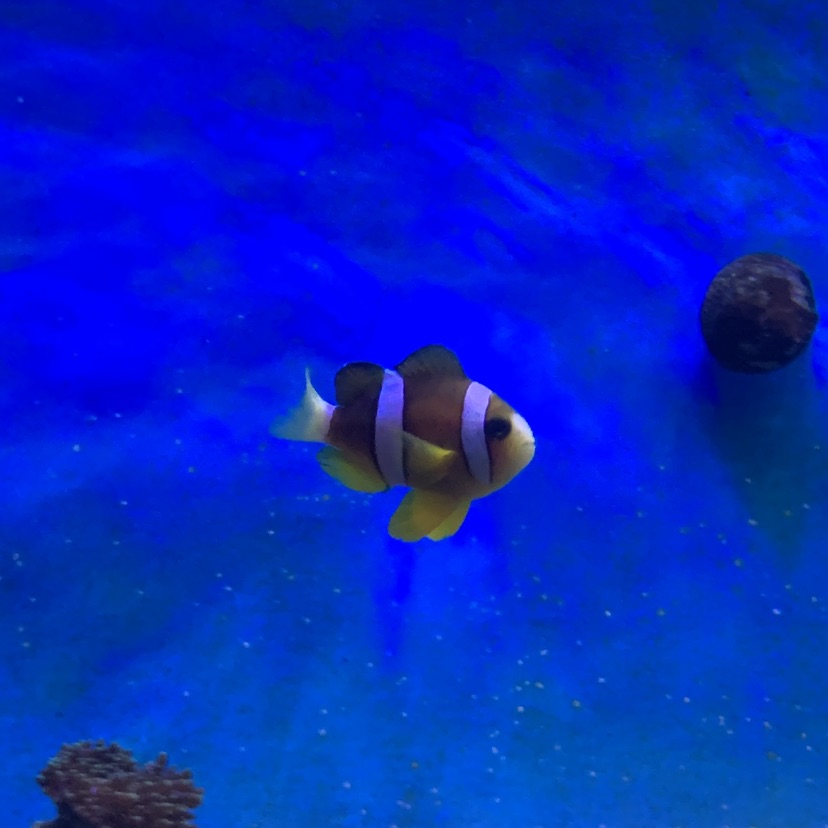
Behavior you can expect
Clarkii is a strong swimmer and very curious. It quickly learns who feeds it and will beg at the glass.
- Home spot: it picks an anemone, coral, or rock corner and guards it
- Attitude: it may chase fish, or even your hand, that come too close
- Pairs: two young fish usually pair up; the bigger one turns female
Tank setup
- Space: it grows bigger than an Ocellaris, so give it room
- Water: 74–80°F, salinity 1.023–1.025, pH 8.1–8.4
- Rockwork: some caves and open swimming space
- Anemone: nice to have, but not needed
A lid or mesh cover helps too. Clownfish rarely jump, but a scared fish can leap when the lights snap on or off.
Diet and feeding
Clarkii eats almost anything, which makes feeding easy. Captive-bred fish usually take pellets on day one.
- Feed quality marine pellets or flakes as the main food
- Add frozen mysis or brine shrimp a few times a week
- Offer some algae-based food for balance
- Feed small amounts once or twice a day
Anemones and hosting
This fish will host in many anemones, like the bubble tip anemone (BTA), carpet, and sebae anemones. It often moves in within days.
- Best pick for beginners: a bubble tip anemone
- Wait first: add an anemone only to a tank that has been stable for 6 months or more
- No anemone? It may host a soft coral, a hammer coral, or a powerhead corner instead
Read our bubble tip anemone guide before you buy one.

Photo: Diego Delso, Wikimedia Commons, CC BY-SA 4.0 — Clarkii Clownfish in a bubble tip anemone
Tankmates
- Good matches: tangs, wrasses, chromis, gobies, and dwarf angels
- Use caution: very shy fish in small tanks
- Avoid: other clownfish species, unless the tank is very large
Need ideas? See our list of the best tank mates for clownfish.
Health and lifespan
- Watch for: white spots (ich), cloudy eyes, or fast breathing
- Quarantine: keep new fish in a separate tank for a few weeks
- Lifespan: 10 years or more with good care
Buying tips
- Choose captive-bred: they are hardier and already eat pellets
- Look for: clear eyes, full fins, and a fish that swims and eats well
- For a pair: buy two small fish, or a pair that is already bonded
FAQ
Can I keep Clarkii with an Ocellaris? It is risky. Clarkii is bigger and tougher, so it often bullies other clownfish.
Does it need an anemone? No. It lives happily without one, though it is fun to watch it host.
Is it good for beginners? Yes. It is hardy, eats well, and handles small mistakes better than most fish.
Ready to add one? Browse livestock in the ReefBay shop, then track feedings and water tests in the ReefBay app.