Lemonpeel Angelfish Care Guide: Tank Size, Diet, Reef Safety & Tankmates
Lemonpeel Angelfish care made simple: tank size, algae-rich diet, coral nipping risk, best tankmates, and tips for buying a healthy bright yellow dwarf angel.
The Lemonpeel Angelfish (Centropyge flavissima) is a small, bright yellow angelfish with electric blue rings around its eyes. It is a fun, busy fish that brings a lot of color to a mid-size tank.
Quick facts
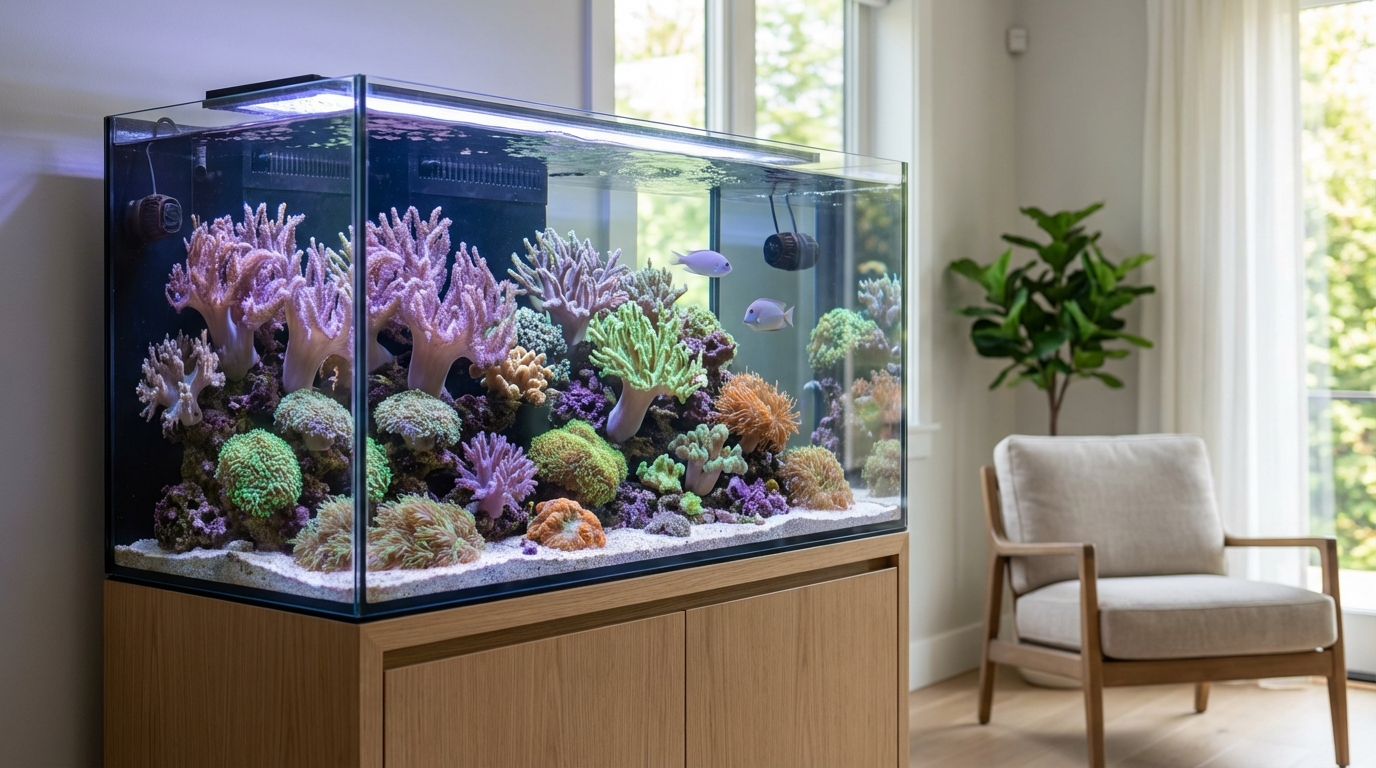
- Tank size: 70 gallons or more, with lots of live rock
- Adult size: about 5 inches
- Diet: omnivore; algae, nori, spirulina foods, and mysis
- Reef safe: with caution, it may nip some corals and clams
- Difficulty: moderate
- Temperament: semi-aggressive, mostly toward other dwarf angels
What makes it special
It is a "dwarf angel," a group of small angelfish that stay a good size for home tanks. Its lemon-yellow body has thin blue edges on the fins and a blue ring around each eye.
It comes from coral reefs in the Pacific, around islands like Fiji, the Marshall Islands, and Christmas Island.

Behavior you can expect
A Lemonpeel spends most of the day swimming in and out of the rocks, picking at algae. It can be shy for the first week or two.
- New fish: give it caves and keep the lights a bit lower at first
- Settled fish: it often comes out front at feeding time
- Grumpy moments: it may chase fish that look or eat like it
Tank setup
- Rockwork: plenty of live rock with caves, so it can hide and graze
- Water: 74–80°F, salinity 1.023–1.025, pH 8.1–8.4
- Flow: moderate flow and good oxygen
- Tank age: add it to a tank that has been stable for a few months
A mature tank with some algae on the rocks gives it something to pick at all day.
Diet and feeding
In the wild it grazes on algae and tiny animals. A well-fed Lemonpeel is also less likely to bother corals.
- Offer nori or dried seaweed a few times a week
- Feed spirulina or angelfish frozen foods and quality pellets
- Add mysis or brine shrimp for protein
- Feed small amounts 2 to 3 times a day
Is it reef safe?
Only with caution. Many Lemonpeels live in reef tanks without trouble, but some pick at corals.
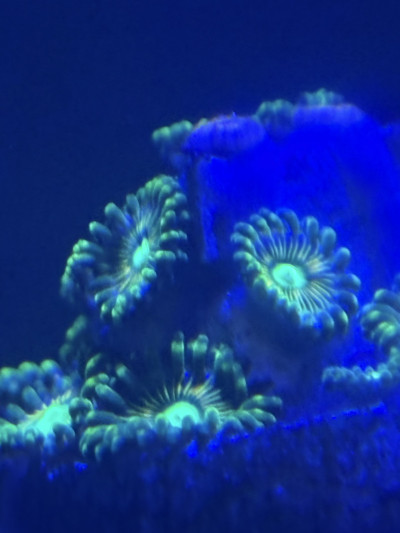
- Most at risk: large-polyp stony corals (LPS), zoanthids, and clam mantles
- Usually fine: many soft corals and hardy SPS (small-polyp stony corals)
- Tip: watch it closely for the first few weeks
Tankmates
- Good matches: clownfish, gobies, chromis, wrasses, and tangs
- Use caution: other dwarf angels and timid fish in small tanks
- Tip: keep one dwarf angel per tank unless it is very large
Add it near the end of your stocking list so it does not claim the whole tank.

Photo: User:Haplochromis, Wikimedia Commons, CC BY-SA 3.0 — Lemonpeel Angelfish
Health and lifespan
- Watch for: white spots (ich), cloudy eyes, or fast breathing
- Quarantine: keep it in a separate tank for a few weeks first
- Lifespan: 5 to 10 years with good care
Buying tips
- Look for: bright color, a round belly, and a fish that is already eating
- Skip: faded color, a pinched belly, or torn fins
- Size: small to medium fish often settle in best
Like bold red instead? Read our Flame Angelfish guide.
FAQ
Can I keep a Lemonpeel with a Flame Angel? Only in a large tank with lots of rock. Add them at the same time to cut down on fighting.
Will it eat my corals? It might. Many leave corals alone, but LPS and clams are most at risk.
Is it good for beginners? It is a good next step once your tank is stable and you are comfortable with feeding.
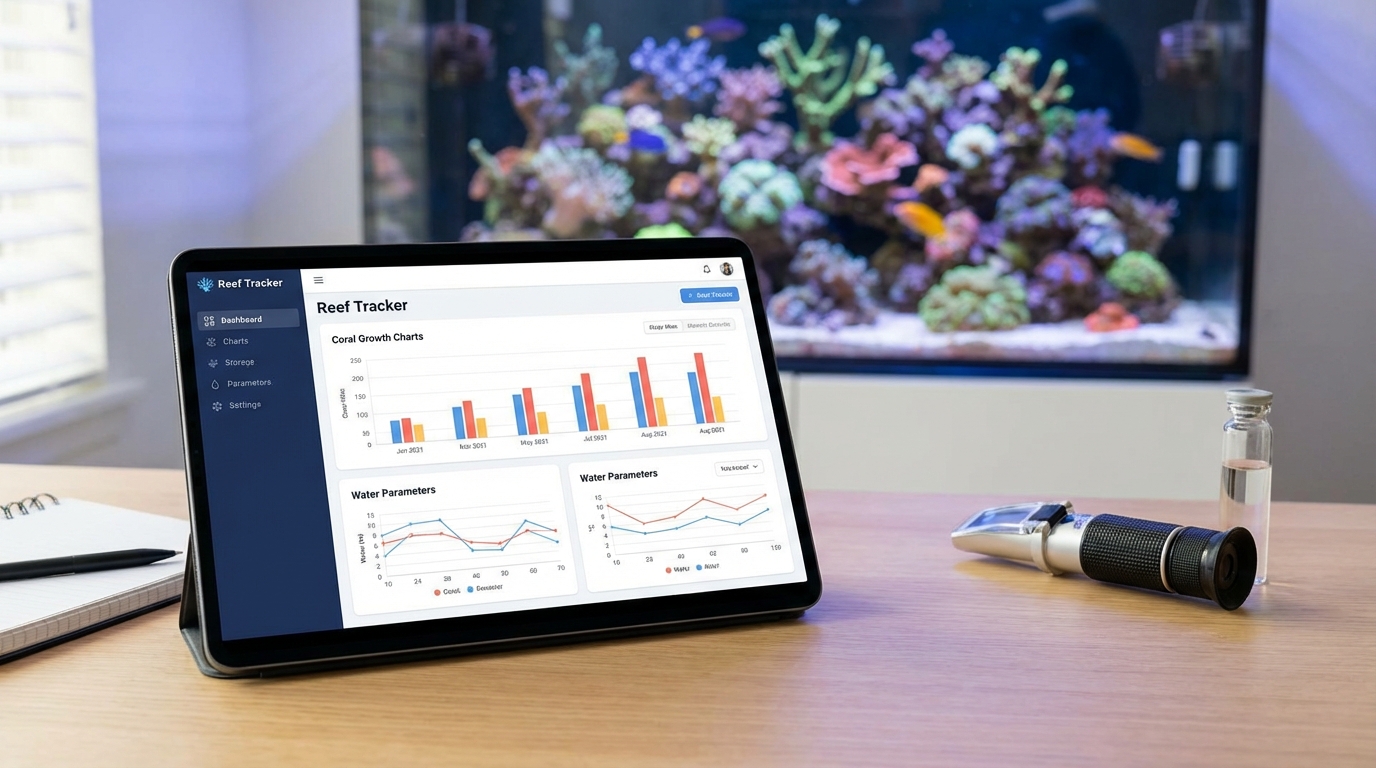
Looking for one? Browse livestock in the ReefBay shop, then track feedings and water tests in the ReefBay app.