Ocellaris Clownfish Care Guide: Tank Size, Diet, Pairs & Host Tips
Learn Ocellaris Clownfish (False Percula) care: 20+ gallon setups, omnivore diet, pair vs solitary stocking, jump-proof lids, optional anemone hosting, and what to check before you buy on ReefBay.
Quick answer
Ocellaris Clownfish are hardy 3 to 4.3 inch reef-safe omnivores that do best in a mature 20+ gallon tank with a tight lid, stable water, and a host spot such as an anemone, coral, or rock overhang. Keep one fish or a bonded pair, and feed pellets, marine flake, mysis, or brine 1 to 2 times daily.
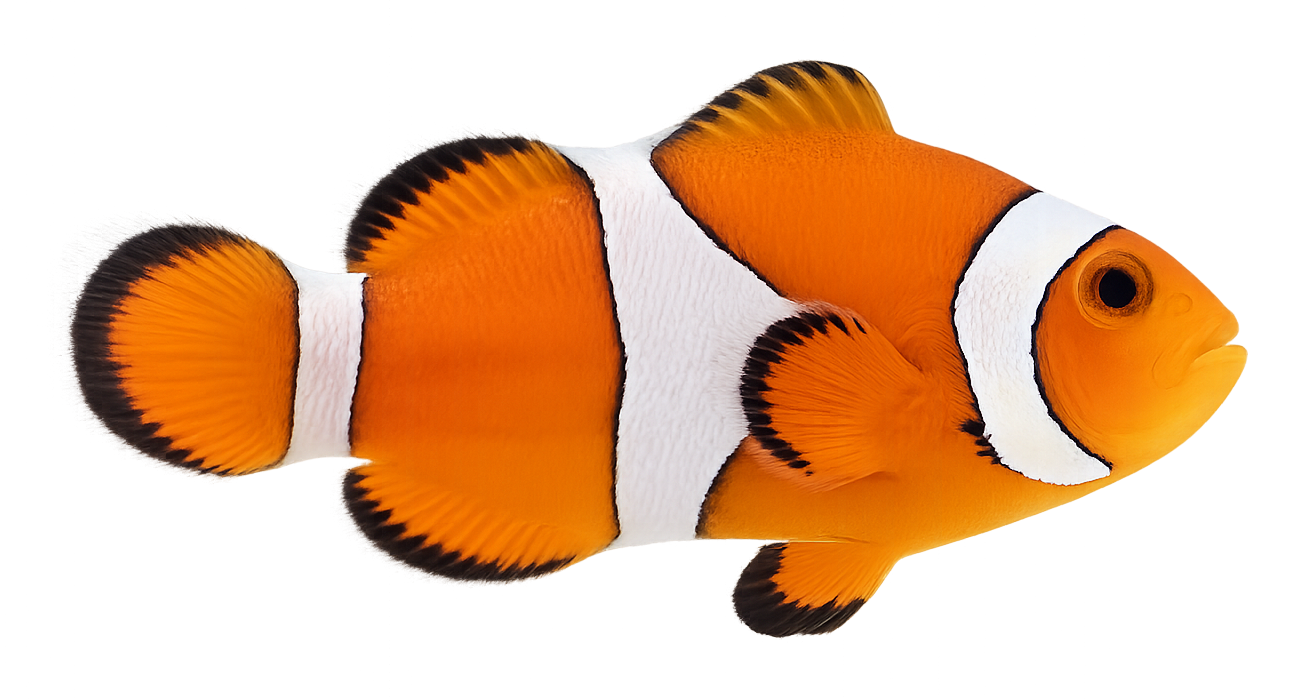
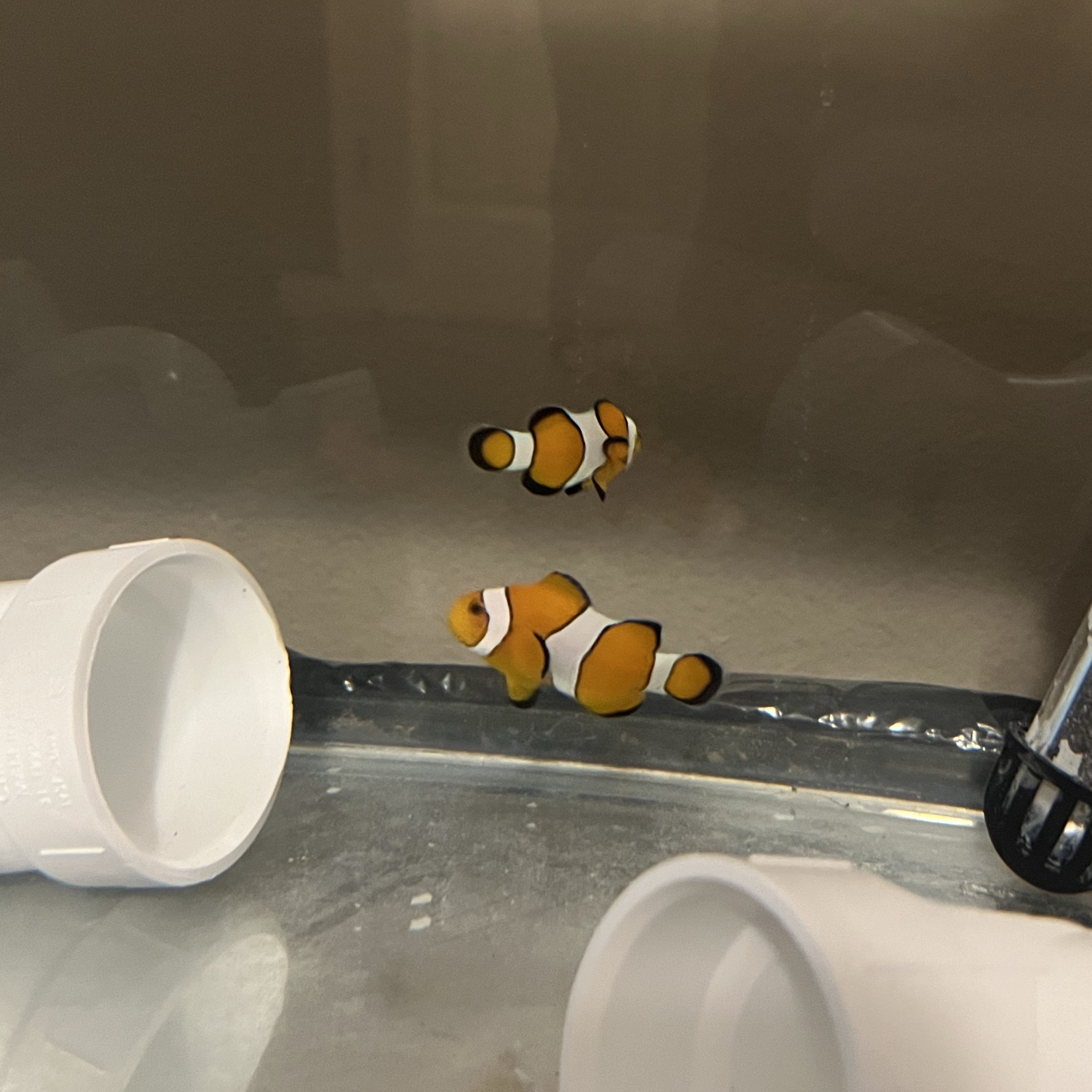
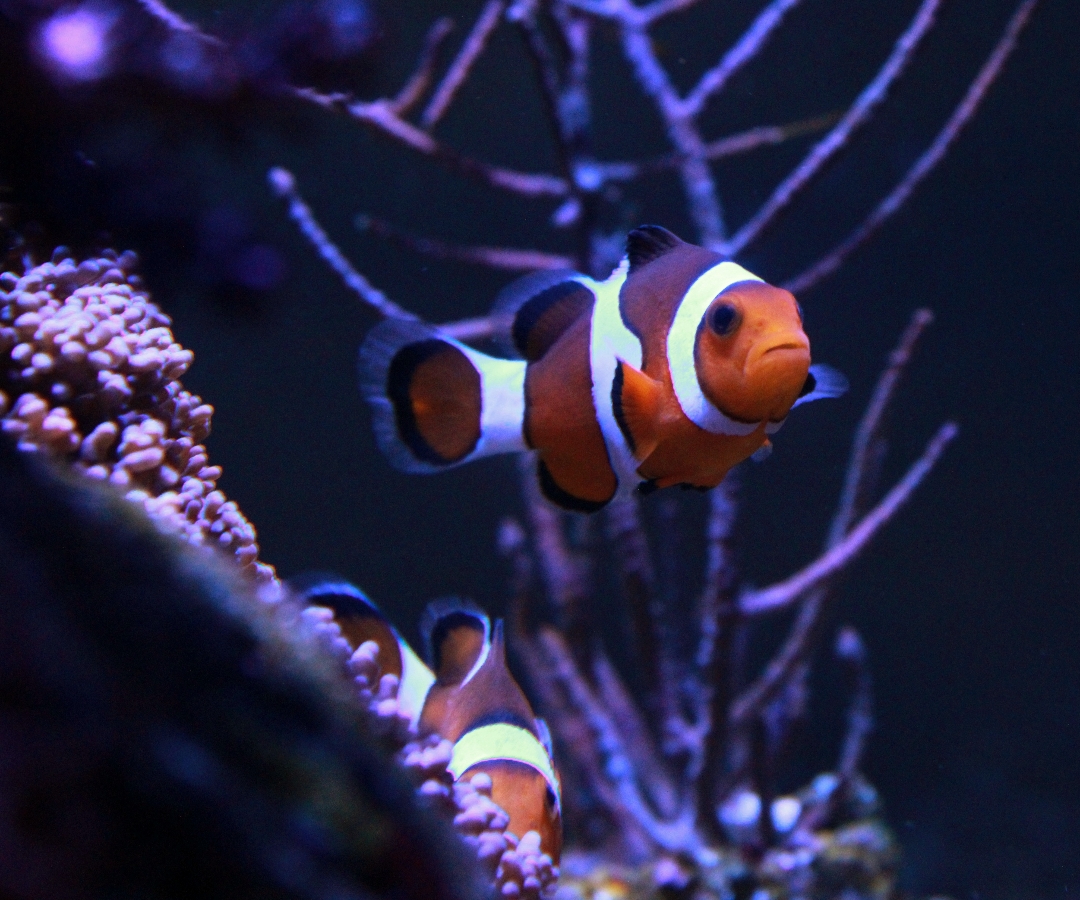
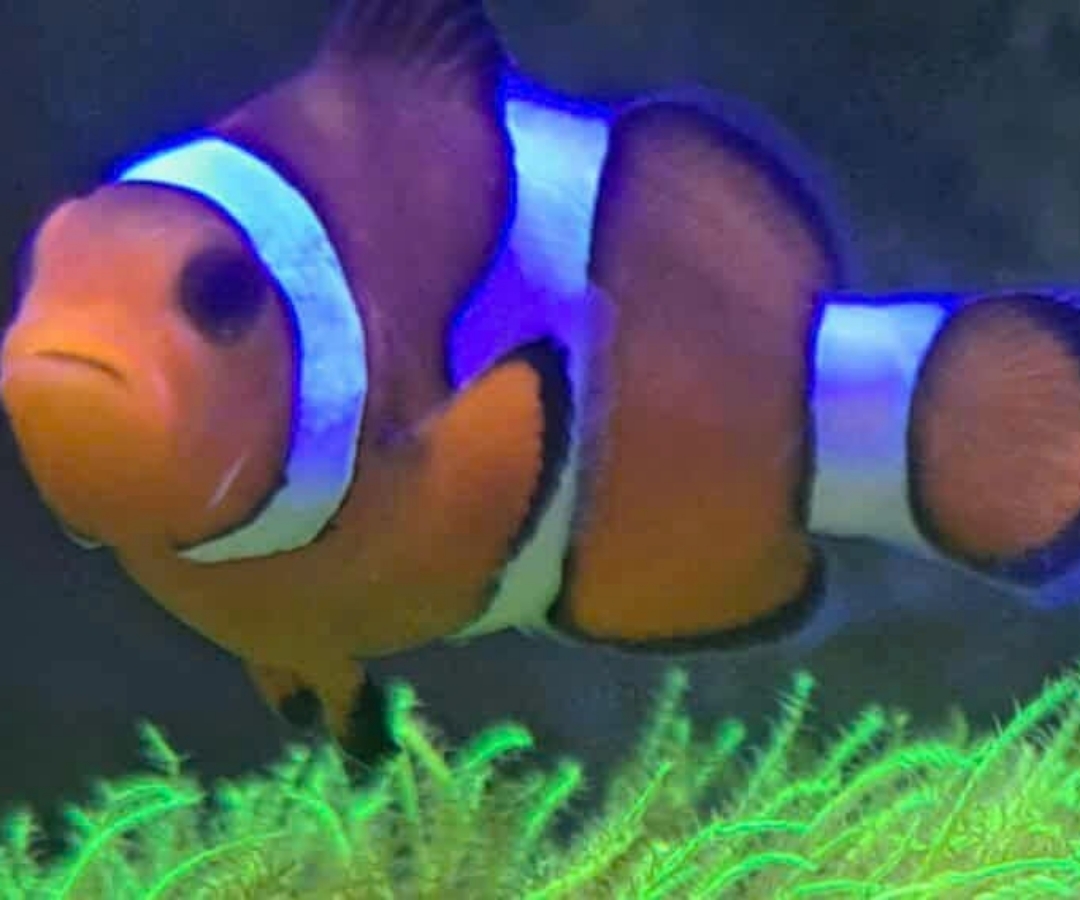
The Ocellaris Clownfish (Amphiprion ocellaris) is the classic beginner reef fish: a rounded orange body with three white bars edged in thin black, a big personality, and captive-bred hardiness that forgives a lot of first-tank mistakes. Also sold as the False Percula Clownfish, Common Clownfish, or “Nemo,” it stays around 3–4 inches, ignores corals, and usually claims a host anemone, coral, or rock overhang instead of roaming the whole display.
This guide covers tank size, diet, pair dynamics, jump risk, and anemone hosting so you can keep a healthy single or bonded pair long-term. When you are ready to buy, compare morphs, QT notes, and seller photos in the ReefBay marketplace against the care targets below.
Quick care snapshot
- Scientific name: Amphiprion ocellaris
- Also called: False Percula Clownfish, Common Clownfish, Nemo, Ocellaris Anemonefish, False Clown Anemonefish
- Category: Clownfish
- Origin: Indo-West Pacific
- Care level: easy
- Temperament: peaceful to semi-aggressive; a bonded pair will defend a host territory
- Reef-safe: yes with corals and most invertebrates
- Suggested tank: 20+ gallons
- Max size: about 3.5–4.3 inches
- Social: solitary or bonded pair (avoid dumping random adults together)
- Diet: omnivore — pellets, marine flake, frozen mysis and brine
- Jump risk: yes — use a tight-fitting lid
Tank size, host, and aquascape
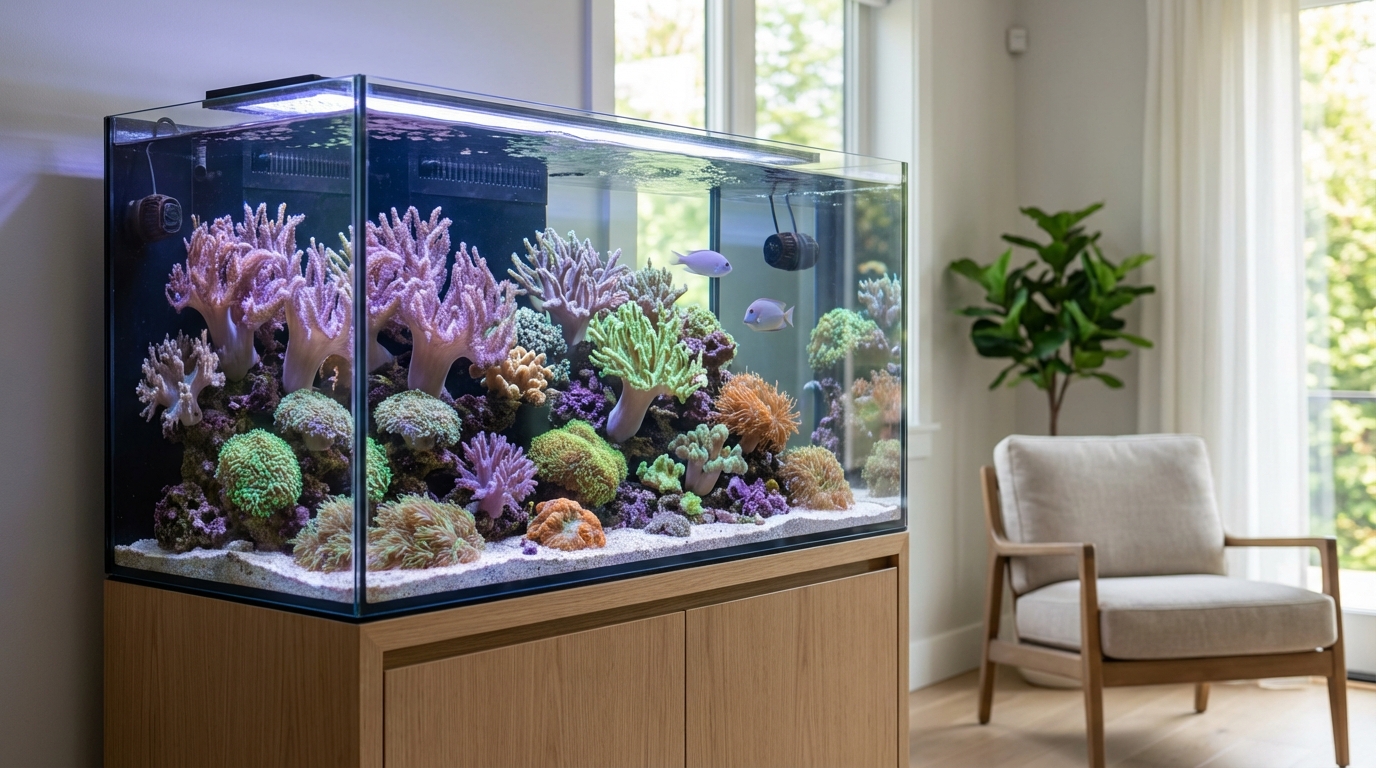
Plan for a mature 20-gallon or larger system. Ocellaris are not open-water cruisers; they stake out a host and work that neighborhood hard.
- Give them a clear “home base”: a host anemone (once the tank is stable enough), a soft coral, or a rock overhang they can claim
- Leave open swimming room around the host so the pair can patrol without constantly bumping LPS
- Use a tight lid. Clowns can jump when startled, during lights-out chaos, or while chasing food at the surface
- Add them after the tank is cycled and parameters are boringly stable
In peaceful nanos near 20 gallons, one fish or a known pair is the safer call. Larger mixed reefs still do best with a single bonded pair rather than a clown circus.
Diet and feeding
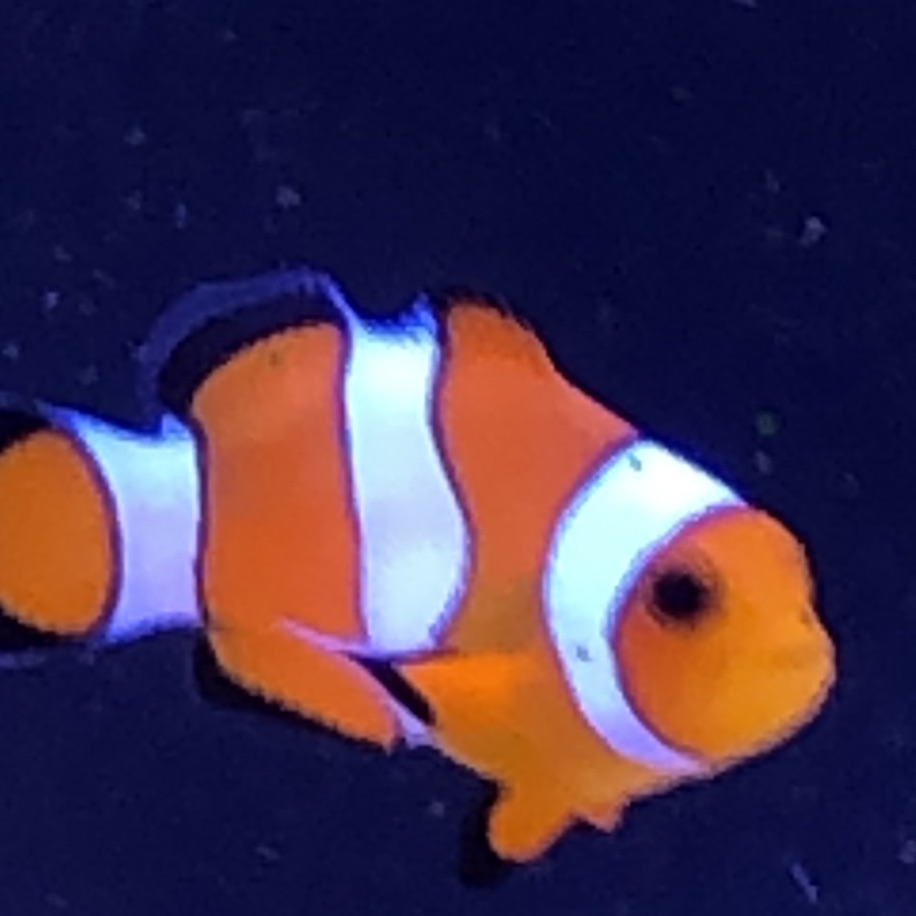
Ocellaris are hardy omnivores. Stick to a rotation of quality pellets or marine flake plus frozen mysis and brine.
- Offer small portions 1–2 times daily (more micro-feeds if tankmates are fast)
- Target food near their host if wrasses or chromis steal mid-water meals
- Crush or choose small pellet sizes for juveniles
- Watch body condition—chubby is common, but “always begging” is not a reason to overfeed the whole display
Captive-bred fish usually take prepared foods on day one. Thin, clamped, or non-eating arrivals need QT attention before they hit the display.
Pairs, aggression, and stocking
Clownfish are sequential hermaphrodites. In a pair, the larger fish is typically female; the smaller is male. Two random adults in a small tank often fight until one dominates or dies.
- Best approach: buy a known bonded pair, or two juveniles and let them sort hierarchy
- Good neighbors: peaceful gobies, firefish, chromis, cardinalfish, most soft/LPS reefs
- Watch closely: other clown species in the same tank; tiny ornamental shrimp near a defended host; very shy fish added after an established pair
- Quarantine: still QT new clowns—popular does not mean disease-proof
A pair will defend the host zone. That is normal; it is not a reason to add a third ocellaris “for the movie.”
Anemones and hosting (optional, not required)
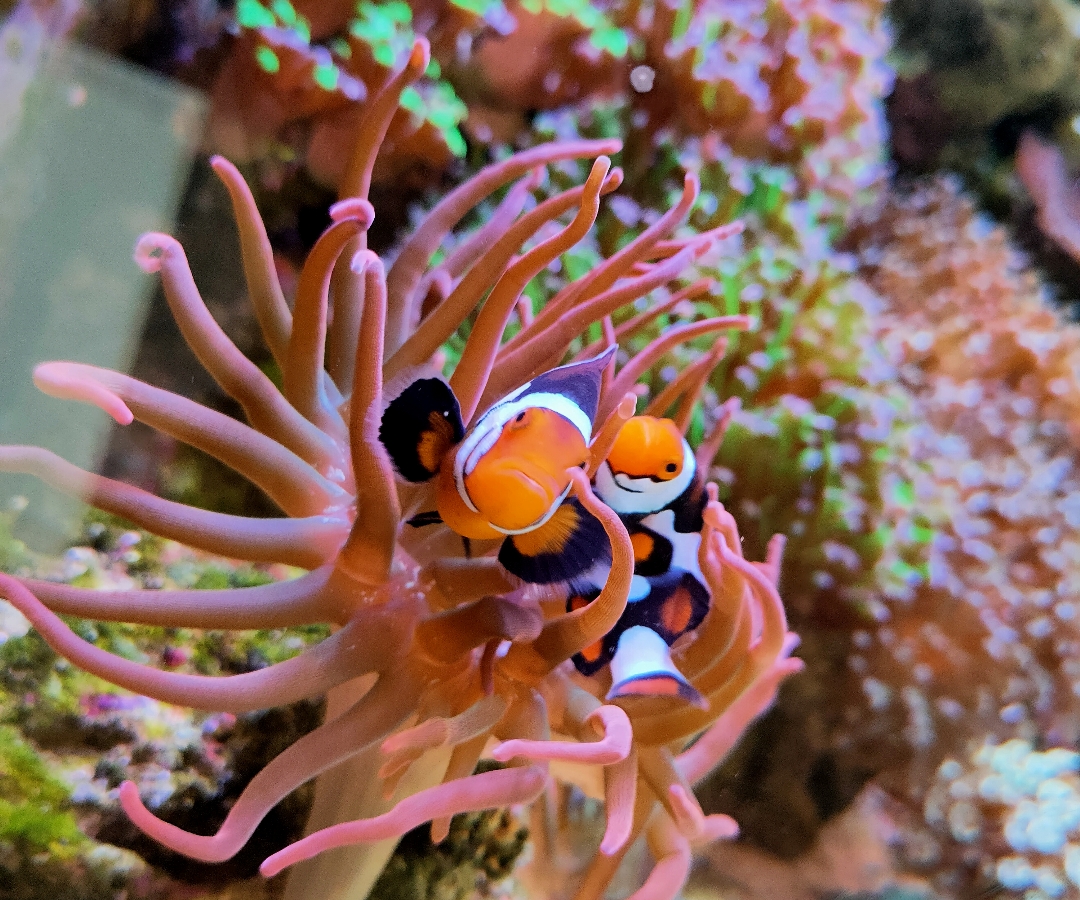
Wild ocellaris partner with anemones, but most aquarium fish are captive-bred and have never seen one. They will still thrive hosting a coral, a rock ledge, or even a powerhead cage.
- Only add a host anemone to a stable, mature system with strong lighting and husbandry—you are adding a second demanding animal
- Classic hosts include bubble-tip anemones; research lighting, flow, and sting risk before you buy
- Never assume every clown will instantly host; some ignore anemones for months
If your goal is a simple, hardy beginner fish, skip the anemone until the rest of the tank is dialed in.
What to check before you buy on ReefBay
Ocellaris are everywhere, which means quality varies. Use listings to screen for husbandry, not just color morphs (classic orange, black, misbar, snowflake, and designer lines).
- Prefer captive-bred labels and clear recent photos or videos of the actual fish
- Ask about quarantine length, feeding response, and whether they already eat pellets or frozen
- Skip bargains that look emaciated, clamped, flashing, or gasping
- For pairs, confirm they were kept together successfully—not just shipped in the same bag
When a listing matches the care targets above, you are far more likely to get the bulletproof clownfish reputation reefkeepers talk about.
Bottom line
Ocellaris Clownfish remain the highest-confidence starter marine fish for most reef tanks: easy diet, reef-safe, huge captive-bred supply, and big personality in a modest footprint. Give them 20+ gallons, a lid, a host spot, and either one fish or a real pair—then shop the ReefBay marketplace for captive-bred stock with clean QT notes.