One Spot Foxface Care Guide: Tank Size, Diet, Venom & Reef Safety
One Spot Foxface care made simple: the right tank size, what to feed this algae grazer, how to handle its venomous spines, whether it is reef safe, and which tankmates work.
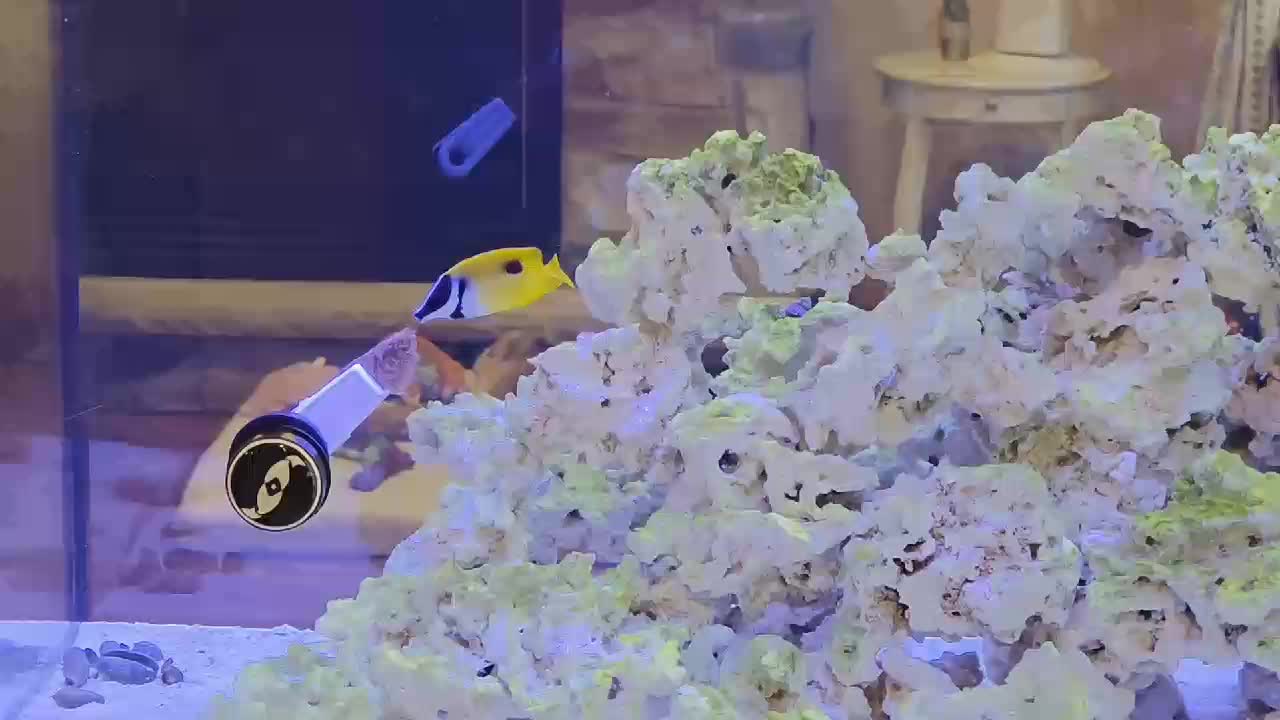
The One Spot Foxface (Siganus unimaculatus) is a bright yellow algae grazer with a black-and-white face and one dark spot on its side. It is hardy, peaceful, and a great pick for beginners who respect its venomous spines.
Quick facts
- Tank size: 70 gallons or more (100+ is better long term)
- Adult size: about 8 inches
- Diet: herbivore; nori, dried algae, and algae-based pellets
- Reef safe: with caution; may nip LPS and soft corals if hungry
- Difficulty: easy
- Temperament: peaceful; may squabble with other foxfaces
What makes it special
You may also see it sold as the Blotched Foxface, Blackspot Foxface, or Onespot Rabbitfish. It comes from the Western Pacific, from Japan down to northern Australia.
It looks almost like the common Foxface Rabbitfish, but has a single black blotch on each side. Some fish show a faint spot or none, so ask the seller if you want a true one spot.

Tank setup
- Space: 70+ gallons with open swimming room
- Shelter: live rock caves where it can hide at night or when scared
- Water: 75–80°F, salinity near 1.025, stable reef parameters
- Lid: not a big jumper, but a lid never hurts
A mature tank with some film algae gives it snacks between meals.
Behavior
One Spot Foxfaces are calm and spend the day picking at rock. They usually ignore other fish.
When scared or sleeping, they turn blotchy brown. This is normal and the yellow returns once they relax.
Keep only one foxface per tank unless you have lots of space. Two can fight.
Feeding
This is a plant eater. Daily greens keep it healthy and less likely to taste your corals.
- Nori or other dried seaweed on a clip
- Algae-based pellets or flakes
- Frozen foods with spirulina or other greens
Feed nori at least once a day. A round belly and steady grazing are good signs.
Reef safety
It is reef safe with caution. Most well-fed foxfaces leave corals alone, but some pick at LPS, zoanthids, and soft corals.
- Usually safe: SPS tanks, snails, shrimp, and crabs
- At risk: LPS, zoanthids, and fleshy soft corals
- Bonus: many eat hair algae and some help with bubble algae
Tankmates
- Good: clownfish, gobies, wrasses, chromis, tangs in a big enough tank
- Risky: other foxfaces or rabbitfish in small tanks
- Avoid: bullies like large triggers that block it from food
Curious about other foxfaces? Read our Magnificent Foxface care guide.

Photo: SuperJew, Wikimedia Commons, CC BY-SA 3.0 — One Spot Foxface
Health and venom
- Lifespan: 5–10 years with good care
- Watch for: thin belly, white spots, torn fins, or hiding all day
- Quarantine: follow our 30-day fish quarantine protocol
- Venom: the fin spines sting. Move it with a cup or careful netting, never by hand
If you get stung, soak the spot in hot (not scalding) water and see a doctor if pain is severe.
Buying tips
- Pick fish with clear eyes, full bellies, and intact fins
- Ask to see it eat nori before you buy
- Check for the side spot if you want a true Siganus unimaculatus
FAQs
Is the One Spot Foxface venomous?
Yes. Its fin spines carry venom, but it only stings when handled or cornered.
Will a One Spot Foxface eat my corals?
Usually not if well fed. Some still nip LPS and soft corals, so watch it closely at first.
Can I keep two foxfaces together?
Only in a large tank, and ideally added at the same time. In smaller tanks they often fight.
Ready to add one?
Looking for a One Spot Foxface or peaceful tankmates? Browse fish from trusted sellers on the ReefBay shop.