Orchid Dottyback Care Guide: Tank Size, Diet, Reef Safety & Tankmates
Orchid Dottyback care made simple: tank size, what to feed, whether it is reef safe, which tankmates work, and why captive-bred fish are the best pick.
The Orchid Dottyback (Pseudochromis fridmani) is a small, bright purple fish from the Red Sea. It is hardy, reef safe, and one of the calmest dottybacks, which makes it a great first fish for many reef tanks.
Quick facts
- Tank size: 30 gallons or more
- Adult size: about 3 inches
- Diet: carnivore; mysis, brine shrimp, and small pellets
- Reef safe: yes, but watch tiny shrimp
- Difficulty: easy
- Temperament: semi-aggressive; keep one per tank

Tank setup
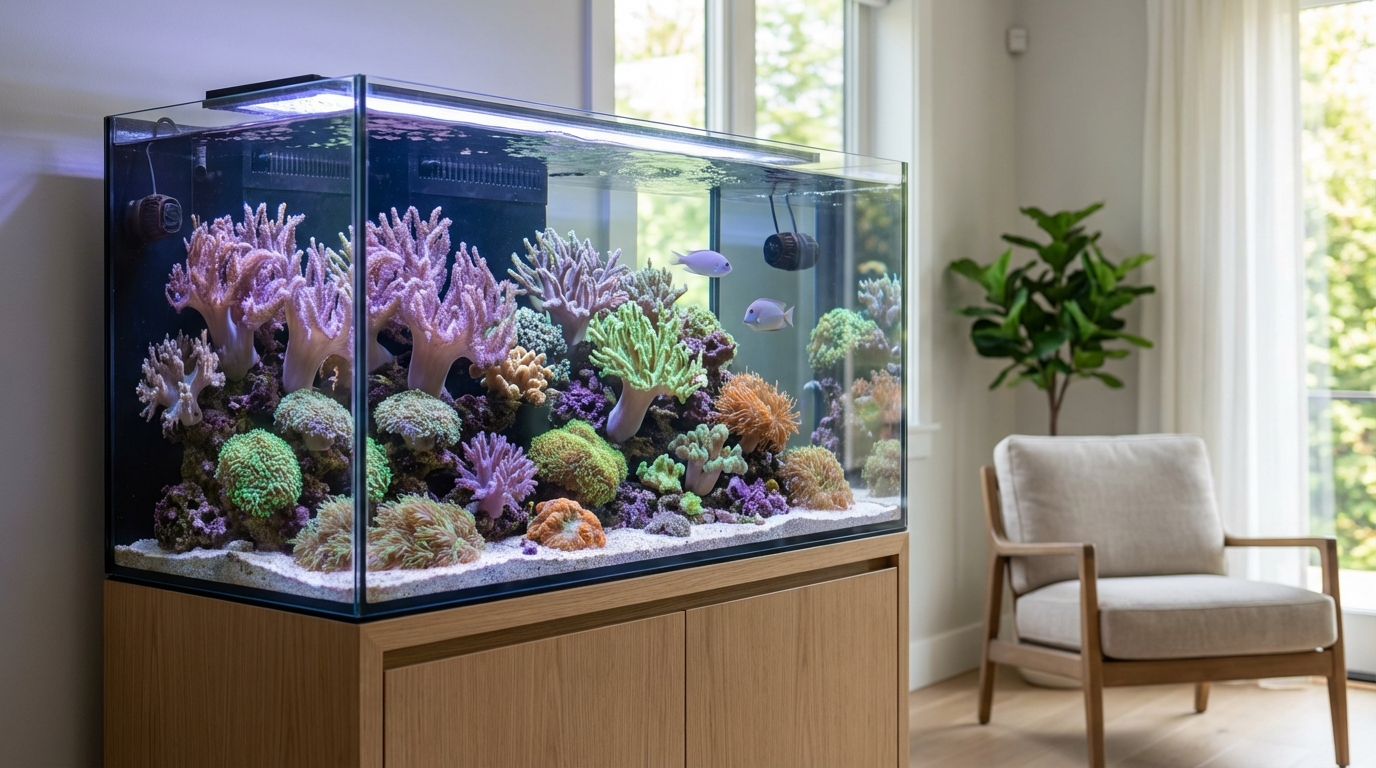
A 30 gallon tank gives an Orchid Dottyback enough room to claim a home. It spends most of its day darting in and out of rockwork, so plan the rocks first and leave open swimming space in front.
- Rockwork: build lots of caves and gaps for it to hide in
- Lid: use a mesh lid, because dottybacks can jump
- Water: 72–78°F, salinity 1.023–1.026, pH 8.1–8.4
- Flow and light: any normal reef setup works
Diet and feeding
Orchid Dottybacks eat meaty foods. Most captive-bred fish take frozen and dry food right away.
- Feed frozen mysis or brine shrimp once or twice a day
- Mix in quality marine pellets or flakes
- Soak food in a vitamin supplement now and then to keep colors bright
Feed only what it eats in a couple of minutes. Extra food just fouls the water. A thin, healthy fish should fill out within a few weeks.
Reef safety
This fish leaves corals, clams, and snails alone. It will also hunt small bristleworms, which many reefers like.
The one risk is very small shrimp. It may pick at tiny shrimp like sexy shrimp or baby pistol shrimp, so add larger cleaner shrimp instead.
Temperament and tankmates
Orchids are gentle for a dottyback, but they still guard their cave. Trouble usually starts with fish that look similar.
- Good tankmates: clownfish, gobies, blennies, firefish, cardinalfish, and small tangs in bigger tanks
- Use caution: other dottybacks, royal grammas, and small purple or slender fish
- Avoid: large predators like groupers, lionfish, and big eels
Add the Orchid Dottyback last when you can. This keeps it from claiming the whole tank before others settle in.

Behavior and lifespan
Expect a busy fish that zips between rocks and pokes its head out of caves. It is shy for the first few days, then becomes bold once it learns where food comes from.
With good care, an Orchid Dottyback can live 5 years or more.
Health tips
- Quarantine first: watch new fish for 2–4 weeks before adding them
- Watch for white spots: ich and velvet show up as dust or spots on the body
- Keep water stable: test nitrate and do small, regular water changes
Buying tips
Orchid Dottybacks were among the first marine fish bred in large numbers, so captive-bred fish are easy to find.
- Choose captive bred: they are tougher and already eat prepared foods
- Look for: deep, even purple color, clear eyes, and clean fins
- Ask to see it eat: a healthy fish grabs food without delay
Wild fish come only from the Red Sea, where they live on reef slopes and in coral rubble.

Photo: Diego Delso, Wikimedia Commons, CC BY-SA 4.0 — a wild Orchid Dottyback in the Red Sea
FAQ
Is the Orchid Dottyback good for beginners? Yes. Captive-bred Orchids are hardy, eat well, and handle small mistakes better than most reef fish.
Can I keep two Orchid Dottybacks? It is best to keep one. Two often fight unless they are a proven pair in a large tank.
Will it bully my other fish? Usually not. It is one of the most peaceful dottybacks, but it may chase new or look-alike fish at first.
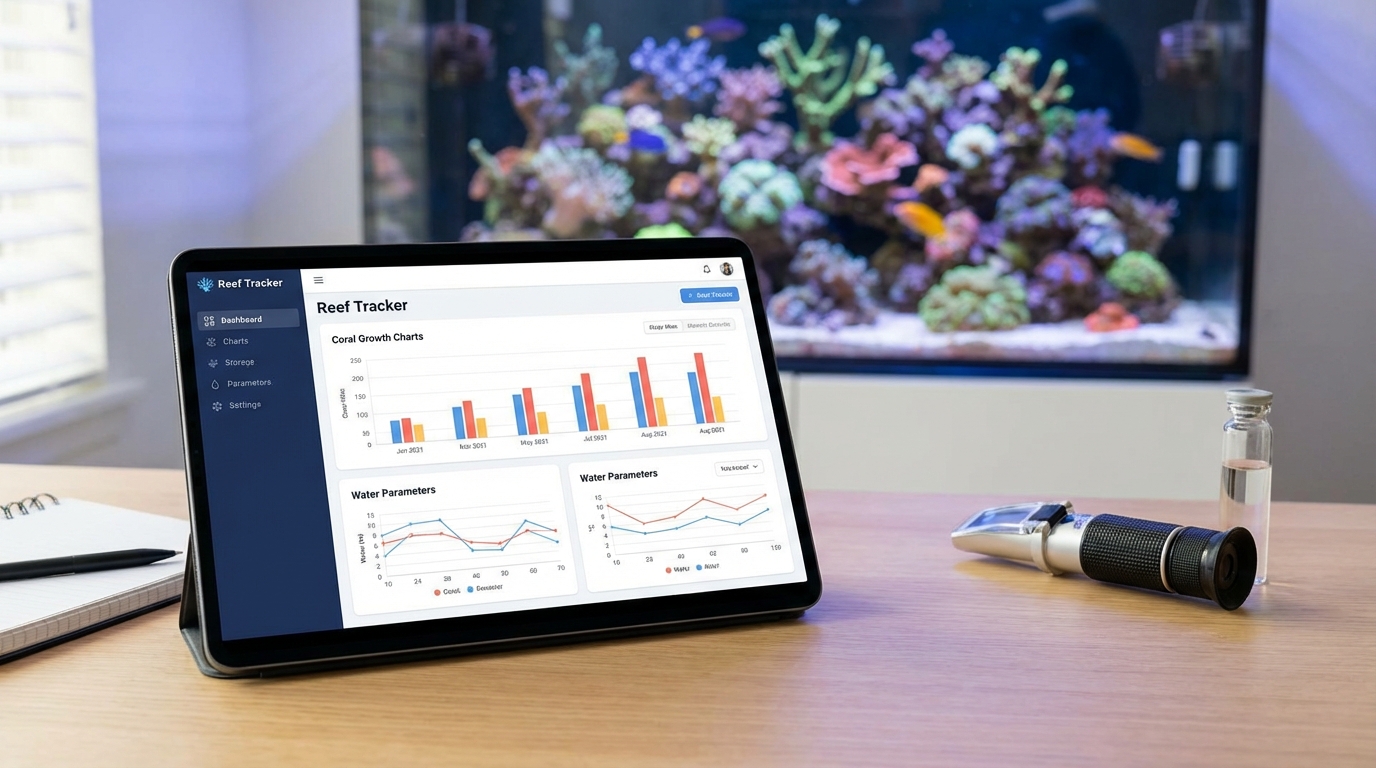
Ready to add one? Browse livestock and gear in the ReefBay shop, then track feedings and water tests in the ReefBay app.