Scribbled Rabbitfish Care Guide: Tank Size, Diet, Venom & Reef Safety
Scribbled Rabbitfish care made simple: the right tank size, what to feed this algae grazer, how to handle its venomous spines, whether it is reef safe, and which tankmates work.
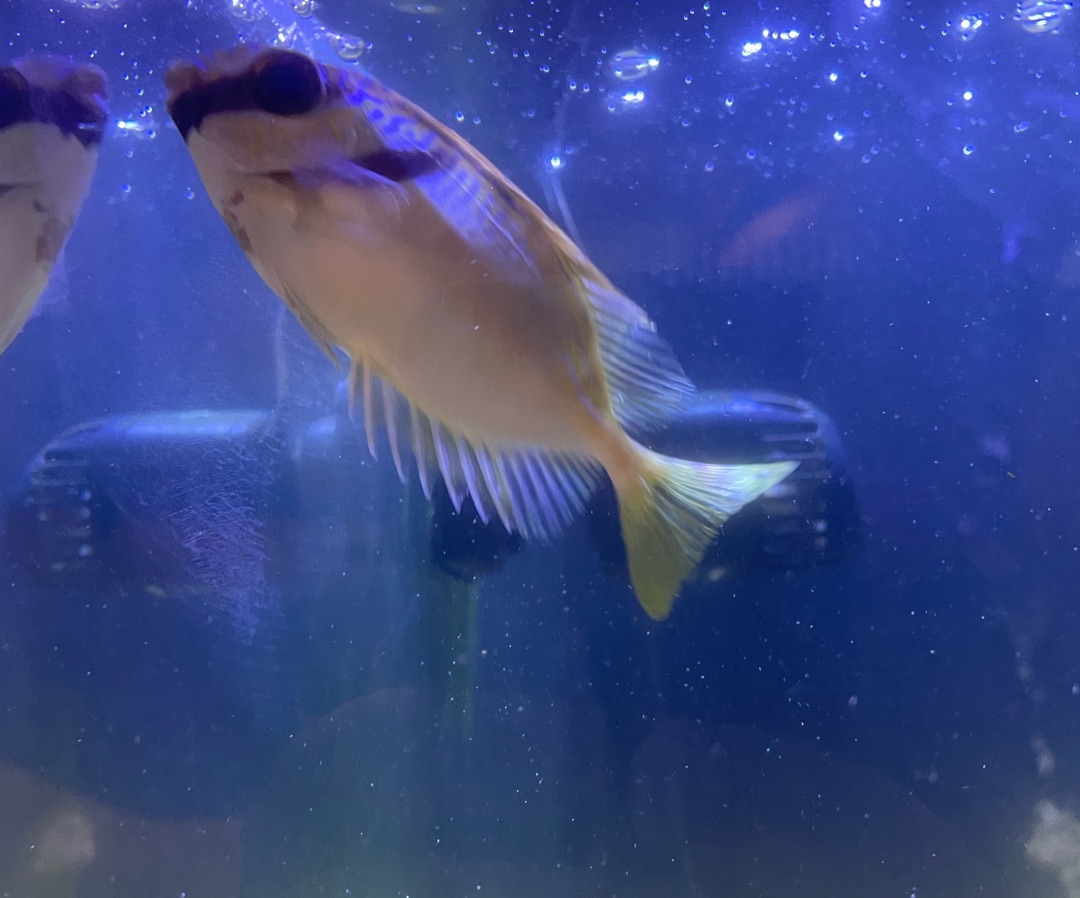
The Scribbled Rabbitfish (Siganus doliatus) is a peaceful Western Pacific grazer with yellow fins, two dark face bars, and fine blue-and-yellow “scribble” lines on its head. It is an easy algae eater for larger reefs if you respect its venomous spines and keep it well fed.
Quick facts
- Tank size: 100 gallons or more
- Adult size: about 10 inches
- Diet: herbivore; nori, dried algae, algae-based pellets, and frozen greens
- Reef safe: with caution; may nip LPS, zoanthids, and soft corals if underfed
- Difficulty: easy
- Temperament: peaceful with other species; can fuss with other rabbitfish
What makes it special
Hobbyists also call it the Barred Spinefoot, Barhead Spinefoot, Blue-lined Rabbitfish, Pencil-streaked Rabbitfish, or Two-barred Rabbitfish. It belongs to the same rabbitfish group as the popular foxfaces.
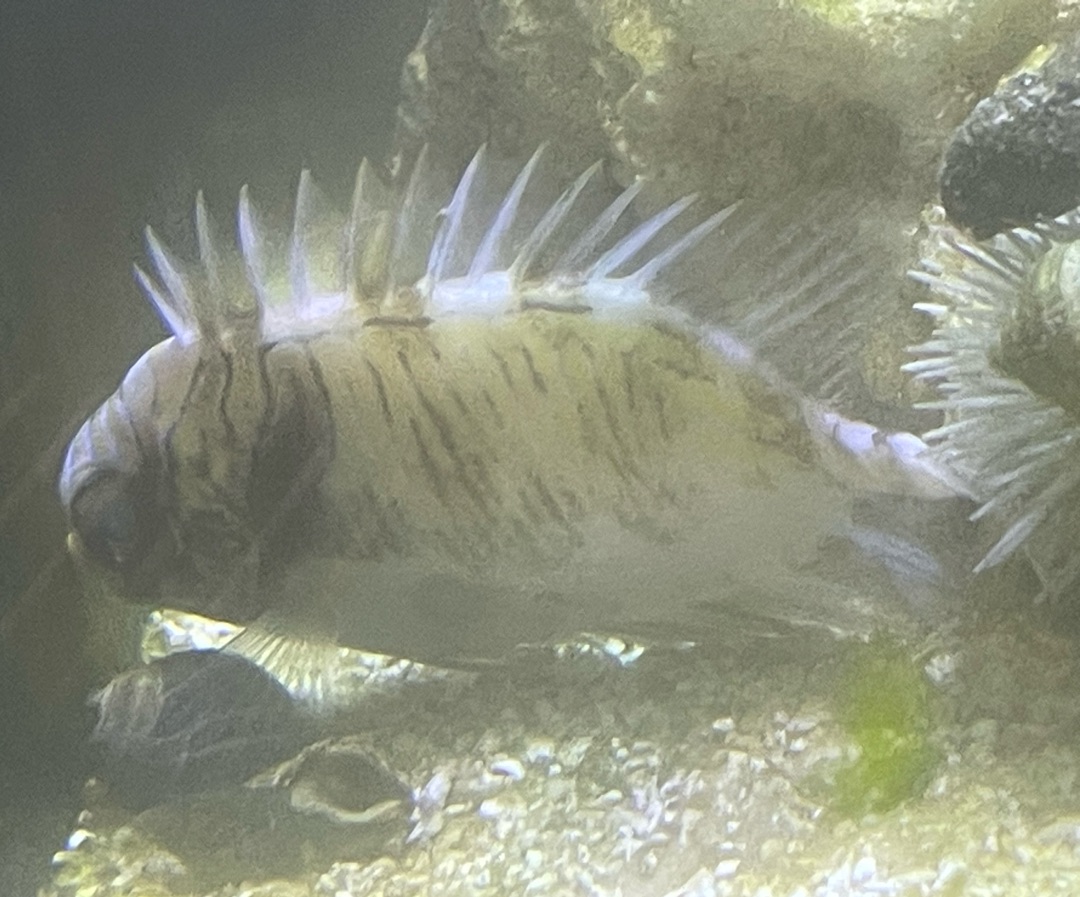
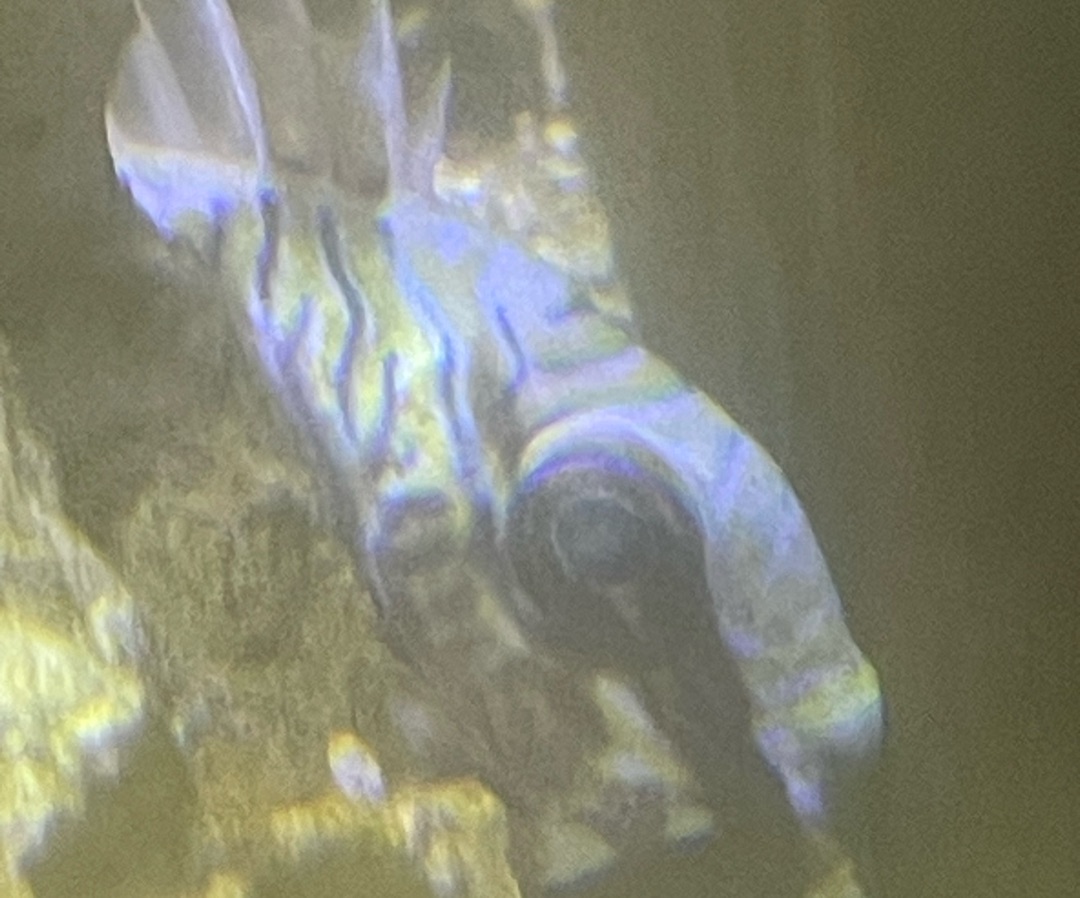
The body is pale blue to greenish, with yellow-and-blue scribbles on the head and front half, a dark bar through the eye, another bar behind the gills, and a bright yellow rear body and fins.
It spends the day picking at film algae and can help with hair algae and other nuisance growth. That daily grazing, plus the bold pattern, is why so many reef keepers want one.
Tank setup
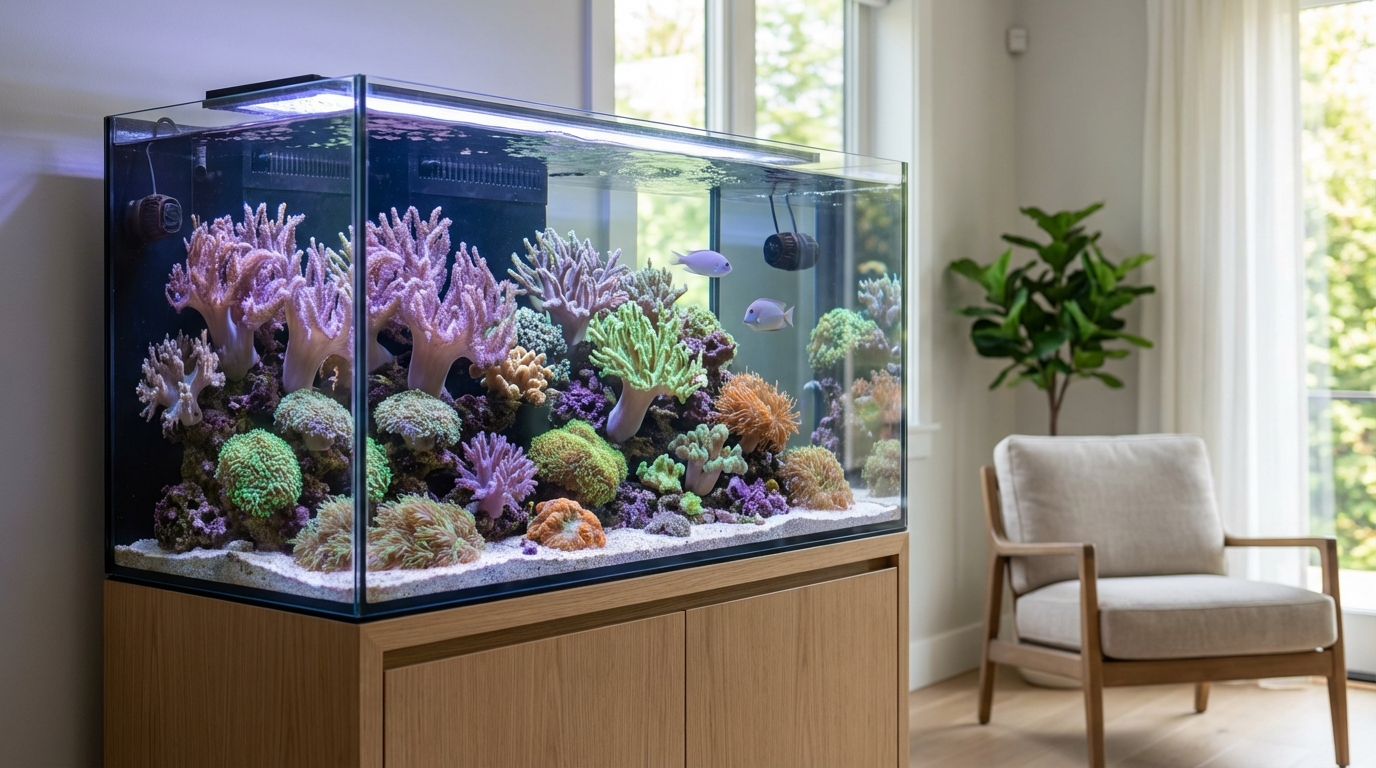
- Space: 100+ gallons with open swimming room — adults reach about 10 inches
- Shelter: live rock caves and ledges where it can duck out of sight
- Water: 75–80°F, salinity near 1.025, and stable reef parameters
- Algae: a mature tank with some natural film gives it extra snacks between meals
Give it room to cruise the rock and glass. A cramped tank makes this active swimmer stressed and more likely to pick at corals.
Behavior
Scribbled Rabbitfish are peaceful with most community fish and spend the day grazing. They are not out looking for a fight.
They can be territorial toward other rabbitfish or similar grazers. A bonded pair can work in a large tank, which matches how this species likes to live.
When startled, they raise their dorsal spines. That is a warning, not an attack — give them space and do not net them carelessly.
Feeding
This is an herbivore. Keep vegetable foods in front of it every day so it does not start tasting corals.
- Nori and other dried marine algae on a clip
- Algae-based pellets or flakes
- Frozen greens such as spirulina-rich mixes
Offer nori at least once a day. A round belly and constant picking at the rock are good signs.
Reef safety
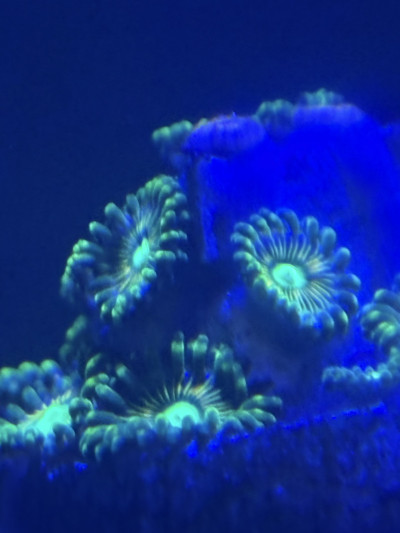
This rabbitfish is reef safe with caution. Well-fed fish usually leave most corals alone, but a hungry one may nip LPS, zoanthids, and soft corals.
- Usually safe: many fish-only and mixed reefs, plus snails and shrimp
- At risk: LPS, zoanthids, and fleshy soft corals when grazing food runs short
- Inverts: generally invert-safe

Photo: Leonard Low from Australia, Wikimedia Commons, CC BY 2.0 — Scribbled Rabbitfish
Tankmates
Pick tankmates that will not bully this peaceful grazer or look like another rabbitfish.
- Good: clownfish, gobies, wrasses, chromis, and other calm community fish
- Risky: other foxfaces, rabbitfish, or similar grazers if space is tight
- Avoid: large aggressive fish that claim the whole rock pile and block feeding
If you want a pair, add them together in a large tank so they can settle as partners instead of rivals.
Health and lifespan
- Lifespan: several years with steady greens and clean water
- Watch for: weight loss, faded color, torn fins, white spots, or hiding all day
- Quarantine: follow our 30-day fish quarantine protocol
- Venom: dorsal, anal, and pelvic spines can sting. Move the fish with a clear container or very careful netting — never grab it
A sting is painful. If you are stung, clean the area and get medical help, especially if you have allergies or the pain is severe.
Buying tips
- Choose fish with clear eyes, intact fins, and a full belly
- Ask to see them eat nori or other greens before you buy
- Look for the two dark bars and scribbled head lines so you know it is Siganus doliatus
- Skip thin fish, damaged spines, or fish that hide and refuse food
FAQs
Are Scribbled Rabbitfish venomous?
Yes. The dorsal, anal, and pelvic spines carry venom. The fish is not mean toward people, but a careless net or hand can get stung.
Is the Scribbled Rabbitfish reef safe?
It is reef safe with caution. Feed plenty of algae so it is less likely to nip LPS, zoanthids, and soft corals.
What size tank does a Scribbled Rabbitfish need?
Plan on 100 gallons or more. Adults reach about 10 inches and need open water plus rock caves.
Ready to add one?
Looking for a Scribbled Rabbitfish or peaceful tankmates? Browse fish from trusted sellers on the ReefBay shop.