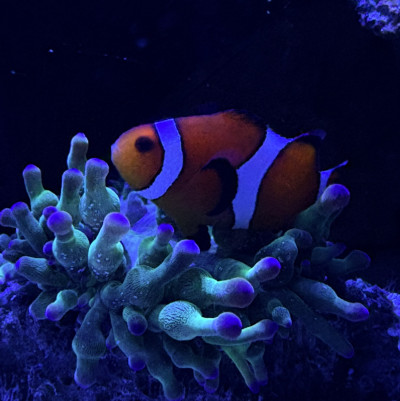
🐠🪸 My First Marine Aquarium – DIY Reef Project
My first marine aquarium, now running for 6 months! I’m learning everything on my own and personally designed and built the sump, modified the cabinet, and installed the entire electrical system myself, including internal lighting, three protected power outlets, circuit breakers and an electricity consumption monitor.
Equipment includes two AI Hydra 32 HD lights, a Bubble Magus skimmer, Jebao pumps, a 100 W heater, refugium, bubble trap, DIY automatic top-off and sensors, plus 35–40 kg of live rock.
Currently home to 16–17 fish, crabs, a shrimp, a sea urchin and snails.
🌊 My dream is to create a beautiful reef full of colorful corals. I’m still learning, so any advice is welcome! 🙏🪸
Comments
Sign in to leave a comment
No comments yet
Be the first to start the conversation.

How many gallons is your tank? I have a 60g breeder with 7 smaller fish, 2 urchins, a few snails, a cleaner shrimp, a sand sifting star, a sea slug, a bubble tip anemone that doesn’t look like it feels too good, and a number of soft corals, some doing well and some not so much. A friend told me not to ad anymore fish as I’m over stocked as it is. Am I?
@AngyReef
16d
Hi! I have a 230-litre aquarium (about 61 US gallons) and a 100-litre sump (about 26 US gallons). I have around 16 fish, plus: * 1 Bubble Tip Anemone (Entacmaea quadricolor) * 1 starfish * 2 shrimp * 1 crab * 2 hermit crabs * 1 sea urchin * Several soft corals and a few LPS/SPS corals. I’m still a beginner in the hobby, but all my fish are doing well, and so are my corals! Anemones are the most difficult to keep. I’ve already lost two, as they are really sensitive. I’ve lost a few corals due to my lack of experience, but I’m gradually learning. You need to keep magnesium, calcium, salinity, and phosphate levels under control. These are some of the first parameters that can cause stress to corals and anemones if they are out of balance.
Thank you. I am also a beginner. My tank has been up and running for 11 months. I’m sure some of my parameters are off. All fish are doing great. Some corals are doing good but some are obviously stressed. I don’t have a sump so everything is a simple set up. Learning day by day. My friend is a perfectionist and considers himself an expert on saltwater so 🤷♀️. I will win some and lose some, it’s the nature of the hobby. You learn something new about it everyday.
@AngyReef
16d
I didn’t have a sump at first either. I had an internal Tunze protein skimmer. But then I realized how difficult it was to manage an aquarium without a sump. I decided to change the cabinet while keeping the same aquarium, without drilling any holes in the glass. I used a Tunze Overflow Box 1074/2 to drain the water from the aquarium into the sump, and a return pump to pump the water back into the tank. It was a game changer! It’s much easier to keep the water parameters stable, and you can use phosphate-removing media in a reactor, which is much more difficult to manage without a sump. I’d recommend considering this modification in the future. If you don’t want to replace your aquarium, you can use an external overflow box like mine without having to drill any holes in the tank. ☺️✌️
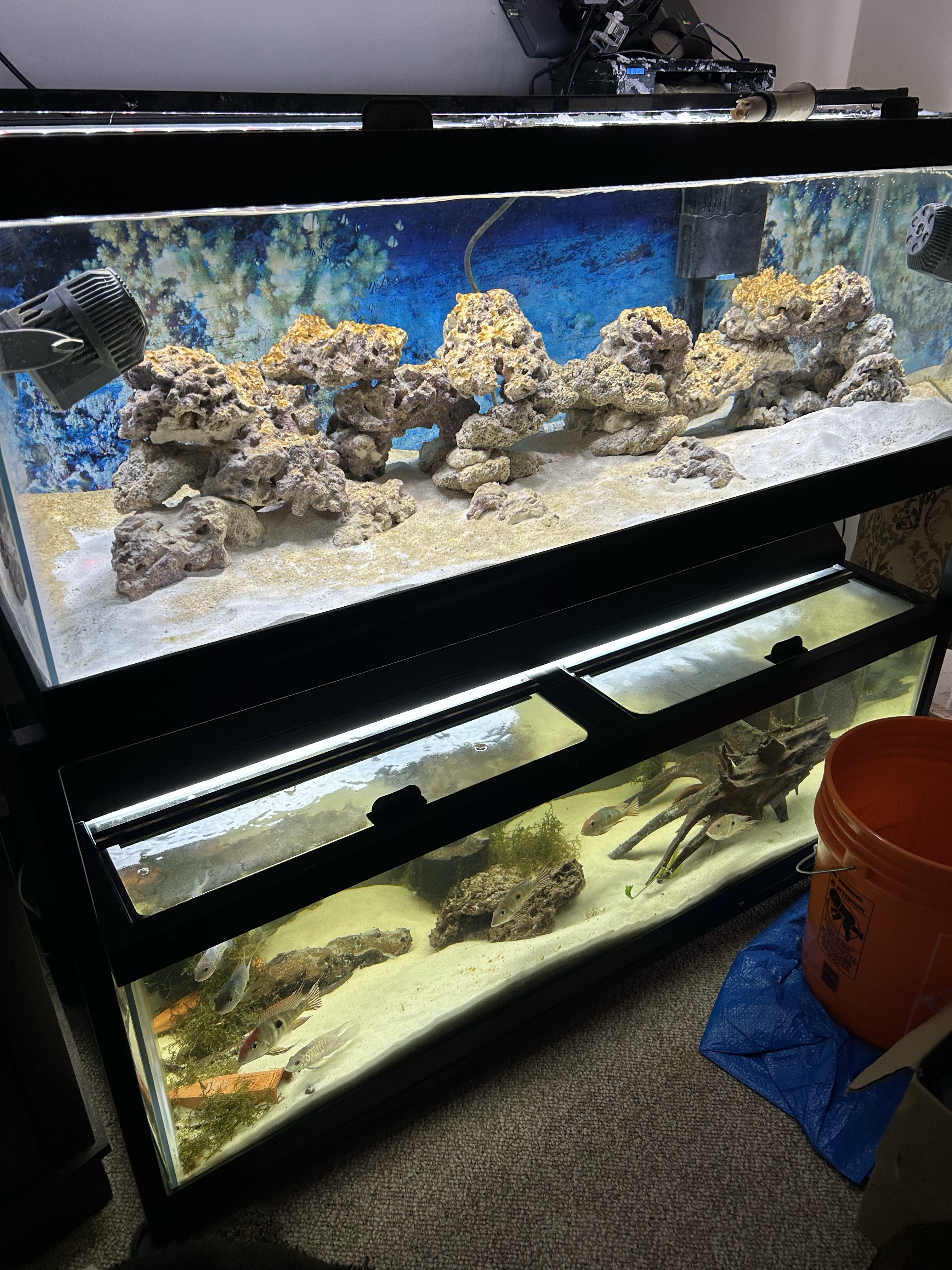
I bought a 30g used sump but need to get my tank drilled. The set up you have is nice but I’ve heard that that set up can flood if the power goes out. Also not sure how I’d set it up since my tank is a stack set of two 60g breeders. The pic is before I had anything in it. Too tank is saltwater, bottom tank is freshwater.
@AngyReef
15d
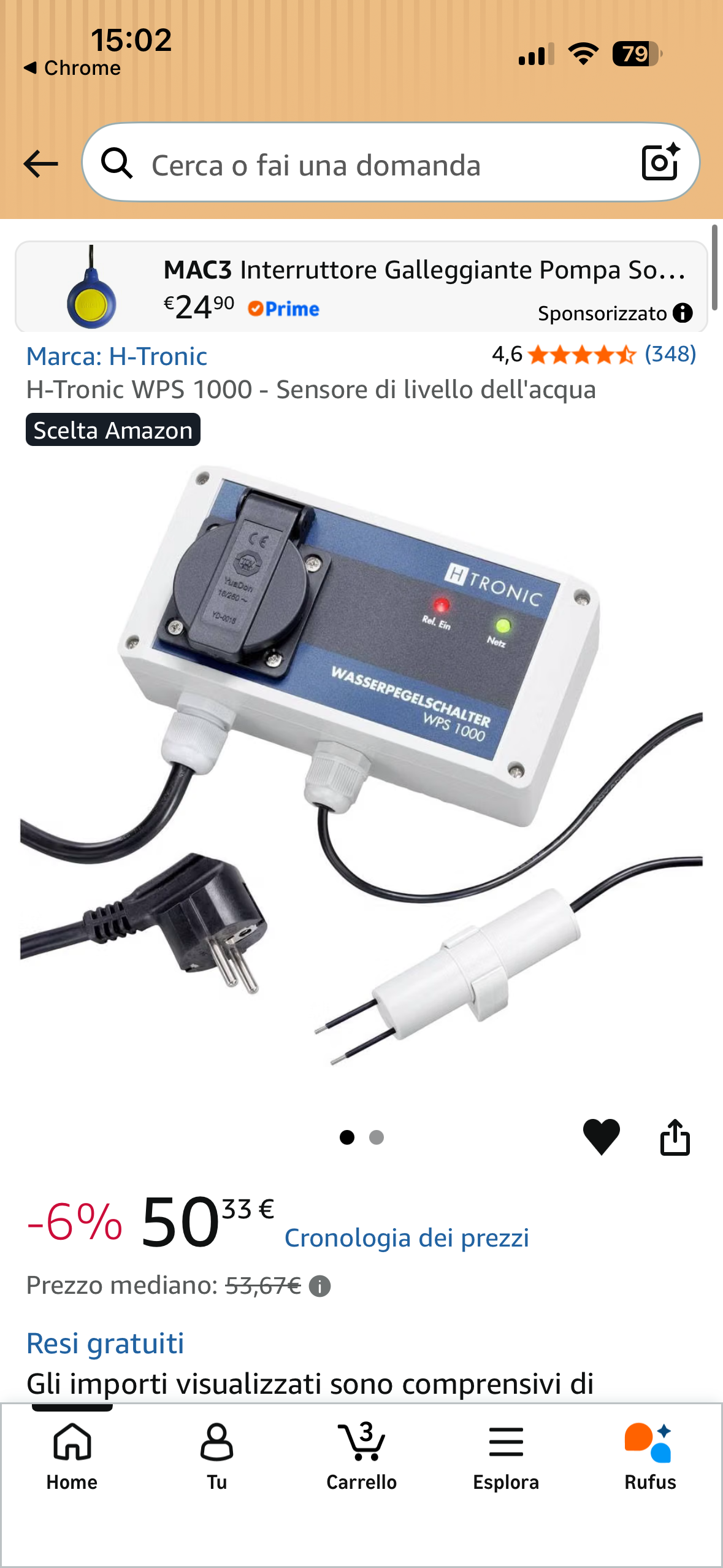
No flooding the house! 😂 If the power goes out, the return pump shuts off. Water continues to drain into the sump, but there is enough spare capacity to collect the remaining water until the water level in the main tank drops low enough for the overflow to stop draining. In the event of a power outage, the water level in the sump rises by a maximum of 4 cm. (I’ve already tested it.) However, if the overflow somehow gets clogged and stops draining water into the sump, the return pump would continue pumping water into the main tank, creating a risk of flooding. But with my setup, that’s practically impossible because I’ve installed a float switch called the WPS 1000. When the sensor comes into contact with water, it triggers an electrical circuit that immediately cuts power to the return pump. The pump won’t start again until the water level drops below the sensor’s two contacts. I’ve designed the whole system to protect against both power outages and blockages. 🤣 Now I can sleep peacefully! 😎
Sign in to join the conversation.





Seriously impressive DIY setup!