Maroon Clownfish Care Guide: Tank Size, Diet, Aggression & Color Morphs
Maroon Clownfish care made simple: tank size, diet, anemones, how to handle their aggression, pairing tips, and Gold Nugget and Lightning Maroon color forms.
The Maroon Clownfish (Premnas biaculeatus) is the biggest and boldest clownfish you can keep. It is hardy and reef safe, but it has a strong attitude, so it needs the right tank and tankmates.
Quick facts
- Tank size: 30 gallons or more; 50+ for a pair
- Adult size: females up to about 6 inches; males stay much smaller
- Diet: omnivore; pellets, frozen mysis, and algae
- Reef safe: yes, safe with corals
- Difficulty: easy to keep, tricky to mix with other fish
- Temperament: semi-aggressive, very territorial
What makes it special
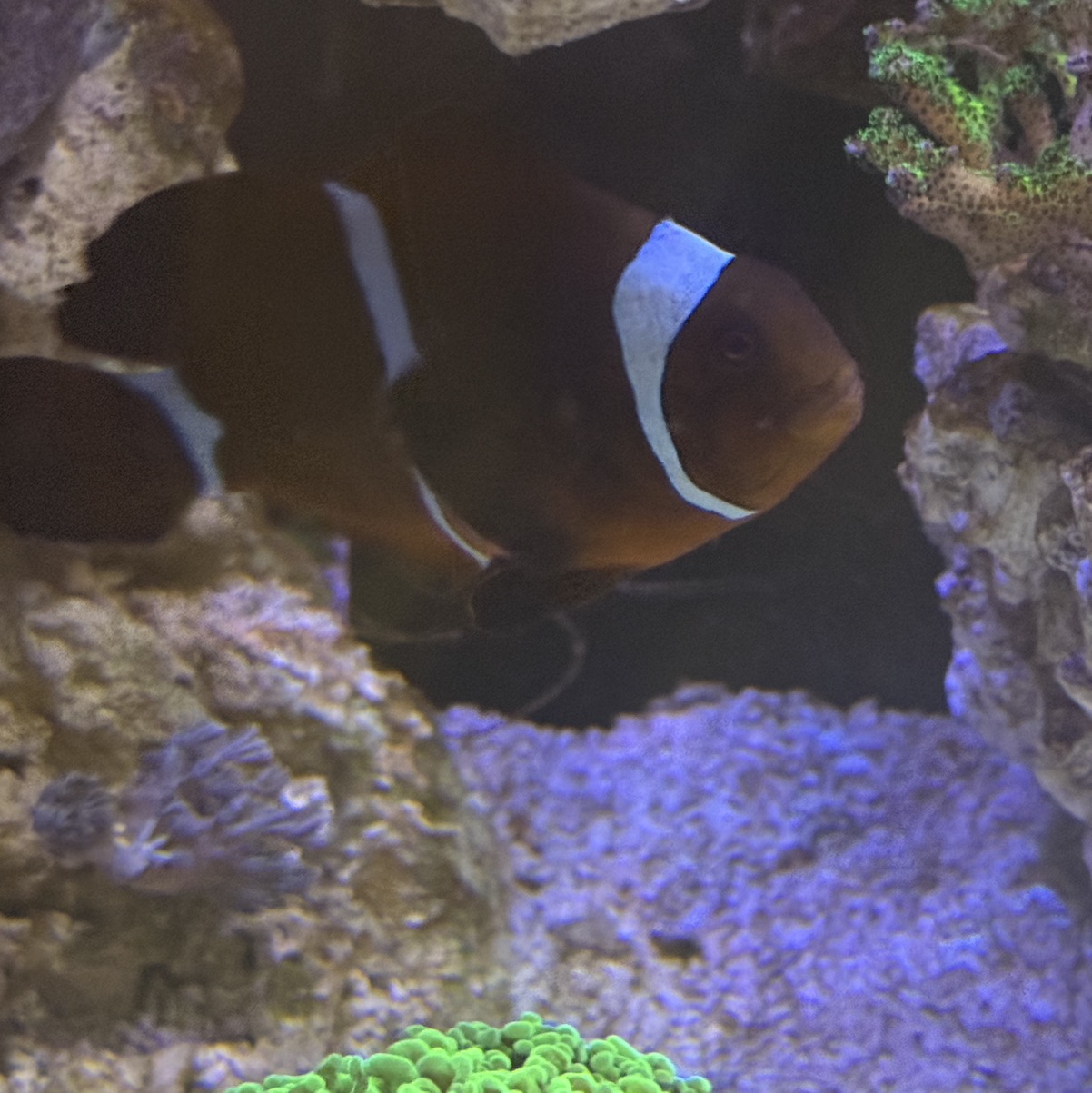
It has a deep red to almost black body with three white or gold stripes. Look closely and you will see a small spine on each cheek, which is why it is also called the Spine-cheek Anemonefish.
Captive breeders now sell eye-catching color forms:
- Gold Stripe Maroon: the classic look, with gold stripes instead of white
- Lightning Maroon: wild white stripes that branch across the body
- Gold Nugget Maroon: a bright gold body with thin white markings
Care is the same for every color form.
Tank setup
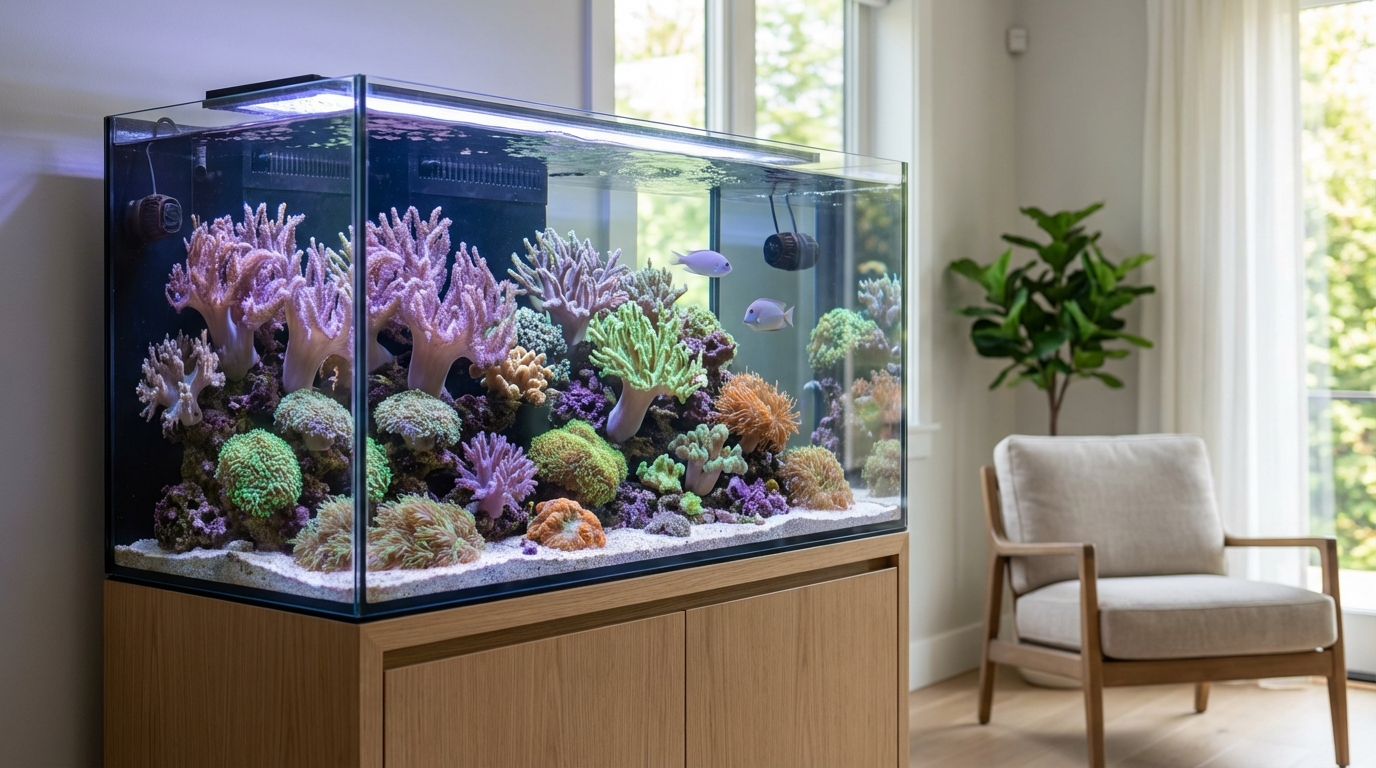
- Tank size: 30 gallons for one fish; go bigger if you want a pair or a busy community
- Rockwork: caves and ledges give it a home base to guard
- Water: 75–80°F, salinity 1.023–1.026, pH 8.1–8.4
- Lid: not required, but nice to have

Anemones
In the wild it lives in the Bubble Tip Anemone (Entacmaea quadricolor). It does not need an anemone to be healthy in a tank.
If you add one, wait until the tank is stable for at least 6 months and has good lighting.

Diet and feeding
Maroons are not picky. Feed small amounts once or twice a day.
- Quality marine pellets or flakes
- Frozen mysis or brine shrimp
- A little nori or algae-based food
Tankmates and aggression
This is the part to plan for. A grown female will chase, nip, and sometimes bite your hand during tank work.
- Good matches: tangs, larger wrasses, dottybacks, rabbitfish, and other sturdy fish
- Risky matches: tiny, shy fish like gobies and firefish in small tanks
- Avoid: other clownfish, unless you are buying a matched pair
Add the maroon last when possible. Fish that settle in first are less likely to be bullied.

Pairing tips
All clownfish start as males, and the larger fish in a pair turns female. With maroons, the size gap ends up huge.
- Buy a pair the store already has together
- Or buy one large fish and one much smaller juvenile
- Watch closely for the first week and add them at the same time
Health tips
- Quarantine: keep new fish in a separate tank for a few weeks before adding them
- Watch for: white spots, cloudy eyes, or fast breathing, which can mean a parasite
- Stable water: do small, regular water changes and test often
A healthy maroon can live 15 years or more, so it is a long-term pet.
Buying tips
- Pick captive-bred: they are hardier and already eat prepared food
- Look for: clear eyes, clean fins, and steady swimming
- Ask: whether it is eating pellets before you take it home
Want a gentler clownfish? Read our Ocellaris Clownfish guide.
FAQ
Is a Maroon Clownfish good for beginners? Yes, if you plan tankmates. It is tough and easy to feed, but its attitude can cause trouble.
Can I keep two maroons together? Only as a pair. Two random maroons will usually fight, sometimes to the death.
Are Gold Nugget and Lightning Maroons harder to keep? No. They cost more, but their care is the same as a regular maroon.
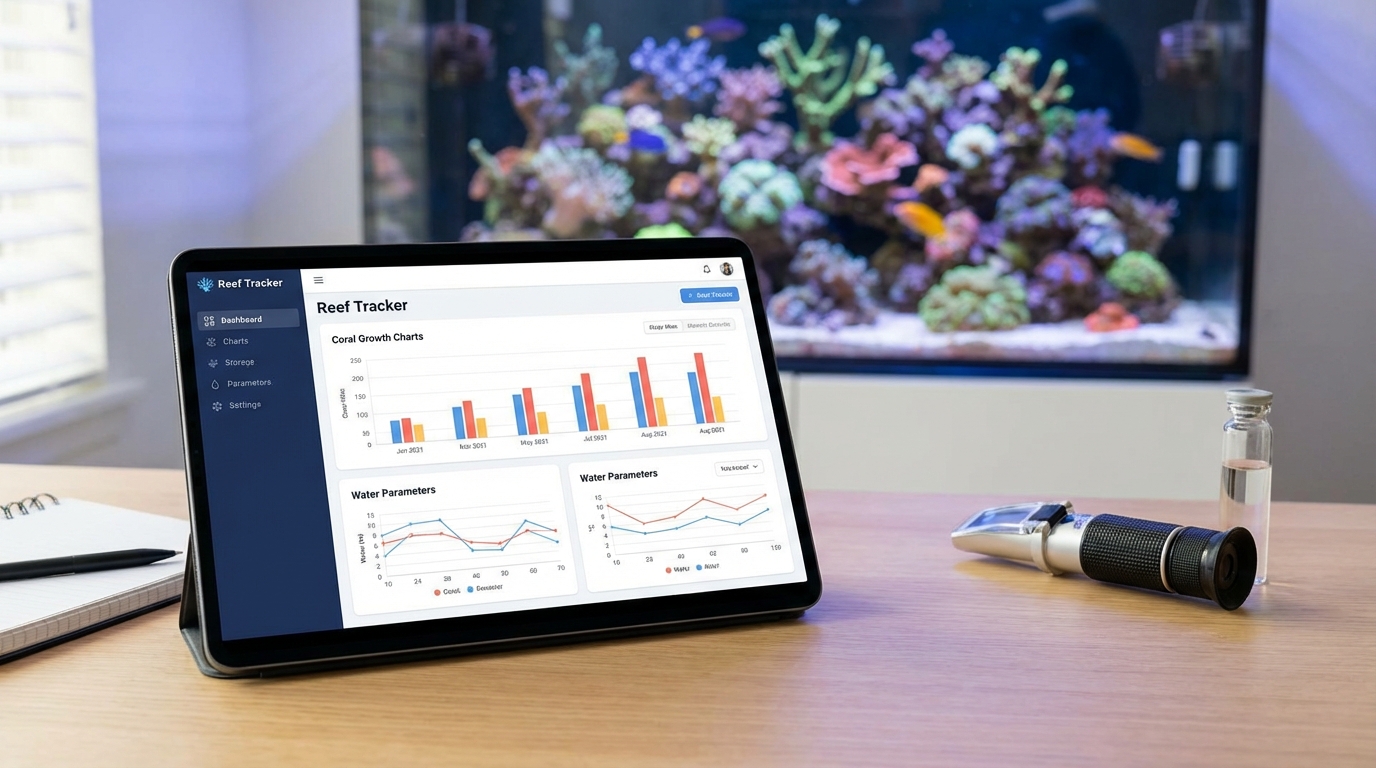
Ready to add one? Browse livestock and gear in the ReefBay shop, then track feedings and water tests in the ReefBay app.