Porcupine Puffer Care Guide: Tank Size, Diet & Beak Health
Learn Porcupine Puffer (Diodon holocanthus) care: 180+ gallon FOWLR tank size, water quality and filtration, hard-shelled diet for beak health, safe tankmates, handling tips, and what to check before you buy a spiny puffer on ReefBay.
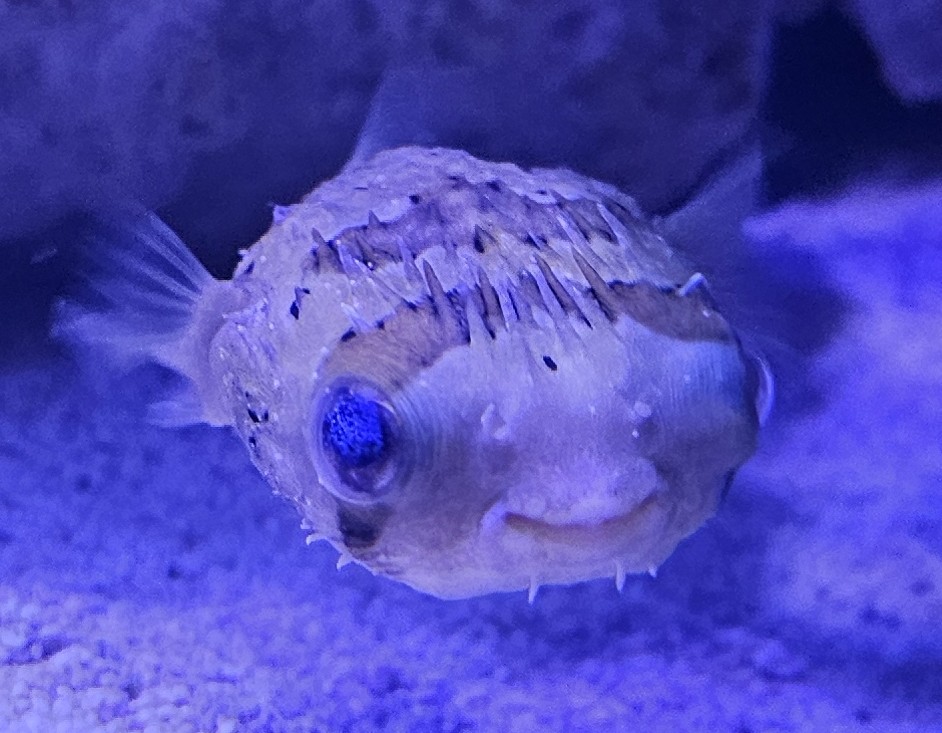
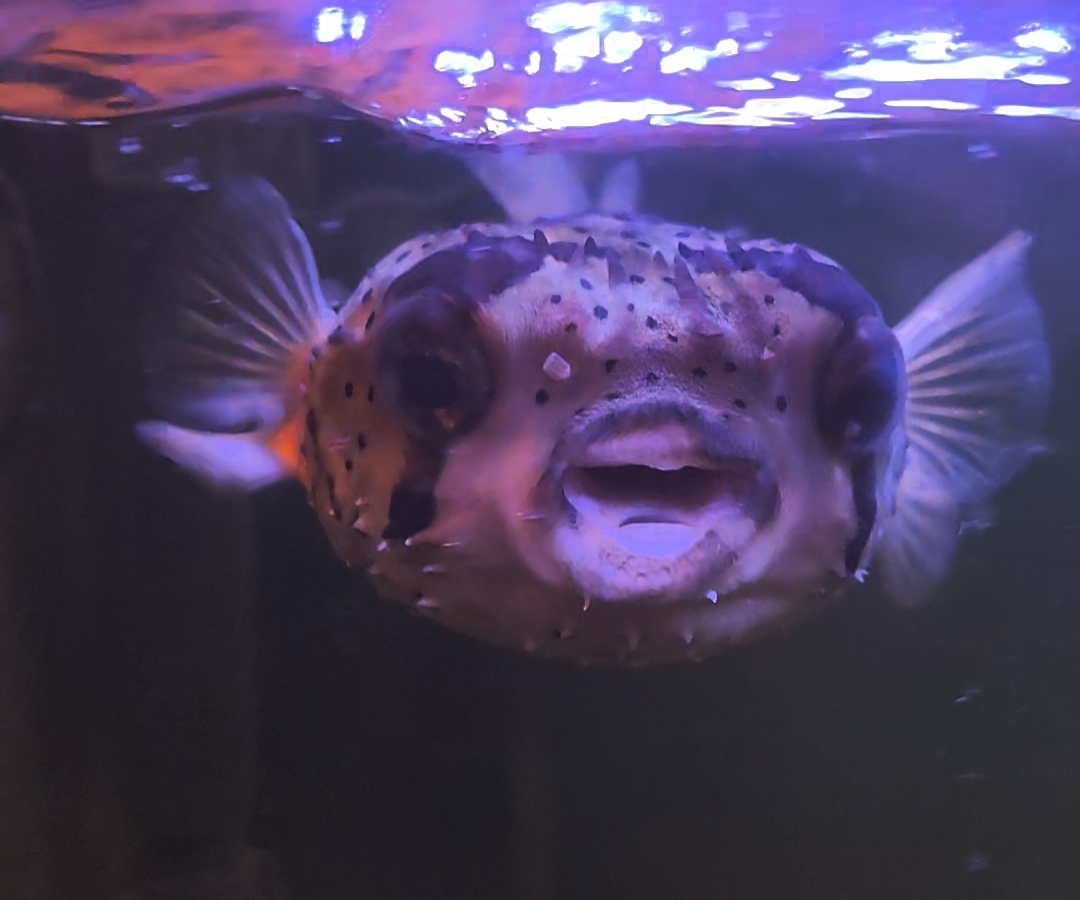
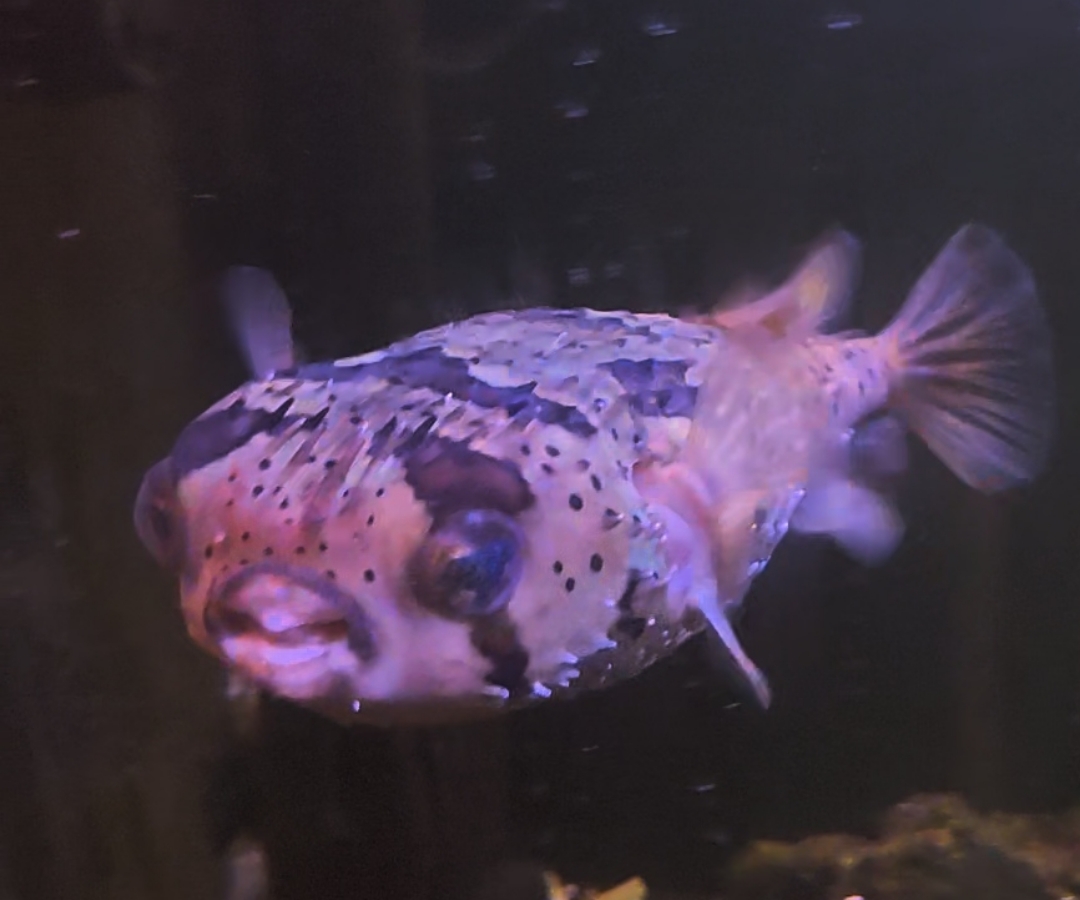
The Porcupine Puffer (Diodon holocanthus) — also sold as the Spiny Puffer, Long-spine Porcupinefish, or Balloonfish — is one of the most personable fish you can keep in a saltwater aquarium. Big, iridescent eyes, a permanent “smile,” and a habit of following its owner along the glass have earned it a reputation as the puppy dog of the marine hobby. When threatened it gulps water and swells into a spiky ball, which is unforgettable to see but stressful for the fish.
That charm comes with real requirements. Porcupine Puffers grow large (wild fish can approach 20 inches, and aquarium adults commonly reach 10–14 inches), produce a heavy bioload, need hard-shelled foods to keep their ever-growing beak in check, and will eat almost any crustacean, snail, or small fish they can catch. This guide covers tank size, water quality, diet, beak health, tankmates, handling, and a ReefBay buying checklist so you can decide whether a puffer truly fits your system.
Quick care snapshot
- Scientific name: Diodon holocanthus
- Also called: Spiny Puffer, Long-spine Porcupinefish, Balloonfish, Blotched Porcupinefish
- Category: Puffer / boxfish group (family Diodontidae)
- Origin: circumtropical — Indo-Pacific, Caribbean, and Atlantic
- Care level: moderate — hardy and eager to eat, but demanding on filtration and diet
- Temperament: semi-aggressive; curious and interactive rather than territorial
- Reef-safe: no — eats crustaceans, snails, clams, and may nip corals
- Suggested tank: 180+ gallons for an adult, fish-only or FOWLR
- Max size: up to about 20 inches in the wild; 10–14 inches is typical in aquariums
- Social: solitary — one puffer per tank
- Diet: carnivore — hard-shelled meaty foods such as clams, mussels, krill, shrimp, and crab
- Lifespan: often 8–10+ years with good care
- Handling: never lift it into air; it carries natural toxins and a strong beak that can bite
Tank size and setup: plan for a big, messy fish
Porcupine Puffers are usually sold at 2–4 inches, small enough to look comfortable in a 55-gallon tank. They grow steadily, though, and an adult is a thick-bodied fish that needs room to turn and cruise. Plan on about 180 gallons or more for an adult, with a footprint of at least 6 feet in length. A juvenile can grow out in a smaller system for a while, but only if a larger tank is already part of the plan.
- System type: fish-only or fish-only-with-live-rock (FOWLR); a coral reef is the wrong home for this species
- Aquascape: stable rockwork with a few caves and overhangs, plus wide open water for swimming
- Substrate: sand is fine; puffers often rest on the bottom and dig for food
- Equipment: guard pump intakes and powerheads, and keep heaters in a sump or behind a guard — curious puffers investigate everything
- Maturity: add the puffer to a cycled, stable system rather than a brand-new tank
Water parameters and filtration
Puffers are messy eaters with a large appetite, so waste builds quickly. Stable, clean water matters more than chasing exact numbers:
- Temperature: 74–79°F (23–26°C)
- Salinity: 1.020–1.025 specific gravity (fish-only systems tolerate the lower end)
- pH: 8.1–8.4
- Ammonia and nitrite: 0 ppm — always
- Nitrate: ideally under 20 ppm; under 40 ppm at most in a FOWLR system
- Filtration: a protein skimmer rated for well above your actual water volume, mechanical filtration you can clean weekly, and regular water changes (10–20% weekly or biweekly)
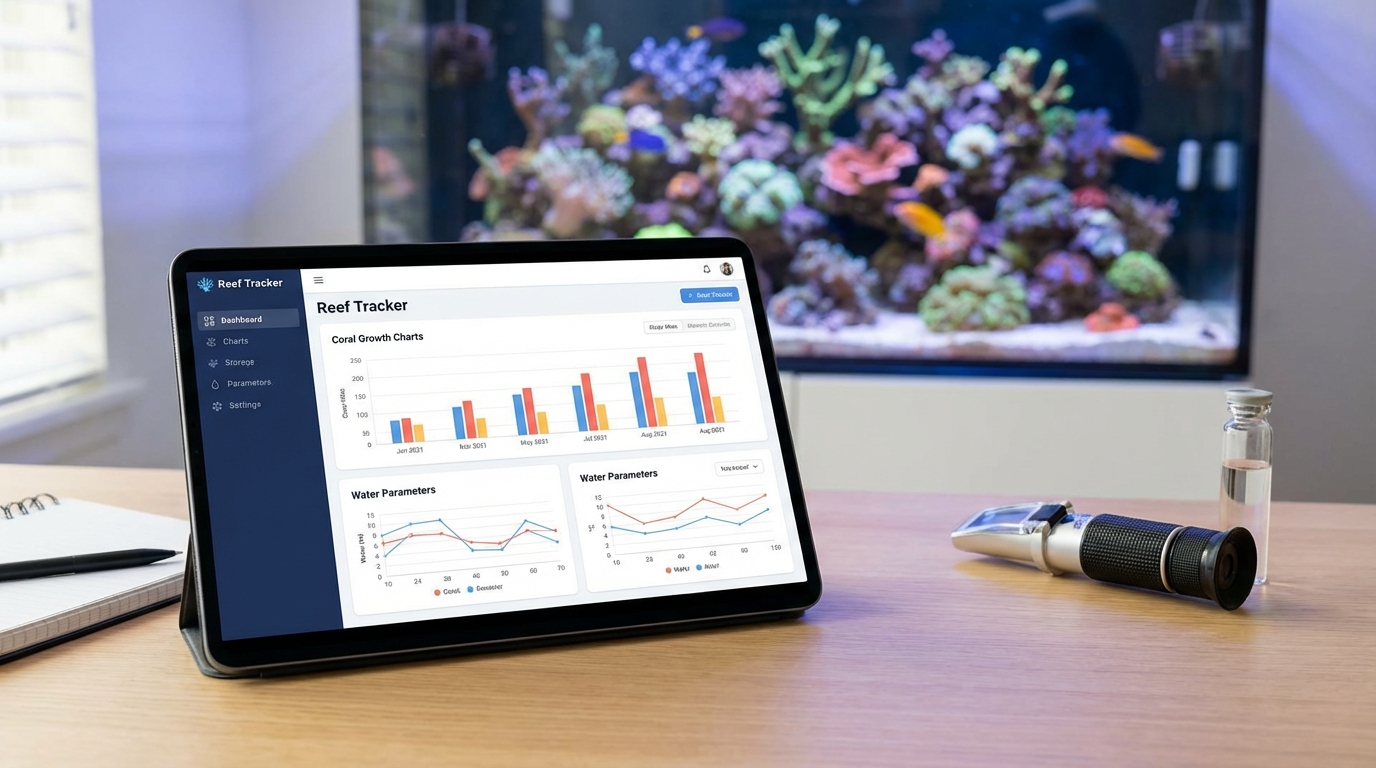
Siphon leftover shell pieces and uneaten food after each feeding. If you are still learning how to dial in a system, our reef tank water parameters guide covers testing basics, and logging results in the ReefBay app makes rising nitrate trends easy to spot early.

Photo: Laszlo Ilyes, CC BY 2.0, via Wikimedia Commons
Diet and beak health
In the wild, Porcupine Puffers hunt at night for snails, sea urchins, hermit crabs, and other hard-shelled invertebrates. Their fused teeth form a beak that grows continuously, and crunching shells is what keeps it worn down. A diet of only soft frozen foods is one of the most common reasons aquarium puffers end up with an overgrown beak and stop eating.
- Hard-shelled staples: clams or mussels on the half shell, whole shell-on shrimp, crab legs, and small snails
- Variety: krill, squid, silversides, and quality frozen marine blends rotated through the week
- Frequency: feed juveniles small portions once or twice daily; adults do well with one feeding a day or every other day
- Portions: stop when the belly is gently rounded — puffers beg constantly and are easy to overfeed
- Vitamins: soak frozen foods in a marine vitamin supplement a few times a week, especially if you rely on frozen shellfish
Check the beak regularly. If the teeth start to look long, uneven, or keep the mouth from closing, offer more hard-shelled food first. A severely overgrown beak needs trimming under sedation, which is a job for an aquatic vet or a very experienced keeper — never something to try on an awake fish.
Tankmates: who works and who becomes dinner
Porcupine Puffers are not reef-safe or invert-safe. Shrimp, crabs, snails, urchins, clams, and most cleanup crew members will be eaten, and corals or clam mantles may be nipped. Choose fish tankmates that are too large to swallow and calm enough not to harass a slow-swimming puffer.
- Often works: tangs, foxface rabbitfish, larger angelfish, large wrasses, and other robust fish of similar size in a big FOWLR system
- Use caution: triggerfish and other nippy fish that may pick at the puffer’s eyes and fins; slow, long-finned fish such as lionfish need careful observation
- Avoid: small fish like gobies, chromis, and cardinalfish; any shrimp, crabs, or snails you want to keep; and a second puffer
- Stocking order: add the puffer after the other fish are settled, and keep feeding schedules steady to reduce competition
Inflation, toxins, and safe handling
Inflation is a defense, not a trick. Every time a puffer puffs up it is stressed, so avoid chasing it with a net. The bigger danger is inflating with air: if a puffer is lifted out of the water, it may gulp air that it cannot easily expel, which can be fatal. Move puffers with a container or bag so they stay submerged the whole time.
Like other puffers, porcupinefish carry natural toxins in their tissues. Normal maintenance is not a problem, but remove a dead or dying fish promptly, run activated carbon, and never let pets or people eat one. Use feeding tongs rather than fingers — that friendly beak is built to crack shells and can deliver a painful bite.
Common problems and quick fixes
- White spots or cloudy eyes: ich or poor water quality — quarantine new fish, and keep up water changes. Many keepers find puffers less tolerant of copper, so use carefully monitored treatments or seek expert advice before dosing
- Refusing food: check the beak for overgrowth and test water quality first
- Rising nitrate and algae: reduce portions, siphon leftovers, and upgrade skimming or water change volume
- Missing cleanup crew: expected — use fish-safe maintenance and manual cleaning instead of snails and hermits
- Frequent inflation: look for a bully tankmate, a cramped tank, or rough handling
A dedicated quarantine period is the best protection for both the puffer and your display. Our 30-day saltwater fish quarantine protocol walks through the process step by step.
Buying checklist before you click purchase
- Confirm a fish-only or FOWLR tank of about 180+ gallons — or a committed upgrade plan for a juvenile
- Make sure you have strong skimming, mechanical filtration you can clean easily, and time for frequent water changes
- Ask the seller for recent video of the fish eating, ideally hard foods like clams or shell-on shrimp
- Choose a specimen with clear eyes, a rounded (not pinched) body, normal swimming, and a beak that closes evenly
- Plan tankmates that are large, peaceful, and not fin-nippy — and rehome any inverts you want to keep
- Set up a quarantine tank and stock frozen clams, mussels, and krill before the fish arrives
Ready to shop? Open the Porcupine Puffer fish page on ReefBay to see photos from ReefBay keepers alongside these care targets, then browse the ReefBay marketplace for healthy, eating specimens from trusted sellers. Track your water tests, feedings, and livestock in the ReefBay app so your puffer has the stable, clean system it needs to thrive for years.




.jpg)